DeKalb County CWD Zone Public Ground
Finding good public hunting ground can be a challenge anywhere in Illinois, but when you add the layer of Chronic Wasting Disease (CWD) management, it can feel like you're navigating a real maze. DeKalb County, nestled within the state's CWD Zone, presents a unique set of considerations for hunters seeking public access. This guide aims to clear up some of the confusion, helping you understand where to go, what to expect, and how to stay compliant while pursuing your passion in this important region.
Understanding Chronic Wasting Disease in DeKalb County
DeKalb County is a critical area within Illinois's CWD Zone. This isn't just a label; it carries real implications for hunters, land managers, and the long-term health of our deer herd. CWD is a neurological disease affecting deer, elk, and moose, and it's always fatal. While it's not known to affect humans, managing its spread is paramount for wildlife conservation.
What CWD Means for Hunters in DeKalb
Living and hunting in a CWD-affected county means a heightened sense of awareness and responsibility. The Illinois Department of Natural Resources (IDNR) has designated DeKalb and surrounding counties as part of the CWD Management Area because the disease has been detected in wild deer there. This designation isn't meant to scare you away, but rather to inform you that extra steps are necessary to help monitor and control the disease. It means that hunter participation in monitoring efforts is incredibly valuable. When you hunt in DeKalb, you're not just pursuing game; you're also part of a larger effort to protect Illinois's deer population. For many, this adds another layer of purpose to their hunting experience.
Illinois's Fight Against CWD in the Region
Illinois has been battling CWD since its first detection, and northern Illinois, including DeKalb County, has been on the front lines. Efforts involve surveillance, mandatory sampling in some areas or voluntary sampling statewide, and restrictions on carcass movement. Hunters are key partners in this fight. By participating in CWD sampling and adhering to carcass transport rules, we provide vital data that helps biologists track the disease's prevalence and distribution. It's a long game, and every hunter's contribution matters. You might wonder, How CWD Spread From Boone County, which was one of the initial hotspots, and understanding that history helps illustrate why areas like DeKalb are so important for ongoing management.
Finding Public Hunting Opportunities in DeKalb's CWD Zone
While DeKalb County is primarily known for its agricultural landscape, there are certainly public hunting opportunities available. They might not be as vast as the sprawling national forests in southern Illinois, but with a bit of research and effort, you can find viable spots.
Types of Public Land Available
In counties like DeKalb, public hunting access often comes in a few forms:
- Illinois State Fish and Wildlife Areas (SFWAs): These are managed specifically for wildlife and public recreation, often including hunting. While DeKalb itself might not host a massive SWFA, neighboring counties do, and it's worth checking the IDNR website for units near county lines.
- State Parks and Recreation Areas: Some state parks, though not primarily hunting areas, have designated portions open to hunting, often under specific quota or permit systems. It's always crucial to check individual site regulations.
- Local Conservation District Lands: Many county or regional conservation districts manage smaller tracts of land for public access, sometimes including hunting. These can be hidden gems for those willing to do their homework.
- Leased or Managed Private Lands: Occasionally, the IDNR or other organizations will lease private land for public hunting, especially for specific programs like pheasant stocking or youth hunts.
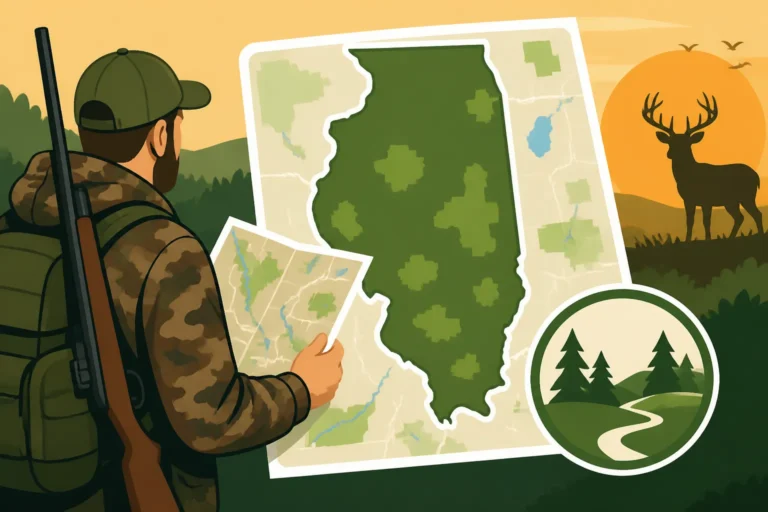
Finding these spots takes a proactive approach. The Using the Illinois DNR Map Tool is an invaluable resource for this, allowing you to filter by county and activity. Also, don't overlook smaller, often less-pressured parcels.
Researching Specific Sites and Access
Once you've identified potential public lands, diving into the specifics is the next step.
- IDNR Website: This is your primary source for all rules, regulations, and access information. Look for site-specific hunt facts, which detail species, seasons, and any special permits or draw processes.
- Site-Specific Brochures/Maps: Many larger public areas have downloadable maps or brochures that outline hunting boundaries, parking areas, and restricted zones. Print these out or save them to your phone for offline access.
- Aerial Imagery and Mapping Apps: Tools like onX Hunt are indispensable for scouting. You can overlay property boundaries, identify potential access points, and pinpoint habitat features like woodlots, drainages, and field edges. This digital scouting can save you countless hours of walking and help you find Finding Ground That Sees Fewer Hunters. It's not just about finding the green-shaded public land; it's about understanding the terrain and how deer might use it. Similarly, GoHunt can provide detailed topographical information and satellite imagery, helping you visualize the landscape from your living room.
- Local Knowledge: Sometimes, the best information comes from local bait shops, gas stations, or veteran hunters who have been in the area for years. Be respectful, listen more than you talk, and you might just glean some valuable insights.
| Public Land Type | Typical Size | Management Focus | Key Considerations for DeKalb County Hunters |
|---|---|---|---|
| State Fish & Wildlife Areas | Medium to Large | Wildlife habitat, public recreation | Often have specific hunting seasons/rules. Check for CWD testing stations. |
| State Parks/Recreation Areas | Small to Medium | Diverse recreation, sometimes hunting zones | Hunting often restricted to specific areas/dates. Very site-specific rules. |
| Local Conservation Lands | Small to Medium | Conservation, passive recreation, some hunting | Highly variable by district. Requires local inquiry; can be less pressured. |
| US Army Corps of Engineers | Variable | Flood control, navigation, recreation | Often along major rivers. May have specific rules regarding access and hunting. |
| Private Land (Leased by IDNR) | Variable | Specific programs (e.g., youth hunts) | Limited access, specific dates/species. Check IDNR for current programs. |
Remember that public lands in CWD zones, like DeKalb, might also be subject to specific deer management strategies, such as increased antlerless harvest opportunities, to help control population density and, by extension, disease transmission.
Essential Regulations and Best Practices for CWD Hunting
Hunting in a CWD zone adds extra layers of responsibility regarding regulations and ethical practices. Ignoring these can not only lead to legal trouble but also undermine the collective effort to manage the disease.
CWD-Specific Regulations You Must Know
The IDNR has clear rules for hunting within CWD counties, and it's your responsibility to be aware of them before you head into the field.
- Mandatory Deer Testing: In some CWD counties or on specific public lands, deer harvested during certain firearm seasons might require mandatory CWD testing. Always check the current regulations for DeKalb County, especially during opening weekends. You'll need to know Illinois CWD Testing for Hunters and how to properly present your harvest.
- Carcass Movement Restrictions: This is a big one. You cannot transport whole deer carcasses out of a CWD county unless you're taking it directly to a licensed taxidermist or meat processor within or bordering the CWD zone, or if only specific parts (deboned meat, skull cap, etc.) are being removed. Understanding Illinois Carcass Movement Restrictions is vital to prevent the inadvertent spread of the disease.
- Reporting Requirements: All harvested deer in Illinois must be reported to the IDNR. This is especially critical in CWD zones as it contributes to vital harvest data.
It's tempting to think these rules are just red tape, but they are directly linked to slowing the spread of CWD. Adhering to them is a non-negotiable part of ethical hunting in these areas.
Responsible Hunting Practices in CWD Zones
Beyond the regulations, there are best practices that all hunters should adopt when hunting in areas like DeKalb County:
- Minimize Baiting and Feeding: While baiting isn't universally illegal in Illinois for deer (except on public land), it's highly discouraged in CWD zones. Concentrating deer at a single location increases nose-to-nose contact, which can facilitate disease transmission.
- Proper Carcass Disposal: If you process your deer at home in DeKalb County, dispose of the inedible parts (bones, hide, nervous tissue) properly. Double-bagging and placing them in municipal waste is often recommended over leaving them in the woods where scavengers could spread prions.
- Be a Data Point: If voluntary CWD sampling is offered, participate! Provide accurate information about where and when your deer was harvested. This data is literally the lifeblood of CWD management.
- Stay Informed: CWD research is ongoing, and regulations can change. Regularly check the IDNR website for updates, especially before each hunting season. Being a knowledgeable hunter means being an effective conservationist.
- Cleanliness: Always clean your equipment thoroughly, especially knives and saws, after processing a deer. While transmission to humans isn't known, good hygiene is always paramount.
Leveraging Technology and Local Resources for Success
Hunting in DeKalb County's CWD zone requires a blend of traditional scouting and modern tools. The limited, often fragmented nature of public land, combined with CWD considerations, makes smart preparation even more critical.
Digital Scouting with Mapping Tools
Modern mapping applications are game-changers for public land hunters, particularly in areas where access might be complex or discontinuous.
- onX Hunt: This app is incredibly powerful for identifying public versus private land boundaries, crucial for respecting property rights and avoiding trespass, which is especially important in a predominantly private land county like DeKalb. You can download maps for offline use, mark waypoints for stand locations or sign, and even track your movements. For hunting in fragmented woodlots or along fencerows, knowing exactly where you stand is invaluable. You can also research Finding Illinois Property Lines directly in the app, giving you confidence when navigating.
- GoHunt: While often focused on western states, GoHunt's mapping features and data layers can still be incredibly useful for understanding terrain, vegetation, and potential travel corridors for deer in Illinois. Look for features that help you identify potential pinch points, food sources, and bedding areas. These apps can highlight subtle changes in topography that might indicate a deer trail or a sheltered bedding area that you'd miss from the road.
Before you even step foot on public ground in DeKalb, spend significant time using these tools to identify potential hunting zones, access routes, and areas where hunting pressure might be lower.
Connecting with Local Experts and Resources
While digital tools are powerful, don't underestimate the value of local, human connections.
- IDNR Staff: Conservation Police Officers and district wildlife biologists are invaluable resources. They are often incredibly knowledgeable about local land access, population dynamics, and specific CWD concerns in DeKalb County. Always be respectful of their time and expertise.
- Local Businesses: Sporting goods stores, bait shops, and even gas stations in smaller towns can be hubs of local hunting information. They might know about specific public parcels that are underutilized or have insights into recent deer movement patterns.
- Hunter Education Courses: If you're new to hunting in Illinois, taking an Illinois Hunter Education Requirements course can connect you with experienced instructors who often have a wealth of local knowledge.
Remember, successful hunting in a CWD zone is not just about finding deer; it's about being an informed, responsible, and ethical participant in wildlife management. DeKalb County offers unique challenges and rewards, and by understanding the landscape and regulations, you can have a fulfilling and impactful hunting experience.
Disclaimer
This article is for general informational purposes only and does not constitute professional advice. Laws, prices and regulations vary by location and change over time. Consult a qualified professional for guidance on your specific situation.