Ogle County CWD Zone Public Ground
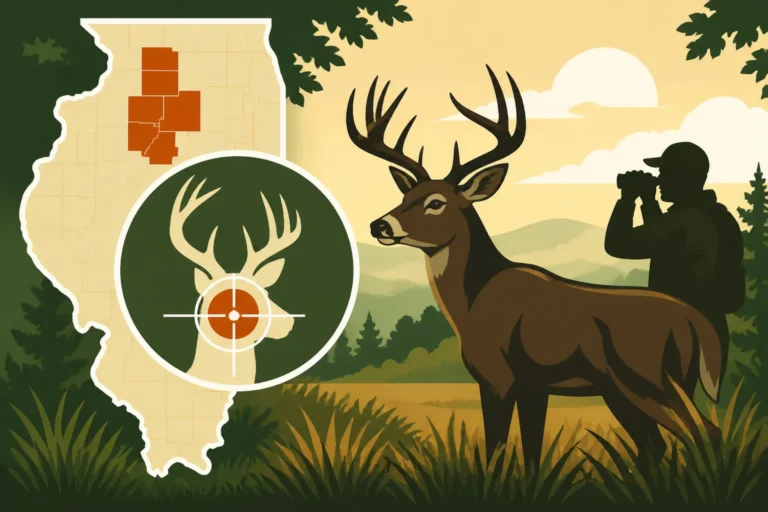
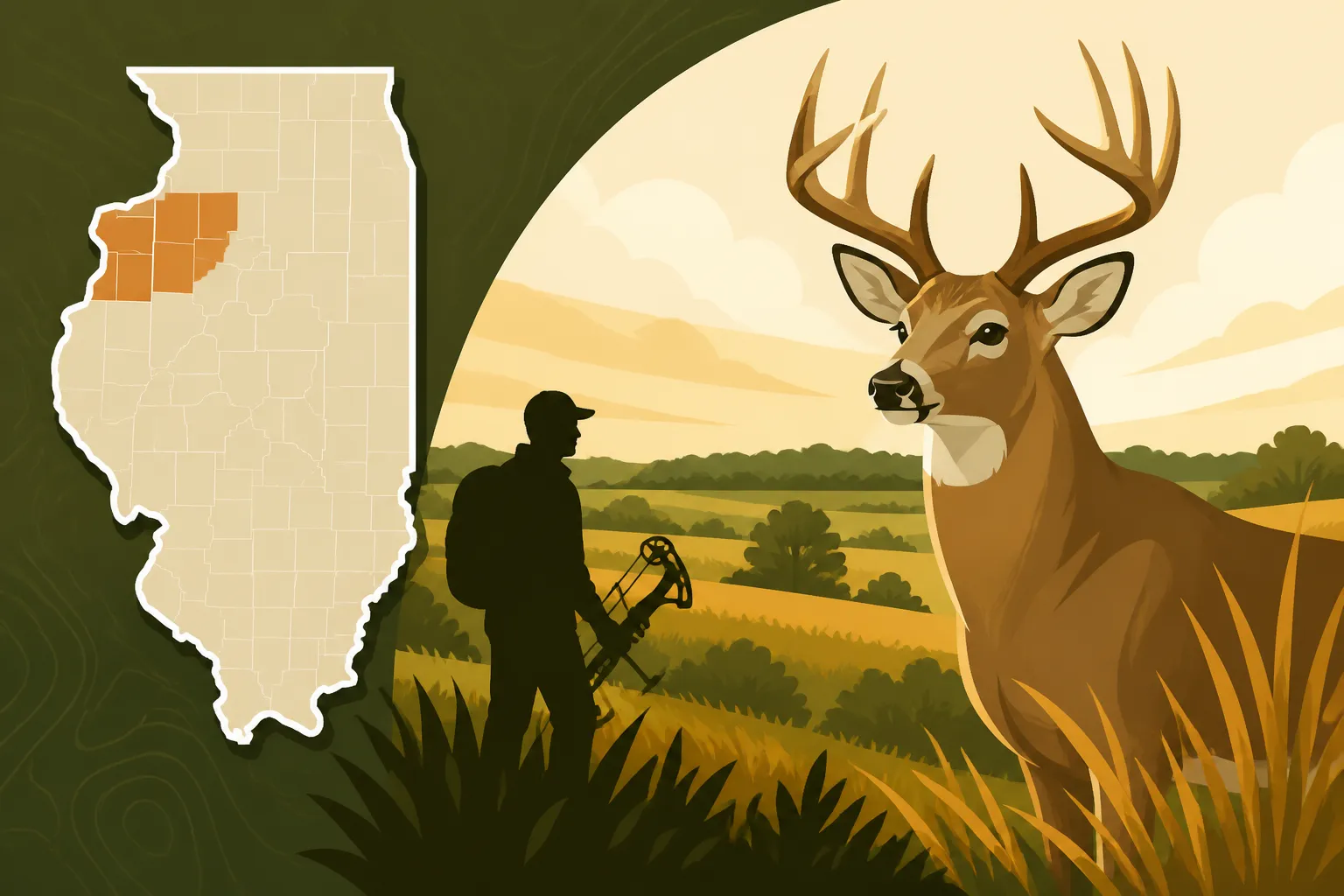
Hunting in Illinois's Ogle County, especially with the added complexity of its Chronic Wasting Disease (CWD) zone designation, can feel like navigating a maze. For many hunters, the excitement of public land access is quickly overshadowed by questions about CWD regulations, where exactly they can hunt, and how to stay compliant. This guide is here to untangle that knot, offering clear, actionable advice on how to successfully and responsibly pursue game on public ground within Ogle County's CWD zone.
Understanding Ogle County's CWD Designation
When you hear "CWD Zone," it's natural for a hunter's ears to perk up, often with a mix of concern and confusion. Ogle County is indeed part of Illinois's CWD management area, and understanding what that truly means for your hunting experience is paramount. This isn't just a label; it comes with specific responsibilities and protocols designed to monitor and manage the disease.
What the CWD Zone Means for Hunters
Being in a CWD zone fundamentally changes certain aspects of your hunt. First and foremost, it means that the Illinois Department of Natural Resources (IDNR) is actively monitoring deer for CWD in the area. This isn't to say every deer has it, but rather that the risk is elevated, and the state is taking measures to understand its prevalence and spread. For you, the hunter, this often translates into mandatory or highly encouraged CWD testing for harvested deer. It's a critical step, as the data collected helps biologists track the disease and make informed management decisions. It’s not just about compliance; it's about being a responsible steward of the deer herd. The frustrations are real – you've just put in the work to harvest an animal, and now you have an extra step. But that extra step is vital for the long-term health of the herd you cherish.
Beyond testing, CWD zones often come with specific carcass movement restrictions. These rules are put in place to prevent the spread of CWD to other areas of the state that might currently be CWD-free. Imagine the scenario: you harvest a beautiful buck in Ogle County, and your camp is three counties south. Without these rules, you could inadvertently transport infected material, such as brain or spinal tissue, to a new area. It’s a bitter pill to swallow sometimes, especially for those accustomed to simple field dressing and heading home, but it's a necessary precaution. Understanding these nuances before you even leave home can save you a lot of headache and ensure you're hunting ethically and legally.
Navigating Carcass Movement Restrictions
The rules regarding carcass movement out of a CWD county like Ogle County are designed to be practical yet effective in preventing disease spread. Generally, you cannot move a whole deer carcass out of the CWD zone. What does this mean for your hard-earned venison and potential trophy? It means you need to process the deer within the CWD zone or remove specific high-risk parts before leaving. This might involve quartering the deer and boning out the meat, removing the skull cap for a European mount, or taking the antlers with a clean skull plate. You can always transport meat that has been deboned, cleaned skull plates, or taxidermy-ready hides.
Think about how this impacts your typical post-harvest routine. If you usually take your whole deer to a processor back home, you'll need to find one within or very close to Ogle County, or be prepared to do a more extensive field breakdown than you might be used to. This can be a significant logistical challenge, especially if you’re traveling from out of the area. It's not uncommon for hunters to feel overwhelmed by this, but local processors and taxidermists in or near Ogle County are typically well-versed in these regulations and can guide you through the process. For more detailed information on this, our guide on Moving a Deer Carcass Out of a CWD County can provide additional clarity and practical tips to ensure you stay within the law while still getting your venison and trophy home safely.
Identifying Public Hunting Opportunities in Ogle County
Finding public land in Ogle County can sometimes feel like a treasure hunt, especially with the CWD considerations layered on top. While it might not boast the vast tracts of public land found in southern Illinois's Shawnee National Forest, there are definitely opportunities if you know where to look and how to prepare.
State Fish and Wildlife Areas and State Parks
Ogle County, and its immediate vicinity, offers several key public hunting opportunities through Illinois's robust system of State Fish and Wildlife Areas (FWAs) and some State Parks. These areas are managed by the IDNR and often provide excellent hunting for deer, turkey, and small game. It's crucial to remember that each site will have its own specific regulations, including hunting hours, legal weapons, and often a site-specific permit drawing or sign-in requirement. This can be a hurdle for new hunters or those unfamiliar with the area, as you can't just show up and start hunting.
For example, nearby Franklin Creek State Natural Area offers some hunting, and you might find limited opportunities within other state-managed lands that aren't exclusively hunting-focused but permit it. These areas frequently require hunters to apply for a site-specific permit or to check in and out daily, sometimes via an online system or a physical check station. Always, always check the current IDNR site-specific regulations for any area you plan to hunt; these can change year to year. Our comprehensive guide on the Illinois Site Permit Application Process can walk you through the steps involved in securing access to these desirable public hunting grounds. You can also review Which Illinois State Parks Allow Hunting to see if any local state parks offer specific seasons or limited draws.
Here’s a look at common regulations you might encounter at these sites:
| Regulation Type | Common Requirements in Ogle County Public Lands |
|---|---|
| Site-Specific Permits | Often required for deer and turkey; some small game seasons are open access. |
| Check-In/Out | Mandatory at many sites, either electronically (phone/app) or at a physical kiosk. |
| Weapon Restrictions | Varies by site; some may be shotgun/muzzleloader only, others allow archery. |
| Blaze Orange | Required during firearm seasons; check site rules for archery/muzzleloader. |
| Treestands/Blinds | Portable only, must be removed daily or adhere to specific tagging rules. |
| CWD Testing | Mandatory for deer harvested during firearm seasons in CWD Zone. |
Utilizing Digital Mapping Tools for Access
In today's hunting world, digital mapping tools are non-negotiable, especially when trying to pinpoint public ground in a CWD zone like Ogle County. Services like onX Hunt and GoHunt are invaluable for understanding land ownership, identifying access points, and avoiding accidental trespass. They visually overlay public and private land boundaries directly onto detailed topographic and aerial maps, making it incredibly clear where you can legally hunt.
Imagine you're scouting a promising woodlot that looks like it connects to a state-managed area. With onX Hunt, you can instantly see the property lines, determine if that woodlot is public, and even identify potential parking areas or foot access routes that might not be obvious from a road map. This is crucial for navigating fragmented land ownership common in agricultural areas like Ogle County. These apps also provide layers showing recent satellite imagery, often revealing timber cuts, crop rotations, or subtle terrain features that can hold deer. They can even help you find Finding Illinois Property Lines with confidence, which is essential when hunting near agricultural fields or suburban areas. Don't underestimate the power of these tools for pre-season scouting and for staying on track while actually in the field. They can save you hours of wasted time and prevent uncomfortable encounters with landowners. You can use them to identify obscure access points that might see less pressure, or to Reading Aerial Photos for Southern Illinois Deer (and northern Illinois deer!) to find those hidden pockets of cover.
Tactical Considerations for CWD Zone Hunting
Hunting in a CWD zone doesn't just add regulatory layers; it also brings some tactical considerations into play. Deer behavior itself might not change due to CWD, but hunter pressure, public perception, and carcass handling procedures certainly can influence your approach.
Scouting and Pre-Season Planning
Successful public land hunting always hinges on meticulous scouting, and that's doubly true in a CWD zone like Ogle County. Public areas, by their nature, often see more pressure, and in CWD zones, there can be a higher level of awareness or concern among both hunters and landowners. This means you need to work harder to find those less-pressured pockets where mature animals might feel safer. Start by poring over those digital maps (like onX Hunt) to identify potential bottlenecks, unpressured corners, or overlooked habitat features. Look for areas away from easy road access, places that require a longer walk, or thick cover that other hunters might avoid.
Ground scouting is next. Once you've identified promising spots on a map, get boots on the ground long before the season opens. Look for deer sign—trails, rubs, scrapes, and bedding areas. Pay attention to food sources available, whether it's acorns in a mature timber stand or browse in a clear-cut. Remember, deer still need the same things: food, water, and cover. Your job is to find those elements in places that are difficult for other hunters to reach or overlook. Don't be afraid to walk a little farther than most; that extra effort often puts you into deer. Our guide on Scouting Illinois Public Land Before Season offers valuable techniques, and you'll find that identifying and Finding Ground Others Walk Past is a key strategy for success on crowded public lands.
Respecting Private Land Boundaries
This point cannot be stressed enough: when hunting public lands in areas like Ogle County, which are often interspersed with private property, respecting boundaries is paramount. The lines on your onX Hunt app aren't just suggestions; they are legal delineations. Accidental trespass is a common issue, and in CWD zones, landowners might be even more vigilant or sensitive to hunters on or near their property, sometimes due to concerns about disease management or simply privacy. Always know exactly where you are, and double-check your position frequently, especially if you're still-hunting or moving through thick cover.
If a game animal runs onto private land after being shot, do not pursue it without explicit permission. This is a critical legal and ethical boundary. While it's heartbreaking to potentially lose an animal, trespassing to recover it can lead to severe legal penalties, ruin landowner-hunter relations, and damage the reputation of all hunters. It's often best to immediately contact the landowner and politely ask for permission to retrieve your animal. Having a plan for this scenario before you even hunt is smart. Our resources on Illinois Trespass and Permission Law and Do You Need Written Permission in Illinois? will give you a solid understanding of the legal landscape and best practices for securing permission, which is always the safest approach.
Staying Informed and Responsible
Being a responsible hunter in an Illinois CWD zone, particularly in Ogle County, means more than just knowing where to hunt and what permits you need. It requires active engagement with the regulations and a commitment to helping manage the deer herd.
Where to Find Current Regulations and Updates
The landscape of hunting regulations, especially concerning CWD, is dynamic. What was true last year might have changed this season. Therefore, your primary source of information should always be the official Illinois Department of Natural Resources (IDNR) website. They publish the most up-to-date hunting digests, CWD zone maps, mandatory testing locations, and any changes to carcass movement rules. Relying on old information, or even well-meaning advice from a friend, can lead you astray.
Make it a habit to check the IDNR website before each hunting season, and even periodically during the season, particularly if you're planning a trip to a CWD county. The IDNR also offers a mobile app that can be incredibly useful. Scouting With the Illinois DNR App can provide real-time updates, maps, and often streamlines the reporting process for harvested animals. Don't leave your hunting success or legal standing to chance; empower yourself with the most current and accurate information directly from the source.
Mandatory CWD Testing and Data Collection
One of the most direct ways hunters in CWD zones contribute to herd health management is through compliance with mandatory CWD testing. In counties designated as CWD zones, like Ogle County, deer harvested during specific seasons (often firearm deer seasons) must be sampled for CWD. This isn't optional; it's a legal requirement designed to gather crucial data on the disease's prevalence and geographic spread.
The process is generally straightforward. After harvesting and tagging your deer, you'll need to take the head (or the entire carcass, if preferred) to a designated CWD sampling station. These stations are typically set up at various locations throughout or near the CWD zone, often including specific IDNR offices, local meat processors, or temporary check stations during peak hunting days. Staff will collect a tissue sample, usually from the lymph nodes or brainstem, and provide you with information on how to check your deer's test results. This data is vital for biologists to understand the disease and make long-term management plans. By participating, you’re not just following a rule; you’re actively contributing to the health of the very deer herd you love to hunt. For a detailed breakdown of what to expect, refer to our guide on Illinois CWD Testing for Hunters, and specifically on Mandatory Testing Inside an Illinois CWD County to ensure you're fully prepared.
Disclaimer
This article is for general informational purposes only and does not constitute professional advice. Laws, prices and regulations vary by location and change over time. Consult a qualified professional for guidance on your specific situation.