Winnebago County CWD Zone Public Ground
Hunting in a Chronic Wasting Disease (CWD) zone can feel like navigating a maze blindfolded, especially when you're trying to pinpoint public access. Many hunters in northern Illinois, particularly in areas like Winnebago County, face the frustration of wanting to enjoy their passion while also grappling with the responsible management of wildlife health. This guide is here to unravel those complexities, helping you understand how CWD impacts hunting in Winnebago County and how you can still find productive public ground to pursue deer ethically and effectively.
The CWD Reality in Winnebago County
When we talk about hunting in Winnebago County, the elephant in the room, or rather, the deer in the timber, is Chronic Wasting Disease. It's a serious concern that impacts how we scout, hunt, and handle our harvest. Ignoring it isn't an option, and understanding its implications is the first step toward responsible and successful hunting in this area.
Understanding the Disease and Its Local Impact
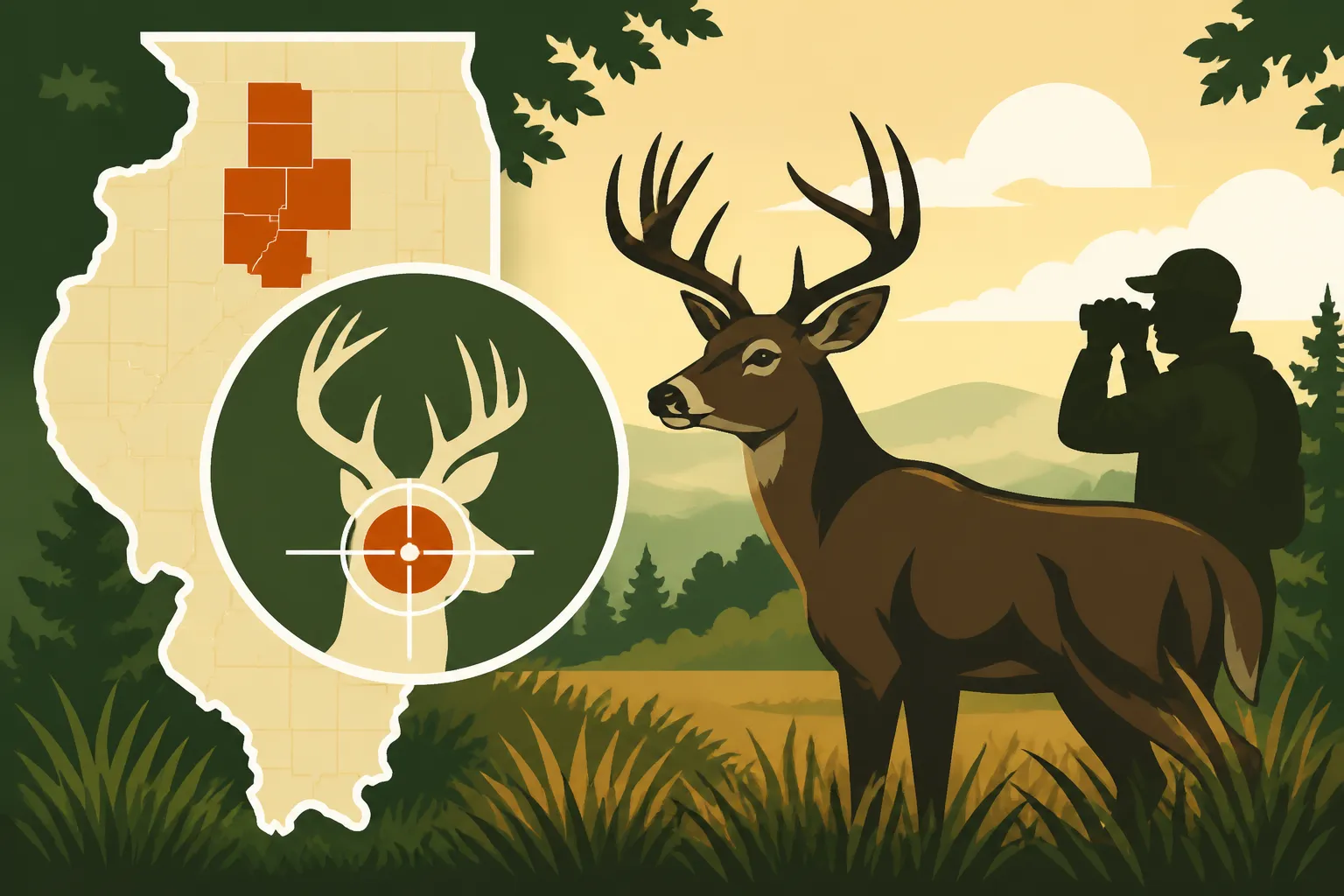
Chronic Wasting Disease is a neurological disease that affects cervids, including white-tailed deer. It's always fatal, and unfortunately, it's been a persistent challenge in parts of northern Illinois for decades. Winnebago County is squarely within what the Illinois Department of Natural Resources (IDNR) designates as a CWD zone. This means that hunters in the area need to be extra vigilant and informed. The disease spreads through direct animal-to-animal contact and indirectly through contaminated environments, making it a particularly tricky foe. The presence of CWD doesn't mean the deer population is gone, but it does mean that herd health and responsible management are paramount. We've seen Illinois CWD Prevalence in the Northern Zone fluctuate over the years, reminding us that constant monitoring and hunter cooperation are vital.
For hunters, this translates to a couple of key points. First, you might encounter deer showing symptoms like emaciation, listlessness, or unusual behavior. While these signs are rare in the early stages, recognizing them is important. Second, the IDNR actively manages the CWD zone with specific regulations designed to monitor and slow the spread of the disease. This isn't about ruining your hunt; it's about protecting the long-term health of the herd and the hunting opportunities we all cherish. Hunters play a critical role as the frontline defense in monitoring and managing CWD.
Navigating Regulations and Restrictions
Because Winnebago County is within the CWD zone, there are specific regulations that apply to hunters concerning deer harvest and carcass movement. These rules are in place to prevent the further spread of the disease to other parts of the state. It can be a bit confusing to keep track of, but it's absolutely essential. The primary regulation revolves around moving deer carcasses out of a CWD county. Generally, you cannot transport whole carcasses, including the brain and spinal column, from a CWD-affected county to an unaffected county. This means if you harvest a deer in Winnebago County and live elsewhere, you need to be prepared to process it locally or take specific steps to ensure compliance.
The regulations typically allow for the movement of deboned meat, antlers (attached to a clean skull plate with no brain tissue), hides, and teeth. Essentially, anything that doesn't contain the parts most likely to harbor the CWD prion. This often means quartering your deer in the field or taking it to a local processor within the CWD zone. For detailed rules on this, it's always best to consult the IDNR website directly or refer to Illinois Carcass Movement Restrictions. Many hunters find it easiest to have a plan for processing before they even head out, making sure they have the necessary tools or have identified a local butcher. This foresight can save a lot of headaches and ensure you're hunting within the bounds of the law, which is crucial for ethical participation in Illinois's Chronic Wasting Disease Zone.
| Carcass Part | Movement within CWD Zone | Movement out of CWD Zone |
|---|---|---|
| Whole Carcass | Generally allowed | Generally not allowed |
| Deboned Meat | Allowed | Allowed |
| Antlers (clean skull plate) | Allowed | Allowed |
| Hides | Allowed | Allowed |
| Skull Cap (no brain tissue) | Allowed | Allowed |
| Spinal Column | Generally allowed | Generally not allowed |
| Brain | Generally allowed | Generally not allowed |
Discovering Public Hunting Grounds in Winnebago County
Finding public ground in Winnebago County might not be like stumbling upon vast tracts of national forest, but opportunities certainly exist for the diligent hunter. It often involves understanding the mosaic of state, county, and local managed lands, each with its own specific set of rules and accessibility.
Types of Public Lands Available
Winnebago County, like many areas in northern Illinois, features a mix of public land types that can offer hunting opportunities. These aren't always sprawling wilderness areas, but often include smaller state fish and wildlife areas, county forest preserves, and sometimes even municipal properties managed for specific hunting seasons. These areas might be river bottomlands along the Rock River, small timber blocks nestled among agricultural fields, or former farm properties now managed for wildlife habitat. Each type often comes with its own unique characteristics and, importantly, its own specific regulations. For example, some county forest preserves may only allow archery hunting for deer, or restrict hunting to specific dates or zones.
The key is to know where to look. Tools like the Illinois DNR app or commercial mapping software such as onX Hunt are invaluable for identifying these smaller parcels. Don't overlook properties that might seem small on a map; deer, especially in pressured areas, can often find sanctuary in these overlooked pockets. You might find areas with diverse habitats like dense brush for rabbits, mature timber for squirrels, or field edges that hold deer. Remember, successful public land hunting often hinges on scouting thoroughly and being flexible with your approach, adapting to what the specific parcel offers.
Finding and Accessing These Opportunities
Once you've identified potential public hunting grounds in Winnebago County, the next step is figuring out how to gain access and what permits or procedures are required. Many public hunting areas in Illinois, particularly smaller ones or those near urban centers, operate on a site-specific permit system, a daily sign-in/sign-out board, or even a lottery draw for specific seasons. It's never safe to assume that because a piece of land is public, it's open for hunting without any prerequisites. This is where researching each specific site becomes critical.
You'll often find information for these sites on the IDNR website, or by contacting the specific county forest preserve district or park district that manages the land. For instance, some sites might require a free Windshield Card to be displayed, while others might mandate an application for a limited quota hunt, particularly for firearm deer season. Always double-check Illinois Hunting Licenses and What They Cost and any additional site-specific requirements. Getting a handle on these details early will prevent disappointment and ensure you're hunting legally. These are often not simple walk-on properties, so a bit of homework before you go can save a lot of time and effort in the field, helping you avoid issues with Illinois Site Permit Application Process.
Strategies for Ethical and Successful Hunting in a CWD Zone
Hunting in a CWD zone adds another layer of responsibility to our already ethical pursuits. It's not just about filling your tag; it's about contributing to the health of the herd and the future of hunting. This means adjusting your approach slightly, both in the field and after the harvest.
Adapting Your Hunting Approach
When hunting in a CWD zone like Winnebago County, your scouting and hunting strategies might need a few tweaks. While the core principles of understanding deer behavior, food sources, and cover remain, the presence of CWD can subtly influence how deer move and where they congregate. Some studies suggest CWD might lead to changes in deer density or social structures in heavily impacted areas, though these effects can be localized. It’s also important to remember that hunter pressure can be higher on smaller, accessible public parcels, so focusing on less obvious entry points or walking a bit further than others can often pay dividends. Tools like GoHunt can provide insights into potential pressure points by showing past harvest data or land features that might attract other hunters.
Consider focusing on mature buck sign rather than just high deer numbers, as older animals can be more susceptible to CWD over time. Also, be mindful of congregation points like feeders (where allowed on private land, but generally prohibited on public) or mineral sites, as these can facilitate disease transmission. Public land hunters should really lean into thorough, pre-season scouting, perhaps using the Scouting With the Illinois DNR App to pinpoint overlooked bedding areas or subtle travel corridors that might go unnoticed by casual hunters. Pay attention to wind and thermals, especially in smaller woodlots where deer might quickly detect your presence. The goal is always to make a quick, ethical kill to minimize stress on the animal and ensure a clean harvest.
CWD Testing and Carcass Management
One of the most crucial aspects of hunting in a CWD zone is your role in monitoring and managing the disease. After you've successfully harvested a deer in Winnebago County, participating in CWD testing is highly encouraged, and sometimes even mandatory depending on the season and specific location. The IDNR sets up CWD sampling stations, often at check stations or designated drop-off points, particularly during the firearm seasons. These stations collect samples (typically lymph nodes) from harvested deer to test for the presence of CWD. This data is invaluable for biologists tracking the disease's prevalence and geographic spread.
Even if testing isn't mandatory, submitting a sample is a responsible act that contributes to the collective effort to combat CWD. It's relatively quick and painless, and the information gleaned helps inform future management decisions. Beyond testing, responsible carcass management is key. As discussed earlier, deboning your deer in the field or at a local facility within the CWD zone is the best practice if you plan to transport meat outside the county. If you process it yourself, properly disposing of the remaining carcass parts (head, spinal column, etc.) in a landfill or by burying them deeply on the property of harvest (with landowner permission) prevents potential environmental contamination. Always consult Illinois CWD Testing for Hunters for the latest locations and requirements, and review Handling Venison From an Illinois CWD County to ensure you're taking all necessary precautions.
Leveraging Tools and Local Knowledge
In today's hunting world, we have access to incredible tools and resources that can significantly enhance our chances of success, especially when navigating the nuances of public land in a CWD zone. Combining modern technology with traditional wisdom is often the winning formula.
Modern Mapping and Scouting Technology
Gone are the days when a simple paper map and compass were your only navigational aids. Today, apps like onX Hunt and others, including features found on GoHunt, have revolutionized how we scout and navigate public land. For Winnebago County, these tools become even more critical due to the fragmented nature of many public parcels and the need to understand specific CWD boundaries. onX Hunt allows you to overlay property lines, showing you exactly where public land ends and private land begins, which is invaluable for staying legal and avoiding trespass. You can also mark waypoints for potential stand locations, food sources, bedding areas, and historical deer sign. This helps you build a detailed mental (and digital) map of the area before you ever step foot in the woods. onX Layers for Illinois Land Status can even show you different land designations and management agencies, which helps you anticipate specific site rules.
Beyond property lines, these apps often provide topographic maps, aerial imagery, and even layers for different habitat types or soil compositions. This remote scouting can help you identify subtle terrain features like draws, saddles, or benches that might funnel deer movement. You can look for pinch points between cover and fields, or identify secluded corners that might hold unpressured deer. Understanding Finding Illinois Property Lines is not just about avoiding trespass; it's about strategically identifying edges and transitions that deer naturally use, especially where public and private lands meet. Utilizing these tools means you arrive at the hunting area with a much stronger understanding of the landscape, saving precious hunting time that might otherwise be spent figuring out basic navigation.
Tapping into Community and DNR Resources
While technology is fantastic, there's no substitute for local knowledge and the insights provided by the Illinois Department of Natural Resources. The IDNR is your primary resource for all regulations, season dates, and specific public land information. Their website often has detailed maps and brochures for individual Fish and Wildlife Areas or other managed sites. Don't hesitate to call the regional IDNR office responsible for Winnebago County; speaking to a biologist or site superintendent can provide invaluable, up-to-the-minute information on conditions, deer activity, and any special regulations unique to a particular parcel.
Beyond official channels, local hunting forums, social media groups, and even conversations with seasoned hunters at local bait shops or sporting goods stores can offer a wealth of anecdotal information. While you should always verify official regulations, local insights into deer movement patterns, hunter pressure hotspots, or effective tactics for specific public areas can be incredibly helpful. Engaging with the hunting community also reinforces the shared responsibility of ethical hunting and CWD management. Remember, we're all in this together, and sharing knowledge (within reason, of course!) makes us all better hunters and stewards of the land and its wildlife.
Disclaimer
This article is for general informational purposes only and does not constitute professional advice. Laws, prices and regulations vary by location and change over time. Consult a qualified professional for guidance on your specific situation.