Boone County CWD Zone Public Ground
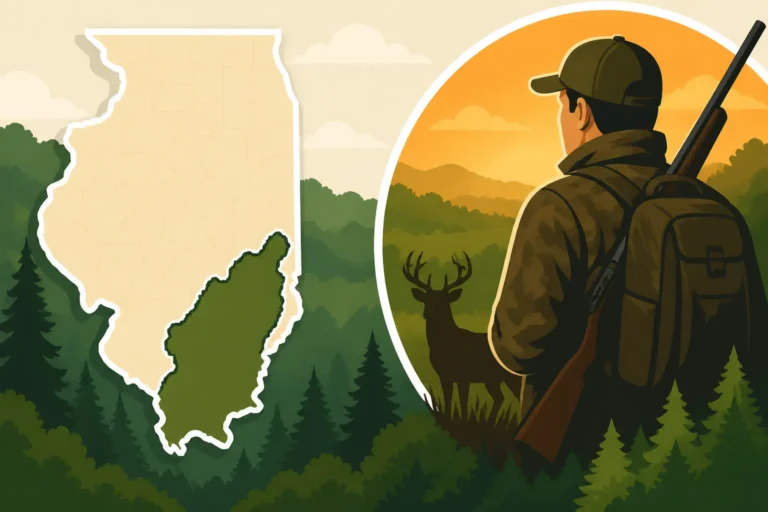
Hunting public land in Illinois can be an incredibly rewarding experience, offering access to diverse landscapes and abundant game. However, if you're looking to hunt within Boone County, you're stepping into Illinois's Chronic Wasting Disease (CWD) Zone, which adds a crucial layer of consideration and responsibility. This guide aims to thoroughly walk you through the specifics of public hunting in Boone County, ensuring you're well-informed about regulations, opportunities, and best practices to have a successful and ethical hunt while managing the realities of CWD.
Understanding the CWD Landscape in Boone County
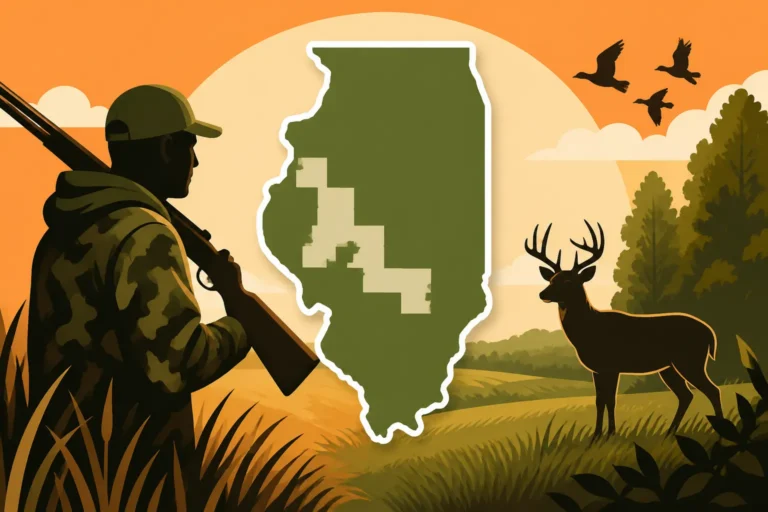
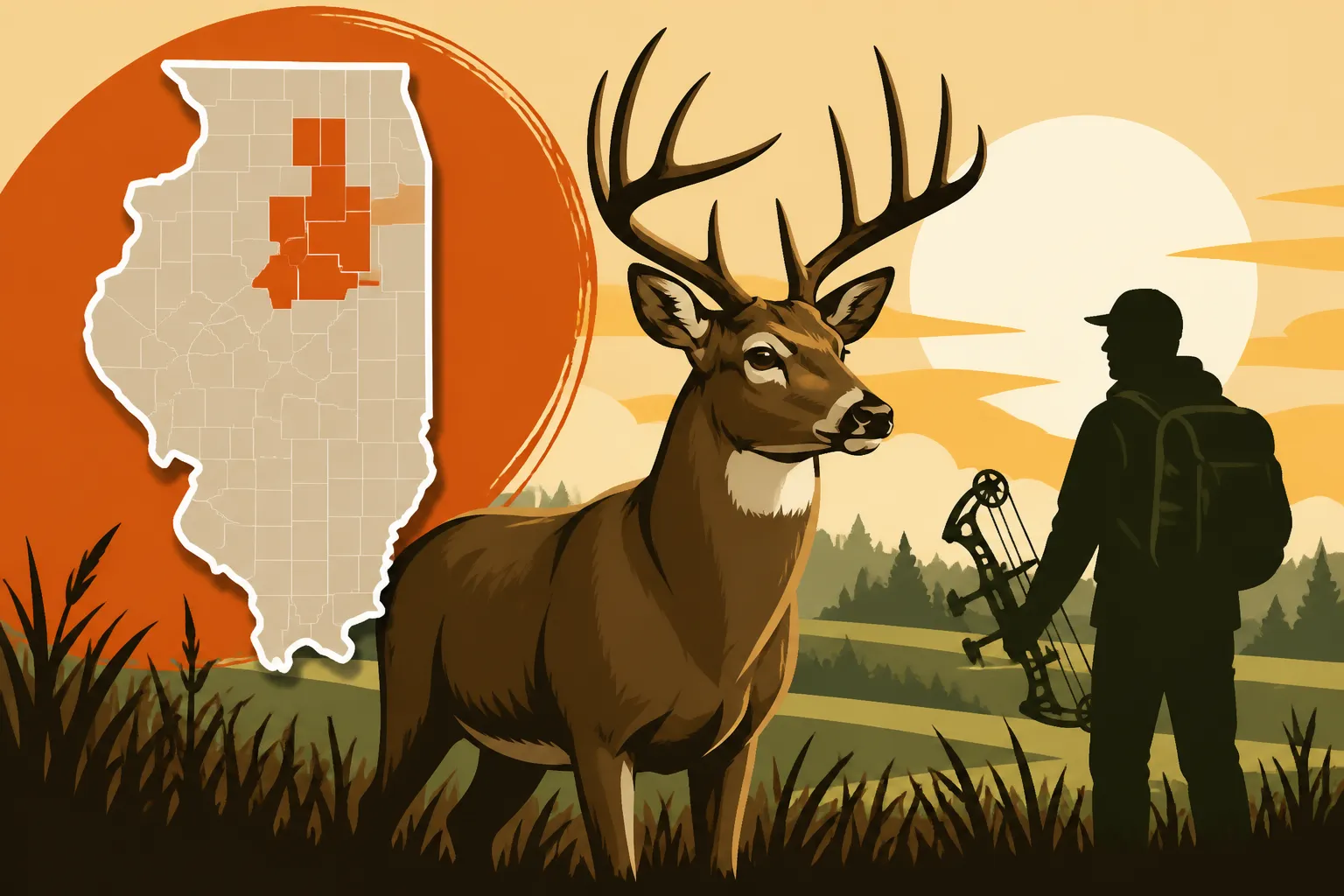
Boone County holds a significant place in the history of Chronic Wasting Disease in Illinois. It was, unfortunately, where the first CWD positive deer was discovered in the state back in 2002, making it ground zero for the Illinois's Chronic Wasting Disease Zone. This isn't just a label; it means the Illinois Department of Natural Resources (IDNR) has a very specific management strategy for this region, and hunters play a critical role in its effectiveness. Understanding CWD isn't about fear-mongering; it's about being a responsible steward of the wildlife resource and knowing what extra steps are required of you.
Chronic Wasting Disease is a neurological disease affecting deer, elk, and moose, and it's always fatal. It's caused by infectious proteins called prions that slowly degrade the animal's brain. While there's no evidence CWD can spread to humans, it's vital to handle harvested animals with care and participate in testing efforts. The disease is highly persistent in the environment, meaning prions can remain in the soil for years. Because Boone County has been dealing with CWD for over two decades, hunters here often face slightly different rules and a heightened awareness compared to other parts of the state. Knowing Why Boone County Became Ground Zero for CWD helps underscore the importance of your role in managing its spread. The long-term presence of CWD influences everything from deer behavior to population density, and ultimately, your hunting strategy.
The presence of CWD also means that deer populations in affected areas might have different age structures or overall health compared to non-CWD areas. While the IDNR has actively managed the herd, the disease can still impact local deer numbers and movements. This context is essential for any hunter planning to pursue whitetails on public ground within Boone County. It means you're not just hunting for sport or meat; you're also part of a larger wildlife management effort.
Navigating Public Hunting Opportunities in Boone County
While Boone County is primarily agricultural with a significant portion of private land, there are still public hunting opportunities if you know where to look and how to access them. These areas, though perhaps smaller than the sprawling expanses of Shawnee National Forest Hunting in Southern Illinois, offer unique experiences. The key is thorough research and utilizing modern mapping tools to identify accessible parcels.
One of your best resources will be the official Using the Illinois DNR Map Tool, which can show state-managed sites and other properties open to public hunting. You'll often find opportunities within Illinois State Fish and Wildlife Areas, or perhaps smaller tracts managed by local conservation districts. These might be wetland areas, small timber blocks, or river bottom properties that provide cover and forage for deer. It's crucial to understand that even within Boone County, public lands can vary greatly in size, habitat type, and the amount of hunting pressure they receive. Some might be walk-in only, others might have designated parking areas.
When planning your hunt, digital mapping platforms like onX Hunt or GoHunt become indispensable. These tools allow you to overlay property boundaries with satellite imagery, showing you exactly where public land begins and ends. You can identify potential access points, pinpoint hidden pockets of cover, and scout terrain features like creek beds, timber lines, and field edges—all from the comfort of your home. onX Layers for Illinois Land Status can be particularly useful for quickly identifying parcels open to public access, helping you avoid accidental trespass onto private property. Don't underestimate the power of these apps; they can literally make or break your hunt by revealing ground others overlook.
Here's a look at potential public land characteristics you might encounter in Boone County:
| Public Land Type | Typical Size | Habitat Description | Hunting Pressure | CWD Considerations |
|---|---|---|---|---|
| State Fish & Wildlife Area | Moderate | Timber, brush, limited wetlands, agricultural edges | Moderate to High | CWD testing often mandatory; check specific site rules |
| County Forest Preserve | Small to Med. | Wooded tracts, riparian corridors, urban interface | Highly Variable | May have archery-only or restricted seasons; CWD rules apply |
| Conservation District Land | Small | Isolated timber, small water bodies, old fields | Low to Moderate | Adhere to state CWD regulations and local guidelines |
| River/Creek Access Points | Linear | Riparian timber, dense cover along waterways | Low to Moderate | Good for scouting travel corridors; CWD testing still key |
Remember, public land hunting in areas like Boone County often means dealing with hunting pressure. Finding ground that others walk past, or areas with more challenging access, can significantly increase your chances of encountering deer.
Essential CWD Regulations and Responsible Hunting Practices
Hunting in a CWD zone like Boone County comes with specific rules and recommendations designed to monitor and mitigate the spread of the disease. It's not just about compliance; it's about being a proactive part of the solution. These regulations are subject to change, so always double-check the latest IDNR guidance before heading afield.
One of the most critical aspects is CWD testing. In specific CWD counties, Mandatory Testing Inside an Illinois CWD County may be in effect for harvested deer, especially during firearm seasons. Even if it's not mandatory for your specific harvest or season, voluntary testing is highly encouraged. The IDNR provides CWD sampling locations, often at check stations or participating taxidermists and meat processors. Submitting your deer for testing helps biologists track the disease's prevalence and distribution, which is vital for effective management. You'll typically receive results within a few weeks, giving you peace of mind before processing your venison. For details on how and where to get your deer tested, refer to Illinois CWD Testing for Hunters.
Another significant regulation revolves around carcass movement. To prevent the physical spread of prions, there are strict rules about moving deer carcasses out of a CWD county. Generally, you can only transport certain parts of a harvested deer—deboned meat, antlers (attached to a clean skull plate or skull cap), hides, or finished taxidermy products—out of the CWD zone. Whole carcasses, spinal columns, and brain material are typically prohibited from leaving the county unless headed directly to an approved meat processor or taxidermist within a CWD zone, or directly to an IDNR sampling station. Ignoring these rules can have serious consequences and, more importantly, actively contributes to the disease's spread. Always review Illinois Carcass Movement Restrictions before you plan to transport any part of your harvest.
Beyond the formal regulations, responsible hunting in a CWD zone also means adopting certain best practices. This includes proper field dressing techniques to minimize contact with brain and spinal tissue, even though the prions are highly resilient. If possible, field dress your deer where it was harvested to leave any potentially infected material in the CWD zone. Wear gloves, and thoroughly clean your tools. If your deer tests positive for CWD, it is generally recommended not to consume the meat. This decision ultimately rests with the hunter, but it's a critical consideration for health and safety.
Strategies for Successful and Ethical Hunting in Boone County's CWD Zone
Hunting in Boone County, with its unique CWD considerations and often fragmented public land, requires a thoughtful approach. Success here isn't just about bagging a deer; it's about doing so responsibly and effectively within the CWD framework.
Pre-Season Scouting and Digital Reconnaissance
Effective scouting is your biggest asset, especially on public land. Since CWD can influence deer patterns, understanding local movements becomes even more critical. Start your scouting long before the season opens. Use digital tools like onX Hunt to identify potential bedding areas, travel corridors, and pinch points. Look for areas where different habitat types converge—a small woodlot meeting an agricultural field, or a dense thicket bordering a creek. These are often high-traffic zones for deer. Pay close attention to features that might concentrate deer movement, such as fencelines, small draws, or small patches of undisturbed timber that offer security cover.
Physical scouting confirms what you see on the map. Walk the land, look for fresh tracks, rub lines, and scrapes. In Boone County, agricultural fields are everywhere, so deer often transition between dense cover and feeding areas. Understanding these routes is paramount. Don't be afraid to walk a little further than others. Sometimes, the best spots are just beyond where most hunters stop. Scouting Illinois Public Land Before Season provides excellent general guidance that applies here, but always overlay it with the CWD context for Boone County.
Adapting to Hunting Pressure
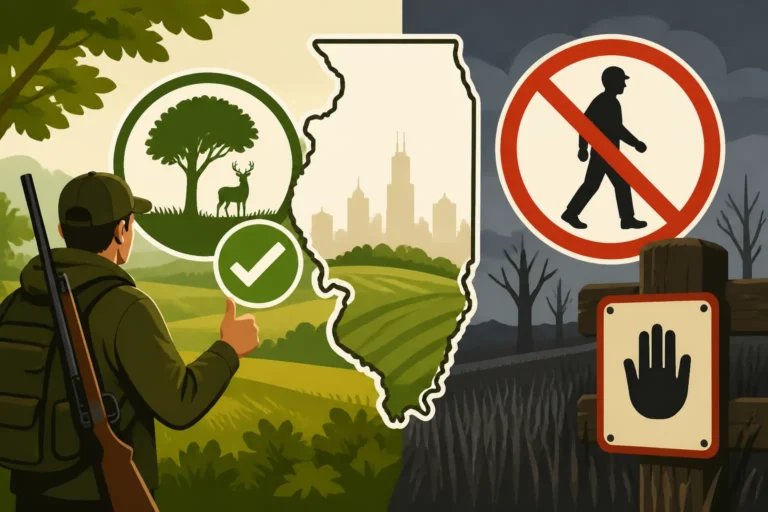
Public land, especially smaller parcels in populated areas, can experience significant hunting pressure. Deer quickly learn to avoid high-traffic areas. To increase your odds, consider hunting during weekdays, avoiding opening weekends if possible, or focusing on areas that are harder to access. This might mean a longer walk, or finding obscure parking areas. When you're using GoHunt or onX Hunt, look for those small, isolated blocks of public land that might be overlooked because they don't immediately jump out on a general map. These overlooked spots are often where Finding Ground That Sees Fewer Hunters comes into play.
Your stand or blind placement should account for prevailing winds and potential human intrusion. Consider setting up away from main trails and deep within cover. Early mornings and late evenings are often the most productive times, as deer feel safer moving under the cloak of darkness or low light. Understanding Illinois Deer Season Structure Explained will also help you plan when hunter pressure might be at its peak and when it might drop off.
Ethical Considerations and Community Impact
Hunting in a CWD zone means your actions have a broader impact on the entire hunting community and the future of deer management in Illinois. Beyond just following the law, consider being an advocate for responsible CWD management. Encourage fellow hunters to get their deer tested and to understand the carcass movement restrictions. Properly disposing of carcass waste in approved landfills or by leaving it at the harvest site contributes to preventing further spread.
By being informed, prepared, and responsible, you can continue to enjoy the tradition of deer hunting in Boone County. Your efforts, combined with those of the IDNR, are crucial to managing Chronic Wasting Disease and ensuring healthy deer populations for generations to come.
Disclaimer
This article is for general informational purposes only and does not constitute professional advice. Laws, prices and regulations vary by location and change over time. Consult a qualified professional for guidance on your specific situation.