Hunting Deer After a Cold Front
There’s nothing quite as frustrating as seeing deer activity plummet right before a major weather shift, leaving you wondering where all the animals went. Many hunters assume a severe cold front means the woods will be barren, and they might even pack it in. But here in Illinois, understanding how deer react to these significant changes in temperature and atmospheric pressure can actually unlock some of the best hunting opportunities of the season, if you know what to look for and how to adapt.
Understanding Deer Behavior Post-Cold Front
Deer, like most wildlife, are incredibly attuned to changes in their environment, and a cold front is one of the most significant natural triggers for movement. It’s not just about the temperature drop; it’s a cascade of factors that influence their metabolic needs, social interactions, and daily routines. When that barometer starts to climb and the temperatures fall after a period of mild weather, it’s a game changer.
The Immediate Impact of a Front
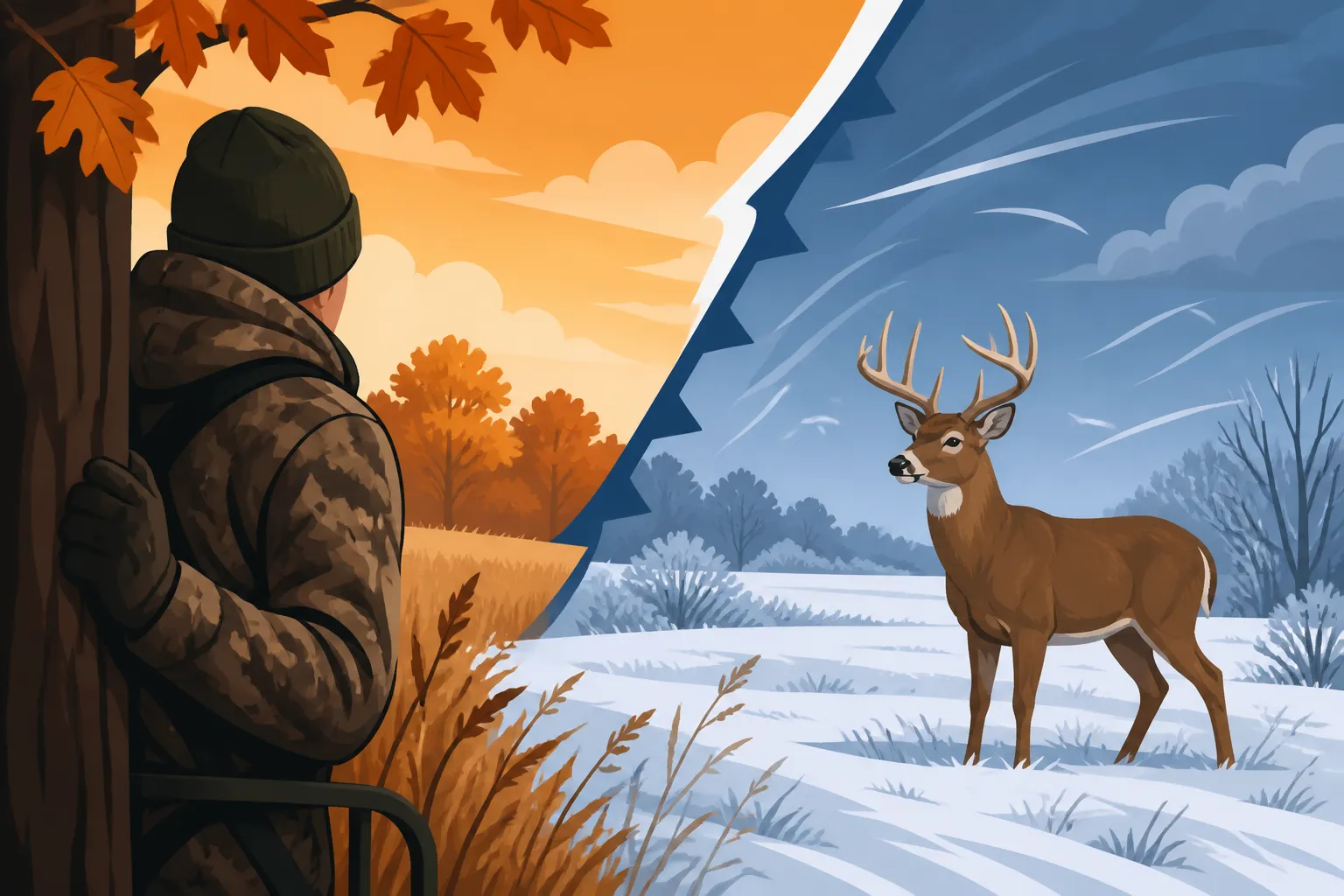
Just before a cold front hits, you might notice a frantic burst of activity. Deer, sensing the impending change, often feed heavily and move more during daylight hours. This is their biological impulse to stock up on energy before adverse conditions arrive. However, during the actual passage of the front, especially if it brings heavy rain, strong winds, or snow, deer tend to hunker down. They'll seek out thick cover, often bedding down to conserve energy and avoid the worst of the weather. This period of inactivity can be disheartening if you’re out in the woods, but it's crucial to understand that this lull is temporary, and it sets the stage for what’s to come. Think of it as a brief pause before the grand performance.
Once the front has truly passed and the skies clear, often accompanied by crisp, still air, the deer are ready to make up for lost time. The atmospheric pressure rises, and this is a well-documented trigger for increased deer movement. It’s a physiological response, much like how we might feel more energetic on a bright, clear day after a stormy one. Their internal clocks tell them it’s time to move, feed, and socialize again. Ignoring this post-front phenomenon means missing out on prime hunting conditions. This is where smart hunters really shine, capitalizing on the deer's natural rhythms rather than fighting against them.
Increased Movement for Foraging
After a cold front pushes through Illinois, deer will often be ravenously hungry. They've likely spent the preceding hours or even a day bedded down, conserving energy and not feeding much. This pent-up hunger drives them directly to the most calorie-rich food sources available. This isn't just a leisurely browse; it's a mission to refuel. For hunters, this means shifting focus from bedding areas or travel corridors that might have been productive before the front, directly to primary food sources.
In central Illinois, this could mean standing soybean fields or fields of unharvested corn, both excellent high-energy options that deer will hammer after a front. Don't forget about winter food plots too, especially those planted with brassicas or cereal grains like winter wheat. Even natural food sources like lingering acorns in oak flats, particularly white oaks, will see increased attention. Deer will push hard to these areas, often earlier in the afternoon and later in the morning than usual, making the mid-day a surprisingly productive time. Understanding these late-season food sources for Illinois whitetails is paramount to success.
Seeking Thermal Cover
While food is a primary driver, deer also need to stay warm, especially when temperatures plummet significantly after a front. Thermal cover becomes critical for bedding and loafing areas. This usually means thick evergreens like cedars, dense brush, or south-facing slopes that catch more sunlight throughout the day. These areas act like natural insulators, protecting deer from bitter winds and helping them retain body heat.
You might find deer moving from their usual bedding spots in thinner timber to these denser thermal havens. When scouting, especially if you're using tools like GoHunt's mapping features, look for areas with dense conifers or thick, gnarly brush on aerial photos. Consider how wind direction impacts these areas; a south-facing slope with a thick stand of cedars might be ideal if the wind is blowing from the north or west. Understanding where Shawnee National Forest bucks bed can offer insights into the types of thermal cover deer seek out in more rugged terrain, even if you’re hunting elsewhere in the state. They’re looking for warmth and protection from the elements, and smart hunters will position themselves accordingly.
Tactics for Hunting the Post-Front Window
Hunting after a cold front requires a shift in strategy. What worked during mild weather might not be effective when temperatures drop and deer patterns change. The key is to be flexible and anticipate their needs for food and warmth. This is when patience and strategic placement really pay off, transforming a potentially tough hunt into a memorable one.
Focusing on Food Sources
As mentioned, deer will beeline for food after a cold front. Your stand placement needs to reflect this urgency. Instead of peripheral trails, focus on direct access points to the most appealing food sources. This means setting up on the edge of a standing soybean field, positioning yourself along entry routes through standing corn, or finding a funnel leading straight to an oak flat. The deer won't be dilly-dallying; they'll be moving purposefully to fill their bellies.
Consider the time of day carefully. While dawn and dusk are always prime, after a major cold front, deer might be active in the middle of the day, particularly if the morning was extremely cold and they only started moving once the sun warmed things up a bit. This extended feeding window can be a huge advantage. Don't be afraid to sit a little longer than usual, especially on clear, cold afternoons when the deer are feeling the urge to get up and feed. Scouting the area thoroughly for fresh tracks and droppings directly in the food source can confirm current activity.
Utilizing Rutting Behavior (if applicable to time of year)
If the cold front happens to coincide with the Illinois rut in early November, you’re in for a double whammy of activity. The increased deer movement triggered by the cold front will amplify the existing rutting behavior. Bucks, already on the prowl for does, will become even more active, covering more ground in search of receptive females. Does, needing to feed, will draw bucks to food sources, creating exciting opportunities.
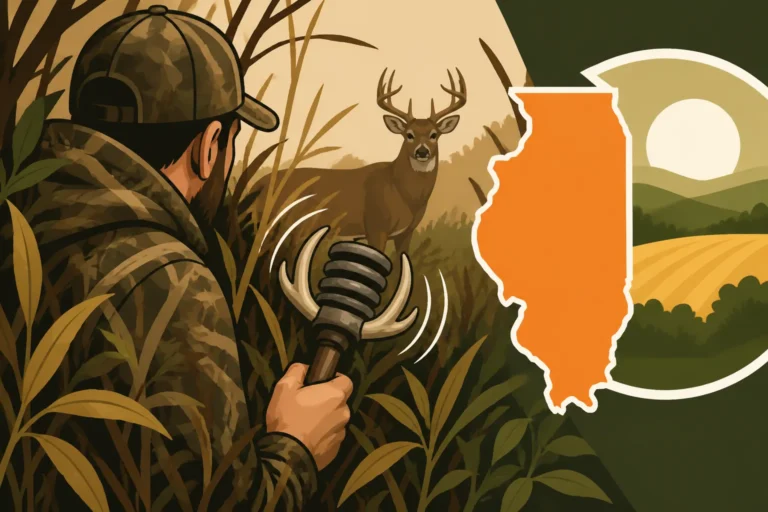
During this period, rattling and grunting in Illinois can be particularly effective. The cold, crisp air carries sound further, and aggressive calling can pique the interest of cruising bucks that are already on their feet. Setting up near major travel corridors that connect food, water, and bedding areas will increase your chances. Bucks will be covering these routes frequently, especially if does are moving through them to access post-front food. This combination of meteorological trigger and biological imperative can make for some of the most exciting hunting experiences of the year.
Adapting Your Stand Locations
After a cold front, the general rule of thumb is to shift your focus from strictly bedding areas to the routes leading to and from primary food sources, and eventually the food sources themselves. Deer might still be bedded tightly in thermal cover during the coldest parts of the morning, only emerging later. Therefore, positioning yourself on a travel corridor between a known bedding area and a preferred food source can intercept deer moving to feed.
For public land hunters, this might mean moving off heavily pressured trails to more secluded pinch points or hunting Illinois river bottom funnels that connect larger timber blocks to agricultural fields. If you’re hunting a standing soybean field, consider how deer are entering it – are they coming from a specific woodlot, or using a fencerow as cover? Understanding these micro-movements is key. Sometimes, a subtle change in wind direction post-front will force deer to use a different approach route to a food source, so be ready to adjust your setup or even use a ground blind on Illinois public land if the wind shifts unexpectedly and your tree stand is compromised.
Gear and Preparation for Cold Front Success
Hunting in the aftermath of a cold front, especially in Illinois where temperatures can plunge, demands proper gear and preparation. Being uncomfortable in the stand not only makes the hunt miserable but can also compromise your ability to sit still and focus, ultimately impacting your success.
Layering for Comfort and Scent Control
The key to staying warm and comfortable in a cold front situation is effective layering. Start with a good moisture-wicking base layer to draw sweat away from your body. This is crucial because getting clammy from exertion during your walk in, and then sitting still, will quickly lead to being cold. Next, add insulating mid-layers like fleece or down vests, chosen based on the expected temperature. Your outer layer should be windproof and waterproof, offering maximum protection from the elements. Look for options with insulation specifically designed for cold-weather sitting strategy in Illinois. Brands like Sitka or First Lite offer excellent systems that manage moisture and provide warmth without excessive bulk.
Beyond warmth, scent control becomes even more critical in colder, drier air. The crisp air can carry scent further, making deer more likely to detect you. Use scent-eliminating sprays on your clothes, store them in airtight containers, and dress as close to your hunting location as possible. Don't forget a warm hat, gloves, and quality insulated boots. Frostbitten fingers or toes will end your hunt prematurely, so invest in good cold-weather accessories.
Essential Scouting Tools
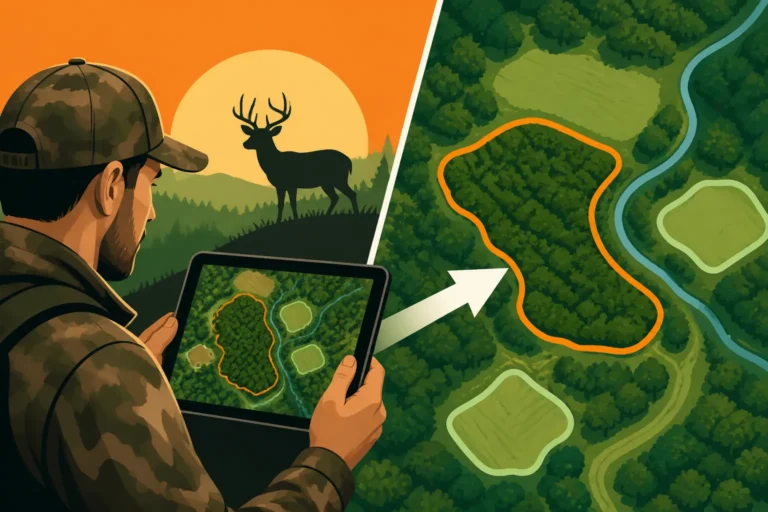
Modern scouting tools are invaluable for capitalizing on post-cold front conditions. Satellite imagery, especially with layers from platforms like GoHunt, can help you identify dense thermal cover, primary food sources, and natural funnels, even if you’re scouting Illinois public land before season. You can spot the subtle changes in vegetation that indicate deer travel routes or pinpoint those south-facing slopes. Learning how to read aerial photos for Southern Illinois deer can give you a significant advantage, helping you identify key features quickly.
Additionally, a reliable weather app that provides detailed barometric pressure readings is crucial. Watching the barometer rise after a front can give you a strong indication of when deer movement will pick up. Trail cameras, strategically placed on major travel corridors or near prime food sources, can also confirm recent deer activity and help you fine-tune your stand placement based on real-time observations of how deer are reacting to the cold. Remember, scouting is not just a pre-season activity; it’s an ongoing process that adapts to conditions like cold fronts.
Regional Considerations and Public Land Strategies
Illinois is a diverse state, from the rugged Shawnee Hills in the south to the flat, agricultural plains of central Illinois, and each region presents unique challenges and opportunities for hunting deer after a cold front. Public land hunting also requires specific adaptations.
Hunting Southern Illinois Hills
In the rolling hills and timber of Southern Illinois, deer often seek thermal cover on south-facing slopes and in dense cedar thickets when a cold front rolls through. These areas offer both protection from the wind and more direct sunlight. After the front, deer will move off these slopes to access acorns, green browse, or nearby food plots within the timber. Hunting Shawnee Hills ridgelines or reading a ridge for Shawnee Forest deer becomes incredibly important, as deer will often utilize saddles and points as travel routes between bedding and feeding areas.
Focus on those transition zones – the edges of thickets, saddles between ridges, and creek bottoms that connect different habitat types. Deer will use these natural highways as they move from their thermal refuges to their feeding grounds. The elevation changes in Southern Illinois also mean thermals play a significant role. In the morning, cold air sinks, so deer might be lower. As the day warms, the thermals rise, and deer might move higher. Always consider wind and thermals on a Southern Illinois ridge to avoid being detected.
Navigating Central Illinois Farmland
Central Illinois is largely characterized by vast agricultural fields and smaller woodlots. After a cold front, deer here will aggressively hit standing crops like corn and soybeans, or winter food plots. The challenge is often finding the limited cover they use for bedding. Deer will often bed in thick CRP fields, overgrown fencerows, small woodlots, or even pockets of unharvested crops. Setting up on a central Illinois field edge where a woodlot meets a food source can be extremely productive.
Entry and exit routes are paramount in this open country. Deer will often use creek bottoms, drainage ditches, or fencerows to travel unobserved. Identifying these subtle topographical features on your mapping app can reveal key pinch points. Hunting a funnel between two woodlots that lead to a major food source can concentrate deer movement and give you a better chance. Keep in mind that pressure can be high on these smaller parcels, so finding ground others walk past might involve a bit more legwork or creative stand placement.
Public Land Adaptations
Hunting public land after a cold front means not only adapting to deer behavior but also to potential human pressure. Many hunters will be out, especially if the front creates ideal conditions. To find success, you'll often need to venture deeper into public parcels or target less obvious areas. While everyone might be heading to the clear-cut food plots, consider looking for overlooked pockets of natural food or thick thermal cover that are harder to reach.
Using tools like onX layers for Illinois land status can help you identify these less-pressured zones. Consider also that deer on public land are highly sensitive to pressure. They might move even more cautiously or shift their daylight activity to less accessible areas. For instance, if you're targeting a field edge, consider getting further back into the timber on the downwind side, catching deer as they approach the field, rather than right on the edge where they might feel exposed. This is often where a cold-weather sitting strategy in Illinois can pay off—the longer and more patiently you sit in a less accessible area, the greater your chances.
| Behavior Aspect | Before Cold Front (Mild/Warm) | During Cold Front (Stormy/Windy) | After Cold Front (Clear/Cold) |
|---|---|---|---|
| Feeding Activity | Steady, often nocturnal or crepuscular | Minimal, deer hunker down | High, urgent, often extended daylight |
| Movement | Moderate, predictable patterns | Very low, seeking shelter | High, focused on food/rut |
| Bedding Location | Varied, based on security/wind | Dense cover, thermal protection | Dense thermal cover, then moving to feed |
| Rutting Behavior | Normal, if in season | Suppressed by weather | Intensified (if in season), high activity |
| Hunter Opportunity | Good, but requires patience | Challenging, often unproductive | Excellent, prime window for success |
Maximizing Your Post-Front Chances
The period immediately following a cold front is often considered one of the most exciting times to be in the Illinois woods. It’s a convergence of factors that can lead to increased deer movement and, consequently, increased opportunity for hunters. But it’s not enough to just show up; you need to have a clear strategy, be prepared for the elements, and understand how deer will react.
Be Patient, But Persistent
While the post-front window offers prime opportunities, it’s not a guarantee of instant success. Sometimes, deer might take a few hours or even half a day to shake off the effects of the weather. Your persistence is key. If the morning is slow, don't give up. The afternoon hunt, especially on a crisp, clear day, can be incredibly productive as deer make their move to food sources. Be prepared to sit for extended periods, embrace the cold, and remain vigilant.
This also means being persistent in your scouting and adjustments. If your initial stand isn't producing, and you’re seeing sign elsewhere, be willing to move. Sometimes, finding ground others walk past means adapting your plan on the fly. The deer are telling you where they are; you just need to be willing to listen and adjust your approach.
Mind Your Approach and Exit
With increased deer movement and colder, drier air carrying scent more effectively, your approach and exit routes become even more critical. Plan your walk in to be as quiet and scent-free as possible. Avoid walking through bedding areas or known travel corridors, especially in the dark. Utilize topographical features like creek beds, ditches, or dense fencerows for concealment.
When you exit, do so carefully, trying not to spook any deer that might be moving late or have just arrived. If you bump deer, you risk educating them for future hunts. Using a quiet electric vehicle or even a bicycle for part of your commute to the stand can minimize noise and scent disturbance, especially on larger public land parcels.
Hunt the Entire Day When Possible
While dawn and dusk are always important, after a cold front, deer activity can stretch throughout the day. If you have the time and the ability to stay warm, consider hunting all day. Deer that hunkered down during the front will be trying to make up for lost feeding opportunities, and they might do so during midday hours when they feel less pressure.
This is especially true during the rut, as bucks will be cruising constantly, and does will be moving between bedding and feeding areas. A cold-weather sitting strategy in Illinois includes bringing enough snacks, water, and warm layers to stay comfortable and focused for a full day in the stand. You never know when that trophy buck will finally decide to move.
Disclaimer
Hunting is an inherently dangerous activity. Always prioritize safety, follow all local, state, and federal regulations, and practice ethical hunting principles. The information provided in this guide is for informational purposes only and should not replace proper training, experience, or professional guidance. Be sure to obtain all necessary licenses and permits from the Illinois Department of Natural Resources (IDNR) before heading into the field.