How Much Blaze Orange Illinois Requires
Trying to navigate the seemingly simple rules of blaze orange for hunting in Illinois can feel like deciphering an ancient scroll, especially when you're just trying to enjoy the outdoors safely. The last thing any hunter wants is a ticket or, worse, an accident because of confusion over what's required. This comprehensive guide will clear up all the nuances of Illinois's blaze orange regulations, ensuring you're compliant and safe in the field.
Understanding Illinois's Blaze Orange Laws
Illinois is quite specific about when and how hunters must wear blaze orange, and for good reason. These laws are designed to enhance safety for everyone afield, whether you're deer hunting or enjoying other pursuits. It's not just a suggestion; it's a legal requirement during certain seasons, and knowing the specifics is crucial.
Why Blaze Orange is Essential for Hunter Safety
Let's face it, hunting can be dangerous if proper safety protocols aren't followed. One of the biggest risks, especially during crowded firearm seasons, is accidental shooting due to misidentification. This is where blaze orange comes in. Its vibrant, unmistakable color stands out against natural landscapes, making a hunter highly visible to others, even in low light or dense cover. Research consistently shows that hunters wearing blaze orange are significantly less likely to be involved in a shooting incident where another hunter mistakes them for game. It's a non-negotiable part of responsible hunting, a silent signal to every other person in the woods that you are a human being, not a deer. Think of it as a universal sign for "Hey, I'm here, be aware!"
Beyond preventing mistaken identity, blaze orange helps in other ways too. If you get turned around or need assistance, that bright pop of color makes you much easier for search and rescue teams to spot from a distance, whether from the ground or the air. It’s a proactive measure that benefits not just you, but every hunter, hiker, and outdoor enthusiast sharing the land. It’s about creating a culture of safety where everyone looks out for one another.
Specific Requirements for Different Seasons
Illinois law clearly outlines when blaze orange is mandatory, primarily during any firearm deer season. This includes the regular Illinois First Firearm Season Dates and the Illinois Second Firearm Season Dates, as well as the Illinois Youth Deer Season Rules and the Illinois Muzzleloader-Only Season Dates. During these periods, all hunters, even those pursuing game other than deer (like squirrels or rabbits), must comply with the blaze orange requirements if they are hunting in a county where a firearm deer season is open. It’s a blanket rule for the safety of all, recognizing the increased traffic and potential for deer hunters to be active.
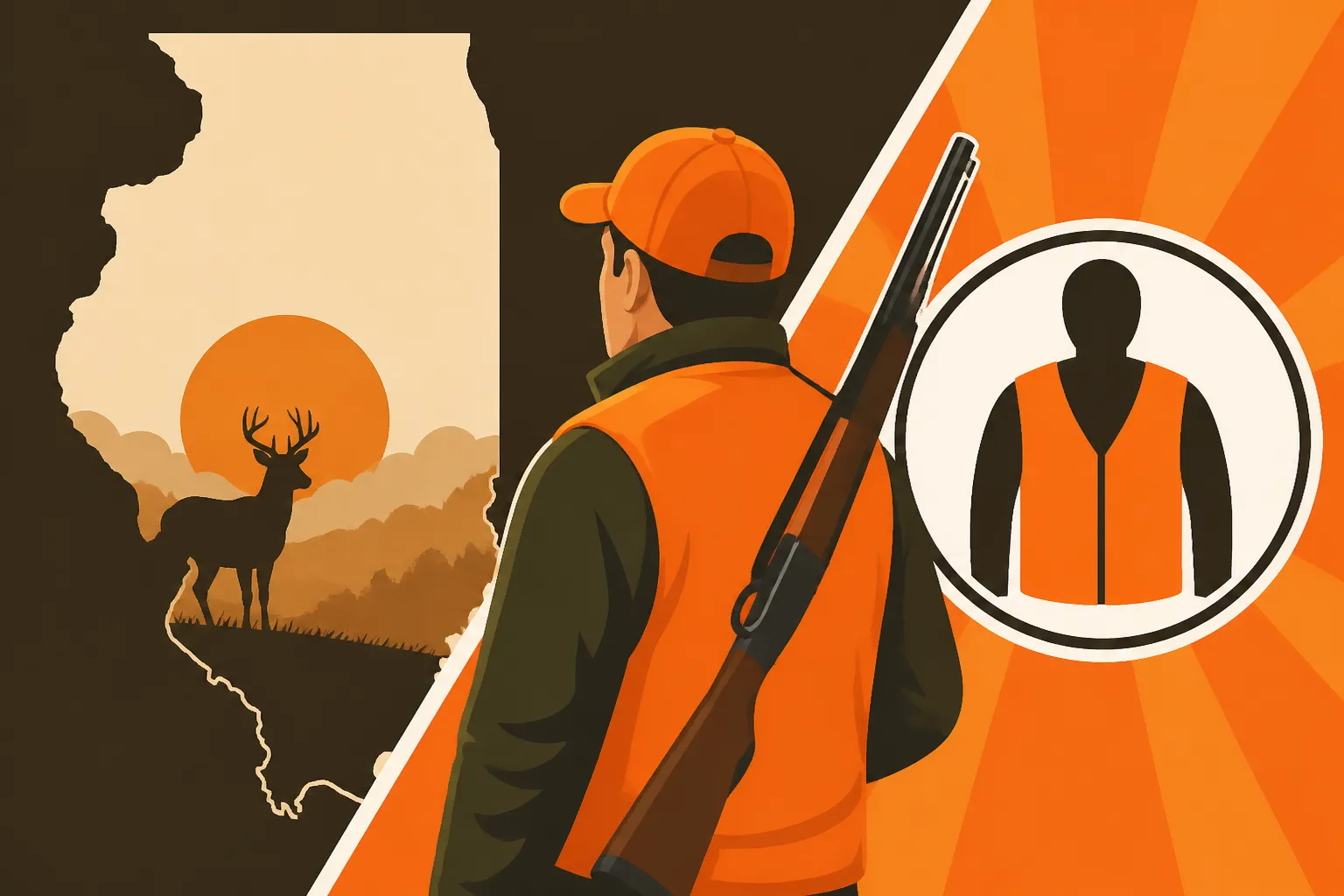
The general rule states that you must wear an outer garment of solid blaze orange that consists of a minimum of 400 square inches on the upper portion of the body. This includes a head covering, like a blaze orange hat. The tricky part is ensuring that the orange is visible from all directions. This means not covering it up with a backpack or your game bag. For instance, if you're wearing a vest, make sure it's not tucked in or obscured by your coat. The aim is maximum visibility. There are specific exemptions, of course, such as those hunting waterfowl from a blind or those hunting furbearers at night, but for most daytime hunting during deer firearm seasons, blaze orange is a must. Knowing the full Illinois Deer Season Structure Explained helps clarify when these rules are active.
Measuring and Displaying Blaze Orange Correctly
Getting your blaze orange right isn't just about throwing on a vest. The law specifies a minimum of 400 square inches of solid blaze orange on the upper portion of your body, plus a blaze orange head covering. This isn't just for show; it's about making sure you're seen from every angle, whether you're walking, sitting, or kneeling. Imagine a hunter approaching you from behind, or another hunter glassing a distant hillside. If your blaze orange is partially obscured, it defeats the purpose.
A common mistake is wearing a blaze orange shirt or jacket that's then covered by a dark backpack or a non-orange outer layer. Your 400 square inches needs to be visible. This usually means a vest or a full outer jacket with a blaze orange hat. Many hunters opt for a blaze orange vest over their regular hunting jacket, ensuring the vest is large enough to cover the upper torso adequately and isn't bunched up. For headwear, a simple blaze orange cap or beanie is usually sufficient, as long as it's solid orange. Some hunters even attach blaze orange patches to their backpacks to ensure rear visibility, going above and beyond the minimum, which is always a good idea when safety is concerned. It’s about common sense meeting legal requirement to ensure you stand out like a beacon in the woods.
Beyond the Basics: Nuances and Exceptions
While the core rules for blaze orange in Illinois are straightforward, several situations often cause confusion. Understanding these nuances can keep you safe and legal, especially when seasons overlap or you're pursuing different game.
Archery Season and Blaze Orange – A Common Misconception
Here's where many hunters get tripped up. During the majority of the long Bowhunting Illinois's Long Archery Season, blaze orange is not required. Archery season opens much earlier and runs much longer than firearm seasons. Most bowhunters prefer to wear camouflage to maximize their concealment. However, this changes dramatically during the firearm deer seasons when they overlap. If you are archery hunting in a county where a firearm deer season (like shotgun, muzzleloader, or youth season) is concurrently open, you are required to wear blaze orange.
This overlap is critical to understand. For example, if you're bowhunting in early November and the first firearm season opens, even if you're only carrying a bow, you must wear your 400 square inches of blaze orange and a blaze orange hat. This rule applies to all hunters in the field during those specific firearm dates, regardless of the weapon they are using or the species they are pursuing. It's a safety measure for the entire hunting community when high-powered firearms are in use. Always double-check the current year's hunting regulations for specific dates to avoid any surprises.
Blaze Orange for Other Game Species
What about hunting small game, turkey, or waterfowl? Generally, for most small game species like squirrels and rabbits, blaze orange is not required outside of the firearm deer seasons. You can wear your favorite camo or earth tones while Squirrel and Small Game Hunting in Illinois. However, if you are pursuing small game during one of Illinois’s firearm deer seasons, as mentioned, the blaze orange rule kicks in. It's often a good practice to wear some orange, even when not legally required, just for added visibility, especially if you're hunting in areas known for deer activity or with other hunters present.
For turkey hunting, blaze orange is specifically not required. In fact, wearing bright colors while Spring Turkey Hunting in Illinois or Hunting Illinois's Fall Turkey Zones would likely spook your quarry, as turkeys have excellent eyesight. Similarly, waterfowl hunting from a blind or fixed position explicitly exempts hunters from blaze orange requirements, as the goal is concealment from migrating birds. So, while it's a critical safety tool for deer, it’s not a one-size-fits-all requirement for every hunting endeavor in Illinois.
Public vs. Private Land and Blaze Orange
This is another area that can cause unnecessary stress. Whether you're hunting on expansive tracts of Public Hunting Land in Illinois like portions of the Shawnee National Forest Hunting areas or a small woodlot you gained Getting Private Land Permission in Illinois, the blaze orange requirements remain the same. The laws are state-mandated and apply across the board, regardless of land ownership type.
There isn't a separate set of rules for private versus public land when it comes to blaze orange during firearm deer seasons. The intent is universal safety. If you're on public land, you're likely sharing space with many other hunters, and strict adherence to blaze orange rules is paramount. On private land, even if you know everyone else in your hunting party, unexpected visitors or adjacent land users could be present. Therefore, treating all hunting land the same concerning blaze orange requirements is the safest and most legally compliant approach. Always assume the rules apply, no matter where you are within the state.
| Season Type | Blaze Orange Required? | Specifics |
|---|---|---|
| Firearm Deer Season (Shotgun) | Yes | 400 sq. inches on upper body, solid blaze orange head covering. |
| Muzzleloader-Only Deer Season | Yes | 400 sq. inches on upper body, solid blaze orange head covering. |
| Youth Deer Season | Yes | 400 sq. inches on upper body, solid blaze orange head covering (applies to youth and mentors). |
| Archery Deer Season | No (unless overlap) | Not required unless firearm deer season is concurrently open in that county. |
| Small Game (e.g., Squirrel, Rabbit) | No (unless overlap) | Not required unless firearm deer season is concurrently open in that county. |
| Turkey (Spring & Fall) | No | Concealment is key; bright colors are detrimental to success. |
| Waterfowl (from blind/fixed pos.) | No | Exempt; concealment is required for successful waterfowl hunting. |
Choosing the Right Blaze Orange Gear
With the legal requirements clear, the next step is selecting the right gear. It’s not just about meeting the minimum; it’s about comfort, durability, and maximizing your visibility in the field.
Vests, Hats, and Outerwear
When it comes to blaze orange, quality matters. You want gear that not only meets the 400 square inch requirement but is also durable and comfortable enough for long days afield. Vests are a popular choice, as they can be easily layered over other hunting apparel. Look for vests with plenty of pockets for essentials like your license, calls, or even a small snack. Companies like Browning, Walls, and GoHunt often offer robust blaze orange vests and jackets that hold up to the rigors of the field. Many vests feature mesh backs for breathability, which is a huge plus during milder firearm season days.
For outerwear, a full blaze orange jacket is an excellent option, especially in colder weather. This ensures your entire upper body is visible and provides warmth without needing to layer a vest over a non-orange jacket. Remember, the color needs to be solid blaze orange. Patterns that incorporate blaze orange but also have large sections of camouflage or other colors might not meet the spirit, or even the letter, of the law if the "solid" portion falls short of the required square inches. Always check the garment's specifications. Don't forget the head covering; a simple blaze orange baseball cap or a warm beanie is perfect. Some hunters even keep a spare hat and vest in their truck or hunting bag, just in case they forget one or a friend joins them last minute.
Care and Maintenance for Longevity
Blaze orange gear works best when it's bright and clean. Over time, dirt, mud, and exposure to UV rays can dull the color, reducing its effectiveness. To keep your blaze orange vibrant, always wash it according to the manufacturer's instructions, usually in cold water with a gentle, scent-free detergent. Air drying or drying on a low heat setting will help preserve the fabric and color. Avoid harsh bleaches or strong detergents that can fade the material.
Storing your blaze orange gear properly can also extend its life. Keep it out of direct sunlight when not in use to prevent fading. If you're a scent-control fanatic, wash and store your blaze orange with your regular hunting clothes to keep it scent-free, even though it's primarily a visual safety tool. A well-maintained blaze orange vest or jacket will serve you for many seasons, continuing to provide that critical safety margin year after year.
The Role of Blaze Pink
In recent years, some states have introduced blaze pink as an alternative to blaze orange. This was largely driven by efforts to make hunting more appealing and accessible to women. Illinois is one of the states that has officially recognized blaze pink. According to Blaze Pink Options Under Illinois Law, hunters can legally wear solid blaze pink in the same manner and under the same requirements as blaze orange.
The science behind blaze pink's visibility is similar to blaze orange – it stands out brightly against natural backgrounds. For those who prefer it, blaze pink offers an equivalent safety measure. So, whether you choose blaze orange or blaze pink, the key is to ensure you meet the minimum square inch requirements and that the color is clearly visible from all directions. It's a fantastic option for expanding inclusivity in the hunting community while maintaining the highest safety standards.
Disclaimer
The information provided in this guide is for general informational purposes only and does not constitute legal advice. Hunting regulations in Illinois can change, and it is the hunter's responsibility to consult the most current Illinois Department of Natural Resources (IDNR) regulations before heading afield. Always verify specific dates, requirements, and any emergency rule changes directly with the IDNR.