Illinois Chronic Wasting Disease Special Season
It's no secret that dealing with Chronic Wasting Disease (CWD) in our deer herd has been a significant challenge for Illinois hunters and wildlife managers alike. The frustration is palpable when you see new regulations pop up, or hear about outbreaks in areas you've always hunted. It's a constant battle to understand how to help, while still pursuing the passion we love. This guide aims to demystify the Illinois Chronic Wasting Disease Special Season, breaking down what it is, why it exists, and how you, as a hunter, can navigate its requirements and contribute to the health of our deer population.
Understanding Illinois's CWD Special Season
When you hear about a "special season," it often conjures up images of exclusive hunts or complicated rules. For CWD, it’s really about a targeted effort to slow the spread of a devastating neurological disease affecting deer. This season isn't designed for trophy hunting; it's a vital part of the Illinois Department of Natural Resources (IDNR) strategy to manage a serious wildlife health crisis. It’s an acknowledgment that traditional hunting seasons alone aren't enough to tackle the unique challenges posed by CWD.
The Growing Threat of Chronic Wasting Disease
Chronic Wasting Disease is a fatal, transmissible neurological disease that affects cervids, including white-tailed deer. It's caused by abnormal proteins called prions, which slowly damage the brain and nervous system. Imagine watching an animal slowly waste away, losing coordination, becoming emaciated, and eventually dying. It’s truly heartbreaking. The disease is relentless, and once it takes hold in a population, it's incredibly difficult to eradicate. It can spread through direct contact between deer, but also indirectly through contaminated environments, as the prions can persist in soil and plants for years. Illinois has been battling CWD since its first detection in Boone County in 2002, and the fight continues to evolve. You can learn more about how CWD Spread From Boone County and how Illinois's Twenty-Three Year Fight Against CWD has impacted our state.
Why a Special Season Was Implemented
The traditional deer seasons, while effective for population control and recreational hunting, often don't provide the precision needed to address CWD hotspots. The special season was created out of necessity, offering a focused window to increase harvest pressure in specific counties where CWD prevalence is highest. The goal isn't just to reduce overall deer numbers, but to target areas where disease transmission is most likely occurring, often urban or suburban fringe areas where deer density can be high and hunter access limited during regular seasons. By extending hunting opportunities in these critical zones, the IDNR hopes to reduce the overall prevalence and slow the geographical spread of the disease. It’s a proactive step, albeit one that requires hunters to adapt to slightly different rules and objectives.
Navigating the Rules and Requirements
Participating in the CWD Special Season means understanding a distinct set of regulations. This isn't your typical firearm season; it has specific dates, weapon restrictions, and most importantly, mandatory testing requirements designed to gather crucial data for disease monitoring. It’s a bit more involved than your regular hunt, but the effort contributes directly to the health of the entire herd.
Permit Details and Eligibility
To participate in the CWD Special Season, hunters need to obtain specific permits. These are separate from your regular archery or firearm permits. Generally, these permits are available over-the-counter and are allocated specifically for the CWD Management Zone counties. They are typically valid for antlerless deer only, which is a critical aspect of CWD management, as harvesting more does helps reduce overall population density and thus, disease transmission risk. While the specifics can change year to year, Illinois Resident Deer Permit Options and Illinois Nonresident Deer Permit Costs offer a good starting point for understanding general permit structures, but always double-check the IDNR's most current CWD season guide. Eligibility often mirrors other statewide seasons, meaning you’ll need your base hunting license and habitat stamp, along with the CWD permit itself.
Season Dates and Specific CWD Counties
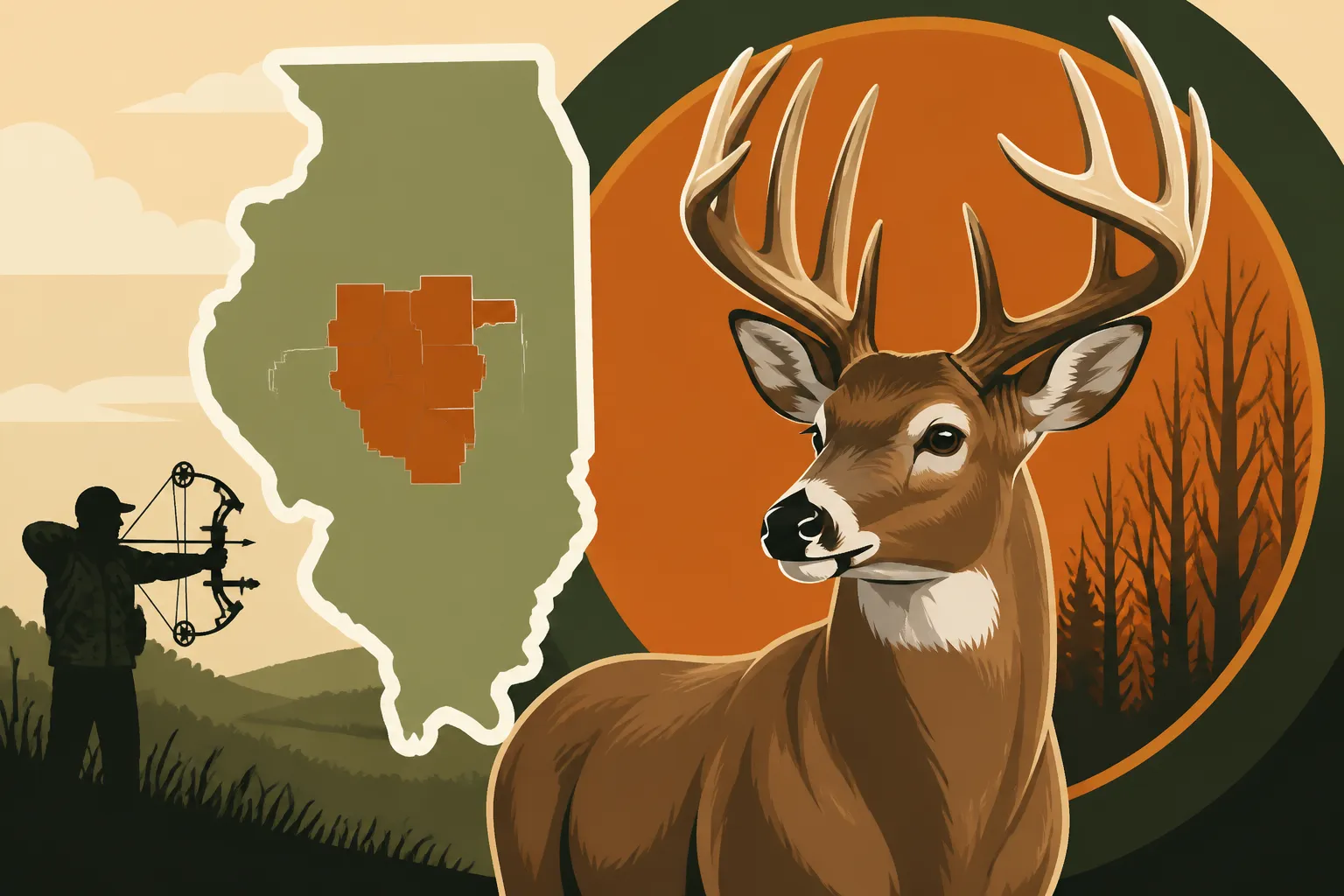
The CWD Special Season typically runs for a limited period in late winter, usually after the regular archery and firearm seasons have concluded. This timing is strategic: it allows hunters to focus on CWD management without interfering with other hunting activities, and it targets deer when they might be congregating more due to winter conditions, potentially making them more vulnerable to harvest. The season is only open in designated CWD counties, which are primarily in northern Illinois but have been expanding. For example, some of the most consistent CWD counties like Boone County CWD Zone Public Ground, Winnebago County CWD Zone Public Ground, and Ogle County CWD Zone Public Ground are often included. The exact list of counties, and the specific dates, are crucial and published annually by the IDNR. Always consult the official IDNR website or their hunting guide for the most up-to-date information, as these can shift based on disease monitoring results.
Legal Weapons and Reporting Your Harvest
Weapon restrictions during the CWD Special Season are usually more liberal than the regular firearm seasons, often allowing a wider range of legal firearms for deer hunting, including centerfire rifles, shotguns, and muzzleloaders, provided they meet minimum caliber requirements. This aims to maximize hunter success in population reduction efforts. However, the most critical rule, and one that absolutely cannot be overlooked, is the mandatory CWD testing. Any deer harvested during this special season must be submitted for CWD testing. This means locating an Illinois CWD Sampling Location and following the established protocols for dropping off the head. The IDNR relies heavily on this data to track disease prevalence and spread. You also still need to follow standard Illinois Deer Reporting Requirements for your harvest, usually within a specific timeframe after recovery. Failure to comply with these testing and reporting mandates can result in fines and loss of hunting privileges, so it's vital to be diligent.
Strategies and Considerations for Hunters
Hunting the CWD Special Season isn't just about bagging a deer; it's about actively participating in wildlife management. This often means adjusting your typical hunting approach, especially regarding scouting and how you handle your harvest. It requires a bit more thought and planning, but it's a direct way to contribute to the future of Illinois deer hunting.
Scouting and Locating Deer in CWD Zones
During the late winter, deer patterns can change significantly. Food sources might be depleted, and deer will often concentrate in areas with residual browse or late-standing crops. When scouting for the CWD Special Season, pay close attention to thermal cover like cedar thickets or dense brush, and any remaining food plots or crop fields. Deer in CWD zones might also be more concentrated due to the disease itself, or simply due to typical winter survival strategies. Using mapping tools like GoHunt can be incredibly helpful for identifying potential bedding areas, travel corridors, and access points on public or private land within the designated CWD counties. Look for fresh tracks in snow or mud, rub lines, and any signs of recent browsing. Since the season is focused on reducing density, success often comes from finding those concentrated pockets of deer, rather than trying to track a single, elusive buck.
Handling Your Harvest and CWD Testing Protocols
Once you've harvested a deer in a CWD zone, proper handling is paramount. First, field dress your deer as usual. However, be mindful of carcass movement restrictions, especially if you plan to transport the deer out of the CWD management zone. Illinois Carcass Movement Restrictions are in place to prevent the inadvertent spread of prions to new areas. You must take the head of your harvested deer to an official CWD sampling station. These stations are typically set up in various locations throughout the CWD management zone, often at check stations, taxidermists, or designated drop-off sites. When bringing the head in for Mandatory Testing Inside an Illinois CWD County, make sure the permit tag is securely attached. The IDNR will collect lymph node samples for testing. You'll usually be provided with a reference number to check your test results online once they become available. It's a small but critical step that helps biologists monitor the disease.
The Broader Picture: CWD Management in Illinois
The CWD Special Season is just one tool in a much larger, ongoing effort by the IDNR to manage this disease. As hunters, it's easy to get caught up in our own seasons and goals, but understanding the big picture helps us appreciate why these special regulations are in place and how our participation makes a difference. This disease isn't going away overnight, and our collective efforts are crucial for mitigating its impact.
The Role of Hunters in Disease Control
Hunters are the front-line conservationists, and our participation in seasons like the CWD Special Season is absolutely vital for disease control. By harvesting deer in designated CWD areas, especially antlerless deer, we help reduce population densities. Lower densities mean less deer-to-deer contact, which in turn means slower disease transmission. Additionally, our willingness to submit deer for CWD testing provides the IDNR with invaluable data that guides their management decisions. Without this data, biologists would be flying blind. Every deer harvested and tested contributes to a clearer understanding of Illinois CWD Prevalence Rate Trends and helps determine where and how to focus future management efforts. It’s a direct way that we, as hunters, can actively protect the future of Illinois's deer herd.
Long-Term Outlook for Illinois Deer Management
The presence of CWD has fundamentally altered deer management in Illinois. It's no longer just about population numbers or harvest quotas; it's about maintaining a healthy herd in the face of a persistent disease threat. The IDNR continues to explore various strategies, from targeted culling (though Why IDNR Suspended Targeted Culling is a complex issue) to encouraging increased antlerless harvest. The special season is a testament to the long-term commitment needed. While eradication of CWD is unlikely, slowing its spread and minimizing its impact are achievable goals. This means that hunters in Illinois should expect CWD-related regulations, special seasons, and testing requirements to be a permanent fixture in our hunting landscape for the foreseeable future. Staying informed, adapting to the rules, and continuing to hunt responsibly are the best ways we can ensure healthy deer populations for generations to come.
| Aspect | Regular Firearm Season | CWD Special Season |
|---|---|---|
| Primary Objective | Population control, recreational harvest, sport | Disease management, reducing CWD prevalence, data collection |
| Timing | Typically mid-November (First) & early December (Second) | Late winter (often December/January/February) |
| Permit Type | Lottery/Over-the-counter (county/statewide) | Over-the-counter, specific to CWD Management Zones |
| Target Deer | Any legal deer (buck/doe based on permit) | Predominantly antlerless deer |
| Geographic Scope | Statewide, excluding some specific sites | Only in designated CWD Management Zone counties |
| Weapon Restrictions | Specific shotgun/muzzleloader rules for legal weapons during Illinois Firearm Season | Often broader weapon allowances (e.g., centerfire rifles) |
| CWD Testing | Voluntary, often encouraged | Mandatory for all harvested deer |
| Carcass Movement | General rules apply | Strict Illinois Carcass Movement Restrictions apply for CWD zones |
Disclaimer
The information provided in this guide is for general informational purposes only and is subject to change. Hunting regulations, season dates, and permit requirements are determined by the Illinois Department of Natural Resources (IDNR) and can be updated annually. Hunters are responsible for consulting the official IDNR hunting regulations and proclamations for the most current and accurate information before participating in any hunting season.