Reading Illinois Public Land Boundary Signs
Illinois public land boundary signs, painted tree stripes, and official entry markers help hunters avoid trespassing violations safely.
Find ground you can hunt.
National forest, BLM, and state land — WMAs, walk-in programs, unit boundaries, access rules, and how to get permission on private ground.
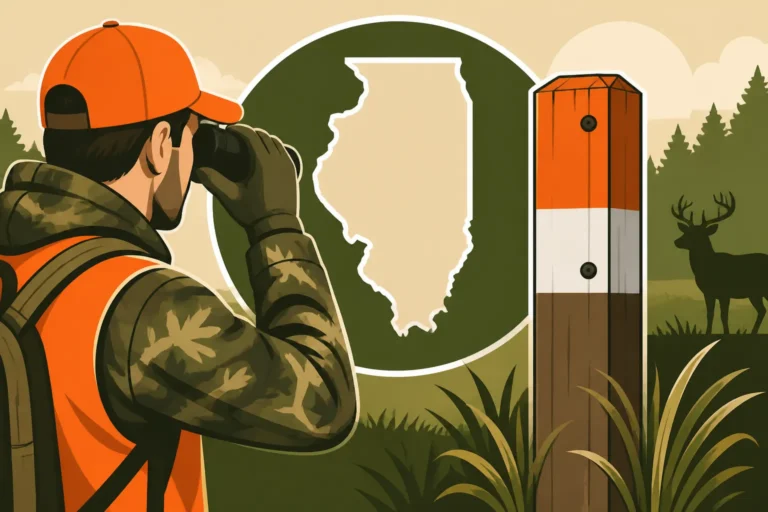
Illinois public land boundary signs, painted tree stripes, and official entry markers help hunters avoid trespassing violations safely.
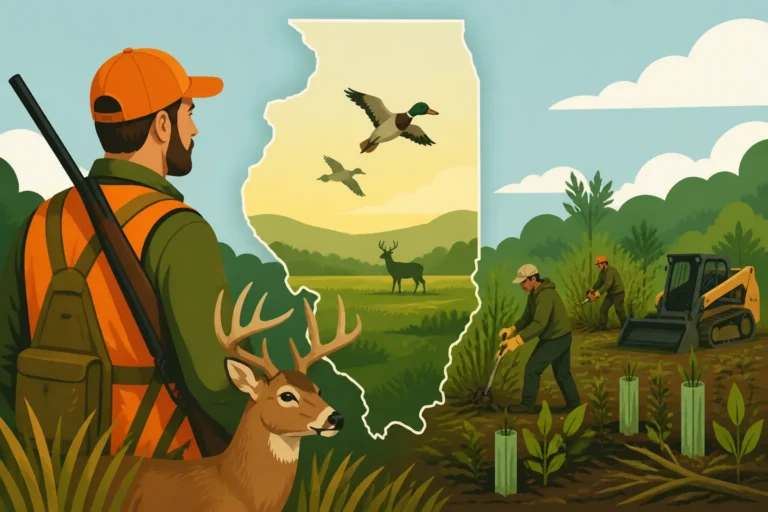
Illinois habitat management on public lands improves deer and turkey populations through active ecosystem restoration and funding.
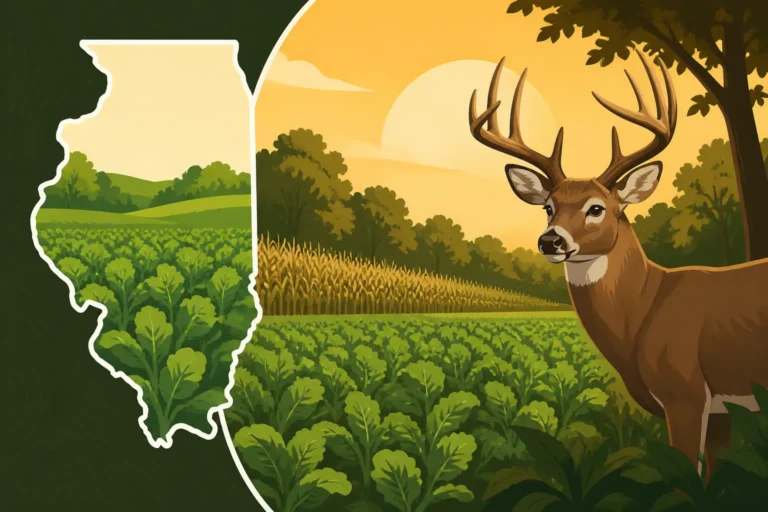
Food plots on Illinois private land attract deer, hold wildlife on forty acre tracts, and supplement natural forage during winter.
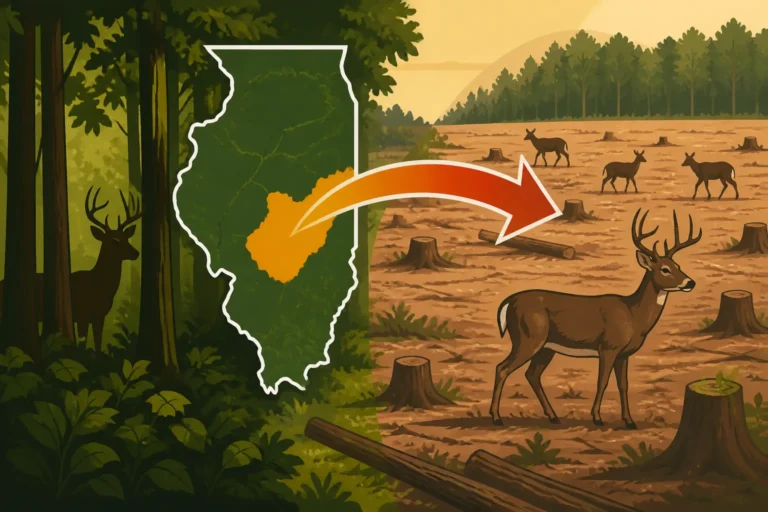
Timber cuts alter Illinois deer behavior and habitat, explaining how logging impacts movement, forage, and hunting strategies.
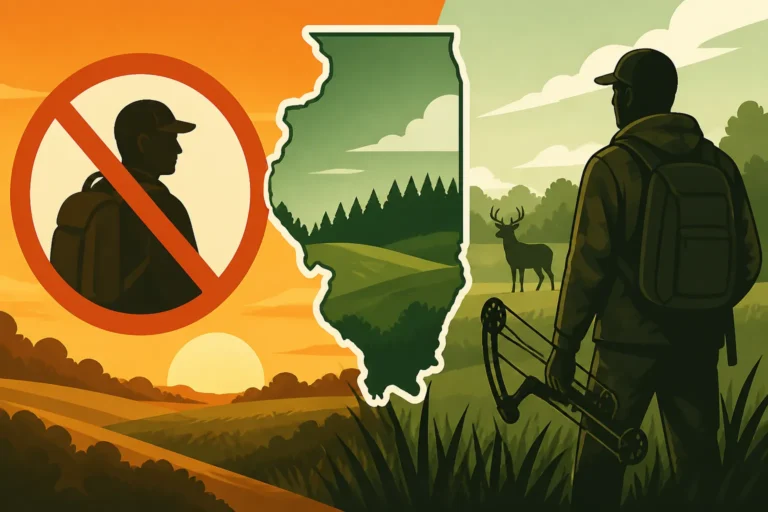
Nonresident hunting access to Illinois public land involves navigating State Fish and Wildlife Areas and the Shawnee National Forest.
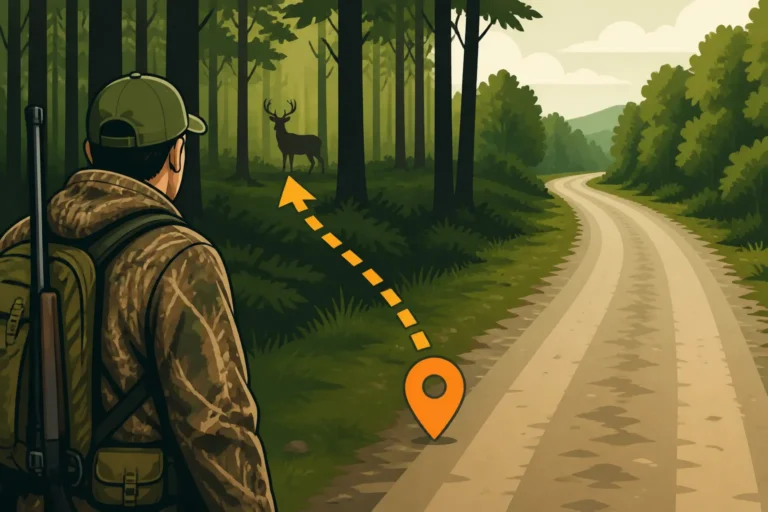
Walking distance from Illinois forest roads determines deer hunting success because mature animals avoid heavy human activity areas.
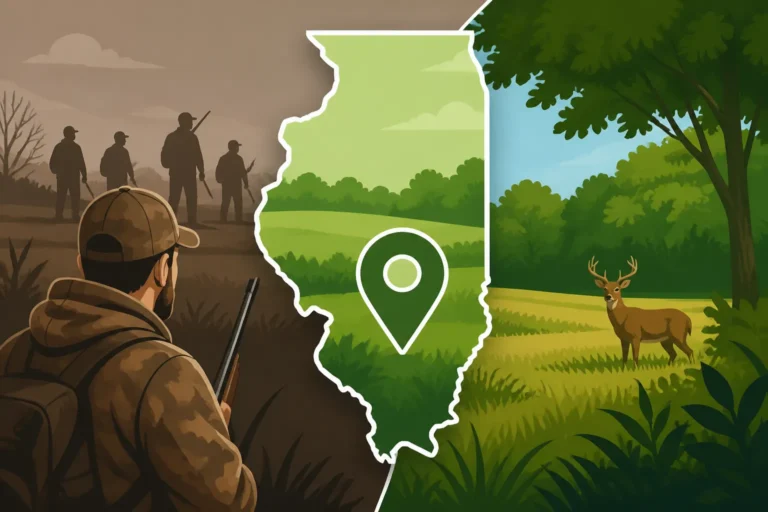
Illinois hunting pressure on public land crowds popular areas, but digital aerial maps help locate unpressured deer spots.

Illinois hunting club dues and costs cover private land leases, management projects, and tiered membership access levels.
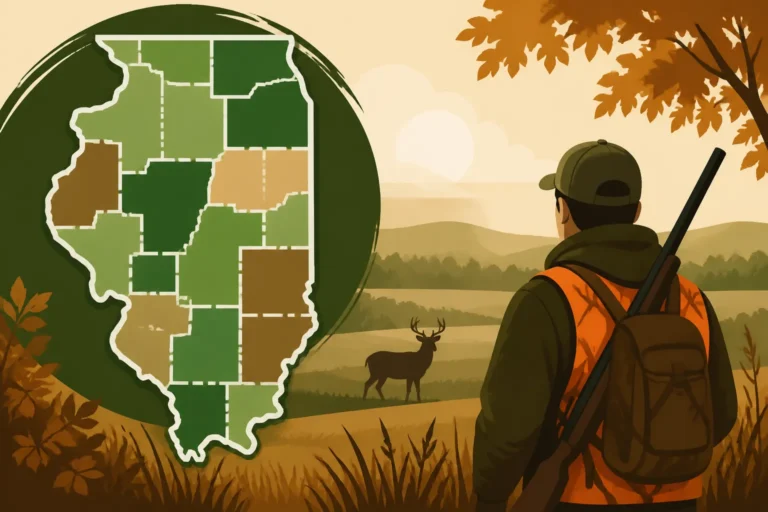
Illinois hunting club territory sizes and member density determine game management success, habitat quality, and hunting pressure.
An Illinois hunting lease grants exclusive access to private ground, avoiding public land competition during archery or firearm seasons.