Dog-Drive Hog Hunt Pricing in Illinois
The thrill of chasing wild hogs through the thickets of Illinois, especially when you're backed by a pack of skilled dogs, is an experience unlike any other. It’s a primal, action-packed hunt that many find incredibly rewarding. But let's be real, embarking on such an adventure often comes with a big question mark: "What's this going to cost me?" This guide is here to unravel the complexities of dog-drive hog hunt pricing in Illinois, helping you understand the variables so you can plan your ultimate hog hunt without any nasty surprises.
Understanding the Dynamics of a Dog-Drive Hog Hunt
Before we dive into the numbers, it's crucial to grasp what makes a dog-drive hog hunt so unique and why it might command different pricing than a typical stand hunt or still-hunt. This isn't just about walking out into the woods; it's a dynamic, often physically demanding pursuit involving specialized animals and handlers.
The Role of Hunting Dogs and Handlers
At the heart of any dog-drive hog hunt are the dogs themselves. These aren't just pets; they are highly trained athletes, often specialized in either baying (holding a hog at bay by barking until the hunter arrives) or catching (directly engaging and holding the hog). The handlers, too, are experts, understanding canine behavior, hog movement, and the nuances of the local terrain. This specialized skill set, honed over countless hours and often significant financial investment in dog training and care, is a major component of the hunt's value.
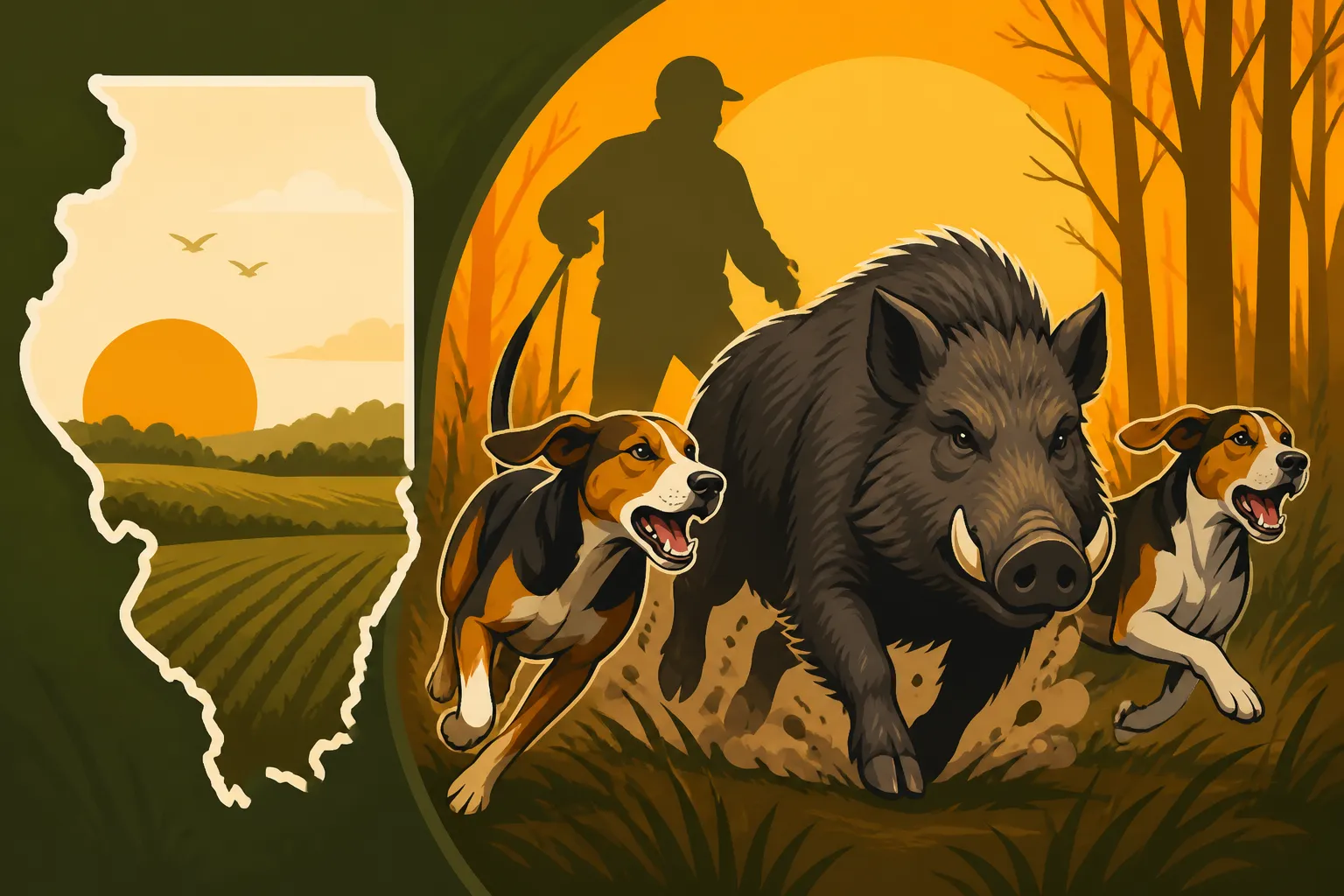
Imagine a pack of curs or Catahoulas, their noses to the ground, working through a dense CRP field or a tangled river bottom. The excitement builds as their barks intensify, signaling they've found a sounder. The handler, often covered in mud and sweat, is right there, guiding them, assessing the situation, and ensuring the safety of both dogs and hunters. This isn't just a guide leading you to a blind; it's an immersive experience where the dogs are truly your partners in the chase. The outfitter’s investment in these dogs, from their initial purchase to ongoing veterinary care, specialized food, and training, is substantial, and that's naturally reflected in the pricing.
What to Expect During the Hunt
A dog-drive hog hunt is rarely a sit-and-wait affair. You'll likely be moving, often quickly, through challenging terrain. It's an active hunt that demands a certain level of physical fitness and readiness. The goal is typically to locate feral hogs using the dogs, then move in to dispatch them safely and efficiently. This can happen in various environments, from sprawling timber blocks to dense brush and agricultural fields where hogs seek refuge.
Outfitters often provide an intense, hands-on experience. They'll brief you on safety, especially regarding working around the dogs and approaching bayed or caught hogs. You might be carrying a sidearm or a knife for the dispatch, though some outfitters allow shotguns or rifles, depending on local regulations and the specific hunt style. This close-quarters engagement is part of the thrill, but it also necessitates expert guidance to ensure everyone's safety. When considering Illinois Feral Hog Regulations, remember that these animals are considered an unprotected species, meaning year-round hunting on private land is permitted, often with few restrictions on methods, which allows for these dynamic dog-drive hunts.
Factors Influencing Dog-Drive Hog Hunt Pricing in Illinois
When you're trying to figure out what a dog-drive hog hunt might cost, it's not a one-size-fits-all answer. Several key factors come into play, each contributing to the overall price. Understanding these can help you better budget and choose the right hunt for your needs.
Location and Land Access
Illinois offers diverse landscapes, and where you hunt within the state can significantly impact the cost. Hunts in prime agricultural areas, where hogs can cause substantial crop damage, might see different pricing structures than those in more rugged, less accessible southern Illinois timber. Outfitters with exclusive access to vast tracts of private land often have higher overheads, which translate to higher prices. These lands might offer less hunting pressure and a more consistent hog population, justifying the premium.
An outfitter who has secured extensive private land leases, especially in counties known for high hog activity, has invested heavily in that access. Think about the costs associated with lease payments, fence maintenance, and potential agreements with landowners regarding crop damage. These aren't trivial expenses. Conversely, some outfitters might utilize combinations of private land and specific public land areas where permitted, which could alter their operational costs. The quality and reliability of the hunting ground are paramount for a successful dog-drive hunt, and that's something you pay for.
Hunt Duration and Inclusions
The length of your hunt is a primary cost driver. A single-day hunt will naturally be less expensive than a multi-day package. Beyond just time, what's included in the package can vary wildly. Some outfitters offer "bare bones" hunts where you're just paying for the guide and dogs for a set period, while others provide comprehensive experiences.
Consider these common inclusions:
- Meals and Lodging: Many multi-day hunts include comfortable lodging and home-cooked meals, turning the hunt into an all-encompassing experience. This convenience is a definite plus, especially for out-of-state hunters.
- Equipment Rental: While you'll typically bring your own firearm or knife, some outfitters might offer specific gear for rent, such as specialized vests or tracking collars if you wish to learn more about the dog work.
- Hog Cleaning and Processing: This is a big one. Hogs can be hefty, and field dressing and processing them require time and effort. Some outfitters include basic cleaning, while others might offer full processing services for an additional fee.
- Trophy Care: If you're hoping for a European mount or a shoulder mount, discussing initial caping and transport with your outfitter is essential.
Booking a hunt through platforms like BookYourHunt can sometimes offer clear breakdowns of these inclusions, making it easier to compare apples to apples between different outfitters. However, always double-check directly with the outfitter to confirm every detail.
Number of Hunters and Group Size
The size of your hunting party can also influence the per-person cost. Some outfitters offer discounted rates for larger groups, as it allows them to maximize their dog teams and guide services. Conversely, a private, one-on-one hunt with a guide and dogs will almost always be at the higher end of the price spectrum due to the exclusive attention and resources dedicated to just one hunter.
Outfitters need to manage their dog teams effectively. A small, intimate group might allow for more hands-on participation in tracking and dog handling, while a larger group might mean splitting into smaller teams or rotating hunters in on bays. It’s worth asking if an outfitter has a minimum or maximum group size and how that impacts pricing. Traveling with a buddy or two can often make these hunts more economical.
Outfitter Reputation and Experience
Just like in any service industry, experience and a solid reputation command a premium. Outfitters who have been successfully running dog-drive hog hunts in Illinois for years, with a proven track record of client satisfaction and consistent results, will likely charge more than a newer or less established operation.
This premium often reflects:
- Expertise: Years of experience mean the outfitter knows the land, the hogs' patterns, and how to read the dogs perfectly. They’ve encountered countless scenarios and know how to adapt.
- Quality Dogs: Reputable outfitters invest in superior bloodlines and rigorous training for their dog teams, which directly impacts the success and safety of the hunt.
- Safety Record: A long-standing outfitter with an impeccable safety record is invaluable. Dog-drive hog hunting can be intense, and safety should always be the top priority.
- Customer Service: Established outfitters often provide excellent pre-hunt communication, clear expectations, and a well-organized operation from start to finish.
When researching, look for reviews, testimonials, and ask for references. Checking platforms like GoHunt for outfitter listings and reviews can provide valuable insights into their reputation and the experiences of past clients. This due diligence is crucial before committing to a booking, especially for a unique hunt like this.
Typical Pricing Structures and What to Expect
Let's get down to the brass tacks of what you might encounter when looking at dog-drive hog hunt pricing in Illinois. While I can't give you exact numbers, I can certainly explain the common structures and cost considerations.
Day Rates Versus Multi-Day Packages
Most outfitters will offer either a day rate or a multi-day package.
- Day Rates: These are generally for a single, often intense, day of hunting. They typically include the guide, the dog team, and access to the hunting grounds for that specific day. You're usually responsible for your own meals and accommodation. Day rates can be a good option if you're local or have limited time, but they might not offer the full immersive experience of a multi-day trip.
- Multi-Day Packages: These are more common for dog-drive hog hunts, especially for out-of-state hunters. A typical package might be 2-3 days of hunting, often including lodging, meals, and sometimes initial processing. These packages offer more hunting time, allowing you to experience different areas or pursue multiple hogs. The per-day cost might be slightly lower within a package than a single day rate, offering a better value overall.
Consider your personal schedule, budget, and how much hog hunting you want to pack into your trip. If you're traveling from afar, a multi-day package makes more sense logistically and offers a better chance at success.
Here's a simplified comparison:
| Feature | Day Rate Hunt | Multi-Day Package Hunt |
|---|---|---|
| Duration | Typically one full day of hunting | 2-3+ days of hunting |
| Accommodation | Not usually included; hunter arranges own | Often included (lodge, cabins) |
| Meals | Not usually included; hunter arranges own | Often included (breakfast, lunch, dinner) |
| Guide/Dogs | Included for the day | Included for the duration |
| Processing | Basic field dressing sometimes, full processing extra | Often includes basic field dressing, full processing extra |
| Value | Lower upfront cost, less immersive | Higher upfront cost, more immersive, better overall value per day |
| Flexibility | Good for locals or quick trips | Ideal for travelers, more hog opportunities |
What's Typically Included (and What's Not)
It's vital to read the fine print of any outfitter's offering.
Commonly Included:
- Guide services and experienced dog handlers.
- Access to hunting areas.
- Use of well-trained hunting dogs.
- Safety briefing and instruction.
- Field dressing (sometimes basic initial gutting).
Often Not Included (or Extra):
- Hunting License and Permits: You'll need to secure your own Illinois Hunting Licenses and What They Cost. Outfitters cannot provide these for you. This is an upfront cost you need to factor in yourself.
- Travel to and from the lodge/hunting area: Airfare, fuel, vehicle rental are all on you.
- Ammunition or specific weapons: You're expected to bring your own.
- Alcoholic beverages: While some lodges might offer a complimentary drink, typically anything beyond that is extra.
- Taxidermy services: If you want a hog mounted, the outfitter might connect you with a local taxidermist, but the cost is separate.
- Full meat processing: Beyond basic field dressing, having the hog quartered, cut, wrapped, or turned into sausage is often an additional service. In some Illinois CWD Testing for Hunters areas, specific processing requirements might also apply.
- Gratuities for guides and staff: Tipping is customary and expected in the guiding industry. Factor this into your budget; a typical range might be 15-20% of the hunt's cost, depending on satisfaction.
Always ask for a detailed list of what's included to avoid any surprises. A good outfitter will be transparent about all costs.
Understanding Additional Fees and Potential Hidden Costs
Beyond the core hunt price, be aware of other potential expenses:
- Trophy Fees: While less common for feral hogs compared to big game, some outfitters might charge a "trophy fee" for particularly large or unique hogs, though this is rare for dog-drive hunts where the emphasis is often on removal. Always clarify this upfront.
- Non-Hunter Fees: If you want to bring a spouse or friend who won't be hunting, there might be a daily fee for their lodging and meals.
- Equipment Damage: If you or your group cause damage to an outfitter's property or equipment (e.g., ATVs, blinds if used for other hunts), you might be liable for repairs.
- Expedited Processing: If you need your hog meat processed and shipped quickly, there could be extra charges.
It's your responsibility as the hunter to clarify all these points before you book. Don't be shy about asking questions; a reputable outfitter will appreciate your thoroughness.
Making Your Dog-Drive Hog Hunt Affordable
The idea of a dog-drive hog hunt might sound like an exclusive, high-dollar affair, but there are definitely ways to make it more accessible and budget-friendly. It’s all about smart planning and knowing where to look.
Researching and Comparing Outfitters
This is perhaps the single most important step in finding an affordable hunt. Don't just go with the first outfitter you find. Take your time, do your homework, and compare several options.
- Online Platforms: Websites like BookYourHunt and GoHunt are excellent resources. They often list multiple outfitters, showcase their packages, and sometimes even provide client reviews. Use their search filters to narrow down options by location, species, and price range.
- Direct Contact: Once you have a shortlist, contact each outfitter directly. Ask for a detailed quote, including everything that is and isn't covered. Pay attention to their responsiveness and willingness to answer all your questions. This interaction can tell you a lot about their customer service.
- Social Media and Forums: Hunting groups and forums on platforms like Facebook or dedicated hunting websites can be goldmines of information. Ask for recommendations, read discussions, and see what experiences others have had with specific Illinois hog hunting outfitters. Just remember to take everything with a grain of salt and verify information directly.
When comparing, pay close attention to the value proposition. A slightly higher price might include lodging and meals, which could end up being more affordable than a cheaper day rate where you have to pay for those separately.
Group Bookings and Off-Peak Seasons
Timing and party size are two powerful levers you can pull to reduce costs.
- Hunting in a Group: As mentioned earlier, many outfitters offer better per-person rates for groups. Round up a few hunting buddies or family members, and you can often split costs on guide fees, lodging, and even travel. A group hunt also amplifies the fun and camaraderie, making for a memorable experience. Plus, having more eyes and ears can sometimes aid in the hunt itself.
- Booking During Off-Peak Seasons: Feral hogs can be hunted year-round in Illinois, which provides flexibility. While some periods might be more popular (e.g., cooler fall or winter months for comfortable hunting), asking about discounts during less popular times like late spring or summer could save you money. However, be prepared for warmer weather and denser foliage if you choose a summer hunt. Check the outfitter's calendar for availability and mention you're looking for value options.
By being flexible with your dates and embracing the group hunt dynamic, you can significantly reduce the financial barrier to entry for a dog-drive hog hunt.
Self-Processing and Budgeting Your Trip
Another way to shave costs is to take on some of the work yourself, particularly after the harvest.
- Handle Your Own Meat: If you have the skills, equipment, and time, processing your own hog meat can save you a significant amount. This means field dressing, quartering, and then transporting the meat home for further butchering, wrapping, and freezing. Make sure you understand any Illinois Carcass Movement Restrictions if you're traveling through CWD zones. This also means you'll need coolers, ice, and a plan for how to handle a large amount of meat.
- Bring Your Own Supplies: Instead of relying on the lodge's snacks and drinks (which might be marked up), bring your own. Pack plenty of water, high-energy snacks, and any personal items you might need. This small habit can add up to savings over a multi-day trip.
- Create a Detailed Budget: Before you even start looking at outfitters, create a comprehensive budget that includes everything: license fees, travel costs (gas, flights, vehicle wear), hunt fees, food (if not included), processing costs, tips, and a contingency fund for unexpected expenses. Tools like spreadsheets can be incredibly helpful here. Seeing all the potential costs laid out can help you make informed decisions and stick to your financial plan.
Dog-drive hog hunting in Illinois is an exhilarating experience that doesn't have to break the bank. With careful research, strategic planning, and a willingness to do some of the legwork yourself, you can find a fantastic adventure that fits your budget. Whether you're interested in Trapping Illinois Feral Hogs or the adrenaline of a dog drive, Illinois offers incredible opportunities.
Disclaimer
This article is for general informational purposes only and does not constitute professional advice. Laws, prices and regulations vary by location and change over time. Consult a qualified professional for guidance on your specific situation.