Illinois Outfitters in Pike County
The dream of tagging a true giant whitetail often leads hunters to one fabled location in Illinois: Pike County. It's a place synonymous with monster bucks, but navigating the myriad of outfitters and finding the right fit for your hunting goals can feel like a hunt in itself—overwhelming, confusing, and full of uncertainty. This guide will walk you through what makes Pike County a special destination, what you can realistically expect from an outfitter there, and how to make an informed decision to ensure your hunting adventure is everything you hoped for.
The Lure of Pike County: Why Hunters Seek This Illinois Hotspot
For decades, Pike County, Illinois, has held an almost mythical status among whitetail deer hunters. It's a name whispered in deer camps across the country, conjuring images of massive antlers and dense, mature timber. But what is it about this particular corner of West-Central Illinois that has cemented its reputation as a premier destination for trophy bucks? It’s more than just a marketing slogan; it’s a confluence of genetics, habitat, and management practices that have consistently produced some of the nation's biggest deer.
A Perfect Storm of Genetics and Habitat
Pike County boasts an exceptional combination of factors that contribute to its deer hunting prowess. First and foremost, the genetics of the whitetail deer in this region are simply phenomenal. These aren't just any deer; they come from a long lineage of animals that have the potential to grow truly impressive headgear. This genetic predisposition, combined with an abundance of high-quality forage, creates the perfect recipe for antler growth. The rich, fertile soils, a hallmark of Central Illinois Farmland Deer country, provide an incredible buffet of nutrition year-round, from lush alfalfa fields and protein-rich soybeans in the spring and summer to vital corn reserves and lingering acorns in the fall and winter. This consistent, superior nutrition is a non-negotiable factor in growing big-bodied, heavy-antlered deer.
Beyond the agricultural bounty, Pike County is characterized by a diverse landscape that provides ideal deer habitat. You’ll find expansive timber blocks, often mixed hardwoods, that offer excellent cover and bedding areas. These wooded tracts are frequently interspersed with deep creek bottoms, steep ravines, and rolling hills, creating natural funnels and travel corridors that mature bucks utilize. These varied terrains give deer plenty of places to hide, mature, and express their full antler potential without constant human disturbance. This balance of food, water, and cover is precisely why you'll often hear hunters discuss Why Pike County Produces So Many Trophy Bucks.
The Impact of Private Land Management
While public land exists in Illinois, a significant portion of Pike County's prime hunting ground is privately owned. This private ownership has led to a culture of intense and often strategic deer management. Many landowners and hunting clubs in Pike County actively manage their properties for quality deer. This isn't just about planting food plots, though those are certainly prevalent. It involves selective harvesting practices, allowing younger bucks to mature, and focusing on improving habitat for all stages of a deer's life cycle.
This level of private land management means that many of the largest deer in Pike County are found on properties that have been carefully cultivated for years, even decades, with the sole purpose of producing trophy animals. Hunters who don't have access to such carefully managed private ground often turn to outfitters who have secured leases on these coveted tracts. These outfitters can then provide opportunities to hunt on land that has been under strict management, giving clients a genuine shot at the kind of deer that built Pike County's reputation. It's this commitment to quality, often unseen by the casual observer, that underscores the allure and success of Best Illinois Counties for Big Bucks.
What a Pike County Deer Outfitter Offers
When you decide to pursue a deer hunt in Pike County, especially if you’re traveling from out of state or simply lack local access, an outfitter can be your golden ticket. But what exactly do these operations provide, and why might it be the right choice for your hunting adventure? Outfitters in Pike County offer a range of services designed to maximize your chances of success, taking much of the logistical guesswork out of the equation.
Access to Prime, Managed Properties
The single biggest draw of a Pike County outfitter is access to meticulously managed private land. As we've discussed, much of the county's reputation for trophy deer comes from properties where landowners or leaseholders prioritize deer quality. Outfitters typically have long-term leases on hundreds, if not thousands, of acres of these prime hunting grounds. This isn't just any land; it’s ground strategically chosen for its excellent habitat, consistent deer activity, and proven track record of producing mature bucks.
Imagine trying to gain permission on such properties yourself—it's incredibly challenging, often impossible, for an unfamiliar hunter. An outfitter bypasses this hurdle, granting you access to areas that have established food plots, bedding cover, and travel corridors. This eliminates countless hours of scouting and door-knocking, immediately putting you in a position to hunt quality deer. The outfitter often rotates hunting pressure across their leases, ensuring that specific spots aren't overhunted and deer remain less wary, which is crucial for a successful hunt. This managed access is a core reason why hunters consider Booking a Pike County Whitetail Outfitter.
Pre-Scouting, Stand Placement, and Expertise
Beyond just access, a good Pike County outfitter provides invaluable knowledge and preparation. Their teams spend countless hours before the season scouting, running trail cameras, and monitoring deer movement patterns across their properties. They understand the nuances of the local landscape, the impact of weather patterns on deer behavior, and where the mature bucks are likely to be at different times of the season. This pre-season work means they've already identified key pinch points, food sources, and bedding areas.
When you arrive, you're not starting from scratch. Instead, you'll find stands (tree stands, ground blinds, tower blinds) strategically placed in high-traffic areas, often overlooking food plots, oak flats, or natural funnels. These stands aren't just thrown up; they're positioned based on prevailing winds, historical deer movement, and a deep understanding of whitetail habits. The outfitter or their guides will brief you on the specific area you'll be hunting, what deer have been seen, and what to expect. This expert guidance is particularly valuable for hunters who might not be familiar with Hunting the Rut in Early November in this specific type of environment.
Lodging, Meals, and Field Care
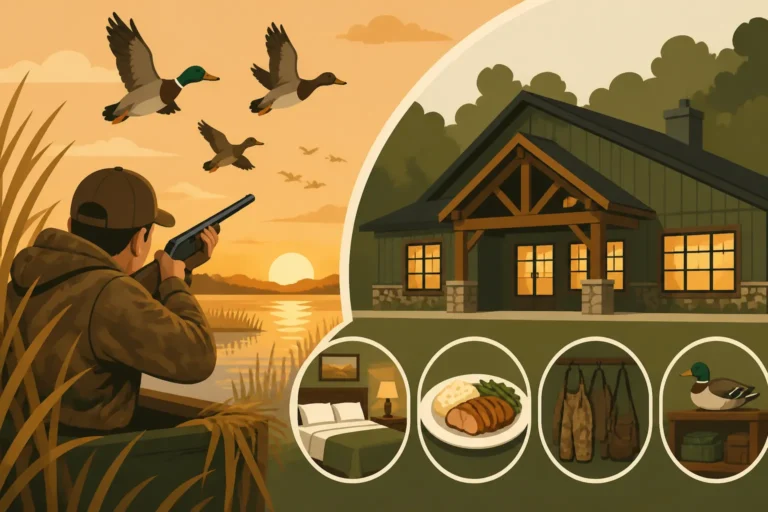
Many Pike County outfitters offer comprehensive packages that extend beyond just the hunt itself. For hunters traveling a significant distance, convenient lodging is a huge benefit. These lodges can range from rustic cabins to comfortable homes, providing a warm, dry place to relax after a long day in the woods. Often, meals are included, offering hearty breakfasts before the hunt and delicious dinners to refuel in the evenings. This eliminates the need to worry about cooking, finding restaurants, or dealing with hotel logistics, allowing you to focus entirely on your hunt.
Furthermore, outfitters usually provide essential field care services. Once you harvest a deer, they'll assist with recovery, field dressing, and transport back to the lodge. Many have facilities for caping and quartering the animal, and often have arrangements with local meat processors and taxidermists, simplifying the process of getting your trophy ready for the trip home. This complete package of services means you can simply show up, hunt, and enjoy the experience without the usual logistical headaches that come with a self-guided hunt, especially for those considering Illinois Deer Camp Traditions.
Choosing Your Pike County Outfitter Wisely
Deciding to hunt with an outfitter in Pike County is a significant investment of both time and money. With many operations vying for your business, knowing how to sift through the options and pick the right one is crucial. A thorough vetting process will save you potential headaches and ensure your hunting trip lives up to its promise.
Research and Reputation
The first step in choosing an outfitter is extensive research. Don't just pick the first name you see; dig deep. Start by searching online, looking at outfitter websites, social media pages, and hunting forums. Pay close attention to reviews and testimonials, but also read between the lines. Are the reviews consistent? Do they sound authentic? Platforms like BookYourHunt can be a great starting point, aggregating various outfitters and often including client reviews and success photos. GoHunt also provides valuable insights into hunting areas and can sometimes list reputable guide services.
Beyond online sources, talk to other hunters who have used outfitters in Pike County. Personal referrals are golden. Ask specific questions about their experiences: Was the outfitter organized? Did they deliver on their promises? How was the guide-to-hunter ratio? Was the land quality as advertised? Remember that a good reputation is earned over many years of consistent performance, not just a flashy website. Look for longevity in the business, as that often indicates a stable operation with established land leases and experienced guides.
Essential Questions to Ask an Outfitter
Once you’ve narrowed down your choices, it’s time to start making direct contact. Don't be shy about asking a multitude of questions; a reputable outfitter will welcome them. Here's a table of critical questions you should always ask:
| Category | Key Questions to Ask | Why It Matters |
|---|---|---|
| Land Access | How many acres do you lease? Is it contiguous or fractured? How is hunting pressure managed? | Indicates the scope of their operation and how they keep deer from being overpressured. |
| Success Rates | What are your typical success rates for harvest and opportunity? | Gives a realistic expectation of seeing and taking a deer. Be wary of inflated claims. |
| Hunt Structure | What is the typical daily schedule? How are stands assigned? Are guides present in the field? | Understand the daily routine, how much independence you'll have, and the level of guiding support. |
| Game Care | What services do you provide for field dressing, transport, processing, and taxidermy? | Ensures your hard-earned trophy is handled properly from the field to your freezer/wall. |
| Lodging/Meals | What are the lodging facilities like? Are meals included? Can I bring a non-hunting guest? | Important for comfort and logistics, especially on longer trips. |
| References | Can you provide 3-5 recent hunter references? | Absolutely crucial for independent verification. Call these references and ask detailed questions. |
| Payment/Policy | What are the deposit, payment, and cancellation policies? What's the tipping etiquette? | Avoids financial surprises and clarifies expectations. |
| Licensing | Are you fully licensed and insured? | Protects you and ensures the operation is legitimate and professional. |
This list will help you thoroughly vet potential operations, getting beyond the glossy photos and into the practical realities of the hunt. Don't hesitate to ask for specific dates for previous clients so you can get a firsthand account of what it was like during the time you plan to hunt. For more guidance, check out Vetting an Illinois Outfitter Before You Book and Questions to Ask Before Booking an Illinois Hunt.
Understanding Guide Interaction and Expectations
One often-overlooked aspect is the interaction you'll have with your guide and the outfitter's staff. Are you looking for a fully guided experience where a guide sits with you, or a semi-guided hunt where you're dropped off at a stand? Most Pike County deer hunts are semi-guided, meaning the outfitter or guide will take you to your stand location, offer advice, and assist with deer recovery, but you'll do the actual hunting on your own. Be clear about your expectations regarding guide involvement.
Communication is key. You should feel comfortable asking your guide questions, discussing strategies, and providing feedback. A good outfitter fosters an environment where clients feel supported, not left in the dark. Discuss how often you can move stands if a spot isn't producing, or what the protocol is for tracking a wounded animal. Understanding these operational details upfront prevents frustration during your hunt. This attention to detail is often what differentiates good Trophy Buck Guides in Pike and Adams Counties from less experienced operations.
Understanding the Investment: Cost and Value
Hunting with an outfitter in Pike County, especially for trophy whitetails, is an investment. It’s not a cheap endeavor, and understanding the cost structure and what that investment truly buys you is important. While I can't give specific current prices, I can explain the general shape of the costs and what factors influence them.
Factors Influencing Outfitter Costs
The cost of a Pike County deer hunt varies widely depending on several key factors:
- Duration of the Hunt: Shorter 3-day hunts will naturally be less expensive than longer 5-day or week-long packages. More days in the field generally mean more opportunities, but also higher costs.
- Time of Year: Hunts during the peak of the rut (typically early to mid-November) are almost always the most expensive. This is when buck activity is at its highest, and demand is intense. Early season (October) and late season (December) hunts might be less costly due to lower demand or different hunting conditions. For example, hunts during Hunting the Late-Season December Lull often present different challenges and may be priced accordingly.
- Included Services: A basic hunt might include just land access and stand placement, while an "all-inclusive" package will cover lodging, meals, field care, and possibly even transportation from a local airport. The more amenities and services included, the higher the price.
- Trophy Fees: Some outfitters charge an additional "trophy fee" if you harvest a buck above a certain size (e.g., 140-inch Boone & Crockett score). This is less common in Illinois but worth clarifying.
- Guide-to-Hunter Ratio: A hunt with a more personalized, 1:1 guide-to-hunter ratio will typically be more expensive than one with a 1:4 or higher ratio.
- Outfitter Reputation and Success: Outfitters with a long-standing, proven track record of consistently producing large deer and satisfied clients can command higher prices. Their reputation for quality and access to highly productive ground is a valuable commodity.
When comparing prices, make sure you're comparing apples to apples. A seemingly cheaper hunt might not include meals or lodging, or might be for fewer days. Always get a clear breakdown of what is and isn't included in the stated price. You can find more detail on this topic by exploring Average Cost of a Guided Illinois Deer Hunt.
Beyond the Price Tag: Understanding the Value
While the price tag can be daunting, it's essential to look beyond the dollar amount and consider the true value an outfitter provides. For many hunters, especially those traveling from afar, the value proposition is compelling:
- Maximized Opportunity: An outfitter puts you on proven ground with stands set in optimal locations, based on real-time deer movement and years of experience. This significantly increases your odds of encountering a mature buck compared to a self-guided public land hunt where you might spend days just trying to locate deer sign.
- Time Savings: Your precious vacation time is spent hunting, not scouting, securing permission, or setting up stands. Everything is ready when you arrive.
- Comfort and Convenience: Good lodging, warm meals, and professional field care allow you to focus on the hunt and enjoy the overall experience without distractions.
- Expert Knowledge: You gain access to local expertise that would take years to acquire on your own. Guides can offer insights into deer behavior, shot placement, and tracking.
- Ethical Hunting Practices: Reputable outfitters often adhere to strict management practices that contribute to the overall health and quality of the deer herd, ensuring sustainable hunting for the future.
Ultimately, the decision to use an outfitter comes down to what you prioritize in your hunting experience. If your goal is to maximize your chances at a trophy whitetail in a renowned area like Pike County, and you value convenience and expert support, then the investment in a quality outfitter often represents excellent value. Just remember to do your homework, ask the right questions, and manage your expectations for a truly rewarding hunt.
Disclaimer
This article is for general informational purposes only and does not constitute professional advice. Laws, prices and regulations vary by location and change over time. Consult a qualified professional for guidance on your specific situation.