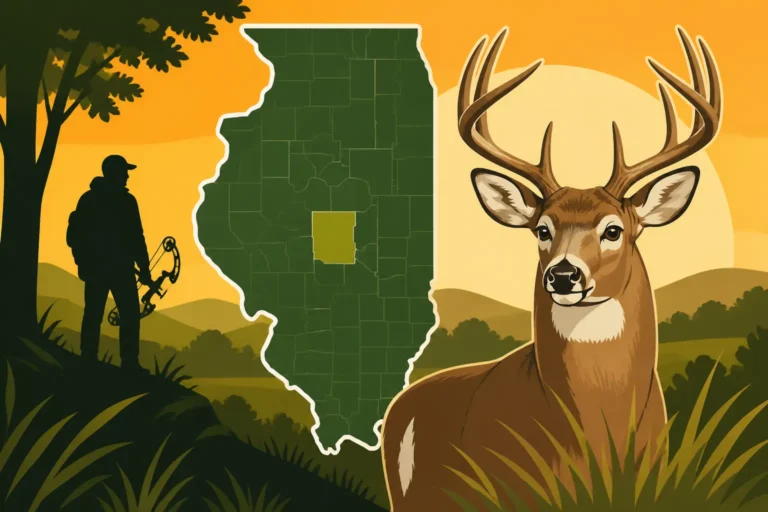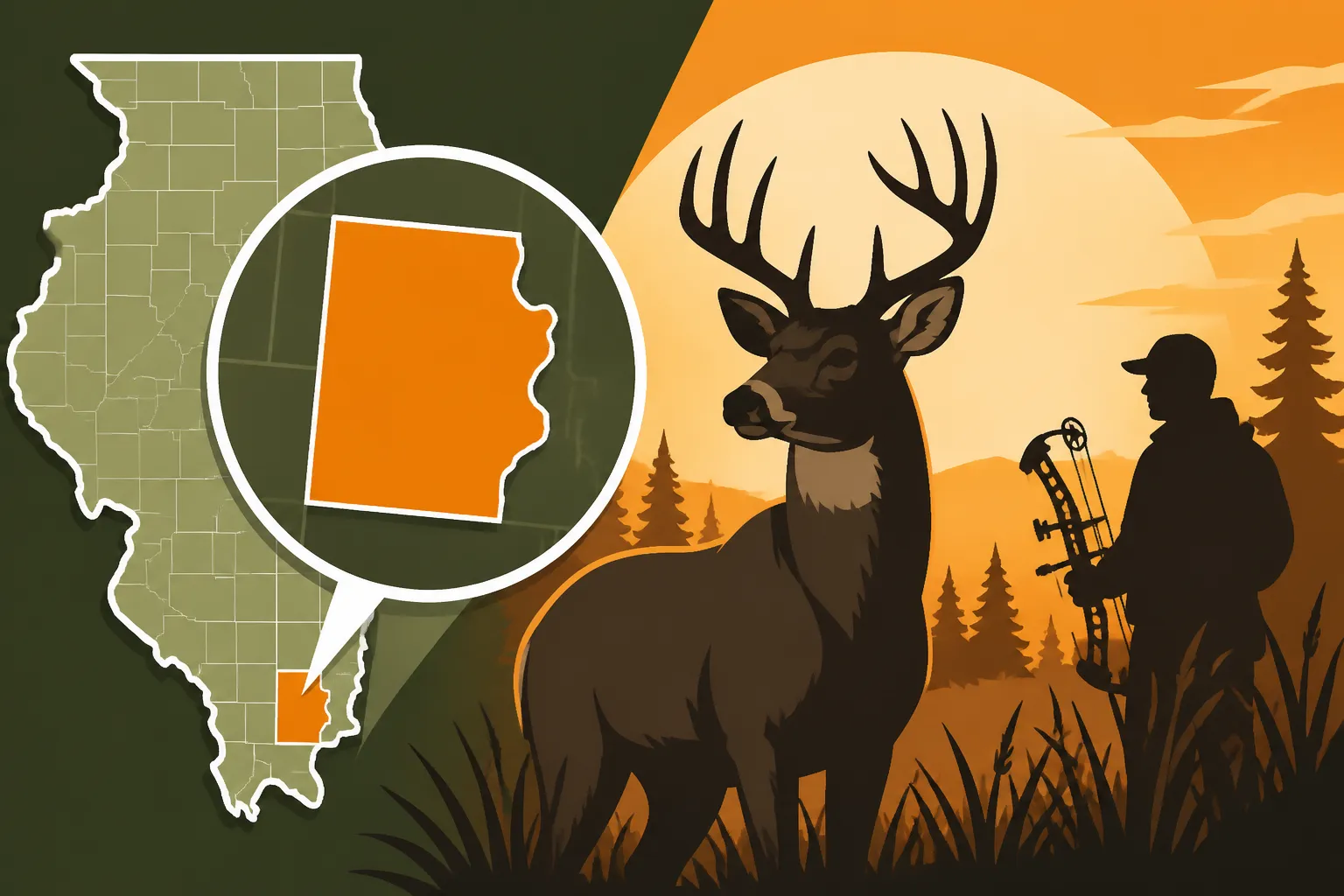
Effingham County CWD Zone Ground
Hunting in a Chronic Wasting Disease (CWD) zone can feel like navigating a minefield. You want to enjoy your time in the woods, pursue game ethically, and put food on the table, but the specter of CWD adds a layer of concern and complexity. If you're looking at Effingham County, you're stepping into one of Illinois's designated CWD management areas, and it's absolutely crucial to understand what that means for your hunting plans and the health of the herd. This guide is here to walk you through the specifics of hunting in Effingham County with CWD in mind, from understanding the disease's presence to adjusting your hunting strategies and knowing where to find public access.
Understanding Chronic Wasting Disease in Effingham County
Chronic Wasting Disease is a serious, fatal neurological disease that affects deer, elk, and moose. It's caused by abnormal proteins called prions and leads to progressive degeneration of the brain, ultimately resulting in death. For hunters, its presence in a county like Effingham changes the game, literally. It's not just about harvesting a deer; it's about being a responsible steward of the wildlife resource and understanding the health of the local herd.
The Illinois Department of Natural Resources (IDNR) monitors CWD closely, and counties are designated as CWD zones when the disease is detected, indicating a need for enhanced management and surveillance. Effingham County, unfortunately, falls into this category. This means hunters here play a vital role in monitoring the disease's spread and managing its impact. It's not a reason to stop hunting, but it is a reason to be more informed and proactive.
When you're afield in Effingham, you might not see outward signs of CWD in every deer, or even most deer. Infected animals often don't show symptoms for a long time, sometimes over a year, which is why testing is so important. The typical signs, when they do appear, include drastic weight loss (wasting), stumbling, drooling, excessive thirst, and a general lack of awareness. If you ever observe a deer exhibiting these symptoms, it's critical to report it to the IDNR immediately. Your observation could be key to monitoring the disease. You can find more comprehensive information on the disease's history and impact in Illinois's Chronic Wasting Disease Zone.
Public Hunting Opportunities in Effingham County's CWD Zone
Finding a spot to hunt can be a challenge anywhere, but when you add the layer of CWD management, it can feel even more daunting. While Effingham County isn't brimming with vast tracts of public land like the Shawnee National Forest, there are still opportunities to pursue deer, turkey, and small game. The key is knowing where to look and understanding any site-specific regulations that might be in place due to CWD.
Illinois primarily manages public hunting through State Fish and Wildlife Areas (FWAs) and State Parks that allow hunting. You'll need to consult the IDNR's Public Access Site Regulations (PASR) book or use their online interactive map tool to pinpoint exact locations and specific rules. These rules can vary greatly from site to site, especially concerning CWD testing requirements or antlerless harvest quotas designed to help manage herd numbers in affected areas.
One common practice in CWD zones is mandatory submission of deer heads for testing, particularly during certain firearm seasons, or the presence of voluntary sampling stations. Always check the specific site regulations for any public land you plan to hunt in Effingham County. It’s also wise to prepare for greater hunter density on these public tracts, as private land access can be elusive. Tools like onX Hunt or GoHunt can be incredibly helpful here, allowing you to identify public land boundaries, access points, and even potential bedding and feeding areas, all while navigating property lines. These apps can be a game-changer for scouting effectively without trespassing. You can also explore general guidance on Public Hunting Land in Illinois for a broader perspective.
Navigating Public Lands with Mapping Tools
Modern mapping applications have revolutionized how we approach public land hunting, and they are especially valuable in CWD zones where precise knowledge of boundaries and regulations is paramount. When you're in Effingham County, an app like onX Hunt can show you exactly where public land begins and ends, preventing accidental trespass which can be a real concern in areas with mixed private and public ownership.
These tools often feature layers that show different types of public land, CWD sampling stations, and even recent harvest data if available, which can inform your strategy. Before heading out, download offline maps to ensure you have access even in areas with spotty cell service. Similarly, GoHunt provides detailed mapping data that can help you understand terrain, identify potential pinch points, and scout remotely. Using these apps, you can mark potential stand locations, track your routes, and measure distances, which is crucial for maximizing your limited time in the field. They can help you find those overlooked pockets that might hold deer pressured off more accessible areas. For more details on using these resources, consider checking out Using the Illinois DNR Map Tool.
Specific Public Hunting Areas in Effingham's Vicinity
While Effingham County itself might have limited large state-managed public areas, neighboring counties or nearby sites might offer more robust opportunities that still require CWD awareness. Always check the specific IDNR site regulations for any area you plan to hunt, as rules can change seasonally and vary by location. Some nearby areas, for instance, might offer archery deer hunting, while others might host firearm quota hunts.
When planning to hunt any of these sites, even if they're just outside Effingham's borders, remember the CWD guidelines regarding carcass transport. If you harvest a deer in a CWD zone, there are restrictions on what parts of the carcass you can move out of that zone. This is a critical rule designed to prevent the further spread of prions.
| Public Land Type | General Description | CWD Consideration |
|---|---|---|
| State Fish & Wildlife Areas (FWAs) | Managed for diverse wildlife habitat and public recreation, often offering various hunting seasons for deer, turkey, and small game. These might require site-specific permits or check-in/check-out procedures. Size can vary from a few hundred to several thousand acres. | Crucial: Always check for mandatory CWD testing periods, especially during firearm deer seasons. Be prepared for carcass movement restrictions if you plan to transport your harvest outside the CWD zone. Some sites may have antlerless harvest incentives. Illinois CWD Testing for Hunters is a good resource. |
| State Parks (with Hunting) | Some Illinois State Parks allow hunting in designated areas, often with specific regulations to balance recreational use. These typically have strict rules on hunting zones, parking, and weapon types. | As above: CWD testing may be mandatory or highly encouraged. Be aware of carcass transport rules. Due to higher visitor traffic, stealth and careful field dressing are often even more important to maintain a positive public image for hunters. |
| Conservation Areas | Similar to FWAs but sometimes smaller or managed with a more specific conservation focus. Hunting opportunities will vary. | Always Verify: Just like FWAs, CWD guidelines apply. Hunters must take responsibility for understanding and following local CWD regulations. |
No matter where you choose to hunt, always carry your printed permit or have it readily available on your phone, along with your hunting license and habitat stamp. Familiarize yourself with the harvest reporting requirements immediately after taking an animal. In CWD zones, prompt reporting and testing are paramount.
Tactics and Responsible Hunting in a CWD Zone
Hunting in a CWD zone requires an extra layer of diligence and responsibility. It's not just about successful hunting, but about contributing to the health of the entire deer herd. Your actions as a hunter can make a difference in slowing the spread of the disease.
One of the most immediate changes is how you approach a harvested animal. In Effingham County, like other CWD zones, you need to be aware of the specific regulations for Illinois CWD Testing for Hunters. This might involve mandatory testing during certain seasons or having designated drop-off points for voluntary testing. Knowing these locations and requirements before you head out is crucial. You don't want to be scrambling after a successful hunt.
Beyond testing, there are key considerations for field dressing and carcass handling. Prions, the infectious agents of CWD, are concentrated in the brain, spinal cord, lymph nodes, and spleen. Avoiding contact with these tissues and proper disposal are vital.
Carcass Management and Disposal
When you harvest a deer in Effingham County, or any CWD zone, proper carcass management is essential. The general rule of thumb is to remove as much of the high-risk tissue as possible at the kill site or at a local processing facility within the CWD zone itself. This means leaving the brain, spinal cord, eyes, spleen, and lymph nodes in the county of harvest.
For many hunters, this means doing a "boning out" process in the field, or taking the whole carcass to a local processor who is familiar with CWD protocols. Never transport a whole carcass, or even just the head and spine, out of a CWD county unless you are specifically allowed to do so for CWD testing purposes and have confirmation from the IDNR. The goal is to prevent prions from being moved to new, unaffected areas. You can find detailed regulations on Illinois Carcass Movement Restrictions.
If you're processing the deer yourself, dispose of any high-risk parts appropriately. Double-bagging them and placing them in municipal landfill trash is generally recommended. Avoid burying them on your property, as prions can persist in the soil. Clean your knives and equipment thoroughly with a bleach solution after processing to minimize any potential cross-contamination.
Adapting Hunting Strategies and Observation
While CWD is a serious concern, it doesn't mean you can't have a successful and enjoyable hunt. It simply means being more observant and perhaps adjusting some long-held practices.
- Observe Deer Closely: Pay extra attention to the deer you see, especially if you notice any acting strangely. If a deer appears emaciated, disoriented, or struggles with movement, do not shoot it. Instead, contact the IDNR. Reporting a Sick Animal in Illinois is a crucial step in managing the disease.
- Harvest Management: In many CWD zones, wildlife biologists encourage harvesting more does (antlerless deer). This helps to reduce the overall deer population density, which can potentially slow the spread of CWD by reducing deer-to-deer contact. Check your permits and the specific site rules for antlerless opportunities in Effingham County.
- Scouting for Health: As you scout, look for general signs of herd health. Are deer active, alert, and robust? While you can't diagnose CWD in the field, a healthy-looking deer herd is always a good sign.
- Food Source Considerations: While CWD prions are not known to be absorbed by plants, baiting or feeding deer concentrates animals in one spot, increasing direct and indirect contact. This can facilitate disease transmission. Illinois has restrictions on feeding deer in CWD counties, so always verify the current regulations for Effingham County.
By understanding the nature of CWD and taking proactive steps in carcass management and observation, you can continue to enjoy hunting in Effingham County responsibly, knowing you are contributing to the long-term health of Illinois's deer herd.
Disclaimer
This article is for general informational purposes only and does not constitute professional advice. Laws, prices and regulations vary by location and change over time. Consult a qualified professional for guidance on your specific situation.