Why Nonresident Deer Permits Are So Limited
If you're an out-of-state hunter with your heart set on chasing Illinois whitetails, you've likely bumped up against a frustrating reality: nonresident deer permits are notoriously tough to come by. It feels like hitting a brick wall when you're ready to plan your dream hunt, only to find the options are few and far between, often requiring a lottery application that feels more like a long shot than a sure thing. This guide will pull back the curtain on why these permits are so limited, giving you a clearer picture of the forces at play and offering some insights into navigating the system.
The Core Philosophy Behind Permit Allocation
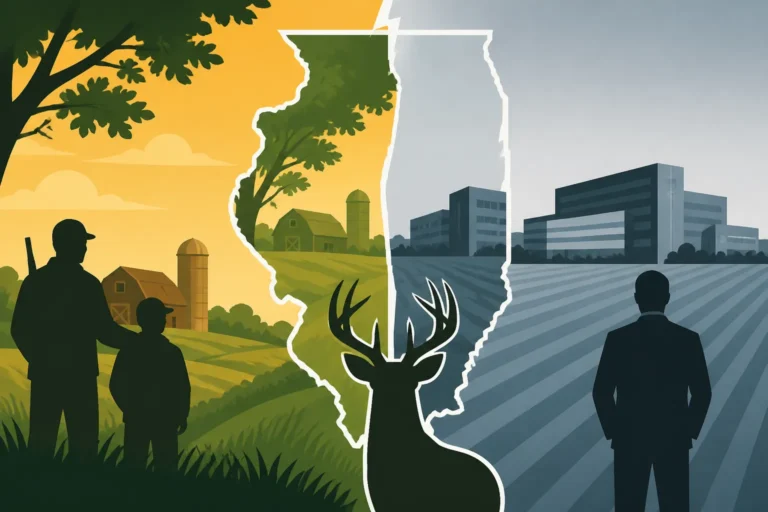
It's easy to feel personally slighted when nonresident permits are scarce, but the truth is, most states operate under a fundamental philosophy that prioritizes their own residents. This isn't about keeping outsiders out; it's deeply rooted in conservation funding models and the imperative to manage local wildlife populations responsibly. Illinois, like many other states with highly sought-after deer hunting, bases its permit allocation on these core tenets.
Resident Prioritization and Conservation Funding
Think about it this way: hunting and fishing licenses, stamps, and tags are significant revenue generators for state conservation departments. This money goes right back into wildlife management, habitat restoration, law enforcement, public land acquisition, and research – all things that directly benefit the local ecosystems and, by extension, the hunting opportunities for everyone. When residents purchase licenses and permits year after year, they are the primary contributors to this funding.
Illinois, for instance, relies heavily on its resident hunters to support the vast infrastructure required to maintain a healthy deer herd and accessible hunting lands. Therefore, ensuring that residents have ample opportunity to hunt is a critical part of maintaining that support base. If nonresident hunters flooded the state without any limits, it could dilute the experience for residents, potentially leading to less engagement and, critically, less funding for the very programs that make Illinois a great hunting destination. It’s a delicate balance of maintaining the resource and serving the primary stakeholders who fund it. Illinois Hunting Licenses and What They Cost breaks down some of these fees.
Managing Deer Populations and Harvest Goals
Beyond funding, the most crucial reason for permit limits is wildlife management itself. The Illinois Department of Natural Resources (IDNR) constantly monitors deer populations across the state, using data from harvest reports, biological surveys, and hunter observations. Their goal is to maintain a healthy, balanced deer herd that doesn't overgraze its habitat, cause excessive crop damage, or become overly susceptible to disease.
Every year, biologists set harvest goals for each county or management unit. These goals dictate how many deer, and what types of deer (antlered vs. antlerless), need to be removed from the population to meet management objectives. Nonresident permits are a carefully calculated portion of this overall harvest quota. Issuing too many could lead to overharvest in specific areas, especially in counties known for producing trophy bucks like Pike County. The limits are a tool to control hunting pressure and ensure sustainability, not just for the current season, but for generations to come. This also helps to manage issues like Chronic Wasting Disease in Illinois Deer.
Illinois's Specific Approach to Nonresident Permits
Illinois has earned a reputation for its exceptional deer hunting, particularly for mature whitetail bucks. This high demand from nonresident hunters, combined with the state's conservation priorities, has led to a highly structured and limited permit system for those coming from out of state.
The Lottery System and Limited Quotas
For many nonresident hunters, the first encounter with Illinois's system is the dreaded lottery. Unlike resident permits, which often have higher availability or are over-the-counter in some form, nonresident firearm and archery permits are generally allocated through a lottery drawing. This means you apply, pay a non-refundable application fee (or sometimes the full permit fee upfront), and then cross your fingers, hoping your name is drawn from the pool of thousands.
The number of nonresident permits available is a small fraction of the total permits issued. These quotas are set annually by the IDNR, taking into account population trends, harvest data, and management goals. For example, a prime county might have a generous number of resident permits, but only a handful of nonresident permits allocated through the lottery. This scarcity is what drives the intense competition. If you're planning a trip, understanding Illinois Deer Season Structure Explained is crucial to timing your application.
Here’s a simplified look at the general differences:
| Permit Type | Resident Availability | Nonresident Availability |
|---|---|---|
| Archery Deer Permit | Generally high, often over-the-counter or easily drawn | Limited quota, typically by lottery drawing |
| Firearm Deer Permit | Moderate to high, often a guaranteed draw or multiple options | Very limited quota, strictly by lottery drawing |
| Muzzleloader Permit | Moderate, often still available after initial draws | Extremely limited, often combined with firearm lottery |
| Antlerless-Only Permit | High, often over-the-counter after initial draws | Very limited, often only available if drawn for an antlered permit or as specific bonus tags |
This table illustrates the stark difference. While a resident might have several avenues to secure multiple tags, a nonresident hunter typically gets one shot at a limited pool of permits through a competitive process.
Economic Impact Versus Hunter Opportunity
You might wonder why Illinois doesn't just sell more nonresident permits and rake in more money. It's a valid question, and one that state agencies continually grapple with. On one hand, nonresident hunters do bring significant economic benefits. They spend money on gas, lodging, food, gear, and possibly guided services, all of which contribute to local economies. Services like BookYourHunt or GoHunt connect these hunters with local businesses, further stimulating this economic activity.
However, increasing nonresident permits too much could come at a cost to resident hunter opportunity and satisfaction. If public lands or popular hunting areas become overly crowded with out-of-state hunters, residents might feel displaced or find their hunting experience diminished. This could lead to a decline in resident license sales over time, ultimately undermining the very funding model that supports conservation. It's a balancing act: capturing some economic benefit from nonresidents without sacrificing the core user base and the quality of the hunting experience for those who live and pay taxes in Illinois.
Navigating the Nonresident Permit Landscape
So, what's a passionate nonresident hunter to do when faced with these limitations? While it's tough, there are strategies to consider and alternative paths to explore that might still get you into the Illinois whitetail woods.
Strategies for Securing a Permit
First and foremost, understand the application process inside and out. Pay close attention to application deadlines – missing one means you're out for the year. The IDNR website is your official source for all dates, rules, and application portals. Applying early is always a good idea to avoid last-minute technical glitches.
Consider your county choices carefully. Some counties are perennial hotbeds for trophy deer and, consequently, see an enormous number of nonresident applications. Think Pike, Adams, Brown – these are tough draws. While the allure of a giant buck is strong, applying in less popular, but still productive, counties might increase your odds of drawing a permit. You might not be hunting a world-famous trophy county, but you'll still be hunting Illinois deer. Best Illinois Counties for Big Bucks will give you an idea of where the pressure is highest.
Another strategy, if your schedule allows, is to look into Hunting the Late-Season December Lull. While still requiring a permit, the hunting pressure often drops significantly after the initial firearm seasons, and some permits might become available over-the-counter if quotas aren't met in less popular units (though this is rare for nonresidents). This often involves a different kind of hunt, focusing on late-season food sources and cold-weather tactics.
Considering Alternatives: Other Opportunities or Guided Options
If the lottery isn't kind, or you prefer a more guaranteed experience, there are a few alternatives.
Private Land Leases or Permission: While challenging, securing permission to hunt private land in Illinois can bypass the public land permit lottery altogether, assuming you still obtain the necessary base hunting license. This often involves networking, knocking on doors, or exploring hunting lease opportunities. The permit you'd need would then be a private land-specific permit, which might have different availability.
Guided Hunts: For many nonresidents, booking a guided hunt through an outfitter is the most reliable way to experience Illinois deer hunting. Outfitters often have access to large tracts of private land and handle the permit acquisition process (sometimes even guaranteeing a permit through specific landowner programs or by managing their own quota draws). While a significant investment, it removes the uncertainty of the lottery and provides expert guidance. This is where resources like BookYourHunt or GoHunt shine, allowing you to browse reputable outfitters and their package deals. They can help you find everything from a What a Guided Illinois Trophy Deer Hunt Costs to more modest package deals. Remember to vet any outfitter thoroughly, checking references and understanding what's included in the package. Vetting an Illinois Outfitter Before You Book is a crucial step in this process.
Other Species or Seasons: Don't forget that Illinois offers other fantastic hunting opportunities. While deer is king, you might find permits more accessible for Spring Turkey Hunting in Illinois or Hunting Illinois's Fall Turkey Zones. If you're primarily interested in the hunting experience rather than specifically deer, expanding your horizons might provide a less competitive entry point into Illinois's outdoors.
Ultimately, the limitations on nonresident deer permits in Illinois stem from a deep-rooted commitment to conservation, responsible herd management, and prioritizing the resident hunters who are the backbone of the state's wildlife programs. While it can be disheartening, understanding the "why" can help you approach your Illinois hunting dreams with realistic expectations and a plan for success, whether that's through persistence in the lottery, finding private land access, or investing in a guided experience.
Disclaimer
This article is for general informational purposes only and does not constitute professional advice. Laws, prices and regulations vary by location and change over time. Consult a qualified professional for guidance on your specific situation.