Combining a Deer and Duck Trip in Illinois
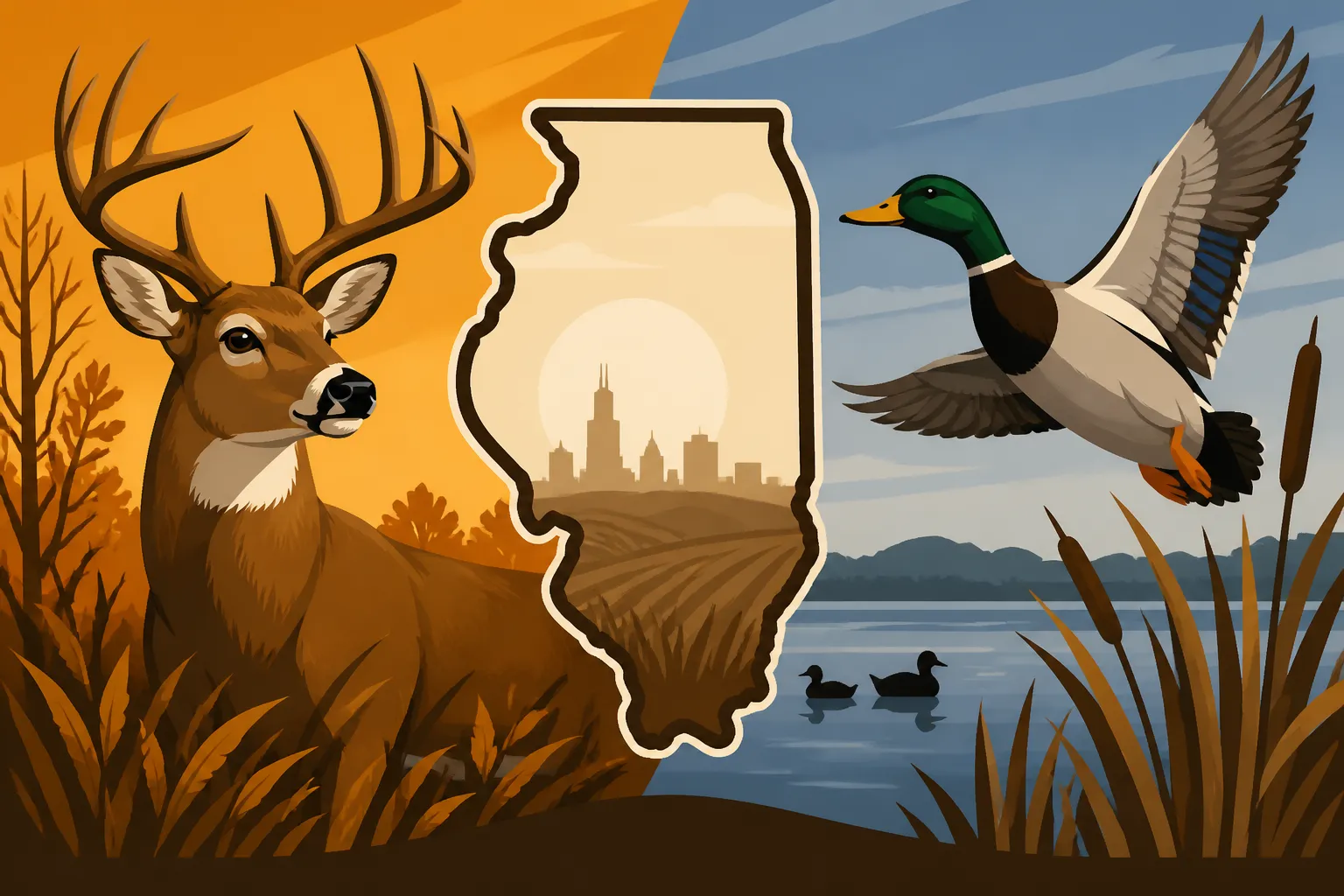
The idea of a multi-species hunt in Illinois, chasing whitetails in the timber and then swapping out your camo for waders to hit the flooded timber for ducks, sounds like an absolute dream for many hunters. But let's be real, turning that dream into a successful reality takes some serious planning and understanding of how Illinois seasons and logistics actually work. This guide aims to peel back the layers of complexity, showing you not just how it's possible, but how to plan for a truly memorable deer and duck combination trip.
The Allure and the Reality of a Combo Hunt
For many of us, the hunting season feels too short, and the opportunities too few. The thought of combining the strategic, solitary pursuit of a whitetail with the social, action-packed rush of a waterfowl hunt in the same trip is incredibly appealing. It’s about maximizing your time afield, experiencing diverse landscapes, and challenging yourself with different hunting disciplines. However, this isn't a simple endeavor; it comes with its own set of unique challenges that, if not addressed, can quickly turn a dream trip into a frustrating one.
The Double-Edged Sword of Overlap
Illinois offers a generous array of hunting seasons, but the actual overlap where both deer and duck hunting are prime and accessible can be narrow and highly specific. You might find archery deer season running concurrently with early waterfowl periods, or the tail end of firearm deer season bumping into late-season duck hunting. These overlaps are exciting, yet they often mean you're trying to hit two different peaks simultaneously, which can dilute your focus. For instance, the absolute best whitetail rut activity in Illinois, often around early November, can coincide with strong duck migration. It forces a tough choice: do you sit in a treestand all day, or do you commit to the marsh? Managing this temporal dilemma is the first step in successful planning.
The Logistical Mountain
Let’s be honest, hunting one species effectively takes a lot of gear, scouting, and strategic thinking. Doubling that means exponentially more. You're talking about different firearms (or bows), different clothing systems, different blinds, different calls, and often, entirely different hunting locations. The public land you might scout for whitetails in the Shawnee National Forest is vastly different from the public waterfowl management areas along the Illinois River. Even on private land, a prime deer woodlot might be miles from a suitable duck pond. Transporting all this gear, switching mindsets between pursuits, and ensuring you have all the necessary permits for both species can feel like climbing a logistical mountain before you even set foot in the field. It requires meticulous organization and a willingness to be adaptable.
Navigating Illinois Seasons and Permits for Both Deer and Ducks
To even consider a combo hunt, you absolutely need a firm grasp of Illinois's hunting regulations. The state has distinct seasons for deer, broken down by weapon type, and equally distinct zones and periods for waterfowl. The key is identifying those precious windows where both activities are legally open and realistically productive.
Archery Deer and Early Waterfowl Windows
The longest and most flexible deer season in Illinois is the archery season, which traditionally opens in early October and runs all the way through mid-January, with breaks for firearm deer seasons. This extended window provides the best opportunity for overlap with waterfowl. Early duck season, especially in the North and Central Zones, often begins in late October or early November. This is a sweet spot. You could be spending your crisp mornings Bowhunting Illinois's Long Archery Season and then transitioning to a small creek or pond for an afternoon duck hunt.
However, keep in mind that early duck season might mean warmer weather, requiring different decoy spreads and a focus on local birds before the big pushes from the north arrive. For deer, early archery can mean hunting pre-rut patterns, focusing on food sources and bedding areas before the chase heats up. Success during this period relies heavily on scouting for both species.
Firearm Deer Season and Peak Duck Migration
This is where things get tricky, but not impossible. Illinois's Two Firearm Deer Seasons are relatively short and intense, typically falling in mid-November and early December. These dates often coincide with some of the best duck migration activity, especially in the Illinois River Valley and along the Mississippi. The challenge is that firearm deer hunting is often a full-day commitment, with specific hunting hours and intense pressure in many areas.
If you're planning a firearm deer hunt, dedicating mornings and evenings to deer, then perhaps hitting a jump-shootable creek or small pond for ducks in the middle of the day might be feasible, though it's certainly ambitious. Alternatively, you could dedicate separate days within your trip – two days for deer, two for ducks – acknowledging that you can’t effectively do both simultaneously in the firearm season’s demanding structure. Remember that waterfowl hunting is often most productive at first light, directly clashing with prime deer movement.
Understanding Permits and Stamps
Before you even think about packing a single piece of gear, you need to make sure your paperwork is in order. Illinois has a comprehensive licensing system, and a combo hunt means you'll need several components. You'll need a base Illinois Hunting Licenses and What They Cost, a State Habitat Stamp, and potentially a Migratory Waterfowl Stamp. For deer, you'll need specific deer permits, which can be resident or nonresident, archery or firearm, and often zone-specific. Illinois Deer Season Structure Explained outlines these in detail.
For waterfowl, beyond your base hunting license and habitat stamp, you'll need an Illinois Migratory Waterfowl Stamp and a Federal Duck Stamp, plus HIP (Harvest Information Program) certification. Failing to have any one of these can turn a successful hunt into a costly legal issue. Always double-check the current Illinois Waterfowl Zones and Seasons and permit requirements well in advance of your trip.
Finding Your Stride: Locations, Outfitters, and Self-Guided Success
One of the biggest hurdles in combining deer and duck hunting is finding accessible, productive ground for both species within a reasonable distance. Illinois offers diverse landscapes, but some regions are naturally better suited for a multi-species approach.
Prime Illinois Regions for Multi-Species Opportunities
When considering a combo hunt, focus on areas that naturally hold both robust deer populations and strong waterfowl activity.
- The Illinois River Valley: This is arguably the premier location for such a trip. The river itself is a major flyway for ducks and geese, with numerous backwaters, marshes, and flooded timber. The surrounding uplands and river bluffs are classic whitetail habitat, known for producing big bucks. You can be Waterfowl Hunting the Illinois River Valley in the morning and then climb into a treestand on a timbered ridge overlooking a cornfield for an evening deer hunt. Places like the Havana area, between Peoria and Springfield, are renowned for both. You'll find many public access points and private lands alike.
- The Mississippi River Corridor: Similar to the Illinois River, the Mississippi is a waterfowl superhighway. Its extensive backwaters and island systems provide excellent duck and goose hunting, while the steep river bluffs and fertile bottomlands offer fantastic deer hunting. Counties like Calhoun, Pike, and Adams, famous for trophy whitetails, are right on the Mississippi. Hunting the Illinois River Valley provides a great overview of river systems.
- Southern Illinois: While not as famous for waterfowl as the major rivers, Southern Illinois, particularly around the Cache River and various state fish and wildlife areas, can offer good duck hunting. The sprawling Shawnee National Forest Hunting and surrounding private lands hold dense deer populations. This region might require more driving between spots, but the opportunities are there.
The Outfitter Advantage
For many hunters, especially nonresidents or those with limited time, booking an outfitter or guide service can be the most practical way to pull off a combo hunt. Outfitters often have leases or access to large tracts of land that contain both quality deer habitat and prime waterfowl spots. They handle the scouting, blind setups, decoy spreads, and often even provide lodging and meals, significantly reducing your logistical burden.
When looking for an outfitter, it's crucial to find one that explicitly offers combo packages, or at least two separate but coordinated trips. Not all deer outfitters are duck guides, and vice-versa. Sites like BookYourHunt can be good resources for finding guides in Illinois. You can filter by species and sometimes even find outfitters who specialize in multi-species experiences. Be upfront about your goals and ask specific questions about how they manage the two hunts – will you have different guides? Separate areas? Clear scheduling? While a What a Guided Illinois Trophy Deer Hunt Costs might be significant, the convenience and expertise can be invaluable for a successful combo trip.
Going It Alone on Public Land
For the truly adventurous and resourceful, a self-guided combo hunt on Public Hunting Land in Illinois is possible, but it requires extensive planning and scouting. This is where tools like GoHunt and the Illinois DNR's mapping resources become indispensable. You'll need to identify public lands that have both suitable timber for deer and accessible water for ducks. Look for state fish and wildlife areas, conservation areas, or even sections of national forest that border floodplains.
- Scouting is King: Before the season, dedicate time to Scouting Illinois Public Land Before Season. Look for deer sign like rubs, scrapes, and trails in timbered areas, and simultaneously identify potential duck roosts, feeding areas, and flyways on nearby ponds, sloughs, or river segments.
- Flexibility is Key: Public land can be pressured. Be prepared to move if your chosen spot is crowded. Having backup locations for both deer and ducks is crucial. This might mean driving a bit more, but it increases your chances of success.
- Research Specific Sites: Some state sites might have specific rules for different species, or even designated zones for deer versus waterfowl. Always check the individual site regulations for any public land you plan to hunt.
| Hunting Type | Prime Season Overlap | Typical Location Types | Gear Considerations |
|---|---|---|---|
| Archery Deer | Early-Mid Archery (Oct-Nov) | Timber, food plots, river bottoms, CRP | Bow, scent control, treestand/ground blind, quiet clothing |
| Waterfowl | Early-Peak Migration (Oct-Dec) | Rivers, lakes, ponds, flooded fields | Shotgun, waders, decoys, calls, warm/waterproof clothing |
| Firearm Deer | Mid-Late Firearm (Nov-Dec) | Timber, dense cover, field edges | Rifle/shotgun (slugs/straight-wall), blaze orange, warm clothing |
Practical Considerations: Gear, Strategy, and Managing Expectations
A successful combo hunt isn't just about finding overlap on a map; it's about being prepared, adaptable, and realistic about what you can achieve.
Dual-Purpose Gear and Essential Additions
Packing for two distinct types of hunting means you'll need a comprehensive gear list. Some items, like base layers, wool socks, and a good insulated jacket, can pull double duty. However, many items will be specific to each pursuit.
- Clothing: You'll need scent-eliminating camo for deer hunting and waterproof, drab-colored camo (or specialized waterfowl patterns) for duck hunting. Don't forget waders if you're planning on hunting flooded timber or marsh areas. Thermal layers are crucial for both, especially as fall transitions to winter.
- Firearms: If you're going the firearm route, you'll need a deer rifle or shotgun for slugs/straight-wall cartridges, and a separate shotgun for waterfowl. Make sure you understand the nuances of Choosing Between Slugs and Straight-Wall Rifles for deer in Illinois. Don't forget different ammunition for each! If bowhunting, your archery setup is constant, but you'll still need a shotgun for ducks.
- Optics: Binoculars are essential for both. A rangefinder is great for archery and can be useful for gauging distances in larger waterfowl spreads.
- Calls: Deer calls (grunt tubes, bleats) are small and easy to pack. Duck calls (mallard, goose, speck) are equally vital for waterfowl.
- Blinds/Stands: A portable treestand or ground blind for deer is different from layout blinds or standing timber blinds for ducks. You'll need to consider how to transport and deploy both if you're not using an outfitter's setups.
Time Management and Flexibility
This might be the most critical aspect of a combo hunt. You simply cannot be in two places at once, and trying to rush between a deer stand and a duck blind mid-morning often means sacrificing the prime hunting hours for both.
- Prioritize: Decide which species is your primary focus for the day or trip. If you're really after a mature buck, dedicate your prime morning and evening hours to that pursuit. If the duck flight is hot, commit to that.
- Split Days: A common strategy is to dedicate entire days to one species. For example, Monday and Tuesday for deer, Wednesday and Thursday for ducks. This allows you to fully immerse yourself in one type of hunt without feeling rushed or underprepared.
- Split Shifts (Carefully): In very specific scenarios, you might attempt a morning deer hunt (ending around 9-10 AM) and then quickly pack up, change, and head to a close-by duck spot for an afternoon hunt. This works best if travel time is minimal and you have all your duck gear pre-staged. This is often more feasible with early season archery and local ducks before intense migration.
Setting Realistic Goals
It's tempting to envision a trip where you bag a Pope & Young buck and limit out on greenheads every day. The reality is usually far more challenging. A combo hunt is physically demanding and mentally draining.
- Enjoy the Experience: Go into it with the mindset of enjoying the outdoors and the challenge of pursuing two incredible species. Success might be harvesting one or the other, or simply having close encounters.
- Weather and Conditions: Be prepared for unpredictable Illinois weather. A warm front might shut down deer movement but activate ducks, or vice versa. Being flexible with your plans based on current conditions is paramount.
- Focus on Quality, Not Quantity: Rather than trying to cram too much into each day, focus on executing a few well-planned hunts for each species. A single successful deer hunt or a couple of good duck shoots can make the entire trip worthwhile. Don't let the pressure of "doing it all" detract from the enjoyment of being afield.
Combining a deer and duck trip in Illinois offers an incredible opportunity to experience the diverse hunting heritage of the state. With careful planning, understanding of regulations, smart location choices, and a realistic approach to expectations, you can turn this challenging endeavor into an unforgettable adventure.
Disclaimer
This article is for general informational purposes only and does not constitute professional advice. Laws, prices and regulations vary by location and change over time. Consult a qualified professional for guidance on your specific situation.