Bringing a Non-Hunting Guest to an Illinois Lodge
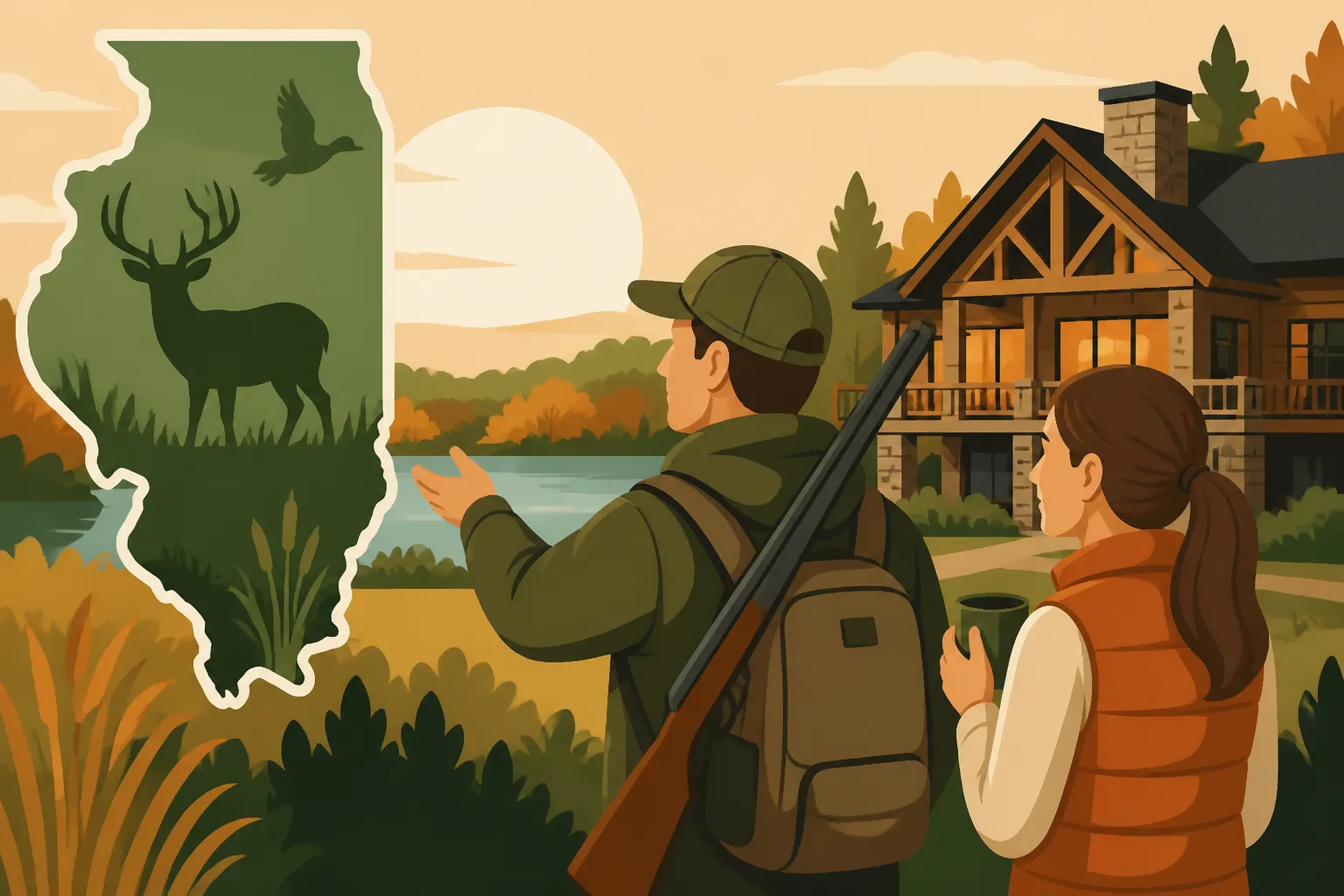
It's a familiar scenario for many of us who hunt: you're planning an incredible trip to an Illinois lodge, maybe chasing a trophy whitetail or calling in some stubborn gobblers, and you can't help but wish your spouse, partner, or even a good friend who doesn't hunt could share in some of the experience. But bringing a non-hunting guest to a lodge isn't always as simple as booking an extra bed; policies vary wildly, and you want to make sure everyone has a great time. This guide will walk you through what to consider when planning to include a non-hunting companion on your next Illinois lodge adventure.
Understanding Lodge Policies and Accommodations for Non-Hunters
One of the biggest hurdles when considering bringing a non-hunting guest is the lodge's specific policy. Not all hunting lodges are created equal, and their approach to non-hunting visitors can range from warmly welcoming to outright prohibiting. It's crucial to understand this upfront to avoid any awkward surprises or disappointments.
Different Lodge Types and Their Stance on Guests
Think about the various kinds of lodges you might encounter in Illinois. Some are purely utilitarian hunting camps, designed to provide a warm bed, hearty meals, and immediate access to the hunting grounds, with little in the way of amenities for someone not actively pursuing game. These might be small, family-run operations deep in the woods of southern Illinois, perhaps near Shawnee National Forest Hunting, where the focus is solely on the hunt. In such a setting, a non-hunting guest might find themselves feeling isolated or bored, as the other guests are all talking strategy, sharing hunting stories, and leaving before dawn. Their accommodations might be shared bunk rooms or basic cabins, which aren't always ideal for a relaxing retreat.
On the other end of the spectrum, you have more upscale, resort-style lodges. These might be found in popular areas known for trophy deer, like those near Pike County Public Hunting Ground, or even along the major river systems for waterfowl. These establishments often cater to a broader clientele, sometimes hosting corporate retreats or family gatherings. They might offer private rooms or suites, comfortable common areas, Wi-Fi, and even some recreational facilities like small gyms, hot tubs, or game rooms. These types of lodges are generally much more amenable to non-hunting guests because they're already set up to offer a more diverse experience beyond just the hunt. Some even actively market themselves as suitable for mixed groups.
Key Questions to Ask Before Booking
Never assume a lodge allows non-hunting guests, or that the experience will be a good one for them. This is where your vetting process truly begins. When you're making initial inquiries, whether it's directly with the lodge owner or through a booking platform like BookYourHunt, be explicit about your intentions. Don't just ask "Do you have availability?" but rather, "I'm interested in booking a hunt for myself, and I'd like to bring my wife/friend who won't be hunting. What are your policies and rates for non-hunting guests?"
Here's a breakdown of specific questions you'll want to ask:
- Guest Fees: What is the additional nightly or package fee for a non-hunting guest? Some lodges might have a flat rate, others might charge per meal, and some might even include it in a slightly higher "couple's package" if they're particularly geared towards it.
- Accommodation: Will the non-hunting guest share your room, or is there an option for a separate space? Are the rooms private with their own bathrooms, or are bathrooms shared? This is a huge factor for comfort.
- Meals: Are meals included for the non-hunting guest at the same rate and schedule as the hunters? What are the meal times? Hunters often eat very early breakfast or late dinner, which might not align with a non-hunter's desired schedule.
- Common Areas & Amenities: What common areas are available for non-hunters to relax in during the day? Is there a lounge, a fireplace, outdoor seating? Is there Wi-Fi, cell service, or television access? These seemingly small details can make a huge difference in their enjoyment.
- Transportation: Is the lodge easily accessible by a standard vehicle, or are gravel roads and remote locations the norm? Will the non-hunter need their own vehicle if they want to explore outside the lodge while you're hunting?
- Noise and Schedule: During hunting season, especially during peak times like Hunting the Rut in Early November, lodges can be buzzing with activity from very early morning. Will this disrupt a non-hunter's sleep or desire for a quiet environment?
- Flexibility: How flexible are they with non-hunter needs? Can they accommodate specific dietary requests or offer suggestions for local activities?
Gathering these details will give you a clear picture of whether a particular lodge is a good fit for a mixed group. Remember, even if a lodge says "yes," the quality of that "yes" can vary greatly.
Activities and Experiences for Non-Hunting Guests
Bringing a non-hunting guest means you've got to think beyond the stand and the blind. What will they do while you're out there chasing game? The success of their trip often hinges on having engaging options, whether at the lodge or nearby.
Lodge-Based Activities and Relaxation
For lodges that are more accommodating, there might be specific amenities designed for relaxation. Imagine a cozy lodge near the Illinois River Valley with a large fireplace, comfortable seating, and perhaps a well-stocked library or board games. A non-hunter could spend their mornings enjoying a leisurely breakfast, catching up on reading, or simply enjoying the quiet of the rural setting. Some higher-end lodges might even boast a small spa, a hot tub, or offer services like massages, which can be a huge draw for someone looking for a relaxing getaway.
If the lodge is situated on a larger property, there might be walking trails for nature photography or birdwatching. Illinois, especially its central and southern regions, is rich in birdlife, and a quiet morning stroll can be incredibly rewarding. If the lodge has a pond or lake, they might even allow casual fishing, providing a tranquil activity that doesn't require a full hunting setup. Always check if fishing gear is provided or needs to be brought.
Consider lodges that are integrated with other outdoor activities. For instance, some may be near a public golf course, or offer horseback riding. While you're tracking that big buck, your guest could be enjoying a round of golf or a scenic ride through the countryside.
Exploring Local Attractions and Illinois Charm
Many hunting lodges, especially those in rural Illinois, are within driving distance of quaint small towns, state parks, or historical sites that offer plenty of diversion. This is where a little pre-trip research really pays off.
For example, if you're hunting in the southern part of the state, your guest might enjoy exploring some of the local wineries along the Shawnee Hills Wine Trail, or visiting sites within Shawnee National Forest Hunting that offer scenic overlooks, hiking trails, or even historical markers. If your hunt is taking place near the Illinois River, there are often charming river towns with antique shops, local eateries, or even small museums detailing the region's history and river commerce.
Potential Local Excursions for Non-Hunters:
| Activity Type | Examples in Illinois | Good For |
|---|---|---|
| Nature & Outdoors | State Parks for hiking, birdwatching, scenic drives | Photography, relaxation, light exercise |
| Culture & History | Small-town museums, historical sites, antique shops | Learning, browsing, unique souvenirs |
| Culinary & Local | Wineries, local diners, farmers' markets | Experiencing local flavor, leisurely outings |
| Relaxation | Lodge amenities (hot tubs, reading nooks) | Unwinding, quiet time, enjoying the rural ambiance |
Checking out sites like GoHunt might give you some insight into the general area, but for specific non-hunting activities, a quick search for local tourism boards or chambers of commerce for the nearest town is your best bet. They often have brochures or websites listing local attractions, events, and dining options. This empowers your non-hunting guest to plan their own mini-adventures while you're focused on the hunt. For instance, if you're near a major flyway, they might even enjoy visiting a wildlife viewing area to watch the incredible spectacles of Illinois Waterfowl on the Mississippi Flyway or the Illinois River.
Logistics and Costs: What to Expect
Even when a lodge welcomes non-hunting guests, there are practical considerations around logistics and cost that need to be addressed before you pack your bags. Transparency here is key for a smooth experience for everyone.
Understanding the Financial Commitment
Bringing a non-hunting guest almost always comes with an additional cost, and it's important to have a clear understanding of what that entails. These fees can vary dramatically, from a nominal nightly charge to a significant percentage of the hunter's package price.
Typical Cost Structures:
- Flat Daily/Nightly Rate: This is common, covering their share of utilities, lodge use, and basic amenities.
- Meal Plan Add-on: If meals are a core part of the hunting package, non-hunters might have an optional or mandatory add-on for their meals. Confirm if this includes all three meals and if there's flexibility.
- Shared Accommodation Fee: Some lodges might charge less if the non-hunter is sharing your room, or a higher rate if they require a separate room.
- Activity-Specific Charges: If the lodge offers specific non-hunting activities, like guided nature walks or spa services, these would likely be extra.
It's helpful to look at the overall cost in context. For example, if you're booking an Average Cost of a Guided Illinois Deer Hunt, adding a non-hunting guest might increase your total trip expense by a notable amount. Always get a clear, itemized quote for both you and your guest. Don't forget to factor in potential costs for your guest's personal excursions, like gas for their car, admission fees to attractions, or meals out if the lodge's meal plan doesn't suit them.
Practical Considerations for the Trip
Beyond the money, think about the day-to-day practicalities.
- Scheduling Alignment: Your hunting schedule will likely involve very early mornings and late returns, especially if you're out Hunting the Second Firearm Season in December or trying to make the most of limited daylight. Will your non-hunting guest be comfortable with this? Do they need access to breakfast at a later, more relaxed time, or will they join the hunters' hurried pre-dawn meal?
- Transportation: If the lodge is remote, how will your non-hunting guest get around? Will they need their own vehicle, or is there a local taxi service? Are you prepared to drop them off and pick them up if they want to explore during your hunting hours?
- Safety and Communication: While you're in the field, your non-hunting guest needs to feel safe and have a way to communicate. Check on cell service availability at the lodge. Make sure they know who to contact at the lodge if they have an issue. It’s always a good idea for anyone venturing out, even for a walk, to let someone know their plans. On some properties, it might even be prudent for non-hunters to wear some blaze orange if they're walking trails during firearm seasons, just as a safety precaution, even if not legally required.
- Shared Spaces: If the non-hunter is spending a lot of time at the lodge during hunting hours, consider if they might inadvertently disturb other hunters who are trying to relax, clean gear, or prepare for their next outing. Most hunters are understanding, but setting clear expectations for respectful shared space is important.
Platforms like BookYourHunt and GoHunt sometimes list "non-hunter friendly" as a feature, but always, always follow up with direct questions to the lodge about their specific offerings and policies to ensure a perfect fit for both you and your companion. Vetting an Illinois Outfitter Before You Book should definitely include questions about non-hunting guests.
Making the Most of Your Mixed-Group Hunt
Bringing a non-hunting guest to an Illinois lodge doesn't have to be a logistical nightmare or a compromise on your hunting experience. With good planning and clear communication, it can actually enhance the trip for everyone involved.
Communication is Key (with the Lodge and Your Guest)
The most important advice here is to over-communicate. Start with the lodge. When you're asking Questions to Ask Before Booking an Illinois Hunt, be upfront about your guest. Confirm all the details about their stay – fees, meals, amenities, and any restrictions – in writing if possible. This eliminates misunderstandings later.
Equally important is communicating with your non-hunting guest. Set realistic expectations about your hunting schedule. Explain that you'll be leaving early, returning late, and that your focus will be on the hunt during those times. Discuss their interests and help them plan activities that will keep them engaged. They might think they want to "just chill" but after a day or two of you being gone, boredom can set in. Having a list of nearby attractions or lodge activities ready can make a world of difference. Maybe they want to join in Illinois Deer Camp Traditions in the evenings, but need a quiet space during the day.
Balancing Hunting Time with Shared Experiences
While the primary purpose of your trip is likely the hunt, making time for shared experiences can elevate the overall enjoyment for both of you. This doesn't mean sacrificing your hunt, but rather being strategic.
Consider dedicating evenings to your non-hunting guest. After you've cleaned up from the day's hunt, perhaps you can share a nice dinner together, discuss their day's adventures, or play a card game in the lodge's common area. Some couples find that having this dedicated "together time" makes the solo hunting hours more manageable for the non-hunter. You could even plan a half-day activity together on one of your non-hunting days, if your permit schedule allows, or on your travel days.
Think about what aspects of the "hunting experience" your guest could enjoy without actually hunting. Perhaps they'd like to join you for a quiet drive to your stand one morning, watching the sunrise over the Illinois countryside, then drop you off and head to a local bakery. Or maybe they'd be interested in seeing the process of field dressing or helping with game recovery (from a distance, of course, if they're squeamish). Sharing photos of your day's hunt, or showing them interesting sign you found, can also bridge the gap. Remember, it's about making them feel included in the overall adventure, not just tolerated.
Research and Flexibility Lead to Success
Your homework doesn't stop once you've booked. Researching local attractions and potential activities for your non-hunting guest before you arrive is crucial. Provide them with a list of options, maps, and even contact information for local businesses. This gives them agency and control over their own schedule. Consider whether a Self-Guided Versus Outfitted Illinois Hunt might affect the non-hunter's experience; an outfitter with a full lodge staff might offer more amenities and support for guests than a remote self-guided camp.
Finally, embrace flexibility. Things might not go exactly as planned, whether it's the weather affecting hunting or a local attraction being closed. A positive attitude and a willingness to adjust will ensure that both you and your non-hunting companion have a memorable, enjoyable trip to Illinois. Understanding what your Lodge Accommodation and Meals entail for both of you is a great step toward that flexibility.
Disclaimer
This article is for general informational purposes only and does not constitute professional advice. Laws, prices and regulations vary by location and change over time. Consult a qualified professional for guidance on your specific situation.