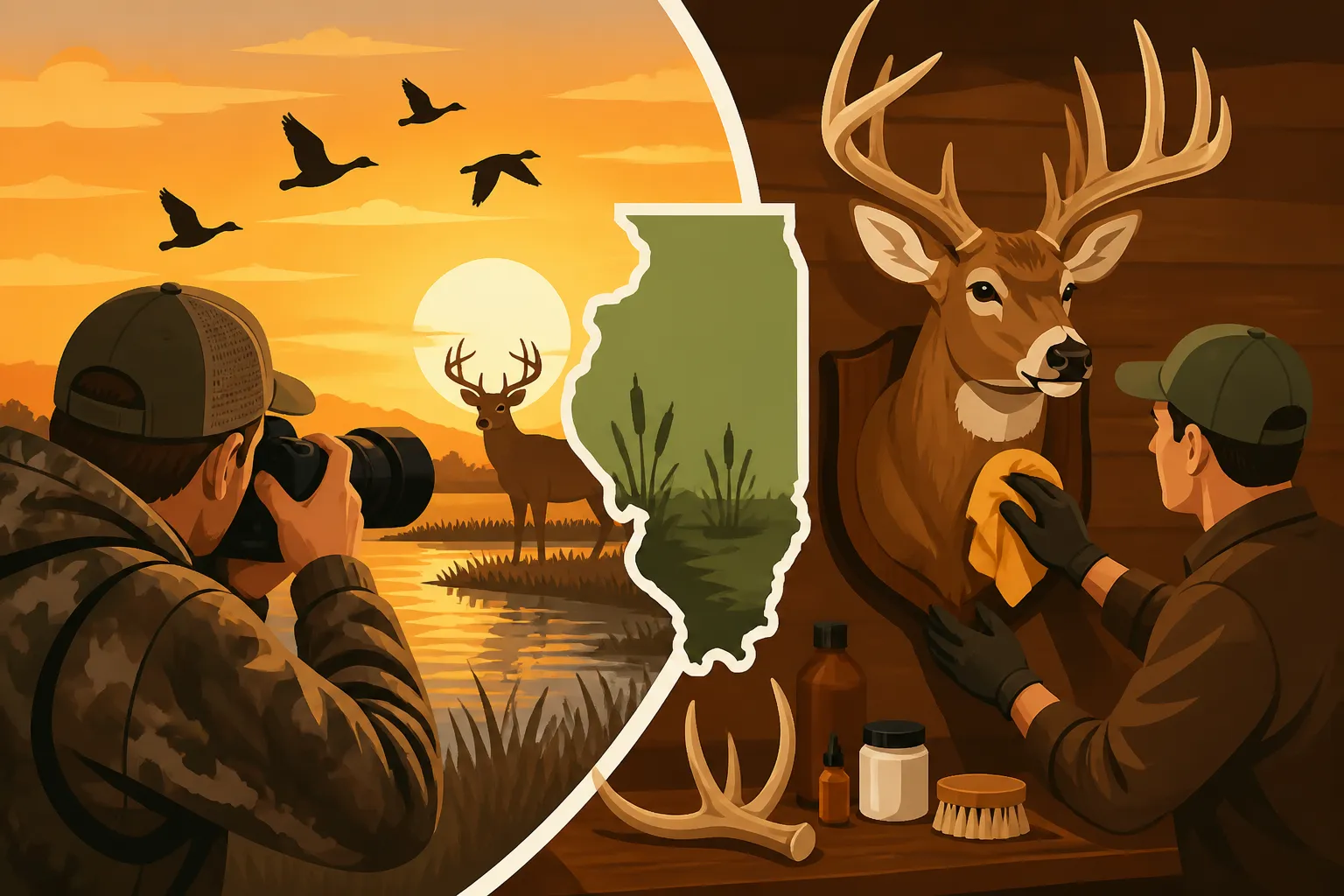
Photography and Trophy Care at the Lodge
There’s nothing quite like the rush of a successful hunt, especially when you’ve put in the work, braved the Illinois elements, and finally brought down that buck or tom. But all too often, that incredible memory can be tarnished by blurry, badly staged photos, or worse, by improper handling that compromises your hard-earned trophy. This guide is all about helping you understand what to expect from hunting lodges and outfitters when it comes to capturing those moments and ensuring your trophy is cared for properly, so your memories last a lifetime.
Capturing the Moment: Photography Services at the Lodge
You've spent days, maybe weeks, scouting, patterning, and enduring chilly mornings in a treestand. When that moment of truth arrives and you make a clean shot, the last thing you want is a shoddy picture that doesn't do justice to the animal or your effort. Good photos aren't just for social media; they're tangible memories, stories you'll share for years to come.
Why Good Photos Matter
Think about it: that photograph becomes the permanent record of your hunt. It's what you show your kids, your grandkids, and your hunting buddies. A poor photo—one with bad lighting, an awkward angle, or a cluttered background—can genuinely detract from the memory. We've all seen those pictures where the hunter is holding the animal by one antler, making it look smaller, or the background is a messy truck bed. These aren't the images that inspire or properly honor the animal. You want a photo that tells a story, that conveys the respect you have for the game and the land. It’s more than just a snapshot; it's a testament to the experience, a piece of your personal hunting legacy.
When you invest time, money, and emotional energy into a hunt, especially a guided one in prime Illinois deer country, you deserve a quality keepsake. Imagine harvesting a magnificent whitetail in Why Pike County Produces So Many Trophy Bucks; you'll want a photo that truly reflects that caliber of animal and the pride you feel. It's not just about bragging rights; it's about preserving a significant life event. The photo is often the first thing people see, and it sets the tone for the story you’re about to tell.
What Lodges Typically Offer
Most reputable Illinois hunting lodges and outfitters understand the importance of quality photos and will factor it into their service. Typically, your guide will be equipped with a smartphone or a decent camera and will be happy to take photos for you. They’re often quite adept at finding good light and backgrounds, as they do this regularly. They might even have a dedicated "photo area" at the lodge or camp, perhaps a nice backdrop with natural light or a scenic view, specifically set up for trophy photos. This takes a lot of the guesswork out of it for you, ensuring a consistent and appealing result.
However, don't just assume they'll read your mind. It's always a good idea to communicate your expectations upfront. Do you want photos of the animal in the field where it fell? Or are you content with photos back at the truck or lodge? Are you comfortable with the guide handling your own camera or phone? Some hunters even bring their own basic tripod and remote shutter for self-portraits, or ask a non-hunting companion to capture the shots. You might also want to ensure the animal is properly cleaned up for the photo—wiping away blood, tucking the tongue in, and arranging the limbs respectfully. A little effort here goes a long way in creating a memorable and respectful image. Discuss these details when you're considering What's Included in an All-Inclusive Deer Package with an outfitter.
Initial Trophy Care: From Field to Freezer
Once the photos are taken, the real work of trophy care begins. How your animal is handled in the immediate hours after the harvest can make or break its potential as a mount or even its quality as table fare. Understanding the typical procedures and what a good lodge offers is crucial.
Field Dressing and Initial Preservation
The very first step, field dressing, is something every hunter should know how to do efficiently. Your guide will undoubtedly assist or handle this, but it’s still good to be prepared. The priority is always to cool the animal down as quickly as possible, especially in Illinois's warmer early season or during a mild late-season day. Removing the entrails immediately helps dissipate body heat, which is vital for both meat quality and preserving the cape. If you're hunting a deer, this process is critical.
After field dressing, depending on how far you are from the lodge, your guide might suggest skinning the animal in the field, or at least getting it back to camp quickly. If you're planning a shoulder mount, the guide will know how to properly cape the animal, making the crucial cuts necessary for a taxidermist to work with. If you plan to do your own taxidermy later or use a specific taxidermist, make sure your guide understands this and knows your preferences for caping, whether it’s a full shoulder cape or a full body skin. Proper caping means cutting far enough back to give the taxidermist plenty of hide to work with. Remember, you can always cut more off, but you can't add it back! For those embarking on their first guided trip, this initial care can feel overwhelming, but a good guide will walk you through every step.
Lodge Freezer and Storage Options
A quality hunting lodge should have adequate facilities to store your trophy, whether it's the entire animal, a caped hide, or just the antlers. Most will have walk-in coolers or large freezers specifically for game. This is especially important for hides that need to be frozen solid before transport to a taxidermist. Without proper cooling and freezing, a hide can quickly begin to spoil, leading to hair slippage and a ruined mount.
Before you book, it's smart to ask about their specific storage capabilities. Do they have a dedicated game cooler? How large is their freezer space? How long can they store your trophy if you have a delay in transport? If you’re hunting waterfowl, they might have specific regulations or facilities for Illinois Duck Daily Bag Limit birds. Some lodges might even offer salting services for hides if freezing isn't an option or for long-term preservation until it reaches your taxidermist. For example, if you harvest a beautiful buck during Hunting the Rut in Early November and plan to stay for several days, knowing your trophy is safely chilling or frozen back at camp provides immense peace of mind.
Preparing for Taxidermy or Transport
Once the hide is caped and cooled, or frozen, the next step is getting it ready for its journey to the taxidermist or your home. Lodges often have supplies on hand for this—heavy-duty plastic bags, freezer paper, and sometimes even large coolers or boxes. The caped hide should be carefully wrapped and labeled. If it's frozen, it should stay frozen until it reaches the taxidermist. For antlers, a simple tag with your name and contact information is usually sufficient.
It’s crucial to prevent freezer burn if the hide will be stored for an extended period, so wrapping it tightly to exclude air is key. Some lodges even have vacuum sealers for capes. For antlers, especially large ones, ensuring they are securely packed to prevent damage during transport is paramount. If you're flying, you'll need to know the airline's specific policies for checked game and antlers. When booking a trip through a resource like BookYourHunt, look for outfitters that clearly outline their post-harvest services. This attention to detail shows they understand the value of your trophy.
Working with Taxidermists and Shipping
The journey from a fresh hide to a finished mount can be a long one, often involving multiple steps and different professionals. Knowing how lodges facilitate this can save you a lot of headache and ensure your trophy arrives safely and in good condition.
Lodge-Recommended Taxidermists
Many Illinois hunting lodges have established relationships with local taxidermists. They might even have examples of these taxidermists' work displayed in the lodge. Using a lodge-recommended taxidermist can offer several advantages:
- Convenience: The lodge can often handle the transfer of your trophy directly to the taxidermist, saving you time and logistics.
- Trust: The lodge trusts the taxidermist's quality and reliability, which can give you peace of mind.
- Local Knowledge: A local taxidermist understands the specific game species in the area and any local regulations.
However, you're never obligated to use their recommendation. If you have a trusted taxidermist back home, you might prefer to ship your trophy to them. Just be sure to discuss this with the lodge beforehand. Ask about the recommended taxidermist's turnaround times and general pricing structure, as these can vary significantly. If you're a nonresident, using a local taxidermist can sometimes simplify the process of getting a finished mount, as they can handle all the interstate shipping requirements once the piece is complete. Don't be shy about asking Questions to Ask Before Booking an Illinois Hunt about their taxidermy relationships.
Shipping Logistics for Trophies
Shipping a trophy, especially a large one like a deer cape and antlers, can be a complex undertaking. If you're driving, it's usually straightforward—just ensure everything is well-packed and secured. If you're flying, however, it gets trickier. Airlines have specific rules for checking antlers (often treated as oversized baggage) and frozen hides. It's vital to research your airline's policies well in advance. Some hunters opt to ship hides and antlers via dedicated freight companies like FedEx or UPS, or through specialized game shipping services.
When considering shipping, always account for any specific regulations, especially regarding Chronic Wasting Disease (CWD). If you've hunted in a CWD-positive county in Illinois, there are strict rules about Moving a Deer Carcass Out of a CWD County. Generally, only deboned meat, clean skull plates, and capes (free of brain and spinal tissue) can cross state lines from CWD zones. Your lodge or guide should be well-versed in these regulations and help ensure your trophy is prepared to meet them. This is where using a platform like GoHunt to research outfitters and their policies can be invaluable, as they often detail these practical considerations.
Understanding Costs and Timeline
It’s important to remember that taxidermy is an investment, and quality work takes time. The cost of a shoulder mount can vary widely based on the species, the complexity of the pose, and the artist's reputation. Expect to pay a deposit upfront, with the remainder due upon completion. Don't be surprised if the turnaround time for a deer shoulder mount is anywhere from 12 to 24 months, sometimes even longer for custom work or during busy seasons.
Shipping costs for frozen hides and antlers can also add up, especially for larger specimens or if expedited shipping is required. Always get quotes for both taxidermy and shipping before committing. A good outfitter should be transparent about typical costs associated with Taxidermy Arrangements Through an Illinois Guide or Shipping Game Meat Home After an Illinois Hunt. Here’s a general idea of considerations:
| Service/Item | Typical Arrangement at Lodge | Hunter Responsibility/Cost Implications |
|---|---|---|
| Photography | Guide takes photos, dedicated photo area | Ensure clear communication; may use hunter's camera; post-processing |
| Field Dressing | Guide assists/performs | Hunter should understand basics for efficiency |
| Caping | Guide performs for shoulder/life-size mount | Hunter specifies mount type; ensures clean cuts |
| Freezer Storage | Lodge has walk-in cooler/freezer for hides | Confirm capacity and duration; proper wrapping to prevent freezer burn |
| Taxidermy Referral | Lodge recommends local taxidermist | Hunter can use own taxidermist; check reputation & turnaround |
| Shipping Arrangement | Lodge assists with local drop-off or packing | Hunter pays shipping costs; ensures compliance with CWD regulations |
| Trophy Tags/Permits | Lodge may assist with local requirements | Hunter responsible for all necessary permits/tags; Illinois Deer Reporting Requirements |
Choosing the Right Lodge for Your Trophy Goals
Your hunting trip is an investment, and securing not only a great experience but also a lasting memory in the form of a well-cared-for trophy requires a bit of foresight. Don't leave these details to chance.
Questions to Ask Before Booking
When you're comparing lodges and booking your Illinois hunt, adding a few specific questions about photography and trophy care to your list can make a huge difference. Don’t be afraid to be thorough; reputable outfitters will appreciate your preparedness.
Here are some key questions to consider:
- "What kind of photography services do your guides typically provide after a successful harvest? Do you have a designated area for trophy photos?"
- "What are your facilities for game care? Do you have walk-in coolers or freezers for capes and meat? How long can you store a caped hide for me?"
- "Do you have a taxidermist you recommend locally? If so, what are their typical turnaround times and how does the transfer process work?"
- "If I want to use my own taxidermist, what assistance can you provide with preparing the cape/antlers for shipping, or arranging for a freight pickup?"
- "What are the specific CWD regulations for carcass movement in the county we'll be hunting, and how do you ensure compliance for hunters planning mounts?" (This is crucial, especially if you're hunting in a county like Boone or Winnebago, part of Illinois's Chronic Wasting Disease Zone).
- "What's your policy if I harvest a smaller animal but still want to cape it for a euro mount?"
Asking these kinds of questions will not only give you a clear picture of what to expect but will also help you Vetting an Illinois Outfitter Before You Book. Their answers will reflect their professionalism and attention to detail, indicating whether they prioritize the entire hunter experience, from the shot to the mount.
Reviewing Outfitter Policies and Client Testimonials
Beyond asking direct questions, always take the time to thoroughly review an outfitter's website, brochures, and any booking contracts. Look for explicit mentions of game handling, cold storage, and taxidermy services. If it’s not clearly stated, that’s a red flag and definitely warrants a phone call.
Seek out testimonials or reviews from past clients, particularly those that mention trophy quality or satisfaction with post-hunt services. While every hunt has variables, consistent positive feedback on trophy handling speaks volumes. Websites like BookYourHunt or GoHunt often feature detailed outfitter profiles and client reviews that can be incredibly helpful in this research phase. Pay attention to how the outfitters present their trophy photos on their own sites; do they look professional and respectful? The way they showcase their past successes is often a good indicator of the care they put into each animal. Ultimately, a successful hunt isn't just about punching a tag; it's about making memories that last, and proper photography and trophy care are integral to that lasting experience.
Disclaimer
This article is for general informational purposes only and does not constitute professional advice. Laws, prices and regulations vary by location and change over time. Consult a qualified professional for guidance on your specific situation.