Taxidermy Arrangements Through an Illinois Guide
Harvesting a trophy animal in Illinois is an incredible experience, but the immediate aftermath can sometimes feel like a whirlwind, especially for nonresident hunters or those new to guided hunts. Many hunters find themselves wondering, "Okay, I got my buck (or gobbler, or duck) – now what do I do to make sure this memory lasts forever on my wall?" This guide is here to walk you through the ins and outs of taxidermy arrangements when you're hunting with an Illinois guide, helping you understand the process, your responsibilities, and how to ensure your hard-earned trophy is cared for properly.
The Critical First Steps: Post-Harvest Care of Your Trophy
Let's be honest, in the excitement of a successful hunt, the last thing many of us are thinking about is the precise cut for a shoulder mount. But the care your animal receives in the first few hours after the shot is absolutely paramount to the quality of the final taxidermy piece. This isn't just about preserving the meat for the table; it's about safeguarding the hide, antlers, or feathers that will become your lifelong keepsake. Illinois guides, especially those specializing in big game like deer, are generally very knowledgeable about initial trophy care, but understanding the basics yourself can prevent costly mistakes and ensure you get the mount you envision.
Field Care for Shoulder Mounts
When you're dreaming of that majestic whitetail shoulder mount gracing your living room, proper field care is the foundation. It starts literally minutes after you recover the animal. For a shoulder mount, the skin needs to be caped out correctly, which involves making specific cuts to ensure there's enough hide for the taxidermist to work with. Generally, this means a long cut down the back, far enough behind the shoulder to allow for a pedestal or full shoulder mount without running short on hide. The hide needs to be kept clean, cool, and free from dirt or blood.
Imagine you've just taken down a beautiful 10-point buck in Pike County, Illinois, with your guide. The guide will typically assist you with field dressing. Now, if you want a shoulder mount, you need to communicate this clearly before any cuts are made. Your guide will likely know the exact caping process. They'll ensure the hide is cut properly around the brisket and legs, leaving ample material. Getting the hide off and cooled down quickly is crucial to prevent hair slippage, especially if the weather is warm. If you're hunting during Hunting the Rut in Early November or Hunting the Late-Season December Lull, cold weather works in your favor for cooling, but you still need to prevent freezing if possible, as rapid thawing can also cause issues.
Antlers and Skull Mounts
If your ambition is a European skull mount or simply keeping the antlers, the initial care is far less demanding, but still important. For antlers, the primary concern is protecting them from damage during transport. This means ensuring they aren't jostled, broken, or scratched when you're dragging the animal out of a thick woodlot or loading it into the truck. Guides often have specific methods for securing antlers to minimize movement.
For a European skull mount, the entire skull needs to be kept intact. While you can typically just remove the head from the body and leave the skin on for a short period, it's best to get it to a cooler environment quickly. Your guide might offer to skin the head for you right away. This prevents decomposition around the delicate nasal bones and eye sockets, which are essential for a clean, professional-looking skull mount. Don't forget that transporting a full head, especially with meat and hide still attached, might have specific regulations, particularly if you're crossing state lines or dealing with Illinois's Chronic Wasting Disease Zone. Always ask your guide or check the Illinois Department of Natural Resources (IDNR) rules.
How Illinois Guides Streamline Taxidermy Arrangements
One of the often-overlooked benefits of booking a guided hunt in Illinois is the potential assistance with post-harvest logistics, including taxidermy. A good guide doesn't just put you on game; they help you manage the entire experience, and that often extends to ensuring your trophy gets from the field to a taxidermist safely and efficiently. This can be a huge relief, especially for non-resident hunters who might not have the time or resources to handle intricate details themselves.
Guide Recommendations and Local Connections
Illinois is renowned for its deer hunting, particularly in areas like Pike and Adams counties, which means there's a strong network of reputable taxidermists. Most seasoned guides have established relationships with local taxidermists they trust. They know who does quality work, who charges fairly, and who has a good turnaround time. This local knowledge is invaluable. Instead of you frantically searching online for a taxidermist near your hunting lodge, your guide can provide immediate, vetted recommendations.
Think of it this way: your guide works with these taxidermists year after year. Their reputation is often tied to the quality of the overall experience, and that includes the final mount. If a guide consistently recommends a subpar taxidermist, it reflects poorly on them. This built-in accountability often means you're getting a recommendation for someone truly skilled. Many hunters use platforms like GoHunt or BookYourHunt to find reputable outfitters, and it's smart to include questions about their taxidermy services when you're vetting potential guides. Don't hesitate to ask your guide about their preferred taxidermists and why they recommend them. It's part of Questions to Ask Before Booking an Illinois Hunt.
Basic Processing and Storage Options
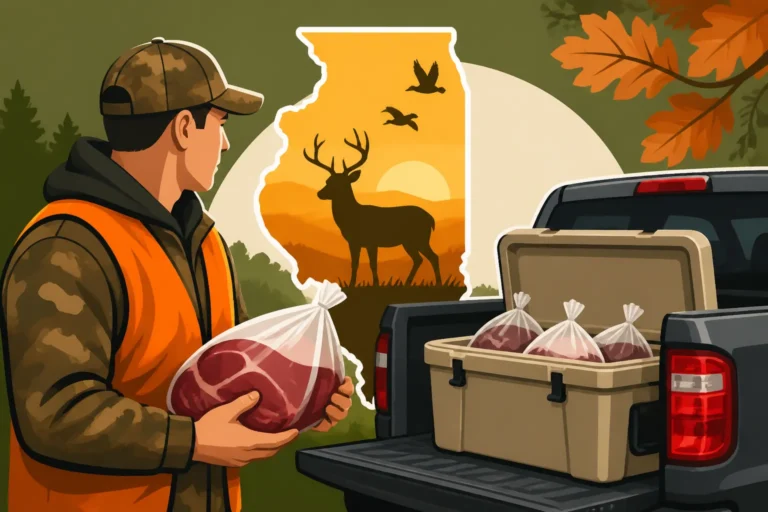
Once your animal is caped and the antlers are secured, the next challenge is preserving it until it reaches the taxidermist. This is where your guide can offer significant assistance. Many Illinois outfitters, especially those with dedicated lodges or facilities, have freezer space available. They might offer to bag and freeze your cape and skull plate, keeping it safe from spoilage until you can pick it up or it can be transported to a taxidermist. This is particularly helpful if you're staying for several days or traveling a long distance home.
Some guides go a step further, offering to salt the hide. Salting is a traditional and highly effective method for preserving a cape over a longer period, drying out the moisture to prevent bacterial growth and hair slippage. If your guide offers this service, it can be a real game-changer for preserving the quality of your trophy. Always confirm what specific services are included in What's Included in an All-Inclusive Deer Package or discuss these options and potential additional fees upfront.
Coordination with Taxidermists
The highest level of assistance an Illinois guide might offer is directly coordinating the drop-off of your trophy with a local taxidermist. This is incredibly convenient, especially for nonresident hunters who might be flying in and out of Illinois and cannot easily transport a frozen cape. In such cases, the guide takes responsibility for getting your trophy to the taxidermist's shop.
This might involve a quick phone call from the guide to their preferred taxidermist after your hunt, letting them know a trophy is coming and discussing your specific requests for the mount. Sometimes, the guide will even handle the initial paperwork with the taxidermist on your behalf, though you'll always confirm the details directly with the taxidermist later. This level of service speaks volumes about an outfitter's dedication to client satisfaction. When you're comparing different outfitters, perhaps through a service like BookYourHunt, always dig into the specifics of their post-harvest care and taxidermy coordination.
Your Responsibilities and Expectations for Trophy Care
While your Illinois guide can be an invaluable partner in ensuring your trophy receives proper care, ultimately, the responsibility for your mount's success rests with you. It's crucial to be proactive, communicate clearly, and understand the logistics and potential costs involved. Don't assume anything; always ask direct questions.
Communicating Your Desires Pre-Hunt
This is perhaps the most critical step you can take. Before you even leave for your hunt, and certainly before you head into the field with your guide, discuss your taxidermy plans. Tell your guide what kind of mount you're hoping for. Do you want a shoulder mount? A pedestal mount? Just the antlers for a European mount? This information is vital because the initial field cuts for each type of mount are different.
For instance, if you only want a European mount, your guide won't need to make the extensive caping cuts required for a shoulder mount. Conversely, if you want a shoulder mount and don't communicate this, and the animal is simply field-dressed and head removed without proper caping, you could end up with insufficient hide for your desired mount. A simple conversation at the beginning of your trip can prevent significant disappointment later on. This also allows the guide to advise on any specific considerations, like what to do if you harvest a deer in a Illinois's Chronic Wasting Disease Zone county, where additional regulations regarding carcass movement might apply.
Understanding Costs and Logistics
Taxidermy is an investment, and the costs associated with it are entirely separate from your guided hunt fees. Your guide is there to help facilitate the process, not to pay for it. Be prepared for the financial commitment of a quality mount. Beyond the taxidermist's fee, consider potential shipping costs if you live out of state. If your guide offers to freeze or salt your hide, clarify if there's an additional charge for these services.
Shipping an uncured hide and skull plate can be expensive due to weight and the need for expedited, refrigerated transport. The taxidermist might offer options for tanning the hide and shipping it to you later, or even shipping the completed mount. Get clear estimates for all these potential costs directly from the taxidermist. Resource platforms like GoHunt often have forums or articles where hunters share experiences with outfitters and their associated services, including taxidermy handling, which can offer insight into typical costs.
Vet the Taxidermist Independently
Even with a guide's glowing recommendation, it's always wise to do a bit of your own research on the suggested taxidermist. Look for online reviews, check their website or social media for examples of their work, and even call them to ask questions yourself. This gives you peace of mind and ensures their style aligns with your expectations.
Here’s a table of important questions to ask your Illinois guide regarding taxidermy arrangements:
| Question Category | Specific Questions to Ask Your Guide |
|---|---|
| Pre-Harvest Care | What are your standard procedures for field dressing if I harvest a deer? What specific cuts do you make for a shoulder mount versus a European mount? Do you provide assistance with caping in the field? What should I do if I want a full body mount (e.g., a coyote)? What steps are taken to keep the hide clean and cool immediately after the harvest? |
| Post-Harvest Handling | Do you have facilities to freeze or salt the hide/skull if I'm not leaving right away? Is there an additional fee for freezing or salting services? How long can my trophy be stored at your facility if I need to make arrangements? What's your process for protecting antlers during transport from the field to the lodge or taxidermist? |
| Taxidermist Details | Do you have preferred local taxidermists you recommend? Can you provide their contact information and website/portfolio? What is their typical turnaround time for a shoulder mount? Do they offer shipping services for completed mounts? Do you assist with dropping off the trophy at the taxidermist's shop, and is there a fee for this? What information will the taxidermist need from me directly? |
| Logistics & Costs | What are the approximate costs for various types of mounts (shoulder, European, etc.) from the taxidermists you recommend? What are the typical shipping costs for a finished mount back to my home state? Are there any specific paperwork or tag requirements for the taxidermist to accept my animal? Are there any CWD regulations I need to be aware of when considering taxidermy, especially if I'm taking the trophy out of Illinois? |
Avoiding Common Pitfalls with Guided Hunt Taxidermy
Even with the best intentions and the most helpful guide, things can sometimes go sideways. Being aware of potential problems and taking preventative measures can save you a lot of heartache and ensure your trophy is exactly what you hoped for. This is where foresight and clear communication truly shine.
Damage in Transit or Storage
One of the most common issues arises from improper handling or storage between the field and the taxidermist. A hide that isn't frozen quickly enough can "slip," meaning the hair begins to detach from the skin. This can ruin a mount. Similarly, antlers can break or chip if not secured properly during transport, whether in the back of a truck or during a long flight.
Ensure you understand exactly how your trophy will be stored at the guide's facility (if applicable) and how it will be protected during any onward travel. If you're driving home with a frozen cape, bring a quality cooler with plenty of ice or dry ice to keep it solid. If your guide is dropping it off at a local taxidermist, confirm that arrangement and get the taxidermist's contact information so you can follow up. Checking reviews on sites or forums like those found on GoHunt can give you insights into how previous clients rated an outfitter's attention to detail regarding trophy care.
Miscommunication with the Guide or Taxidermist
A significant portion of problems in life, and certainly in hunting, comes down to miscommunication. Did you tell your guide you wanted a shoulder mount, or did you just assume they knew? Did you specify if you wanted the skull plate left attached for a European mount? Did you tell the taxidermist you wanted an open-mouth pose versus a closed-mouth one?
Be explicit in all your communications. Send follow-up emails to the taxidermist confirming your requests. When talking with your guide, be precise about your expectations for post-harvest care. Don't rely on gestures or vague statements. This is particularly important for non-resident hunters who are traveling a long distance and won't be present for every step of the process. Your guide will likely be busy with other hunters, so clear, concise instructions are key. If you're thinking about Booking an Illinois Hunt as a Nonresident, ensure taxidermy logistics are high on your list of questions.
Unforeseen Costs
Nobody likes surprises, especially when it comes to money. While your guide can provide estimates for taxidermy, they aren't the taxidermist. Get a direct quote from the taxidermist for your specific mount and any associated services like tanning, crating, or shipping. Confirm payment schedules – typically a deposit upfront and the balance upon completion.
Also, be aware of potential costs related to CWD testing and carcass disposal if you hunt in an affected county. While this isn't directly a taxidermy cost, it's a related post-harvest expense. Illinois has specific regulations regarding Illinois CWD Testing for Hunters and Illinois Carcass Movement Restrictions for deer harvested in CWD counties. Understanding all potential costs upfront will prevent any financial shocks down the road and allow you to budget properly for your treasured trophy. Remember to consider all aspects of your trip, even small ones like How Much to Tip an Illinois Deer Guide, to fully plan your hunting budget.
Disclaimer
This article is for general informational purposes only and does not constitute professional advice. Laws, prices and regulations vary by location and change over time. Consult a qualified professional for guidance on your specific situation.