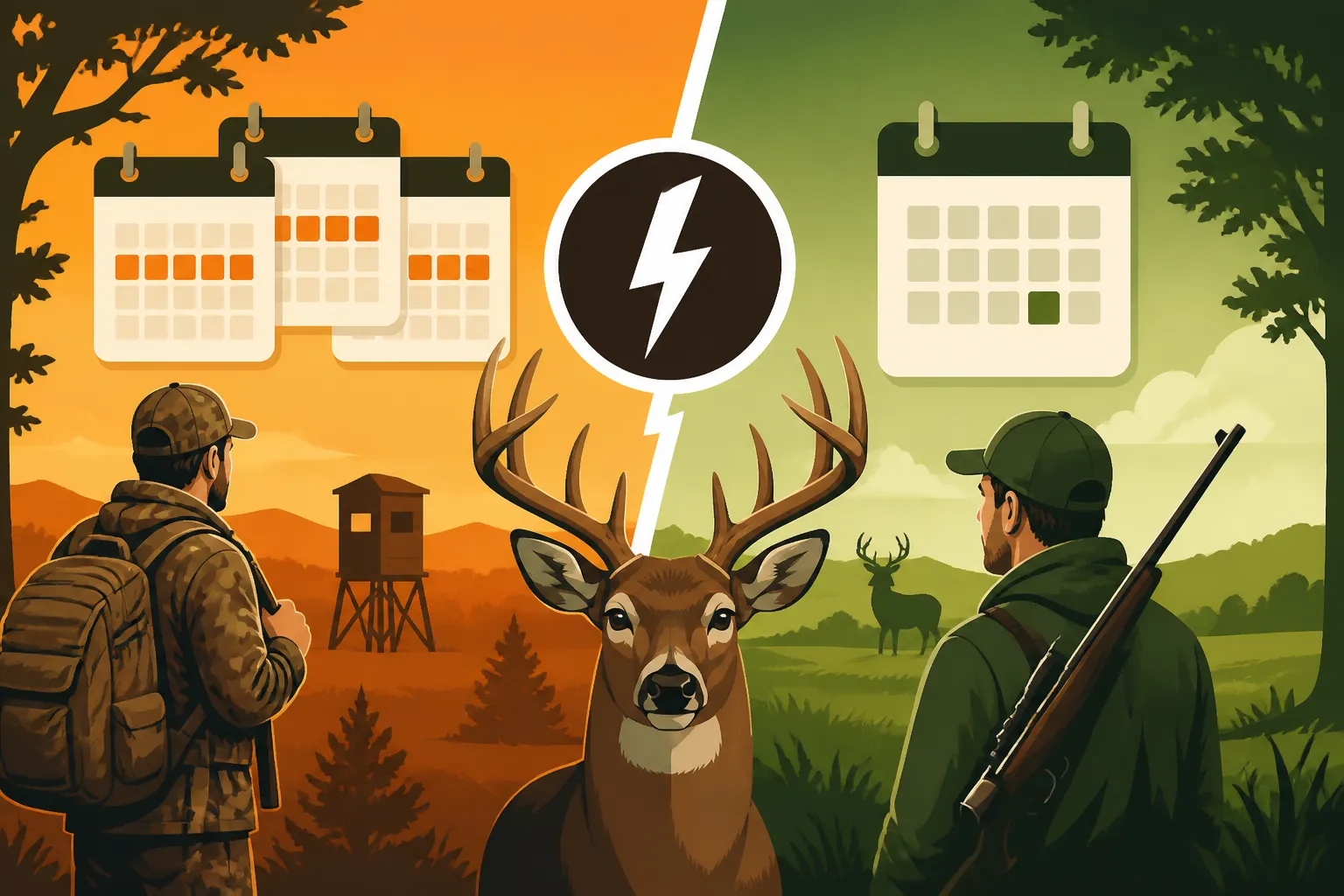
Multi-Day Versus Day-Rate Deer Guides
Deciding how to tackle an Illinois deer hunt can feel like navigating a maze, especially when you're weighing the benefits of bringing in a professional guide. For many, the big question isn't just if to hire a guide, but what kind of guided experience makes the most sense – a quick, focused day hunt, or a more immersive, multi-day adventure? This guide aims to clear up that confusion, diving deep into the pros and cons of multi-day versus day-rate deer guides, helping you tailor your next hunt to your exact needs and expectations.
Understanding the Guided Hunt Landscape in Illinois
Illinois has earned its reputation as a premier destination for whitetail deer hunting, particularly for those chasing a mature buck. This draw naturally brings a robust outfitting industry, from small, family-run operations to larger lodges offering all-inclusive experiences. It's a fantastic resource for hunters, especially non-residents or those new to a specific area, but the sheer variety can be overwhelming. Before we get into the specifics of day rates versus multi-day packages, it’s important to understand the general lay of the land when it comes to guided hunts in the Prairie State.
What to Expect from an Outfitter
When you book with an Illinois outfitter, you're generally buying into their expertise, their knowledge of local deer movements, and often, access to prime private land that would otherwise be unavailable. Most reputable outfitters provide a range of services, including pre-scouted stand locations, transportation to and from those stands, and game retrieval. Some go above and beyond, offering meals, lodging, and even game processing assistance. The level of service can vary wildly, which is why understanding the nuances between hunt types is so crucial. A good outfitter, whether for a day or a week, should be transparent about what's included and what's extra, ensuring there are no surprises once you're in camp.
Types of Illinois Deer Guides
Illinois outfitters cater to a diverse clientele, meaning you’ll find everything from bare-bones guiding services that simply put you on a stand, to luxurious lodge experiences. Generally, guides fall into a few categories: the full-service lodge, the independent guide, and the landowner-guide. Full-service lodges often offer comprehensive Illinois Lodge and Package Hunts which are typically multi-day affairs, including meals, lodging, and sometimes even processing facilities. Independent guides might be more flexible, often offering both day rates and shorter multi-day packages, typically without a fancy lodge, focusing purely on the hunt itself. Landowner-guides utilize their own property, offering intimate knowledge of specific parcels. The key is to match the guide type to your expectations and budget, as each offers a different experience and price point. Platforms like BookYourHunt can be a great starting point to explore these different options and read reviews from previous hunters.
The Appeal of a Day-Rate Deer Guide
A day-rate deer guide can be an incredibly appealing option for specific types of hunters. It offers a unique blend of focused assistance without the commitment or higher price tag of an extended trip. This approach is particularly popular for residents or those who live close enough to make repeated, shorter trips, or even for non-residents looking to add a quick, strategic hunt to a longer, self-guided trip.
Flexibility and Focus
The primary draw of a day-rate hunt is its inherent flexibility. You're not tied to a rigid schedule, and you can often choose specific days that align with favorable weather patterns, peak deer activity, or your personal availability. Imagine you're watching the forecast and see a significant cold front rolling through central Illinois, known to get the deer on their feet. A day-rate guide allows you to capitalize on that precise window, rather than hoping a multi-day booking happens to coincide. This "strike when the iron's hot" mentality can be a huge advantage. You might target a specific Hunting the Rut in Early November window or aim for a late-season sit when the deer are concentrated on specific food sources. It's a highly focused approach, often geared towards a single objective: getting into prime whitetail territory for a short, intense hunt.
For instance, a hunter might live just a couple of hours from the famous Pike County Public Hunting Ground and decide to book a single day with a local guide known for patterning deer in certain agricultural fields. They might already have their Illinois Resident Deer Permit Options sorted and just need that extra edge of local knowledge and access to increase their odds during a specific weather window. The guide sets them up, they hunt, and at the end of the day, they're heading home, often with a story to tell, and hopefully, venison for the freezer. This model empowers hunters to direct their efforts precisely.
Ideal Scenarios for Day Rates
Day rates shine in several specific scenarios. If you're an experienced hunter but new to Illinois, a day guide can provide a crucial "scouting mission" with expert assistance, helping you understand the local terrain and deer behavior without committing to a full week. It's also ideal for those with limited vacation time or a tighter budget who still want the benefit of professional guidance. Think of it as a tactical strike rather than a prolonged campaign. You might use a day guide for a specific challenge, like trying to fill an antlerless tag in a particular area, or simply to get an introduction to hunting Southern Illinois ridgelines without having to invest in a full week of unfamiliar territory.
Another common use for day-rate guides is for hunters who've secured their own private land access but want a second opinion on stand placement or current deer movement. A guide might come out, walk the property with you, and offer insights for a day, effectively acting as a highly skilled consultant. This can transform a so-so hunting spot into a productive one with just a few hours of expert input, saving you countless hours of trial and error.
Potential Drawbacks
While day rates offer undeniable benefits, they come with their own set of potential drawbacks. The most significant is the limited time on task. Deer hunting is unpredictable, and sometimes, it simply takes time for the patterns to emerge, for the weather to break, or for that mature buck to make a mistake. A single day might not be enough to overcome these variables. You could hit a slow day, a bad weather window you didn't anticipate, or just get unlucky, and then your investment for that day is gone with no opportunity to try again the next morning.
Another drawback is the lack of deeper immersion. You might not get to know the guide or the property as well as you would on a multi-day trip. There's less opportunity to adjust strategies based on real-time observations over several days. You're often going into a pre-determined stand with less input on the daily tactics. For hunters who value the full experience of camp life, camaraderie, and learning the nuances of a new area, a day rate can feel too transactional and rushed. It's truly about the immediate hunt, often sacrificing the broader experience that many cherish about deer season.
Embracing the Multi-Day Guided Deer Hunt
For many, the quintessential guided hunting experience in Illinois involves a multi-day trip. This approach offers a depth of engagement and opportunity that single-day hunts simply can't match, providing a comprehensive package that addresses many facets of the hunting adventure beyond just pulling a trigger.
Immersive Experience and Logistics
Booking a multi-day hunt, whether it’s a Three-Day Illinois Deer Package Pricing or a full week, is about more than just the hours spent in a stand. It's an immersive experience. You get to settle in, learn the rhythm of the deer, the guide, and the land. Over several days, you can build a rapport with your guide, asking questions, sharing observations, and developing a more nuanced understanding of the hunting area. This longer duration allows for adjustments in strategy based on evolving conditions – perhaps moving stands due to changing winds, or targeting a different food source after a couple of slow days. The logistics are often handled, from lodging and meals to transport and game care, allowing you to focus purely on the hunt. Illinois Deer Camp Traditions often thrive in these multi-day settings, fostering a sense of community among hunters and guides.
Imagine arriving at a comfortable lodge in West-Central Illinois, known for Why Pike County Produces So Many Trophy Bucks. Your guide greets you, and you spend the evening discussing the game plan, reviewing trail cam photos, and getting to know the other hunters. Over the next few days, you hunt mornings and evenings, returning to the lodge for warm meals, stories, and debriefing. If the morning stand isn't producing, the guide might suggest trying a new spot in the afternoon based on fresh intel. This sustained effort and the ability to adapt are huge advantages.
Maximizing Your Chances
The extended duration of a multi-day hunt directly translates to increased opportunities to harvest a deer. Deer hunting isn't always about the first sit; sometimes it's about being persistent, being in the right place when conditions finally align. More days in the field mean more chances for that trophy buck to walk by, more opportunities to observe patterns, and more flexibility to deal with unforeseen challenges like sudden weather changes or temporary deer movement shifts. It allows for the possibility of a "slow start" turning into a successful hunt as the days progress and you and your guide fine-tune the approach.
Consider a scenario where the weather turns unseasonably warm for the first two days of your hunt. Deer movement might be minimal. With a multi-day package, you have the luxury of waiting it out, knowing that a cold front is forecast for day three. On that third morning, with the temperature drop, the deer are suddenly on their feet, and you're there, ready for it. This patience and the ability to ride out less-than-ideal conditions are crucial for maximizing your success rate, particularly when pursuing a specific class of animal. Plus, many outfitters offer Trophy Buck Guides in Pike and Adams Counties that truly shine when given multiple days to work with.
Common Multi-Day Packages
Multi-day guided hunts in Illinois typically come in various packages designed to fit different budgets and timeframes. The most common are 3-day, 5-day, and 7-day hunts. These often include lodging, meals (ranging from basic camp fare to gourmet meals), transportation to and from stands, and assistance with game recovery and initial field dressing. Some high-end packages might even include caping for taxidermy or arrangements for meat processing.
| Feature | Day-Rate Guided Hunt | Multi-Day Guided Hunt |
|---|---|---|
| Duration | Typically 1 day | Usually 3, 5, or 7 days |
| Focus | Specific, targeted hunt | Immersive experience, sustained effort |
| Lodging | Not included; you arrange your own | Often included (lodge, cabin, camp) |
| Meals | Not included; you bring your own | Frequently included |
| Guide Rapport | Limited interaction, transactional | Builds over time, more personal |
| Flexibility | High for selecting specific days | Less flexible once booked, more adaptive during hunt |
| Success Odds | Can be high if conditions align, but limited attempts | Increased over time due to sustained effort & adaptation |
| Cost Shape | Lower upfront per day, but adds up for multiple days | Higher upfront for package, but often better value for duration |
| Ideal For | Local hunters, quick trips, scouting, specific conditions | Non-residents, trophy hunters, full experience seekers |
When researching, pay close attention to the details of what's included in each package. Questions to Ask Before Booking an Illinois Hunt should always include specifics about lodging quality, meal provisions, and what happens if you harvest a deer early in your trip.
Cost Considerations: Day Rate vs. Multi-Day
When planning any significant hunting trip, the budget is almost always a primary concern. The cost difference between a day-rate guide and a multi-day package can be substantial, but it's important to look beyond the raw numbers and consider the overall value, inclusions, and potential for success.
Breaking Down the Expenses
On the surface, a day-rate guide might seem like the more economical choice. You're paying for just one day of service, which will undoubtedly be a lower single figure than a multi-day package. However, if you're planning on booking multiple individual day hunts throughout a season, those costs can quickly accumulate and potentially surpass the price of a comprehensive multi-day package. Furthermore, day rates often don't include lodging, meals, or any extensive amenities. You'll need to factor in your own expenses for accommodation, food, and travel for each day you hunt.
A multi-day package, while presenting a higher initial cost, frequently bundles these expenses. The price typically covers several days of guided hunting, comfortable lodging, and often all your meals. For Illinois Nonresident Deer Permit Costs, a multi-day trip can make the investment in the tag feel more worthwhile by maximizing your time in the field with expert assistance. When comparing, don't just look at the guide fee; calculate the total out-of-pocket expenses for each option, including all incidentals. Some outfitters might have different rates for archery season versus Hunting the Illinois Rut in Early November or the firearm seasons, so always confirm those details.
Value Beyond the Dollar
The true value of a guided hunt extends beyond its monetary cost. With a multi-day booking, you're investing in an experience, education, and increased opportunity. The ability to learn from your guide over several days, adapt to changing conditions, and enjoy the camaraderie of a hunting camp often justifies the higher price for many hunters. You gain local knowledge that can benefit future self-guided hunts, and you're statistically increasing your odds of encountering and harvesting a quality animal simply by having more time in the field. This can be especially true if you are after a Illinois Boone and Crockett Whitetails class of animal, which requires persistence.
A day rate, while cost-effective for a single, focused effort, doesn't offer the same depth of experience. It's often a pragmatic choice for specific situations rather than a full immersion into the hunting culture of Illinois. For some, the cost of a multi-day trip might be a stretch, but the memories, the knowledge gained, and the higher probability of success can make it a worthwhile investment in the long run. Resources like GoHunt can often provide insights into what different package types typically include and what past clients have experienced regarding value.
The Investment in Success
Ultimately, choosing between a day-rate and multi-day guide is an investment in your hunting success and enjoyment. If your definition of success is a quick, strategic strike for a specific animal or an efficient way to learn a new area, a day rate might be perfect. You want to focus intensely for a short burst, then move on.
However, if success for you means a more relaxed pace, the opportunity to truly settle into the hunt, absorb the environment, and adapt your strategy over time, then a multi-day package offers a superior return on investment. It provides a buffer against bad weather days, slow deer movement, or simply the learning curve of a new property. It’s about more than just the kill; it's about the journey, the education, and the sustained pursuit of an Illinois whitetail. Many hunters find that Vetting an Illinois Outfitter Before You Book includes looking at how flexible the outfitter is with their multi-day package if circumstances, like a family emergency, force a change in plans.
Making the Right Choice for Your Illinois Deer Hunt
Choosing between a day-rate or multi-day guided deer hunt in Illinois isn't a one-size-fits-all decision. It truly boils down to understanding your own hunting style, available time, and budget. By carefully considering these factors, you can make an informed decision that leads to a memorable and successful experience.
Assessing Your Hunting Style
Your personal hunting philosophy plays a huge role here. Are you a "get in, get out" hunter who thrives on quick, intense strikes, or do you prefer to settle into a location, observe, and let the hunt unfold over several days? If you're someone who loves the challenge of patterning deer quickly and making a precise move, a day rate might align with your style. You're confident in your abilities and just need that access and initial setup.
However, if you appreciate the slower pace, the gradual accumulation of knowledge about a specific area, and the camaraderie of a hunting camp, a multi-day hunt is likely more your speed. It allows for a deeper connection to the land and the experience, offering a more traditional and immersive hunting adventure. Consider if you prefer the self-reliance of Self-Guided Versus Outfitted Illinois Hunts with just a little help, or if you truly want to be taken care of for the duration of your stay.
Time and Travel Constraints
For many, practical considerations like available vacation days and travel distance dictate the type of hunt they can undertake. If you're an Illinois resident living a couple of hours from a prime deer zone, popping down for a day hunt with a guide might be a perfectly feasible and appealing option. You save on lodging and can be home in your own bed at night.
For non-residents, or those traveling a significant distance, a multi-day hunt often makes more sense. The cost and effort of travel justify a longer stay to maximize the time spent hunting. It's simply not practical to fly across the country for a single day of hunting. A multi-day package allows you to truly immerse yourself and make the most of your journey. Booking a Pike County Whitetail Outfitter often involves out-of-state hunters seeking an extended experience in the trophy rich region.
The Role of Budget
Let's be realistic: budget is always a factor. While a day rate has a lower upfront cost, remember to account for all additional expenses (travel, food, lodging if staying overnight). A multi-day hunt has a higher sticker price, but often rolls many of those extras into one convenient package. It's about finding the best value for your hard-earned dollars, not just the cheapest option. Sometimes, spending a bit more for an all-inclusive multi-day trip can actually save you money and headaches in the long run by simplifying logistics and boosting your chances of success.
Before you make any decisions, call a few outfitters. Ask them What a Guided Illinois Trophy Deer Hunt Costs for both day rates and multi-day packages. Get clear quotes that detail exactly what is included. Don't be shy about asking for references from past clients to get an honest assessment of their experiences. Checking online reviews on platforms like BookYourHunt or GoHunt can also provide valuable insight into an outfitter's track record for both day-rate and multi-day hunters. Ultimately, the best guided hunt is the one that fits your personal circumstances, maximizes your enjoyment, and puts you in the best position for success.
Disclaimer
This article is for general informational purposes only and does not constitute professional advice. Laws, prices and regulations vary by location and change over time. Consult a qualified professional for guidance on your specific situation.