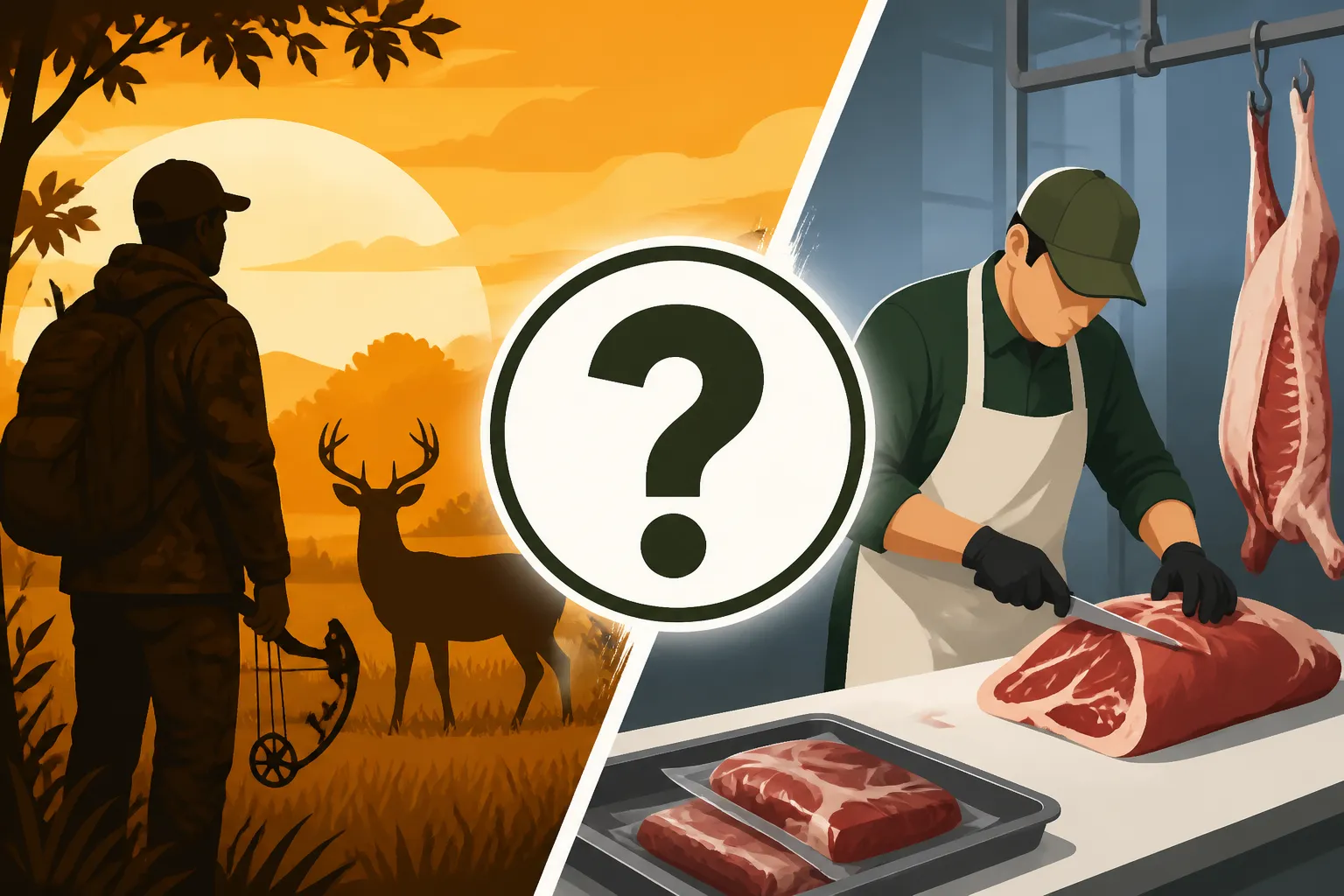
Do Guided Hunts Include Processing?
It's a common question, and one that often causes a little head-scratching for hunters, especially those new to booking guided trips in Illinois: "Does my guided hunt actually include the processing of my deer or turkey?" Many folks assume it's an all-inclusive deal, from the field to the freezer, but the reality is often more nuanced than that. This guide will walk you through what to expect regarding game processing when you book an outfitted hunt here in the Prairie State.
The Standard Inclusions of a Guided Hunt
When you book a guided hunt in Illinois, you're generally paying for the outfitter's expertise in locating game, navigating the terrain, and providing transportation during the actual hunt itself. This often includes things like getting you to and from your stand, providing a comfortable blind, and offering valuable insights into local game behavior. Think of it as purchasing the hunting experience and the guide's knowledge to maximize your chances of success.
Field Dressing: A Near Universal Service
One aspect that almost all guided hunts in Illinois will include is field dressing. This is the critical first step after harvesting an animal, where the internal organs are removed to cool the carcass quickly and prevent spoilage. It's a messy but essential job, and reputable guides understand its importance. They typically handle this efficiently right there in the woods, or at a nearby designated spot, ensuring your hard-earned venison or turkey meat starts its journey to preservation on the right foot.
Imagine harvesting a beautiful buck deep in the timber of the Shawnee National Forest. Dragging that animal out whole, especially if you're a nonresident or aren't familiar with the area, can be an immense task. Your guide is there to help make that process manageable. They'll perform the field dressing, which significantly lightens the load and begins the cooling process, crucial for meat quality, especially in warmer early-season conditions. This initial step is fundamental, and it’s one less thing you, as the hunter, need to worry about immediately after the shot. It also ensures the meat is ready for the next stage of transportation.
Transportation of the Carcass to Camp or a Processor
After field dressing, your guide will almost always assist with getting the carcass from the kill site back to a central location, usually the hunting camp, lodge, or a designated drop-off point. This might involve strapping it to an ATV, loading it into a truck, or even using a game cart to get it to an accessible road. The key here is that they get it out of the woods and to a place where you can then arrange for its further processing.
Consider a scenario where you've tagged a fantastic gobbler during Spring Turkey Hunting in Illinois. Your guide calls it in beautifully, and you make a clean shot. Now you've got a hefty bird. The guide will field dress it and then help transport it back to the truck. From there, your responsibility often begins. They might take it directly to a local processor if one is conveniently located and you've made prior arrangements, or they'll bring it back to the lodge’s designated cooler or hanging area. It's important to understand this distinction: getting it out of the field and to a primary drop-off point is part of the service, but what happens after that initial drop-off is often up to you.
Why Full Processing is Often a Separate Service
The full processing of game — breaking down the carcass into cuts, grinding meat, making sausage, packaging, and freezing — is a specialized trade that requires specific equipment, facilities, and considerable time. Most hunting outfitters, while experts in guiding and field care, aren't set up to operate a full-scale butchery. This is why full processing is almost universally treated as a separate service, whether handled by the hunter themselves or by a professional third-party processor.
The Expertise and Equipment Required for Full Processing
Think about what goes into turning a whole deer into steaks, roasts, and ground venison. It’s not just a matter of a sharp knife; it involves precise cutting, often using saws for bone, meticulous trimming, grinding machines, vacuum sealers, and large freezers to handle multiple animals at once. Maintaining these facilities to health and sanitation standards is a full-time job in itself. Outfitters focus on the hunt; professional processors focus on meat preparation. These are two distinct businesses, each requiring different skill sets and infrastructure.
An outfitter might have a walk-in cooler to hang deer for a few days, allowing the meat to age slightly or simply keeping it cold until you can take it to a processor. However, transforming that hanging carcass into neatly packaged cuts takes a dedicated space, specialized tools, and hours of labor. This is especially true when you consider the volume of animals that might be harvested during peak seasons, such as Illinois's Two Firearm Deer Seasons. Expecting an outfitter to perform this level of detail for every client in addition to running hunts is simply not realistic.
Logistical Challenges for Outfitters
Imagine an outfitter hosting several hunters during an intense week of Hunting the Illinois Rut in Early November. If each hunter harvests an animal, the outfitter would suddenly have a significant backlog of butchering to do, taking them away from guiding or preparing for the next day's hunt. Their primary business is guiding, not meatpacking. The logistics of consistently processing multiple animals for various clients, all with potentially different preferences for cuts and packaging, would be a monumental undertaking and simply not feasible for most operations.
Furthermore, consider the legal and health regulations involved in meat processing. Commercial processors must adhere to strict guidelines regarding cleanliness, storage temperatures, and waste disposal. Many outfitters simply don't have the certifications, facilities, or insurance to safely and legally perform extensive meat processing services. They want to ensure you have a great hunt and leave with healthy, well-cared-for game, but that usually means handing off the more intricate processing to specialists.
Options for Game Processing After the Hunt
So, once your deer or turkey is field-dressed and back at camp, what are your options for getting it processed into table-ready meat? You generally have a few avenues to explore, depending on your preferences, skills, and budget.
Local Professional Processors in Illinois
This is by far the most common and often recommended option, especially for out-of-state hunters or those who don't have the time or facilities to process their own game. Illinois has numerous small, independent meat lockers and processors, particularly in rural hunting regions like Pike County or the areas surrounding the Illinois River Valley, that specialize in wild game. These businesses are usually very familiar with deer, turkey, and other species, offering a range of services from basic cuts and grinding to more elaborate options like sausage making, jerky, and even custom seasoning.
When considering a professional processor, be prepared for an additional cost. Processing fees vary based on the animal size, desired cuts, and any specialty products you request. It's always a good idea to research processors before your hunt. You can often find recommendations from your outfitter, local hunting forums, or by searching online for "game processors near [your hunt area]." While platforms like BookYourHunt or GoHunt are primarily for finding hunts, they sometimes have community forums or resources where hunters discuss local services, including processors. Just be sure to call ahead to confirm their operating hours, pricing, and turnaround times, especially during busy seasons like Hunting the Second Firearm Season in December.
Self-Processing at Camp or Home
For the DIY hunter, processing your own game is a rewarding experience and a great way to save money. If you have the necessary tools, space, and knowledge, this is a perfectly viable option. Many hunters prefer to butcher their own animals, allowing them complete control over the cuts and ensuring that every scrap of meat is utilized to their liking.
If you plan to self-process at camp, ensure your outfitter allows it and that you have access to a clean, well-lit area, a sturdy table, and access to water for cleanup. You'll need a good set of butchering knives, a cutting board, meat bags or vacuum sealer, and coolers filled with ice or access to a freezer. For larger animals, a game hoist can be invaluable. If you're transporting the whole carcass home to process, ensure it's properly chilled for the journey. This is especially critical if you're traveling a long distance from southern Illinois back north or out of state. Field Dressing a Deer in Cold Weather can make this easier, but warm weather requires extra diligence with ice.
Outfitter-Recommended or Partnered Services
Some outfitters, recognizing the need for post-harvest services, will have established relationships with local processors. They might even offer to transport your animal to their preferred processor for you, sometimes for a small additional fee, or as part of a more premium package. This can be a huge convenience, especially for nonresidents. In these cases, the outfitter acts as a liaison, making the initial arrangements with the processor on your behalf.
It's crucial to confirm these details upfront. Ask your outfitter directly if they have a preferred processor, what the expected costs are, and how payment to the processor is handled (do you pay the outfitter, or do you pay the processor directly when you pick up your meat?). This streamlines the process considerably and can prevent any last-minute scrambling after a successful hunt.
Always Clarify Before Booking
The golden rule of booking any guided hunt is communication. Never assume anything. To avoid any confusion or unexpected costs, always have a clear conversation with your outfitter about their game processing policies before you put down a deposit. A reputable outfitter will be transparent about what is and isn't included in their hunt packages.
Key Questions to Ask About Processing
When you're speaking with a potential outfitter, make sure to ask these specific questions related to game processing:
- What exactly is included in your service regarding harvested game? (e.g., field dressing, quartering, transportation to camp, storage?)
- Do you have facilities at camp to hang or store my animal until it can be processed? (e.g., walk-in cooler, freezer space)
- Do you have a recommended local processor? If so, what are their estimated costs, and do they handle all types of game (deer, turkey, hogs)?
- Will you transport my animal to a local processor for me? Is there an additional fee for this service?
- What is the typical turnaround time for local processors during the season?
- If I want to process my own game, are there designated areas or rules for doing so at your camp?
- What are my options for shipping meat home if I'm a nonresident? (Processors often offer shipping services, but it's good to confirm.)
- What happens with the cape or antlers if I want to have a taxidermy mount done? (Most outfitters will handle skinning for a taxidermist, but confirm details and potential fees.)
By asking these questions, you’ll not only gain clarity but also demonstrate that you’re a thoughtful and prepared client, which outfitters appreciate.
Understanding Your Outfitter's Contract
Many guided hunts involve a written contract or agreement. Read this document carefully before signing. Any services related to game processing, or lack thereof, should be clearly outlined. If something isn't clear, don't hesitate to ask for clarification in writing. This protects both you and the outfitter and ensures there are no misunderstandings down the road.
If the contract states that field dressing is included but makes no mention of further processing, you can safely assume that anything beyond field dressing will be your responsibility or an additional cost. Don't be shy about seeking these details. Hunters often have specific plans for their trophy and their meat, whether it's getting a Boone and Crockett Whitetails officially measured, or simply ensuring their venison is properly handled for Cooking a Wild Turkey Breast. Knowing the processing arrangements upfront allows you to plan accordingly, budget for additional expenses, and make arrangements for your meat and trophy long before you ever step foot in the Illinois woods.
Here's a quick summary of what to generally expect:
| Service | Typically Included in Guided Hunt | Typically Excluded (Hunter's Responsibility/Extra Cost) | Notes |
|---|---|---|---|
| Guide Services | Yes | No | Expertise, land access, in-field assistance |
| Field Dressing | Yes | No | Removal of organs to cool carcass, usually at kill site |
| Transportation to Camp/Lodge | Yes | No | Getting carcass from kill site to a central drop-off point |
| Initial Carcass Storage | Often (e.g., walk-in cooler) | No | Temporary cooling until further processing can occur |
| Full Butchering/Processing | No | Yes | Breaking down into cuts, grinding, packaging, freezing |
| Specialty Meat Products | No | Yes | Sausage, jerky, snack sticks, etc. |
| Taxidermy Preparation | No (often separate fee) | Yes (often separate fee) | Skinning for mount, caping, skull cleaning |
| Shipping Meat/Trophy | No | Yes | Arranging and paying for shipment to your home or taxidermist |
| Trophy Care | No (often separate fee) | Yes (often separate fee) | Salting hides, freezing capes for transport |
Disclaimer
This article is for general informational purposes only and does not constitute professional advice. Laws, prices and regulations vary by location and change over time. Consult a qualified professional for guidance on your specific situation.