First-Timer Packages at Illinois Lodges
Stepping into the world of hunting can feel a bit overwhelming, especially when you're dreaming of big Illinois whitetails or gobblers but aren't quite sure where to begin with permits, scouting, or even where to lay your head at night. Many first-timers find themselves paralyzed by the sheer amount of planning involved, wondering if they're missing a crucial step or simply don't have the local know-how. This guide is all about simplifying that journey, focusing on first-timer packages offered by Illinois hunting lodges that aim to smooth out the learning curve and get you right into the heart of the hunting experience.
What Makes a Package "First-Timer Friendly"?
When you're new to hunting, the idea of traveling to a new state, navigating regulations, finding public land, and scouting for game can feel like a monumental task. This is where "first-timer friendly" lodge packages truly shine, designed to remove much of that initial stress and equip you with the knowledge and experience you need to build confidence.
The All-Inclusive Appeal
One of the biggest draws for a novice hunter is the "all-inclusive" nature of these specialized packages. Imagine arriving at a lodge, dropping your bags, and realizing that everything from your meals to your transportation to the stand has been meticulously arranged. This isn't just about luxury; it's about removing the logistical burdens that often deter new hunters. For instance, if you're a nonresident, figuring out Illinois Hunting Licenses and What They Cost and securing the right permits can be a puzzle in itself. A good lodge package often walks you through that process or includes advice, letting you focus on the excitement of the hunt rather than the paperwork.
The peace of mind that comes with these packages is invaluable. You won't be worrying about where to grab dinner after a long day in the woods, or if you've parked in the right spot on unfamiliar public land. Instead, you'll be able to fully immerse yourself in the experience, learning from seasoned professionals and soaking in the atmosphere. This holistic approach means less time stressing over details and more time enjoying what you came for: the thrill of the chase and the beauty of the Illinois landscape. It's truly a launchpad into the hunting lifestyle.
Mentorship and Support
Beyond the logistics, the core of a first-timer package often revolves around dedicated mentorship and unwavering support from experienced guides. For someone new to the woods, a guide isn't just a person who leads you to game; they're an instructor, a safety officer, and a local expert rolled into one. They can teach you everything from how to read deer sign, understand wind direction, ethically take a shot, and even the nuances of Field Dressing a Deer in Cold Weather. This hands-on guidance is critical because it builds a foundation of good hunting practices and ethics right from the start.
Guides understand that a first-timer might have a million questions, from how to climb into a treestand safely to interpreting a grunt call. They're patient and eager to share their knowledge, ensuring you feel comfortable and confident every step of the way. This mentorship extends beyond the immediate hunt, often including discussions about habitat, game management, and the broader conservation efforts that Illinois hunters contribute to. It's an immersive educational experience that significantly shortens the learning curve compared to trying to figure it all out alone.
Typical Inclusions in a First-Timer Lodge Package
When you're considering a first-timer hunting package in Illinois, it's helpful to know what you can generally expect to be covered. While offerings vary, most reputable lodges build their beginner packages around a common set of inclusions designed for convenience and a smooth introduction to the sport.
Lodging and Meals
The heart of any lodge package, especially for first-timers, is often the comfortable accommodations and hearty meals. After a long day of walking, sitting, or tracking, there's nothing quite like returning to a warm, inviting lodge rather than pitching a tent or driving to a motel. These lodges can range from rustic and cozy cabins nestled deep in the timber to more modern facilities with all the comforts of home. Many offer shared common areas where hunters can swap stories, strategize for the next day, and build camaraderie, which is a fantastic part of the hunting experience that often gets overlooked.
Meals are typically home-cooked and plentiful, designed to fuel you for early mornings and late evenings in the field. Think big breakfasts before dawn and filling dinners after dark. This means you don't have to worry about packing food, cooking, or finding restaurants in unfamiliar rural areas. The focus remains squarely on the hunt and the learning experience. Always confirm the meal schedule and if any dietary restrictions can be accommodated when you book.
Guide Services and Field Transport
Perhaps the most valuable inclusion for a first-timer is the dedicated guide service. Your guide is your personal hunting mentor and expert on the local terrain and game. They will have extensively scouted the area, set up stands, and identified prime hunting locations. Whether you're hunting deer in the timbered hills of Southern Illinois or waterfowl along the Illinois River Valley, your guide's knowledge of animal behavior, movement patterns, and prevailing conditions is indispensable.
Field transport is another key component. Guides will typically drive you to and from hunting spots, often using ATVs, trucks, or specialized UTVs to access remote areas safely and efficiently. This saves you the trouble of navigating unfamiliar back roads or tracking down access points, especially on larger tracts of public or leased land like those found in Shawnee National Forest Hunting. They'll also assist with game recovery, Dragging a Deer Out of a River Bottom if necessary, and getting your animal back to the lodge for field dressing and processing. This level of support ensures that even the physically demanding aspects of hunting are manageable for a new participant.
Essential Gear and Equipment
While you'll always be responsible for your personal hunting apparel, licenses, and permits, many first-timer packages include access to essential hunting gear that can be a significant upfront cost for new enthusiasts. This often means blinds, treestands, decoys for waterfowl, and sometimes even calls or specific scent elimination products. It takes the guesswork out of what gear is needed for a particular hunt and ensures you're using equipment that's suitable for the local conditions.
For example, if you're coming for a duck hunt, the lodge will likely provide the layout blinds, a full decoy spread, and a trained retriever, allowing you to focus on shooting and enjoying the spectacle of the migration. If it's a deer hunt, they'll have proven treestands or ground blinds already in place. It's always crucial to clarify what specific gear is provided and what you're expected to bring yourself. This way, you can pack appropriately and avoid any surprises once you arrive. Just remember, your Illinois Hunter Education Requirements will need to be met before you can even consider stepping into the field with a weapon.
Key Species and Seasons for First-Timers
Illinois offers an incredible diversity of hunting opportunities, and several species and seasons are particularly well-suited for a first-timer looking to gain experience with the guidance of a lodge package. These packages often highlight hunts that combine good success rates with engaging experiences.
Deer Hunting Opportunities
Whitetail deer are, without a doubt, the most popular game animal in Illinois, making deer hunting packages a common choice for beginners. The state is renowned for its deer herd, especially in certain regions known for producing large bucks. First-timer packages for deer hunting usually focus on either archery or firearm seasons. Archery season, which begins in early fall, offers a longer window and a more intimate experience, teaching patience and stealth. Guides will often have stands pre-hung in strategic locations, such as along Scrape Lines Along a Logging Road or overlooking prime Late-Season Food Sources for Illinois Whitetails.
Firearm season, typically a couple of short, intense weekends, offers higher success rates due to the broader weapon options allowed, including shotguns and straight-wall rifles. Many lodges will center their first-timer deer hunts around these periods, leveraging the excitement and collaborative atmosphere of the firearm season. A guided deer hunt during key periods like Hunting the Rut in Early November can provide an unforgettable introduction to the sport, with guides helping you understand deer movement, interpret sign, and make ethical shot decisions. You'll learn the importance of wind, scent control, and patience, all under expert supervision.
Turkey Hunting for Novices
Spring turkey hunting is another fantastic option for a first-timer, offering a completely different but equally thrilling experience. Unlike the often solitary nature of deer hunting, turkey hunting is highly interactive, relying on calling and strategic setups. Illinois has strong turkey populations across its different zones. First-timer turkey packages often focus on the vibrant spring season, when gobblers are actively vocal and responsive to calling. Your guide will handle all the intricate calling sequences, from soft hen yelps to aggressive gobbler sounds, aiming to bring a bird into range.
Imagine sitting against a big oak tree at dawn, listening to the woods come alive, and then hearing a booming gobble answer your guide's call. It's an adrenaline rush like no other. Guides will teach you about Calling an Illinois Gobbler Off the Roost, proper setup, and how to stay concealed as a bird approaches. They'll also help you understand the specific rules and challenges of the different Illinois Spring Turkey Zones and Periods. This direct interaction with the game and the constant communication with your guide make it an incredibly engaging and educational hunt for someone new to the sport.
Waterfowl Introductions
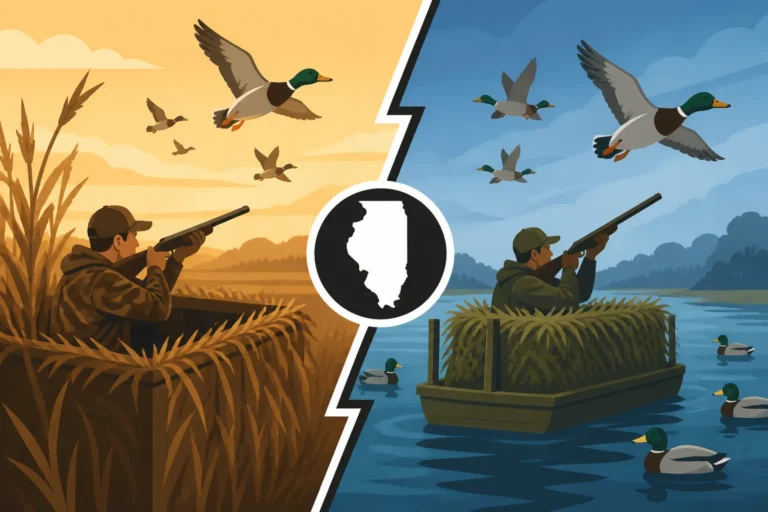
For those drawn to the spectacle of migratory birds, guided waterfowl packages offer an exciting way for first-timers to experience duck and goose hunting without needing a full spread of decoys, specialized blinds, or a trained dog. Illinois sits squarely in the Mississippi Flyway, making it a critical corridor for migrating ducks and geese. These packages are particularly beneficial for beginners because waterfowl hunting often requires significant logistical effort – hauling heavy decoys, setting up blinds in challenging conditions, and understanding complex bird behaviors.
A guided waterfowl hunt typically involves hunting from comfortable, well-brushed blinds, often in flooded timber, agricultural fields, or along river backwaters. Your guide will have done all the hard work: setting up hundreds of decoys, scouting for feeding or resting birds, and ensuring you're in a prime location for the morning or evening flight. They'll also handle the calling, and most importantly, they'll have a trained retriever to fetch downed birds. This allows first-timers to focus on proper shooting technique, understanding bird identification, and soaking in the incredible experience of a flock of mallards or geese cupping their wings over the decoys.
Questions to Ask Before Booking Your First Guided Hunt
Booking your first guided hunt is a significant investment, both financially and in terms of your time and expectations. To ensure a positive experience, especially as a first-timer, it's absolutely crucial to ask plenty of questions before committing. Don't be shy; a good outfitter will appreciate your thoroughness.
Understanding the Logistics
Before you put down a deposit, you need a crystal-clear picture of what your hunt will actually entail. Start with the basics: What is the typical guide-to-hunter ratio? Is it one-on-one, or will you be sharing a guide with other hunters? For a first-timer, more individualized attention can be a huge benefit. Ask about the daily schedule: What time do you typically leave the lodge in the morning? How long are you expected to stay in the stand or blind? Knowing the physical demands is important too; will there be long walks, or is transport mostly by vehicle? If you have any physical limitations, disclose them upfront to ensure they can accommodate you.
Beyond the hunt itself, ask about game recovery protocols. What happens if you make a marginal shot and a deer runs a long distance? Does the outfitter have tracking dogs, or what is their process for Blood Trailing After Dark in Illinois? Also, clarify what happens after an animal is harvested. Is field dressing included? What about processing the meat? Some lodges offer basic field dressing and caping for taxidermy, while others have arrangements with local processors. Companies like BookYourHunt and GoHunt often provide platforms where you can read reviews and ask specific questions directly to outfitters, which can be incredibly helpful for gathering this logistical information.
Clarifying Costs and Expectations
This is where many first-timers get tripped up, so it's vital to have every financial detail ironed out. Beyond the base package price, what other costs should you anticipate? Licenses and permits are almost always separate, so inquire about the specific Illinois Resident Deer Permit Options or Illinois Nonresident Deer Permit Cost you'll need, and if the outfitter can assist you in acquiring them. Tipping your guide is standard practice and often a significant part of their income, so ask about typical gratuity expectations.
| Feature | Typical Inclusion | Potential Exclusions/Add-ons | Important for First-Timers |
|---|---|---|---|
| Lodging | Included (shared or private room) | Luxury upgrades, single occupancy fees | Rest and comfort are paramount after long days; social aspect often appreciated |
| Meals | Included (breakfast, lunch, dinner) | Snacks, alcoholic beverages, specific dietary requests | Focus on the hunt, not cooking or finding food in unfamiliar areas |
| Guide Service | Dedicated, experienced guide | 1:1 vs. 1:2 hunter-to-guide ratio, additional guide days | Direct mentorship, safety, and local expertise are crucial for learning |
| Field Transport | Included (to/from hunting spots) | Personal vehicle use on public land | Ensures access to prime hunting locations safely and efficiently |
| Basic Equipment | Blinds, treestands, decoys, calls | Personal firearm, ammunition, optics, scent control gear, clothing | Reduces initial gear investment, ensures appropriate equipment for the hunt |
| Game Recovery | Included (tracking, retrieval) | Extra charge for specialized tracking dogs over long distances | Ethical hunting prioritizes recovery; guide's experience is invaluable |
| Field Dressing & Initial Care | Included (at the lodge) | Full butchering/processing, taxidermy preparation beyond basic caping | Learn valuable skills, ensures meat is handled correctly post-harvest |
| Hunting Licenses/Permits | Not included | Outfitter might assist with application process (e.g., Illinois Site Permit Draw Process) | Mandatory legal requirement; budget separately and secure well in advance |
| Gratuities for Guides | Not included | Varies based on satisfaction and length of hunt | Essential part of guide compensation; always budget for tipping |
| Taxidermy & Meat Processing | Not included, but referrals usually available | Shipping costs for trophy or meat home | Plan for post-hunt services and logistics to preserve your harvest |
Don't forget to ask about cancellation policies and what happens in unforeseen circumstances, like severe weather or personal emergencies. Understanding the contract terms fully, especially regarding deposits and refunds, will prevent any unpleasant surprises down the road. Some outfitters might have affiliations with organizations like Booking a Pike County Whitetail Outfitter or Illinois River Duck Guide Day Rates for specific types of hunts. Asking these detailed questions upfront ensures that your first guided hunt in Illinois is a well-planned, enjoyable, and educational experience.
Disclaimer
This article is for general informational purposes only and does not constitute professional advice. Laws, prices and regulations vary by location and change over time. Consult a qualified professional for guidance on your specific situation.