Off-Season Scouting Trips With an Illinois Guide
It's easy to feel overwhelmed when hunting season rolls around in Illinois. You've got limited time, maybe a new piece of public land you're trying to figure out, or a private parcel where you just haven't quite "cracked the code." The pressure to make every minute count can make it hard to truly learn the land. This guide is all about taking that pressure off, showing you how an off-season scouting trip with an Illinois guide can transform your hunting success and understanding of the whitetail woods.
Why Off-Season Scouting is a Game-Changer in Illinois
Let's face it, most hunters cram all their scouting into a frantic few weeks right before opening day, or worse, try to figure things out on the fly during the season. This often leads to missed opportunities, frustration, and a nagging feeling that you're just scratching the surface. Off-season scouting, especially with a knowledgeable local guide, flips that script. It allows you to build a comprehensive understanding of your hunting grounds long before the first arrow or slug flies.
Beyond the "Day Of" Experience
Think about it: during deer season, every rustle, every snapped twig feels amplified. You're trying to be stealthy, trying to read fresh sign, and hoping a buck doesn't materialize out of nowhere before you're ready. It's a high-stress, high-focus situation, and it's not ideal for deep learning. When you hire a guide for an actual hunt, their primary goal is to put you on an animal that day. While invaluable, it doesn't always provide the in-depth education you might crave about why that spot is good, or how the deer consistently use the terrain.
An off-season scouting trip, however, changes that dynamic entirely. There's no pressure of the hunt. You can walk through bedding areas, explore thickets, examine old rub lines, and even sit in potential stand locations for an extended period, absorbing the landscape. This unhurried exploration allows for real teaching moments. A good guide can show you a subtle creek crossing you'd never notice under a foot of leaves in November, or explain how a particular wind direction funnels deer right past a certain tree. This deep dive helps you connect the dots between topography, food sources, and deer movement in a way that's impossible when you're focused on making a shot.
Uncovering Hidden Gems Without Hunting Pressure
One of the biggest advantages of off-season scouting is seeing the land without deer on high alert. During the season, deer are incredibly sensitive to pressure, and often melt into the thickest cover, making their patterns harder to discern. In the late winter or early spring, after shed antlers have dropped, or in the summer when crops are tall, the woods tell a different story. The signs are older, yes, but they reveal consistent patterns of movement. Scouting Illinois Public Land Before Season is a common strategy, but a guide amplifies your efforts.
An experienced guide can interpret faint trails, old rubs, and subtle changes in vegetation that indicate historical bedding or travel routes. They've seen these properties through countless seasons and can explain how deer use specific river bottoms, timbered ridges in places like Shawnee National Forest, or the transition zones along central Illinois farm fields. Without the stress of imminent encounters, a guide can literally walk you through a deer's life cycle on that property – showing you where they bed in different wind conditions, where they water, and the natural funnels they use to get from feeding to bedding. They can point out areas that get overlooked by other hunters, those "hidden gems" that might only give up a mature buck once a year, but are goldmines if you know how to access and hunt them. This is especially true for Finding Ground Others Walk Past on pressured public land.
What to Expect from an Off-Season Scouting Trip with an Illinois Guide
So, you're convinced that off-season scouting is the way to go. But what does a typical trip actually look like? It's not just a walk in the woods; it's an immersive educational experience designed to empower you with knowledge and confidence for future hunts.
Focus on Sign, Habitat, and Strategy
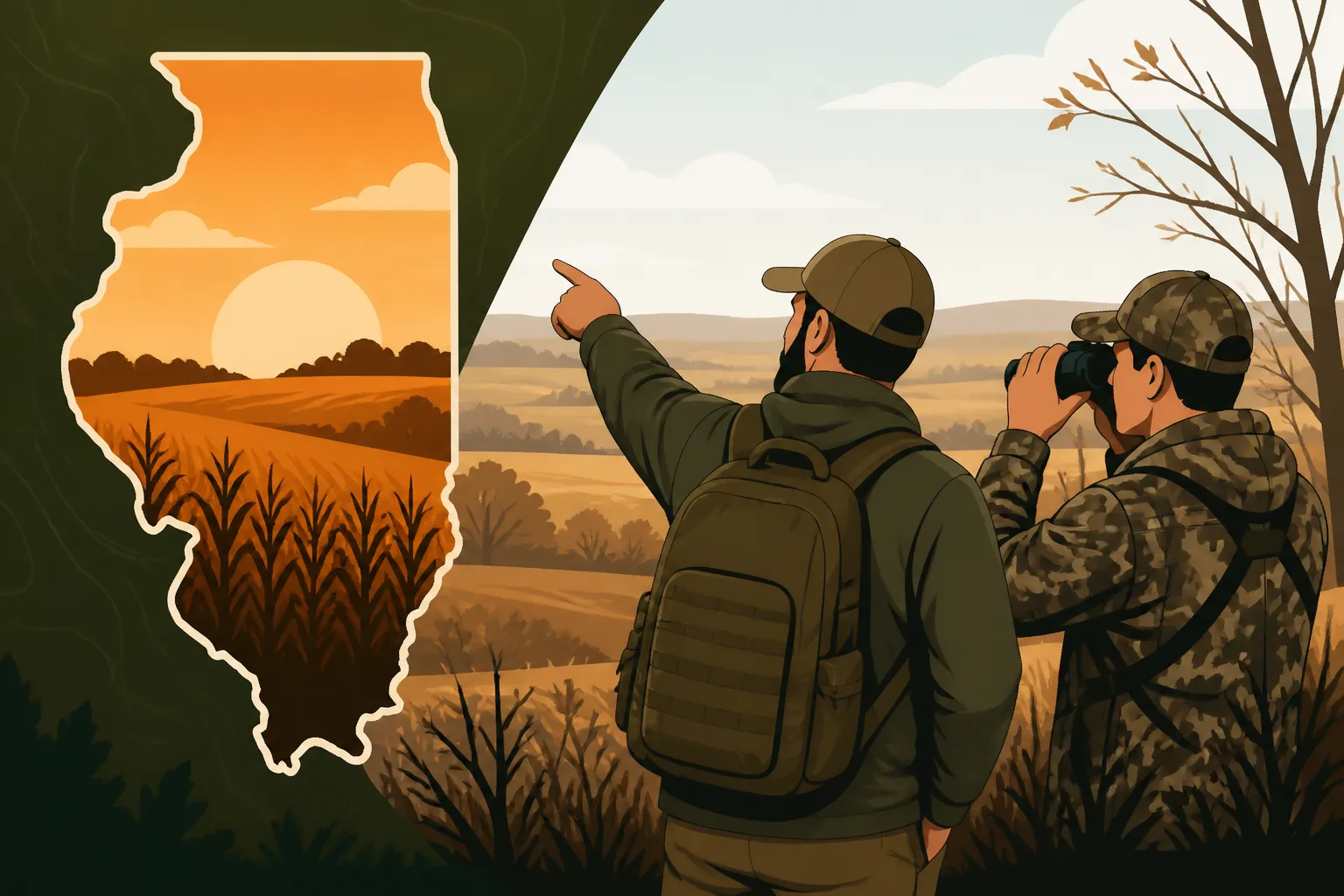
When you head out with a guide for an off-season scouting trip, the agenda is all about immersion. Your guide will likely have aerial maps and topographical maps on hand, perhaps even using a mapping app like onX or HuntStand, to walk you through the property virtually before you even step foot in the timber. Then, on the ground, they'll act as your personal wildlife interpreter. You'll spend time looking at:
- Old Rubs and Scrapes: While not fresh, these indicate where bucks were active in previous seasons. A guide can help you discern scrape lines along logging roads or rubs on key trees that mark consistent travel paths.
- Bedding Areas: Identifying bedding areas is crucial. A guide will point out the subtle features that make a great bed – thick cover, thermal advantages on a ridge, or proximity to escape routes. You'll learn Where Shawnee National Forest Bucks Bed and how those locations change with weather patterns.
- Travel Corridors and Funnels: This is where a guide's experience truly shines. They can show you natural funnels created by terrain, fence lines, creek beds, or changes in vegetation. Understanding Hunting a Funnel Between Two Woodlots or how deer navigate Entry Routes Through Standing Corn is critical.
- Food and Water Sources: Even in the off-season, you can identify primary food sources like acorn flats, old apple trees, or crop fields. Understanding water access points, especially in dry periods, is also key. A guide will explain how deer transition between these resources throughout the season.
The real value here isn't just seeing these spots, but understanding them. Your guide should be explaining why deer use them, when they use them (e.g., during the rut, early season, late season), and how different wind directions impact movement through these areas. They're teaching you to read the land for yourself, not just showing you a spot.
Learning the Lay of the Land: Public vs. Private
The type of land you're scouting will influence the focus of your trip. While the core principles of reading deer sign remain the same, the strategic approach can differ.
- Public Land: On public ground, an Illinois guide can be invaluable for helping you locate those less-pressured pockets. They often know access points that aren't obvious, or subtle topographical features that naturally deter other hunters. They can help you identify escape cover, show you how deer navigate pressure, and find those hidden food plots or bedding areas that are just a little too far for most casual hunters to walk. The goal is often to find solitude and understanding in areas that receive high traffic during the season. Understanding Hunting Pressure on Illinois Public Land is key.
- Private Land: If you have permission on a private parcel, a guide can help you maximize its potential. They can work with you to understand crop rotations, fence line travel, and how to best utilize small woodlots or creek bottoms. They can help you identify specific pinch points or funnel areas unique to that property, and even suggest small habitat improvements that could enhance deer movement. This often involves detailed map analysis, like Reading Aerial Photos for Southern Illinois Deer, followed by ground truthing.
In both scenarios, a guide's deep familiarity with the local ecosystem, whether it's the sprawling Shawnee National Forest Hunting or fragmented central Illinois farmlands, provides context that satellite imagery alone can't convey. They translate pixels into real-world deer behavior.
Getting Your Hands Dirty: Setting Up and Maintaining Gear
One of the most practical benefits of an off-season scouting trip is the opportunity to pre-position and maintain your hunting gear. Imagine the peace of mind knowing your stands are hung, shooting lanes are cleared, and cameras are strategically placed weeks or months before the season opens.
- Stand Placement: Your guide can help you identify ideal trees for treestands, taking into account prevailing winds, sunlight angles, and entry/exit routes. You can then hang your stands, trim shooting lanes, and even practice your approach to the stand in broad daylight. This is crucial for avoiding noisy adjustments in the dark before a morning hunt. For instance, knowing how to approach a stand for Hanging a Stand on a Southern Illinois Ridge becomes second nature.
- Blind Setup: If you prefer ground blinds, an off-season trip allows you to set them up early, brush them in naturally, and let the deer get accustomed to their presence. This can save you hours of work and potential spooking of deer during the actual season. Brushing In a Blind on a Field Edge takes time to look natural.
- Trail Camera Strategy: A guide can teach you how to effectively deploy trail cameras to monitor deer movement, identify specific bucks, and pinpoint patterns. This includes showing you Where to Hang a Camera on a Logging Road for optimal coverage or how to place cameras to capture activity around potential scrape lines. This early camera work can be invaluable for gathering intel.
This hands-on work with your guide not only familiarizes you with the exact setup but also builds confidence. You’re not just relying on a map or a verbal description; you've physically touched and prepared your hunting locations.
Choosing the Right Illinois Guide for Your Scouting Adventure
Deciding to invest in a guided scouting trip is a smart move, but choosing the right guide is paramount. You're not just looking for someone to point out deer sign; you're looking for a mentor, an educator, and a local expert who can truly deepen your understanding of Illinois hunting.
Expertise Beyond the Shot
The best guides for off-season scouting are often those who are passionate about teaching, not just those with the highest kill rates on trophy bucks. Look for a guide who demonstrates:
- Deep Ecological Knowledge: They should understand the intricate relationships between habitat, food sources, weather patterns, and deer behavior in their specific region of Illinois. This goes beyond just knowing where a deer will be, but why they'll be there.
- Teaching Acumen: A great scouting guide will patiently explain their rationale, answer your questions thoroughly, and encourage you to think like a deer. They're not just showing you spots; they're imparting a methodology.
- Local Specificity: Illinois is diverse, from the timbered hills of the south to the vast agricultural lands of central Illinois. A guide specializing in the type of terrain you hunt will have the most relevant insights.
- Reputation for Ethics: Ensure your guide is licensed (where applicable) and operates ethically. Platforms like BookYourHunt or GoHunt can be excellent resources for finding guides and reading reviews from past clients, giving you a sense of their teaching style and local expertise. Always practice Vetting an Illinois Outfitter Before You Book.
| Scouting Aspect | In-Season (DIY/Guided Hunt) | Off-Season (Guided Scouting Trip) |
|---|---|---|
| Primary Goal | Locate and harvest game; immediate success | Understand land, game patterns, and long-term strategy |
| Hunting Pressure | High; deer are alert and patterns can be disrupted | None; deer are relaxed, allowing for deeper observation |
| Focus | Fresh sign, current deer movement, shot opportunity | Historical sign, habitat features, future stand locations |
| Pace | Often rushed, stealth-focused | Unhurried, educational, exploratory |
| Discoveries | Current feeding/bedding, fresh travel routes | Consistent funnels, overlooked bedding, strategic access |
| Engagement | Passive observation; following guide's lead | Active participation, asking questions, hands-on learning |
| Stand/Blind Prep | Minimal adjustment, quick setup | Extensive pre-positioning, natural brushing-in, trim lanes |
| Learning Outcome | Success for that hunt | Foundational knowledge for all future hunts |
Asking the Right Questions
Before booking an off-season scouting trip, have a detailed conversation with the guide. This isn't just about price; it's about aligning expectations and ensuring you'll get the educational experience you're seeking.
- What is your philosophy on off-season scouting? Do they see it as a true teaching opportunity, or just a quick walk-through?
- What will a typical trip entail? Will it involve map work, walking the entire property, or focusing on specific areas? Will you be actively looking for sign, or will the guide mostly talk?
- How much input will I have? Can you direct the guide to areas you're particularly curious about, or is it a set itinerary?
- Do you cater to specific hunting styles? If you're a bowhunter, for example, ensure they understand the nuances of close-range setups versus long-range rifle shots.
- What's the best time of year for a scouting trip? They might suggest late winter for finding sheds and clear visibility, or late summer to see crops and vegetation at full growth.
- Are there any permits or licenses required even for scouting? While you won't be hunting, sometimes public land access requires a general license or habitat stamp. Check Illinois Hunting Licenses and What They Cost and Illinois State Habitat Stamp requirements.
- What happens if I decide to book a guided hunt with you later? Will the scouting trip fee be credited? Is there a package deal? Be clear about potential future arrangements.
Transparency on their land access is also vital, especially if it's a private lease. Ensure they have legitimate permission for you to be on the property during the off-season. Some guides might even offer Trail Camera Services Offered by Illinois Outfitters as an add-on to keep monitoring the land after your scouting trip.
Cost and Logistics
Off-season scouting trips are typically less expensive than a full guided hunt, as there's no harvest component. However, they are still a significant investment in your hunting education.
- Pricing Structure: Guides usually charge a daily or half-day rate for scouting. This covers their time, expertise, and sometimes transportation around the property. Always confirm what's included.
- Duration: Decide whether you need a half-day, full-day, or even multiple days, depending on the size and complexity of the property you want to explore. For a new, large piece of public ground, a full day might be necessary.
- What to Bring: You'll want to dress for walking, potentially through thick brush, and carry water, snacks, and your own mapping device if you like to mark points of interest. Binoculars are always a good idea.
- Booking: Just like guided hunts, good guides can book up quickly, even for off-season services. Plan ahead, especially if you have specific dates in mind, perhaps a long weekend when you can dedicate time to learning.
Think of an off-season scouting trip as an intensive, personalized seminar on deer behavior and habitat. It's an investment that pays dividends for years to come, empowering you to become a more independent, effective, and ethical hunter, no matter where you chase whitetails in Illinois.
Disclaimer
This article is for general informational purposes only and does not constitute professional advice. Laws, prices and regulations vary by location and change over time. Consult a qualified professional for guidance on your specific situation.