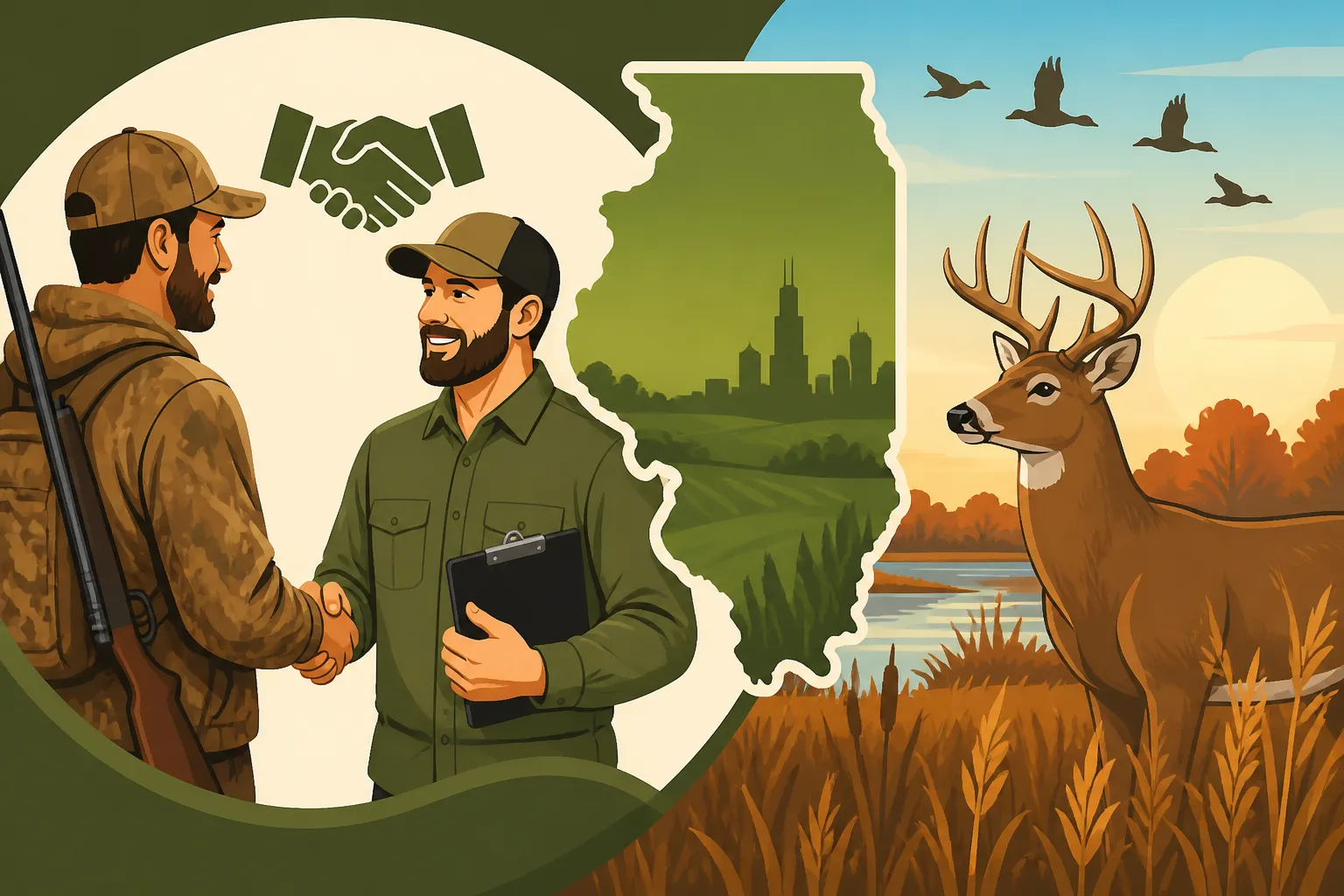
Booking Through an Illinois Hunt Broker
Hunting in Illinois offers incredible opportunities, from chasing trophy whitetails to calling in spring gobblers or setting up on a river bottom for waterfowl. But let's be honest, finding the perfect outfitter or guide, especially if you're traveling from out of state, can feel like a full-time job. Sifting through countless websites, vetting reputations, and trying to understand different packages is exhausting. This guide will walk you through the ins and outs of using a hunt broker to navigate the Illinois hunting scene, helping you decide if it's the right path to your next adventure.
What Exactly is a Hunt Broker?
When you dream of a hunt in Illinois, you probably picture yourself in a stand or blind, not endlessly scrolling on your computer. That's where a hunt broker steps in, acting as your personal hunting assistant, connecting you with an outfitter. Think of them as a travel agent specifically for hunting trips.
The Role of a Broker in Illinois Hunting
A hunt broker's primary role is to bridge the gap between hunters and the vast network of outfitters and guides operating across Illinois. They leverage their existing relationships and knowledge of the industry to match your specific hunting desires, budget, and physical capabilities with suitable options. This means if you're looking for a Trophy Buck Guides in Pike and Adams Counties or a particular experience like Hunting the Illinois Rut in Early November, a broker can often narrow down the choices much faster than you could on your own. They usually have a roster of outfitters they work with, covering a range of species from White-Tailed Deer Across Illinois to Wild Turkeys in Illinois and even Feral Hogs Across Illinois. Their business model typically involves receiving a commission from the outfitter once a hunt is booked, meaning the hunter often doesn't pay an extra fee directly to the broker. This arrangement is important to understand because it shapes their incentives.
How Brokers Differ from Booking Directly with an Outfitter
The key difference lies in the intermediary. When you book directly with an outfitter, you handle all communication, research, and negotiation yourself. You're responsible for vetting their services, checking references, and understanding their contract terms. This hands-on approach can be rewarding for some, offering a direct line of communication and potentially a more personalized feel. However, it demands a significant investment of your time and effort.
On the other hand, a broker takes on much of this legwork. They already have established relationships, have often visited the operations, and can provide insights into what to expect. While it adds a layer between you and the outfitter, a good broker's expertise can save you from a subpar experience or an outfitter that doesn't align with your expectations. It's a trade-off between complete control and leveraging someone else's specialized knowledge and network. For nonresident hunters particularly, navigating the specific requirements like Illinois nonresident deer permit options can be simplified by working with someone who understands the local landscape and regulations.
The Advantages of Using an Illinois Hunt Broker
For many hunters, especially those new to a specific area like Illinois or those with limited time for research, a hunt broker can be an invaluable resource. They streamline a complex process, offering expertise and access that might otherwise be hard to come by.
Time Savings and Convenience
Let's face it, your free time is precious, and you'd rather spend it preparing for your hunt than sifting through endless Google searches. One of the biggest advantages of using a hunt broker for your Illinois adventure is the sheer amount of time it saves. Instead of contacting dozens of outfitters individually, waiting for responses, and then cross-referencing their offerings, a broker does all that heavy lifting for you. You tell them what you're looking for – say, a specific type of deer hunt, like Hunting Central Illinois Farmland Deer, or a waterfowl trip on the Illinois River – and they present you with curated options. This convenience is a huge draw, particularly for busy professionals or those planning complex multi-species trips. They distill the information, providing you with the essential details you need to make an informed decision without the hours of preliminary research.
Expertise and Vetting
A reputable hunt broker doesn't just pass along contact information; they offer an expert perspective born from experience. Many brokers have personally visited the Illinois outfitters they represent, hunted with them, or have extensive feedback from past clients. This personal insight is something you simply can't get from an outfitter's brochure or website. They can provide realistic expectations about success rates, trophy quality, camp amenities, and the overall hunting experience. This vetting process significantly reduces your risk of booking a disappointing hunt. They can tell you which outfitters excel at Run-and-Gun Turkey Tactics on Public Land or which ones have consistent success with Mallards and Geese on the Illinois River, helping you match your hunting style with the right guide. Platforms like BookYourHunt often feature verified reviews and detailed outfitter profiles, which can complement a broker's guidance.
Access to Exclusive or Hard-to-Find Hunts
Sometimes, the best hunting opportunities aren't widely advertised. Established hunt brokers often have long-standing relationships with top Illinois outfitters, giving them access to prime dates or even specific properties that might not be available to the general public. These could be coveted slots during peak rut for deer, or prime waterfowl blinds that are booked years in advance.
Imagine trying to secure a late-season Hunting the December Muzzleloader Close permit and finding all the best local guides are already full. A broker, with their network, might just be able to pull a few strings or know of an emerging outfitter that still has openings. This is particularly true for niche hunts, like specific Trapping Illinois Feral Hogs packages or specialized Night Hunting Hogs With Lights on Private Land experiences. For hunters seeking unique or highly sought-after experiences, a broker can unlock doors that might otherwise remain closed.
Negotiation and Problem Resolution
While brokers usually don't charge hunters directly, their relationship with outfitters can sometimes translate into added value for you. They might have a slight leverage in securing better dates or specific accommodations, though direct price negotiation is less common since their commission is often fixed. More importantly, if an issue arises before, during, or even after your hunt, a reputable broker can act as an advocate on your behalf.
Having an impartial third party who understands the industry and has a vested interest in your satisfaction can be incredibly helpful. Whether it's a misunderstanding about what was included in the package or a logistics problem at camp, a broker can often mediate more effectively than you trying to resolve it directly with the outfitter. This added layer of support can provide peace of mind, knowing you have someone in your corner if things don't go exactly as planned, similar to how Vetting an Illinois Outfitter Before You Book covers risk mitigation.
Potential Downsides and Considerations
While hunt brokers offer many benefits, it's also important to consider the potential drawbacks and how they might impact your Illinois hunting experience. Understanding these can help you make a more informed decision.
The Cost Factor
The typical business model for a hunt broker is that the outfitter pays them a commission for bringing in clients. This means that, on the surface, it often appears that you, the hunter, are not paying an extra fee. However, it's a good practice to be realistic: sometimes, this commission might indirectly be built into the outfitter's pricing. While a reputable outfitter won't inflate prices just for brokered hunts, it's possible that their rates generally account for these marketing and booking expenses.
It's rare for a broker to explicitly charge you a separate fee, but always confirm this upfront. Ask about their compensation structure. The real "cost" might not be a direct dollar amount, but rather the potential for missing out on a slightly better deal had you found and booked directly with an outfitter who doesn't use brokers and passes those savings onto their clients. Always compare the price offered through the broker with what the outfitter is advertising directly on their website, if available, to ensure transparency.
Loss of Direct Communication
When you introduce a third party into any transaction, communication can become more complex. While a broker aims to streamline the process, they can also act as a filter, potentially slowing down responses or, in rare cases, misinterpreting specific details between you and the outfitter. You might find yourself communicating primarily with the broker, who then relays information to the outfitter, and vice-versa.
For hunters who prefer a very hands-on approach and want to build a direct rapport with their guide or lodge owner from the start, this can feel impersonal. It's crucial to clarify with your broker how and when you'll be able to communicate directly with the outfitter. You’ll want to discuss specific hunt details, gear requirements, and travel logistics directly with the people who will be guiding you on your Hunting the Rut in Early November trip or managing your Illinois Deer Camp Traditions. Ensure that at some point, a direct line of communication is opened so you can discuss the finer points and feel confident about your upcoming trip.
Broker Bias and Incentives
It's a simple fact of business that brokers are compensated by the outfitters they represent. This can, on occasion, create a subtle bias. A broker might be more inclined to recommend an outfitter that offers a higher commission, or one with whom they have a particularly strong, long-standing relationship. This isn't necessarily malicious, but it's human nature.
Therefore, while a broker's recommendations are valuable, they shouldn't be your sole source of information. It's still your responsibility to conduct some independent research. Check the outfitter's website, look for independent reviews on forums or platforms like GoHunt, and ask for client references that are not provided by the broker. A good broker will be transparent about their relationship with outfitters and will still encourage you to do your own due diligence. They should be able to explain why they recommend a particular outfitter over others, beyond just availability or price.
How to Choose a Reputable Illinois Hunt Broker
Navigating the world of hunt brokers requires a discerning eye. Just as you'd vet an outfitter, you need to vet your broker to ensure they genuinely have your best interests at heart and can deliver on their promises for an Illinois hunt.
Researching and Vetting Brokers
When you're looking for someone to help you book that dream Illinois hunt, don't just pick the first name you find. Start by researching brokers who specialize in the region or species you're targeting. Do they focus on Illinois Deer Season Structure Explained and its unique challenges, or are they generalists? Look for brokers with a strong online presence, positive client testimonials, and a history of successful placements. Platforms like BookYourHunt or GoHunt can be excellent starting points, offering directories and reviews that might point you towards reputable brokers or even direct outfitter listings they work with.
Beyond testimonials, investigate their industry affiliations. Do they belong to any professional hunting or outfitting associations? While not a guarantee, such affiliations often suggest a commitment to ethical practices. Contact past clients if possible – this is perhaps the most telling indicator of a broker's reliability. Ask them about their experience with the broker, the accuracy of the information provided, and the overall quality of the hunt they booked. Remember, a broker is essentially selling a service, and their reputation is everything.
Asking the Right Questions
Once you've identified a few potential brokers, it's time to engage them with thoughtful questions. Don't be shy; a good broker will appreciate your thoroughness. Here are some key questions to ask:
- How are you compensated? Understanding their business model ensures transparency. As mentioned, most are paid by the outfitter, but it's always good to confirm.
- What is your relationship with the outfitters you recommend? Do they have exclusive agreements, or do they just list them? Have they personally visited the operation or hunted with the guide? This helps gauge their level of firsthand knowledge.
- What happens if I need to cancel or if there's a problem with the hunt? Clarify their role in Deposits and Cancellation Terms in Illinois and how they assist with problem resolution.
- Can you provide references from hunters you've placed with Illinois outfitters? This is crucial. Speak to those references about their entire experience, from booking to the hunt itself.
- What kind of pre-hunt information do you provide? A good broker will ensure you're well-prepared with details on gear, travel, and what to expect on the ground, similar to the advice you'd find in What to Pack for a Guided Illinois Hunt.
- How do you match me with an outfitter? Understand their process for pairing you with the right fit, ensuring they're considering your preferences beyond just availability.
Getting Everything in Writing
This cannot be stressed enough: always get everything in writing. This includes all details about the hunt package, dates, costs, what's included and excluded, and the cancellation policy. A verbal agreement, no matter how earnest, is rarely sufficient if a dispute arises. The broker should provide you with a clear, detailed confirmation of your booking and the outfitter's contract.
Review these documents carefully before committing. Pay close attention to the small print, especially regarding refunds, rescheduling, or any contingencies for unforeseen circumstances like weather or natural disasters. Understanding the specifics of Illinois Outfitter Contracts and What to Read is paramount, as is knowing how any issues will be handled. A reputable broker will be transparent with all documentation and encourage you to review it thoroughly, ensuring you are fully aware of what you are purchasing.
Common Species and Hunts Booked Through Brokers in Illinois
Illinois offers a diverse hunting landscape, attracting hunters for various species. Brokers often specialize in, or at least have strong connections for, the most popular hunts in the state.
Whitetail Deer Hunts
Illinois is legendary for its whitetail deer, particularly the potential for truly massive bucks. Hunters from all over the country dream of hunting in counties like Pike, Adams, or Fulton, known for their Why Pike County Produces So Many Trophy Bucks reputation. Booking a quality deer hunt, especially during peak times like the rut, can be incredibly competitive. This is where a broker truly shines. They can help navigate the nuances of Illinois Deer Season Structure Explained, from archery to firearm and muzzleloader seasons, and find outfitters with proven track records.
Whether you're looking for a semi-guided archery hunt on private land or an all-inclusive lodge experience during shotgun season, a broker has the connections. They understand the different hunting styles—from sitting over food plots to still-hunting timber—and can match you with an outfitter whose methods align with your expectations. They can also clarify permit requirements, which can be complex for nonresidents seeking Illinois Nonresident Firearm Deer Permit Cost or specific archery tags.
Waterfowl Hunts
The Illinois River Valley and Mississippi River backwaters are critical flyways for migrating ducks and geese, making Illinois a premier destination for waterfowl hunters. From robust mallard flights to vast numbers of Canada geese, the state offers world-class opportunities. However, good waterfowl hunting often depends on access to prime real estate and experienced guides who understand bird movement and decoy spreads.
A hunt broker can connect you with guides operating high-end duck clubs or those running field blinds for geese. They'll know which outfitters specialize in Hunting Illinois River Valley Diving Ducks or Layout Blind Hunting Illinois Farm Fields, and can help you secure a spot during the optimal migration periods. Given the often-challenging conditions of waterfowl hunting, ensuring you book with a reliable guide who prioritizes safety and ethical hunting practices is crucial, and a broker can provide that initial vetting.
Wild Turkey and Feral Hog Hunts
Beyond deer and waterfowl, Illinois also offers fantastic opportunities for wild turkey and, increasingly, feral hog hunting. Spring turkey season is a highly anticipated event, with hunters pursuing gobblers across the state's diverse terrain. Brokers can help secure permits and guides for specific Illinois Spring Turkey Zones and Periods, whether you're looking for a challenging public land experience or a more comfortable guided hunt on private property. They can pinpoint outfitters known for successful Calling an Illinois Gobbler Off the Roost tactics or those with strong populations of birds.
Feral hogs, while not native, are present in parts of Illinois, and they offer a unique, year-round hunting opportunity, especially on private land. These hunts can range from thermal imaging night hunts to dog-driven excursions. Because Illinois's Year-Round Feral Hogs are classified as unprotected, hunting regulations can differ, and brokers can connect you with guides who specialize in these types of hunts, ensuring you understand the rules and have access to properties with hog populations. They can help you find outfits offering Thermal-Assisted Hog Guide Packages or Dog-Drive Hog Guide Services for an adrenaline-pumping experience.
| Feature | Direct Booking with Outfitter | Booking Through a Hunt Broker |
|---|---|---|
| Research Effort | High – you do all the vetting, comparison, and contact. | Low to Medium – broker provides curated options and insights. |
| Time Savings | Minimal – requires significant personal time investment. | Significant – broker handles initial legwork and communications. |
| Direct Contact | Immediate and constant with the outfitter. | Often indirect initially, through the broker. |
| Expertise/Vetting | Relies on your own due diligence, reviews, and references. | Leverages broker's established network and experience. |
| Access | Limited to publicly advertised hunts. | Potentially wider access, including less advertised or "exclusive" hunts. |
| Problem Resolution | Handled directly between you and the outfitter. | Broker can act as an intermediary or advocate. |
| Cost | No middleman commission; price may be slightly lower if savings are passed on. | No direct fee to hunter; commission usually paid by outfitter (may be factored into price). |
| Bias Potential | None beyond outfitter's own marketing. | Possible broker bias towards certain outfitters. |
Disclaimer
This article is for general informational purposes only and does not constitute professional advice. Laws, prices and regulations vary by location and change over time. Consult a qualified professional for guidance on your specific situation.