Shipping Game Meat Home After an Illinois Hunt
You've just put in the hard work, made a great shot, and finally tagged that Illinois whitetail or brought down those waterfowl. The adrenaline is still pumping, the smiles are wide, but then the practical side kicks in: how are you actually going to get all that delicious game meat home, especially if you're traveling a long distance? It's a common hurdle that can quickly turn triumph into a logistical headache, but with a little planning, bringing your harvest back to your kitchen can be straightforward. This guide will walk you through everything you need to know about processing, packaging, and transporting your wild game after a successful hunt in the Prairie State.
Understanding the Logistics of Game Meat Transport
Bringing your hard-earned wild game home requires more than just tossing it in the back of the truck. There are critical steps you need to take from the moment your animal hits the ground to ensure the meat is handled properly and remains in excellent condition for your table. Proper field care is the absolute foundation, but understanding how Illinois regulations factor into your transport plans is equally important.
The Initial Processing: Field to Cooler
The journey of your game meat home truly begins the moment you recover your animal. Immediate field dressing is paramount, especially in warmer Illinois temperatures. This means removing the entrails to allow the carcass to cool down as quickly as possible. Every minute counts when it comes to preventing bacterial growth and ensuring a quality product. If you're on public land or away from a processing facility, this is a non-negotiable step. For larger game like deer, consider quartering the animal in the field if you're facing a long drag or don't have suitable equipment to move the whole carcass. Removing the hide quickly can also dramatically aid in cooling, as the hide acts as an insulator.
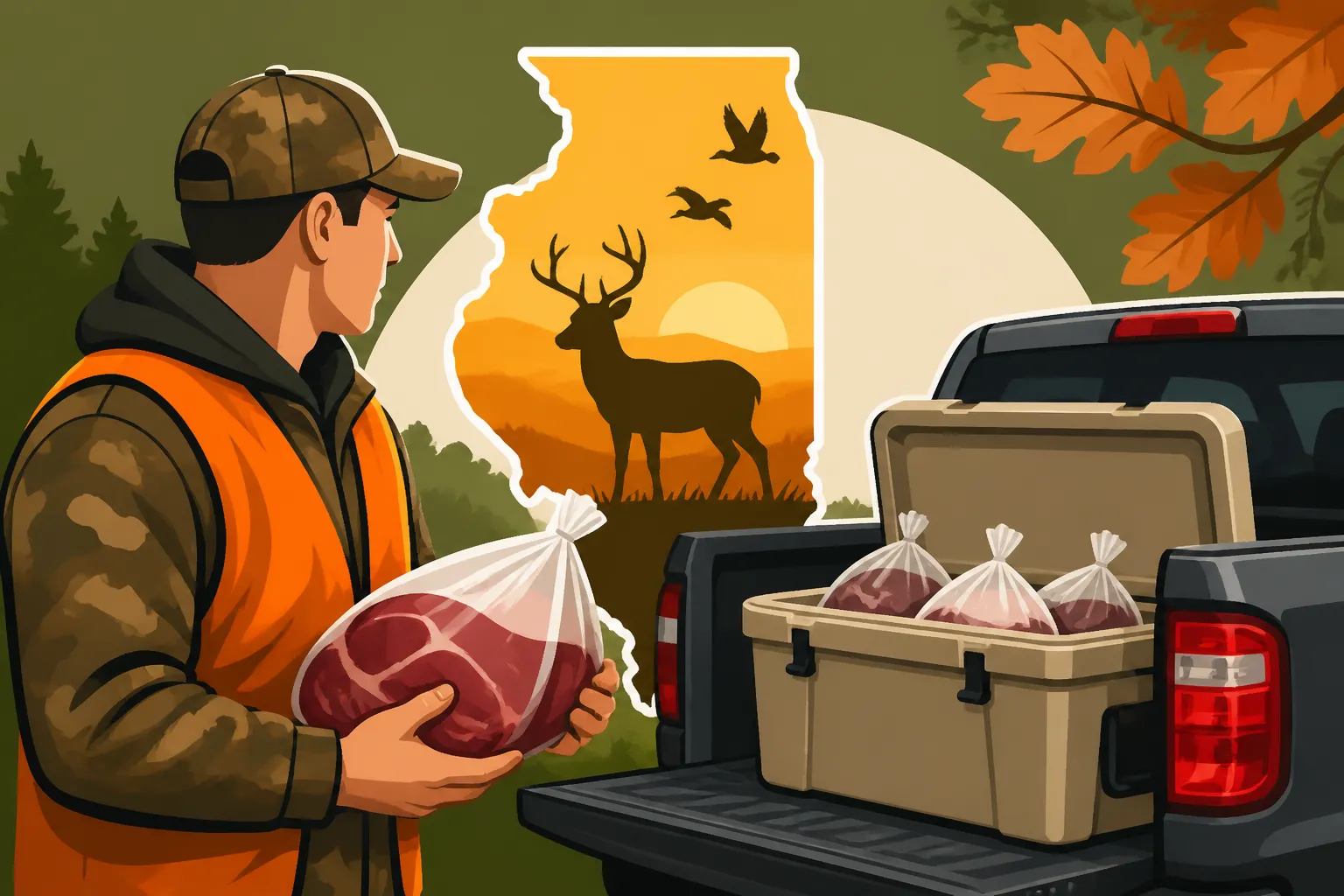
Once field dressed, the goal is to get that meat cooled. For deer, many hunters opt for professional processors. These facilities are often equipped with large walk-in coolers where the carcass can hang and properly age, further improving tenderness and flavor. If you're going to a processor, make sure your game is clean and free of excessive dirt and debris. If you're doing your own butchering, you'll need a clean, cool space. Large coolers packed with ice are your best friend here. Layer ice on the bottom, then a layer of meat (either quarters or deboned cuts), then more ice, ensuring the meat is completely surrounded. Drain melted water regularly to avoid the meat sitting in a watery slush, which can lead to spoilage. For smaller game or birds, immediately placing them on ice in a cooler is usually sufficient. Remember that proper hygiene—clean knives, clean hands, clean surfaces—is always essential to prevent contamination.
Illinois Regulations on Transporting Game
Navigating the rules for transporting game in Illinois is pretty straightforward, but it's crucial to get it right. First and foremost, any deer or turkey harvested in Illinois must be reported to the Illinois Department of Natural Resources (IDNR) through their online system or mobile app by 10:00 PM on the day of harvest. You'll receive a confirmation number, which serves as your legal tag for transport. This isn't just a suggestion; it's a legal requirement. Make sure you understand the Illinois Deer Reporting Requirements if you're deer hunting, or Illinois Turkey Checking Requirements for turkey.
When you're transporting the animal, whether whole or in parts, that confirmation number or physical tag (depending on species and permit type) needs to stay with the meat until it reaches its final destination or is processed and stored. This means if you quarter a deer in the field, you need a system to ensure the tag information accompanies all the major parts. Some hunters zip-tie the tag to a rear quarter, for example, or simply keep a printed copy of their confirmation number with their packed coolers. If you're transporting across state lines, it gets a bit more complex, which we'll delve into later. Always keep your hunting license and permits readily accessible, as conservation officers can and do perform checks. Knowing the rules makes the entire experience smoother and prevents any unwanted issues.
Packaging Your Wild Game for Travel
The success of your game meat transport largely hinges on how well you package it. This isn't just about keeping it organized; it's about maintaining a consistent, safe temperature and protecting the meat from external contaminants. From choosing the right cooling agents to selecting robust containers, every decision impacts the final quality of your venison, duck breast, or wild turkey.
Dry Ice vs. Gel Packs: Making the Right Choice
When it comes to keeping your game meat frozen or thoroughly chilled for transport, you've got a couple of solid options: dry ice or reusable gel packs. Each has its pros and cons, and the best choice often depends on your travel duration, destination, and the mode of transport.
Dry ice is frozen carbon dioxide, and it's incredibly cold, much colder than regular ice. It doesn't melt into water, but rather sublimates into a gas, so there's no messy drainage. This makes it fantastic for keeping meat frozen solid for extended periods, usually 24-48 hours, sometimes longer with proper insulation. The downside? You can't just pick it up anywhere, it can be expensive, and it requires careful handling (always wear gloves!) to avoid freezer burn or actual frostbite. Also, due to the gas it releases, there are specific regulations for air travel, and you can't seal it in an airtight container because the pressure buildup could be dangerous. If you're driving a long distance, especially for multiple days, dry ice is often the champion for preserving frozen meat.
Gel packs, on the other hand, are convenient, reusable, and much safer to handle. They don't get as cold as dry ice, so they're generally better for keeping meat chilled, or for maintaining already frozen meat for a shorter duration, perhaps up to 12-24 hours depending on insulation. They also take up valuable space in your freezer and cooler. For shorter drives or when you plan to replenish with regular ice, gel packs are a good eco-friendly and practical choice. You can often find them at sporting goods stores or even grocery stores.
Here's a quick comparison:
| Feature | Dry Ice | Gel Packs |
|---|---|---|
| Temperature | Extremely cold (sub-zero) | Cold (below freezing, but warmer than dry ice) |
| Duration | Excellent for 24-48+ hours (frozen) | Good for 12-24 hours (chilled/maintained) |
| Mess | No liquid mess (sublimates) | No mess, but can take up space |
| Availability | Specialty stores, some grocery chains | Widely available, reusable |
| Handling | Requires gloves, ventilation | Safe, easy to handle |
| Cost | Generally higher per use | Higher initial cost, but reusable |
| Air Travel | Restricted, requires special labeling | Generally allowed, check airline rules |
Insulated Coolers and Boxes: Your Best Bet
Once you've decided on your cooling agent, the container itself is equally vital. A high-quality cooler isn't just about brand names; it's about insulation and durability. Rotomolded coolers from brands like YETI, RTIC, or Orca are fantastic for extended trips because they hold ice exceptionally well. They might be a significant upfront investment, but they're worth their weight in gold for keeping game meat fresh. For instance, if you've harvested a big buck during Hunting the Illinois Rut in Early November and have a multi-day drive ahead, a premium cooler can be the difference between perfectly preserved venison and spoilage anxiety.
However, you don't always need the top-of-the-line. Standard hard-sided coolers, especially those with good seals, can work well for shorter drives or if you plan to replenish ice frequently. For flying, or if you're sending meat via a shipping service, specialized insulated shipping boxes made of thick polystyrene (Styrofoam) are often the best bet. These are lightweight, disposable, and designed to protect contents from temperature fluctuations. They usually come with an outer cardboard shell for added durability and labeling. When packing any container, make sure to minimize air space by filling any gaps with crumpled newspaper, bubble wrap, or even more ice. The less air, the more efficiently the cooler maintains its temperature. Always double-bag your meat inside the cooler to prevent any blood or moisture from leaking out, which can compromise the insulation or contaminate other items. This also helps keep the meat itself clean.
Shipping Options for Your Harvest
So, the meat is properly processed, packaged, and cooled. Now, how do you actually get it from Illinois back to your home kitchen? Your options vary widely depending on your distance from Illinois, your budget, and how much meat you're hauling. From flying it with you to trusting a commercial carrier, each method has its own set of considerations, especially for the out-of-state hunter who's experienced a successful White-Tailed Deer Across Illinois hunt.
Commercial Air Travel with Game Meat
Taking your game meat on a commercial flight can be a viable option, but it requires meticulous planning and adherence to airline regulations. Most airlines allow you to check coolers or insulated boxes as baggage, often counting as one of your checked bags, though overweight or oversized fees can apply. The key is to check with your specific airline before you even pack your bags. Each airline has its own rules regarding the type of cooler, the maximum weight, and especially the type of coolant.
Many airlines prohibit wet ice due to leakage concerns, so dry ice or gel packs are usually the way to go. If using dry ice, there are strict limits on the amount you can carry (typically around 5.5 pounds per passenger) and it must be properly vented and labeled. The cooler or container must allow the carbon dioxide gas to escape safely. Make sure your meat is frozen solid before you head to the airport, as it will likely start to thaw during the journey. Label your cooler clearly with your name, contact information, and destination. Consider using a reputable service you might find on GoHunt or BookYourHunt that specializes in booking hunts, as they often have resources for guides or outfitters who understand these logistics. They can sometimes connect you with local processors that can properly prepare and package meat for air travel. Remember that security personnel will inspect your cooler, so pack it in an organized, accessible manner.
Shipping via Major Carriers (UPS, FedEx)
For hunters who aren't flying or driving, or who have more meat than they can carry, shipping services like UPS or FedEx offer a way to get your game home. This is often the most expensive option, but it provides convenience, especially if you're returning home without a vehicle. The process usually involves packing your frozen meat into a sturdy, insulated shipping box (often Styrofoam within a cardboard outer box) with plenty of dry ice. You'll want the meat to be frozen solid before packing, and use enough dry ice to keep it frozen for the entire transit time, plus a buffer.
Speed is paramount here. Always choose overnight or 2-day shipping, even if it means a higher cost. A few extra dollars spent on expedited shipping is far better than losing your entire harvest to spoilage. Fill out all shipping labels accurately and clearly, including contents and "perishable" warnings. Be aware that these carriers also have specific regulations regarding dry ice (similar to airlines), so confirm these details with your chosen carrier before preparing your package. Some locations may not accept perishable shipments, or may have limited drop-off times. If you are booking a hunt through a service like BookYourHunt, inquire if the outfitter has preferred shipping partners or facilities nearby that can assist with this process. Plan to drop off your package early in the day to maximize transit time.
Driving it Home: The Most Common Method
For most Illinois hunters, and certainly many from neighboring states, driving their game meat home is the most practical and common method. This gives you the most control over your meat's condition. The golden rule here is simple: keep it cold. Really cold.
If your meat is processed and vacuum-sealed, or just tightly wrapped, and you're driving within a day or two, simply packing it tightly into quality coolers with plenty of ice (or gel packs) can suffice. As mentioned earlier, draining melted water and replenishing ice are critical. For longer drives, or if you want to keep the meat frozen solid, dry ice is your best friend. Layer dry ice on top of your frozen packages inside a good insulated cooler. The cold air from the dry ice will sink and keep everything frigid. Ensure the cooler is not airtight to allow the CO2 gas to escape. Keep the cooler out of direct sunlight in your vehicle, and consider covering it with a blanket for added insulation. If you're on a multi-day drive, plan stops at grocery stores or convenience stores where you can purchase more ice or, if you're lucky, more dry ice. If you're driving home after Hunting the Second Firearm Season in December, the naturally colder weather can be a huge advantage for keeping things cool, but don't rely solely on ambient temperatures. Always prioritize your cooler's insulation and a reliable cold source.
What to Consider for Out-of-State Hunters
Hunting in Illinois can be incredibly rewarding, drawing hunters from across the country for species like whitetail deer and wild turkey. However, if you're an out-of-state hunter, transporting your hard-earned game across state lines introduces an additional layer of complexity. It's not just about Illinois's rules anymore; you also need to abide by the regulations of your home state and any states you pass through.
State-Specific Import Regulations
This is perhaps the most crucial piece of advice for any nonresident hunter: know your home state's game import regulations BEFORE you leave for Illinois. Every state has different rules about what game meat, if any, can be brought across its borders, and often, in what condition. These regulations are usually in place to prevent the spread of wildlife diseases, most notably Chronic Wasting Disease (CWD). Illinois is unfortunately one of the states with CWD, particularly in its northern counties. Therefore, many states have restrictions on importing whole carcasses or specific carcass parts (like the brain, spinal cord, or lymph nodes) from CWD-positive states. For example, some states may only allow deboned meat, clean skull plates, capes, or teeth to be imported.
The best way to get this information is to visit your home state's wildlife agency website or call their offices directly. Don't rely on hearsay or what a buddy told you. Print out any relevant regulations and keep them with your hunting license and permits. If you've hunted in one of Illinois's Chronic Wasting Disease Zone counties, these restrictions become even more critical. Ignoring these rules can lead to confiscation of your meat, hefty fines, or even legal trouble. A simple phone call or web search before your hunt can save you a world of headache and heartache.
Planning Ahead with Illinois Outfitters
Many nonresident hunters choose to use an outfitter or guide service when hunting in Illinois, especially for highly sought-after trophy opportunities in areas like Pike County. These outfitters often have extensive experience with nonresident clients and can be an invaluable resource for navigating meat transport logistics. When you're Vetting an Illinois Outfitter Before You Book, make sure to ask about their services regarding game processing and transport.
Some outfitters offer on-site processing facilities or have arrangements with local butchers who are familiar with preparing game for out-of-state transport, often deboning and vacuum-sealing the meat in preparation for freezing. They might even have large freezers where you can store your meat until you're ready to leave. Others might not offer these services directly but can provide recommendations and connect you with local resources. Discuss whether they assist with packaging, sourcing dry ice, or even coordinating shipping with a carrier. If you're researching options on a platform like GoHunt or BookYourHunt, look for outfitters who explicitly mention game processing and transport assistance in their package details. This proactive approach can significantly simplify your post-hunt logistics and ensure your hard-earned venison makes it safely to your freezer back home. It's all part of making the most of your Illinois Lodge and Package Hunts experience.
Disclaimer
This article is for general informational purposes only and does not constitute professional advice. Laws, prices and regulations vary by location and change over time. Consult a qualified professional for guidance on your specific situation.