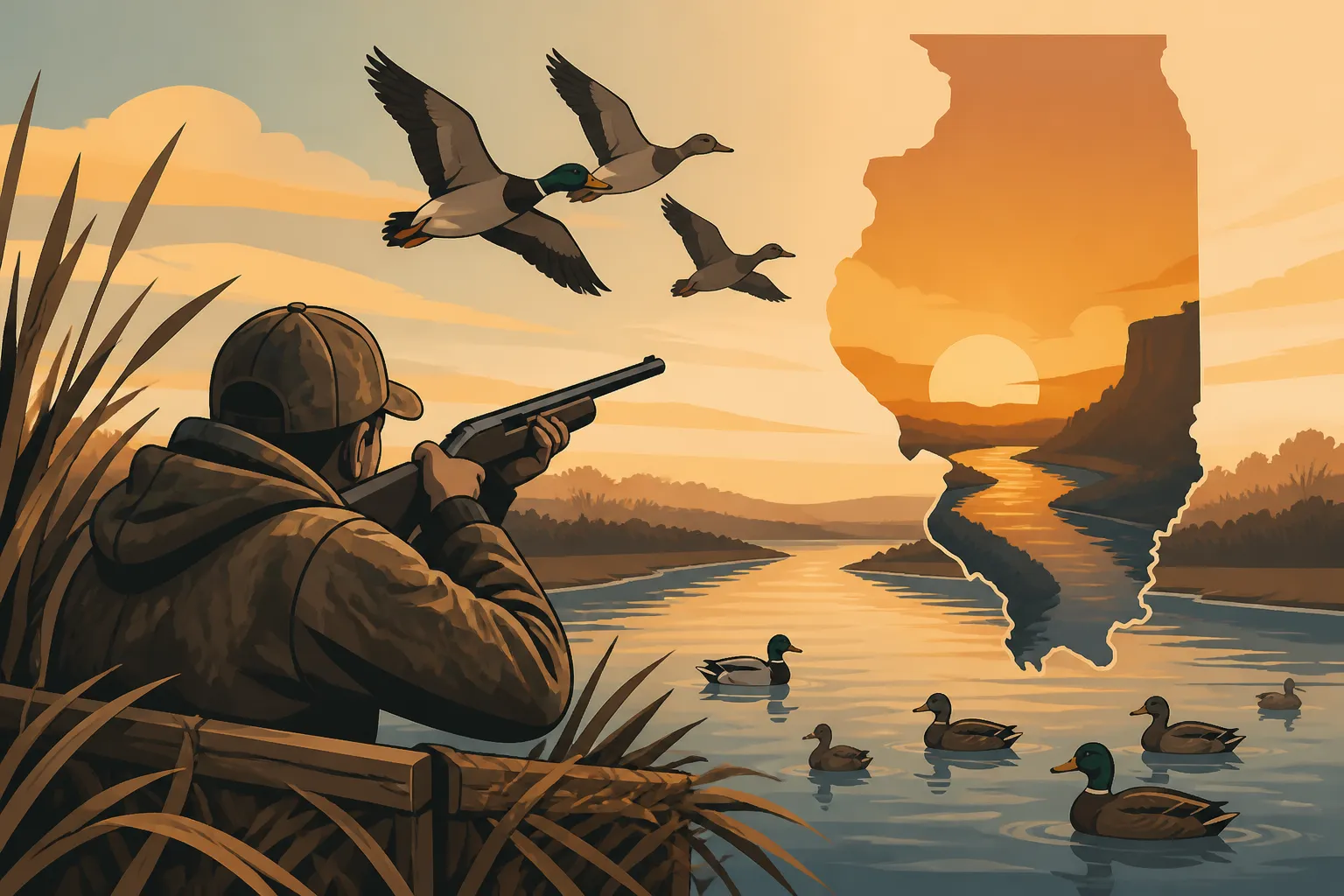
Waterfowl Guide Services on the Illinois River
The biting chill of an early morning on the Illinois River, the rhythmic splash of decoys, and the distant call of a mallard are hallmarks of an experience many hunters dream of. Yet, for those unfamiliar with these legendary waters, orchestrating a successful waterfowl hunt can feel overwhelming, especially when trying to navigate vast public lands, find the best private access, or simply know where the birds are working. This comprehensive guide will walk you through everything you need to know about booking and preparing for a guided waterfowl hunt on the Illinois River, ensuring you can focus on the sunrise and the incoming flight.
The Allure of Illinois River Waterfowl Hunting
For generations, the Illinois River Valley has stood as a beacon for waterfowl hunters, a critical artery in the Mississippi Flyway that funnels millions of ducks and geese south each year. If you've ever dreamt of experiencing truly world-class waterfowling, this storied waterway should be high on your list.
A Waterfowl Mecca: Why the Illinois River is Special
The Illinois River isn't just a river; it's a dynamic, ever-changing ecosystem of backwaters, sloughs, agricultural fields, and timber. This diverse habitat creates an irresistible magnet for migratory birds. As colder weather pushes south, ducks and geese find abundant food sources in the flooded fields and sheltered water bodies along the river's path, making it a crucial staging and wintering ground. The sheer volume of birds that pass through, combined with the varied landscape, offers a unique challenge and reward for hunters. It's a place where tradition runs deep, and every hunt feels like a connection to a long lineage of waterfowlers.
What makes it truly special isn't just the sheer numbers, but the consistent opportunity. From the first pushes of teal in early fall to the late-season mallards hunkering down, the river system provides hunting through much of the season. Water levels dictate much of the hunting, transforming landscapes from dry fields to flooded timber or expanding backwater sloughs into prime duck habitat. A good guide understands these fluctuations intimately, knowing where to be and when, based on current conditions and bird movement. Their experience on these waters is invaluable for maximizing your chances.
Species You'll Encounter in the Valley
When you talk about waterfowl on the Illinois River, you're primarily talking about ducks and geese. The diversity is incredible, offering opportunities for both puddle duck and diver duck enthusiasts. Mallards, of course, are king, with their vibrant green heads and guttural quacks filling the air, especially in the agricultural fields and shallow backwaters. Pintails, wigeon, gadwall, and various teal species (blue-winged, green-winged, and cinnamon) are also common sights, often working into decoy spreads with acrobatic flair.
For those who love the fast-paced action of diver hunting, the main channel of the Illinois River and its larger connected lakes become prime territory. Ring-necked ducks, scaup (bluebills), canvasbacks, and redheads power through the air, often offering challenging shots as they zip across the water. On the goose front, Canada geese are abundant, frequently working into fields or loafing on large bodies of water. You might also encounter specklebellies (greater white-fronted geese) and snow geese, particularly during specific migration phases, adding to the excitement. A good guide will target the species that are most active, ensuring a diverse and thrilling experience.
The Historical Significance of Illinois River Duck Hunting
The Illinois River's legacy as a waterfowling destination dates back well over a century. Market hunters once plied these waters, harvesting birds for burgeoning city populations. While those days are long past, the traditions and stories of legendary gun clubs, skilled callers, and abundant flights persist. Many of the guide services operating today have roots that stretch back generations, passed down through families who have lived and breathed Illinois River hunting. This rich history isn't just folklore; it informs current practices, from effective decoy rigging to understanding traditional flight paths and roosting areas.
This deep historical connection means that hunting here isn't just about pulling the trigger; it's about being part of a living tradition. You'll often hear tales of epic hunts from decades past, learn about the river's changing landscape, and witness methods that have been refined over generations. The Illinois River system itself is a testament to conservation efforts, having overcome pollution and habitat loss to remain a vital corridor for migratory birds. Understanding this heritage enriches the entire guided experience, connecting you to something far greater than just a single hunt.
What a Guided Illinois River Waterfowl Hunt Entails
Booking a guided hunt takes a lot of the guesswork out of the equation, allowing you to immerse yourself fully in the experience. But what does a typical day look like? And what exactly do you get for your investment?
Typical Hunt Day Logistics: From Dark Thirty to Decoys
Your guided waterfowl hunt on the Illinois River usually begins long before sunrise, often in the dark, hence the term "dark thirty." This early start is crucial to get to the blind, set up decoys, and be ready well before legal shooting hours. You'll typically meet your guide at a predetermined location, often a boat ramp, a local lodge, or a specific meeting point near the hunting grounds. From there, you'll travel, often by boat, to the designated hunting spot. The journey itself can be an adventure, navigating the murky waters of the river or its back sloughs under starlight.
Upon arrival, everyone helps with the setup. This could involve carrying decoys, deploying them in a realistic spread, and getting comfortable in the blind. Your guide will handle the bulk of the hard work, but being an active participant is often part of the experience. They'll instruct you on where to sit, safety protocols, and what to expect. Once legal shooting time arrives, it's all about watching the skies, listening for incoming birds, and being ready to react to your guide's calls and commands. The morning flight usually offers the best action, tapering off as the day progresses, though some guides offer full-day hunts depending on conditions.
Blind Setups and Decoy Spreads You Might See
The type of blind and decoy spread will vary significantly based on whether you're hunting ducks in a flooded field, a river backwater, or geese on a dry stubble field. On the main river and larger backwaters, you might be hunting out of permanent blinds—built structures, often on stilts or barges, designed to blend into the shoreline vegetation. These offer comfort and protection from the elements. Other times, especially in more dynamic water levels, guides will use mobile panel blinds or pop-up ground blinds that can be easily set up in new locations based on where the birds are feeding and resting. For field hunts, layout blinds that allow you to conceal yourself directly within the stubble are common.
Decoy spreads are an art form, and your guide is the artist. They'll use a variety of decoys, often dozens or even hundreds, to mimic a natural flock of resting or feeding birds. This could include a mix of mallard, pintail, and teal decoys for ducks, or full-body goose decoys for field hunting. Motion decoys, like spinning wing teal or flapping geese, are almost universally employed to add realism and attract distant birds. The placement and orientation of these decoys are critical, creating landing zones that bring birds into effective shooting range. Your guide's expertise in Reading a River Bottom Slough for a Morning Flight will be evident in how they set the stage for your hunt.
The Role of the Guide and the Dogs
Your guide is far more than just a boat driver; they are the orchestrator of your hunt. They've spent countless hours scouting, monitoring bird movements, checking weather patterns, and assessing water conditions. Their role begins long before you arrive and continues throughout the day. They'll get you to the right spot safely, set up the most effective decoy spread, and most importantly, call the birds. A skilled caller can make or break a waterfowl hunt, working tirelessly to entice hesitant ducks and geese into range with a symphony of quacks, honks, and clucks.
Beyond calling, your guide is responsible for your safety, ensuring all regulations are followed, and providing instruction as needed. Many guides also bring highly trained retrieving dogs—Labrador Retrievers being the most common. Watching these dogs work, whether breaking ice to retrieve a downed mallard or making a long retrieve across a field, is often as enjoyable as the shooting itself. Their efficiency means fewer lost birds and a quicker turnaround between shooting opportunities. The partnership between a guide and their dog is a beautiful thing to witness and a vital part of a successful Illinois River hunt.
Selecting Your Illinois River Waterfowl Guide
Choosing the right guide service can make or break your hunting experience. The Illinois River hosts many excellent outfitters, but finding the one that best suits your style and expectations requires a bit of homework.
Researching Reputable Outfitters
Start your research early, especially if you plan to hunt during peak migration periods or opening weekends, as the best guides book up well in advance. Begin by searching for "Illinois River waterfowl guides" or "Illinois duck hunting outfitters." Websites like BookYourHunt and GoHunt can be fantastic resources for finding reputable outfitters. These platforms often provide detailed descriptions of services, photos, and crucial, unfiltered client reviews. Don't just look at the star ratings; read the actual comments to understand what past clients appreciated (or didn't).
Beyond online platforms, delve into hunting forums, social media groups dedicated to Illinois hunting, and local sporting goods stores. Word-of-mouth is still incredibly powerful in the hunting community. Ask fellow hunters for recommendations. Look for guides who specialize in the type of hunt you're interested in, whether that's traditional river blind hunting, flooded timber, or dry field goose hunting. A guide with a long-standing reputation and a history of satisfied clients is generally a safe bet. Be wary of any outfitter promising guaranteed limits or trophies, as ethical hunting always has variables.
Key Questions to Ask Before Booking
Once you've narrowed down a few potential guides, it's crucial to have a detailed conversation before committing. Don't be shy about asking questions; a professional outfitter will welcome them. Here’s a list of essential inquiries:
- What is your experience and specialty on the Illinois River? (How long have they guided, what areas, what species?)
- What type of hunting will we be doing? (River blinds, layout blinds, field pits, etc.)
- What is included in the price? (Guide, decoys, boat, dogs, breakfast/lunch, bird processing, lodging? Be specific.)
- What is not included? (Licenses, stamps, shotgun shells, waders, transportation to meeting point, gratuities.)
- What is your policy on cancellations, weather, or poor hunting conditions? (Crucial for planning.)
- What is the maximum group size? (Ensure it aligns with your preference for a more intimate or social hunt.)
- Can you provide references from recent clients? (Always check references.)
- What is your typical success rate for the type of hunt I'm interested in? (They should give a realistic answer, not a guarantee.)
- Do you operate on public or private land, or both? (This can affect pressure and access.)
- What gear should I bring? (They should provide a detailed list.)
Comparing Different Hunt Styles: River Blinds vs. Field Hunts
The Illinois River Valley offers a variety of waterfowl hunting experiences, and guide services often specialize in one or more styles. Understanding these differences will help you choose the right fit.
River Blind Hunts: This is often the classic Illinois River experience. You'll typically hunt from a permanent or semi-permanent blind situated along the river's main channel, a backwater slough, or a connected lake. These blinds are usually comfortable, offering good concealment and protection from the wind and cold. They are ideal for targeting a mix of puddle ducks and divers, depending on location. The focus here is often on decoying birds working the water, and the ambiance of the river itself is a huge draw. If you're keen on Hunting Illinois River Valley Diving Ducks, a river blind hunt is likely your best bet.
Field Hunts: Many guides also offer field hunts, primarily for geese (Canada, specklebelly, snow geese) but also for mallards feeding in agricultural fields. These hunts usually involve layout blinds, pit blinds, or portable panel blinds set up in cut corn, soybean, or winter wheat fields. The decoy spreads here are often massive, utilizing hundreds of full-body goose or duck decoys. Field hunting can be incredibly exciting, with large flocks committed to the spread, but it often requires more physical effort to set up and retrieve. For hunters interested in Layout Blind Hunting Illinois Farm Fields, a field specialist would be ideal. Some outfitters like those found on BookYourHunt will clearly delineate these options.
| Hunt Style | Primary Target Species | Typical Blind Type | Physical Demand | Experience Focus |
|---|---|---|---|---|
| River Blind | Mallards, Pintails, Teals, Divers, Geese | Permanent/Stilted, Mobile Panel | Moderate | Classic river experience, diverse duck species |
| Field Hunt | Geese (Canada, Snow, Specklebelly), Mallards | Layout Blinds, Pit Blinds, Panel Blinds | Higher | Large flock action, specific goose hunting |
| Flooded Timber | Mallards, Wood Ducks | Natural cover, standing timber | High | Intimate, highly engaging, challenging calling |
| Jump Shooting | Mallards, Wood Ducks | Stalking river/creek banks | High | Active, stealthy, often less formal |
Costs, Packages, and What's Included
The investment in a guided Illinois River waterfowl hunt can vary widely. It’s important to understand the typical pricing structures and what you can expect to receive for your money.
Deciphering Day Rates vs. Multi-Day Packages
Most guide services on the Illinois River offer their hunts in one of two primary ways: day rates or multi-day packages.
Day Rates: This is the most straightforward option. You pay a set fee per hunter for a single day's hunt, typically a morning hunt. Day rates usually include the guide's services, use of the blind, decoys, and dog. Meals might be limited to coffee and donuts or a simple sandwich, if at all. This option is great for local hunters, those on a tighter budget, or those who prefer to arrange their own lodging and meals. It offers flexibility but requires you to handle more of the logistics yourself. The pricing is generally per person, and discounts might be offered for larger groups.
Multi-Day Packages: For hunters traveling from a distance or those seeking a more immersive experience, multi-day packages are often available. These typically include 2-3 days of hunting, often with lodging, and sometimes meals (breakfast, lunch, and dinner) included in the price. Some even offer full-service lodge experiences. While the upfront cost is higher, these packages often represent a better overall value when you factor in accommodation and food. They allow you to settle in, experience multiple hunt setups, and truly soak in the river culture. Guides may also offer Multi-Day Duck Lodge Package Pricing that provides a discount compared to booking individual day rates.
Common Inclusions and Unexpected Exclusions
It's absolutely vital to clarify what is and isn't included in your guided hunt package to avoid any surprises.
Common Inclusions:
- Guide Services: This is standard, covering their expertise, scouting, calling, and setup.
- Blind Use: Access to their blinds, whether permanent or portable.
- Decoys: All necessary decoys, including motion decoys.
- Dog: The use of their trained retriever.
- Boat Transportation: Getting to and from the hunting location.
Potential Inclusions (vary greatly by outfitter and package):
- Meals: Some lodges offer full meal plans, while others provide coffee/donuts or a bag lunch.
- Lodging: Often part of multi-day packages.
- Bird Cleaning/Processing: Some guides offer this as a complimentary service or for an additional fee.
- Ammunition: Rarely included, but worth asking if you have specific needs.
Common Exclusions (things you must bring or arrange):
- Hunting Licenses & Stamps: This is always your responsibility. You'll need an Illinois hunting license, state habitat stamp, federal duck stamp, and HIP (Harvest Information Program) certification. See Illinois Hunting Licenses and What They Cost and Illinois Federal Duck Stamp Requirement for more details.
- Shotgun & Ammunition: Bring your own trusted shotgun (steel shot required for waterfowl) and plenty of shells.
- Waders/Waterproof Gear: Essential for staying dry and comfortable.
- Warm Clothing: Layers are crucial for unpredictable Illinois weather.
- Food/Drinks: Unless specified, bring your own snacks and beverages.
- Gratuities: Tipping your guide is customary and highly encouraged for good service. This is often a significant portion of a guide's income.
- Game Cooler: For transporting your harvested birds home.
The Value of an All-Inclusive Lodge Experience
For many, the idea of an all-inclusive lodge experience on the Illinois River conjures images of rustic comfort after a long day in the blind. While often the most expensive option, it often delivers the most value for those seeking a truly immersive and hassle-free hunting trip. These lodges typically provide:
- Comfortable Accommodations: Beyond just a place to sleep, these are often purpose-built lodges with communal areas, private rooms, and amenities designed for hunters.
- Hearty Meals: Chef-prepared breakfasts before the hunt, lunches in the field or back at the lodge, and delicious dinners (often featuring wild game) are common. This saves you the hassle of finding restaurants or cooking after a tiring day.
- Social Environment: Lodges often foster a great camaraderie, allowing you to share stories and experiences with other hunters from around the country.
- Post-Hunt Services: Many will handle bird cleaning, provide freezer space, and even assist with taxidermy arrangements.
- Local Knowledge & History: You're not just getting a guide; you're often getting a team of experts and a deep dive into the local hunting culture.
- Convenience: Everything from your bunk to your breakfast is taken care of, allowing you to fully relax and focus on the hunt.
While a day rate is great for a quick hit, an all-inclusive lodge package, such as those sometimes highlighted on GoHunt for top-tier experiences, provides a comprehensive, memorable adventure where every detail is smoothed out.
Essential Preparation for Your Illinois River Adventure
A successful guided hunt isn't just about showing up; it's about being prepared. From your gear to your mindset, readiness ensures you get the most out of your Illinois River waterfowl experience.
Gear You'll Need: From Waders to Shotguns
Having the right gear is paramount for comfort and success, especially when battling the elements that often accompany waterfowl season in Illinois. The Illinois River environment can be cold, wet, and windy, so plan accordingly.
- Waders: Breathable chest waders are essential. Look for insulated models for late-season hunts. Ensure they fit well and are leak-free. Nothing ruins a hunt faster than wet feet.
- Layered Clothing: This is critical. Start with a moisture-wicking base layer, add insulating fleece or down layers, and top it with a waterproof, windproof outer shell (camouflage is a must). You can always shed layers if it warms up, but you can't add what you don't have.
- Waterproof Gloves & Hat: Your extremities are key to staying warm. A good beanie or insulated cap and waterproof gloves are non-negotiable.
- Shotgun: Bring a reliable 12-gauge or 20-gauge shotgun. Make sure it's cleaned and patterned with steel shot. Steel shot is mandatory for waterfowl hunting, and knowing how your gun performs with it is crucial. Your guide can advise on specific choke preferences.
- Ammunition: Bring plenty of steel shot shells (e.g., #2 or #3 for ducks, BB or BBB for geese). Expect to shoot more than you think, especially on good days. Your guide will often recommend specific shot sizes.
- Eye and Ear Protection: Safety first! Shooting glasses and earplugs or muffs are non-negotiable in the blind.
- Waterproof Bag/Backpack: To keep extra layers, snacks, and personal items dry.
- Thermos: Hot coffee, tea, or soup can be a lifesaver on a frigid morning.
- Headlamp: For navigating in the dark before and after the hunt.
Physical and Mental Readiness for the Elements
Waterfowl hunting on the Illinois River, especially during the colder months, can be physically demanding. You might be carrying gear through mud, wading through cold water, or enduring hours of biting wind and freezing temperatures in a blind. While a guided hunt reduces some of the strenuous tasks, a basic level of fitness and mental fortitude will significantly enhance your enjoyment.
- Physical Conditioning: You don't need to be a marathon runner, but being able to walk a few hundred yards with some gear, navigate uneven terrain, and handle cold conditions will serve you well.
- Layering Mastery: Practice dressing in layers before your hunt. It sounds simple, but knowing how to manage your body temperature effectively can make hours in the blind much more comfortable.
- Patience and Persistence: Waterfowl hunting often involves long periods of waiting, punctuated by bursts of intense action. Mentally prepare for the lulls and stay focused when birds are working. The weather can change quickly on the river, so be ready for anything from calm sunshine to driving rain or snow.
- Safety First: Listen intently to your guide's safety instructions, especially regarding firearm handling in the blind. Never compromise safety for a shot.
Licensing and Federal Requirements
This is a critical section that cannot be overlooked. Before you even think about stepping into a blind, you must have all your necessary licenses and certifications. These are your responsibility, not the guide's.
- Illinois Hunting License: This is your base license for hunting in the state.
- Illinois State Habitat Stamp: Required for most hunting in Illinois.
- Federal Migratory Bird Hunting and Conservation Stamp (Federal Duck Stamp): This is a federal requirement for all waterfowl hunters 16 years of age or older. It must be signed across the face.
- Harvest Information Program (HIP) Certification: This free certification registers you with the U.S. Fish and Wildlife Service as a migratory bird hunter. It's quick to obtain online when you buy your state license.
- Firearm Owner's Identification (FOID) Card: Illinois residents need a FOID card to possess firearms or ammunition. Non-residents bringing their own firearms should be aware of Illinois's strict firearm laws.
- Hunter Education: If born on or after January 1, 1980, you must complete an approved hunter education course to hunt in Illinois. Keep proof of completion with you.
Always purchase your licenses and stamps well in advance of your trip. The Illinois Department of Natural Resources (IDNR) website is the official source for all licensing. You can often purchase these online and print them out. Make sure you have physical copies or easily accessible digital proof on your phone when in the field. Your guide will ask to see them, and conservation officers will check them. Illinois Hunter Education Requirements provides further detail on who needs this course.
Navigating Illinois Regulations and Permits
Hunting regulations can be complex, and waterfowl hunting adds layers of federal and state rules. When hunting with a guide on the Illinois River, understanding these regulations is crucial for a legal and ethical hunt.
State Hunting Licenses and Stamps
As mentioned, securing the correct state-issued licenses and stamps is the hunter's sole responsibility. For waterfowl hunting in Illinois, you'll need a valid Illinois hunting license and an Illinois State Habitat Stamp. These are annual requirements. For non-residents, the cost for these permits can be higher, so plan accordingly.
It's not just about having them; it's about carrying them legally. Whether it's a physical copy, a printed PDF, or a digital version accessible on your phone, you must be able to present proof of your licenses and stamps to a conservation officer upon request. Many hunters keep them laminated or in a waterproof holder for durability in the wet environment of waterfowl hunting. Guides often perform a quick check of licenses before heading out, not just for compliance but to help ensure a smooth, worry-free hunt for their clients. For a full breakdown of costs and requirements, review Illinois Resident License Options and Illinois Nonresident License Options.
Waterfowl Zone Dates and Bag Limits
Illinois is divided into three waterfowl zones: North, Central, and South. The Illinois River Valley spans parts of the Central and South zones, depending on your specific hunting location. This distinction is critical because season opening and closing dates, as well as specific bag limits for certain species, can vary between zones. Your guide will know exactly which zone you're hunting in and what the current regulations are.
- Season Dates: Waterfowl seasons are set annually, often aligning with anticipated migration patterns. Be sure your booked hunt falls within the legal dates for the specific zone.
- Daily Bag Limits: There are strict limits on the number of ducks and geese you can harvest per day, and often specific limits for individual species (e.g., mallards, pintails, canvasbacks). These limits are designed to manage populations sustainably.
- Possession Limits: This refers to the maximum number of birds you can have in your possession after multiple days of hunting. It's usually two or three times the daily bag limit.
Always confirm the current season dates and bag limits with your guide or directly check the Illinois Department of Natural Resources (IDNR) website well before your trip. For a detailed look at the zones and regulations, refer to Illinois Waterfowl Zones and Seasons and Illinois Duck and Goose Bag Limits. Ignorance of the law is never an excuse, and a guide will always ensure compliance within their operation.
Staying Compliant with Local Rules on the River
Beyond state and federal regulations, some specific areas along the Illinois River might have additional local rules, especially on state-managed fish and wildlife areas or national wildlife refuges. These could include restrictions on motor size, hunting hours, specific areas closed to hunting, or requirements for non-toxic shot other than steel. While your guide will be intimately familiar with these rules, it's good practice to be aware of the general framework.
For example, certain public access points might have unique regulations regarding blind construction or usage. Some areas might require specific permits obtained through a lottery system for hunting. If your guide operates on such land, they will handle these permits, but it's always good to be informed. The key takeaway is to always defer to your guide's knowledge of the specific area you are hunting. They are the local experts, and their compliance ensures that you have a legal and stress-free hunt, preserving the privilege for future generations.
Making the Most of Your Guided Trip
A guided waterfowl hunt on the Illinois River is an investment in an experience. To ensure you get the maximum enjoyment and value, a few key considerations go a long way.
Communication is Key: Before, During, and After
Effective communication with your guide is paramount for a successful trip. It starts long before you ever step into the boat.
- Before the Hunt: Be clear about your expectations. Are you hoping for a high-volume shoot, targeting a specific species, or simply looking to enjoy the camaraderie and scenery? Share any physical limitations or preferences (e.g., "I'd rather walk a bit further to get away from other hunters"). Ask about the best time to arrive, what to pack, and any last-minute weather considerations. Your guide wants you to have a great time, but they can't read your mind.
- During the Hunt: Listen intently to your guide's instructions. When they say "take 'em," take 'em. When they say "hold," hold. This is critical for shot selection, bird working, and safety. If you have questions about calling, decoy spreads, or bird behavior, ask them during lulls in the action. Avoid excessive chatter that could spook birds.
- After the Hunt: Provide feedback to your guide, whether positive or constructive. If you had a fantastic time, tell them and consider leaving a review on platforms like BookYourHunt or GoHunt. If there were areas for improvement, a polite and private conversation can be beneficial. Don't forget to thank your guide and consider the appropriate gratuity for their hard work.
Etiquette in the Blind and Respecting Your Guide
A guided hunt is a shared experience, and proper blind etiquette ensures everyone has a positive and safe time.
- Follow Safety Rules: Always keep your gun pointed in a safe direction, keep the action open until the guide says otherwise, and confirm your target and what's beyond it. Never load your gun until instructed.
- Listen to the Guide: They are the expert and the captain of the blind. Their decisions on calling, shooting, and bird identification are final.
- Stay Concealed: Movement in the blind spooks birds. Remain still and only move when instructed or to get ready to shoot.
- Mind Your Shot Zone: Know your shooting lane to avoid swinging on birds in another hunter's zone. Overlapping shots can be dangerous.
- Be Patient: Birds won't always decoy perfectly. Patience is a virtue in waterfowling.
- Be a Team Player: Offer to help set up or pick up decoys, especially if your guide is older or there are physical challenges.
- Respect the Harvest: Handle downed birds respectfully, and help retrieve them if safe to do so. This includes assisting the dog if needed, but always giving the dog space to work first.
- Limit Distractions: Keep phone use to a minimum. Focus on the hunt and the camaraderie.
Remember that guides work incredibly hard, often putting in long hours before and after you arrive. Treating them with respect and appreciating their efforts goes a long way. This includes appropriate tipping, which is customary and an important part of their livelihood.
Capturing Memories and Caring for Your Harvest
While the primary goal is often to harvest birds, the memories made on an Illinois River waterfowl hunt are truly priceless.
- Photography: Bring a camera or use your phone to capture the stunning sunrises, the working dogs, the camaraderie, and your successful harvest. Always ask your guide if it's okay to take photos during the hunt, and be mindful not to disrupt the action. Post-hunt photos with your birds are a fantastic way to remember the trip.
- Field Care: Learn how to properly field dress your birds to ensure the meat stays fresh. Your guide can often assist or advise. Have a cooler with ice ready for transport.
- Taxidermy: If you harvest a trophy bird (a beautifully plumaged mallard drake, a canvasback, or a specklebelly), consider preserving it through taxidermy. Discuss this with your guide beforehand, as they can advise on proper handling in the field and might even have recommendations for local taxidermists. Proper care in the field is essential for a good mount.
- Processing and Enjoying: Once home, process your birds quickly and properly. Illinois waterfowl offers delicious table fare, and enjoying the fruits of your labor is a satisfying conclusion to the hunt. Cooking a Wild Turkey Breast is great, but don't forget about duck recipes!
Beyond the Hunt: Conservation and Future Generations
Hunting on the Illinois River isn't just about the present; it's about connecting to a long tradition and ensuring its future. Your involvement in guided hunts indirectly contributes to conservation efforts, but there's more you can do.
Supporting Illinois Waterfowl Habitat Efforts
The incredible waterfowl hunting opportunities on the Illinois River exist largely due to sustained conservation efforts. Groups like Ducks Unlimited, Delta Waterfowl, and local conservation organizations work tirelessly to restore and enhance wetlands, agricultural habitats, and riverine ecosystems that migratory birds depend on. When you purchase your federal and state duck stamps, a significant portion of those funds directly goes towards these habitat projects.
Consider becoming a member of these organizations or donating directly. Many guides are passionate conservationists themselves and can point you towards specific local projects that benefit the Illinois River Valley. By supporting habitat work, you're not just ensuring more birds for future hunts; you're contributing to the health of an entire ecosystem that benefits countless other species. Understanding the value of these habitats is a key part of appreciating Illinois Waterfowl Migration Timing and the broader ecological role of the river.
The Importance of Ethical Hunting Practices
A guided hunt with a reputable outfitter on the Illinois River automatically promotes ethical hunting, as guides are keen to uphold laws and foster fair chase. However, individual hunters also bear a responsibility. Ethical hunting means more than just following the law; it means respecting the game, the land, and your fellow hunters.
- Clean Kills: Strive for clean, humane kills. Practice your shooting before the season to minimize cripples.
- Retrieve All Downed Birds: Never leave a downed bird in the field or water. Your guide and their dog will work hard to recover every bird, and you should too.
- Know Your Limits: Don't shoot at birds that are too far out of range, risking wounding them or simply missing and wasting shells.
- Respect Private Property: If hunting near private land, understand and adhere to boundary lines. For more on this, consider Illinois Trespass and Permission Law.
- Portray Hunting Positively: In all your interactions, whether in person or online, represent hunting as a responsible and ethical pursuit.
These practices ensure that hunting retains its integrity and public acceptance, allowing us to continue enjoying the rich heritage of Illinois River waterfowling.
Passing on the Legacy of Illinois River Waterfowl Hunting
Perhaps the most important aspect of any hunting tradition is ensuring it continues for future generations. The Illinois River has offered unforgettable experiences to countless hunters, and passing that passion and knowledge down is vital.
Consider taking a youth hunter on a guided trip. Many outfitters offer youth-friendly packages or discounts, understanding the importance of introducing newcomers to the sport. Experiencing the magic of a duck hunt, learning about conservation, and witnessing the beauty of the river through a child's eyes is an incredibly rewarding experience. Whether it's your child, a grandchild, or a mentee, sharing your love for waterfowling instills values of conservation, respect for nature, and the thrill of the chase. This commitment ensures that the Illinois River will remain a vibrant destination for waterfowl hunters for many more years to come. Remember that Illinois Mentored Youth Hunting Rules exist to make this accessible and safe.
Disclaimer
This article is for general informational purposes only and does not constitute professional advice. Laws, prices and regulations vary by location and change over time. Consult a qualified professional for guidance on your specific situation.