Illinois Lodge and Package Hunts
The dream of a seamless, successful hunting trip often bumps up against the reality of endless planning, scouting, and logistical headaches. From securing private land access to deciphering complex regulations, the sheer amount of work involved can sometimes overshadow the thrill of the chase. This guide is here to untangle the complexities of Illinois lodge and package hunts, helping you understand what they offer, how to choose the right one, and what to expect for a truly memorable experience in the Land of Lincoln.
Understanding Illinois Lodge and Package Hunts
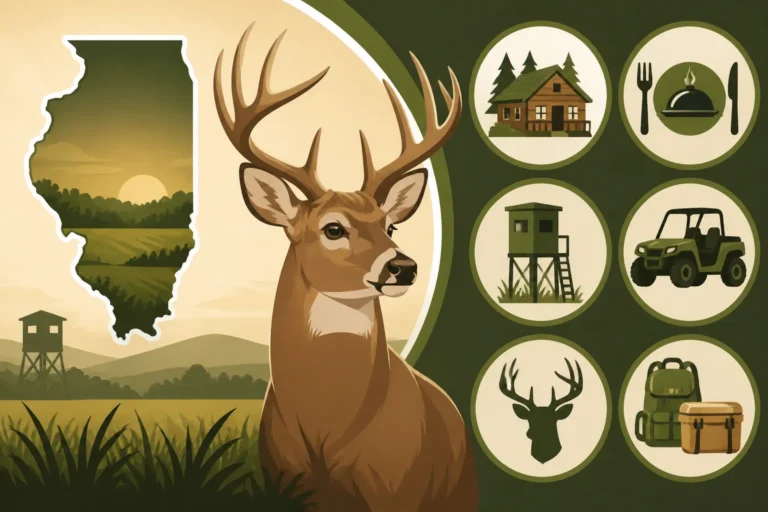
For many hunters, especially those traveling from out of state or simply short on time, the idea of an all-inclusive hunting adventure is incredibly appealing. Illinois, known for its incredible whitetail deer and abundant waterfowl, has become a prime destination for these types of trips. Lodge and package hunts essentially bundle together the essential elements of a successful hunt, taking the stress of organization off your shoulders and allowing you to focus on the experience itself.
What Differentiates a Package Hunt?
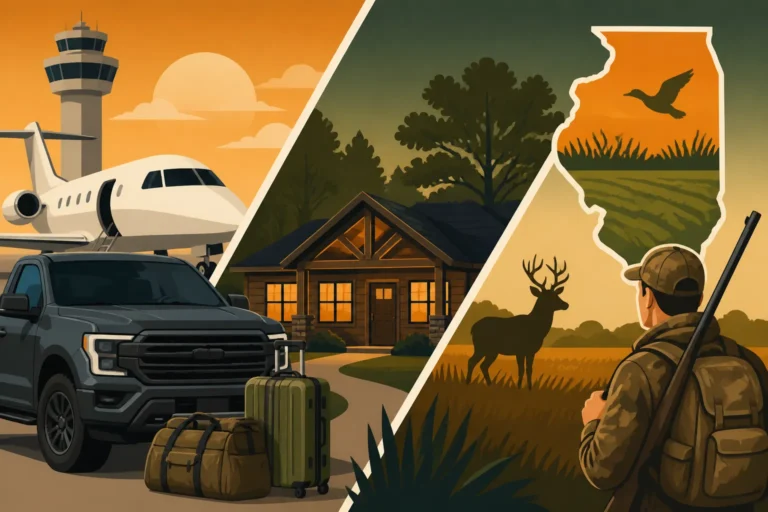
A package hunt isn't just about paying for access to a piece of land; it's about a curated experience designed to maximize your chances of success and enjoyment. Think of it as a hunting vacation where all the details, from where you'll sleep to what you'll eat, and even often how you'll get to your stand, are pre-arranged. This often includes a place to stay, meals, guide services, and sometimes even transportation around the hunting property. The outfitter handles the intricate details, from knowing the prime bedding areas to understanding the latest regulations, acting as your local expert. This level of service is a stark contrast to a self-guided public land hunt, where every single aspect, from scouting to tracking, falls squarely on your shoulders.
Beyond just logistics, a package hunt often provides access to prime private land that would otherwise be unattainable. Illinois is heavily agricultural, and much of the best hunting ground is privately owned. Outfitters invest heavily in leasing these properties, managing them for quality game, and building relationships with landowners. This means you're not just buying convenience; you're buying into years of habitat management and strategic land access. It’s a way for hunters, particularly nonresidents, to tap into the legendary hunting opportunities Illinois offers without the monumental task of securing private permissions on their own.
Moreover, these packages often cater to specific hunting styles or desired outcomes. Some might focus intensely on trophy whitetails, employing specific strategies and holding properties known for mature bucks. Others might be geared towards high-volume waterfowl shooting, with expert callers and meticulously maintained blinds. The package structure means the outfitter has thought through the entire hunt from a client's perspective, aiming to deliver a cohesive and exciting experience, rather than just providing a place to hunt. It's truly about the end-to-end journey.
Who Benefits Most from Lodge and Package Hunts?
While appealing to many, lodge and package hunts are particularly beneficial for certain types of hunters. First and foremost are nonresident hunters. Navigating Illinois's permit system, understanding local nuances, and securing quality land can be a daunting task for someone unfamiliar with the state. An outfitter streamlines this process immensely, often assisting with permit applications and providing a ready-to-hunt setup upon arrival. Illinois Nonresident License Options are often a point of confusion, and a good outfitter can clarify these details.
Time-constrained hunters also find immense value. If you only have a few days a year to hunt, you don't want to spend precious hours scouting, setting up stands, or worrying about where to eat. A package hunt maximizes your actual hunting time, allowing you to hit the ground running. It's an efficient way to get into the woods or fields without the prep work consuming your valuable vacation days. This is especially true for corporate groups or friends looking for a hassle-free annual getaway.
Finally, hunters seeking a higher probability of success, particularly for specific species or trophy animals, often turn to guided hunts. Outfitters typically hunt well-managed private properties, often with a history of producing quality game. While no hunt guarantees a kill, the expertise of a local guide, coupled with prime habitat, certainly stacks the odds in your favor. They know the movement patterns, the current food sources, and the best stand locations based on wind and time of year, all critical factors when chasing elusive animals like a mature Illinois whitetail.
The Allure of Illinois for Hunters
Illinois holds a special place in the hearts of many hunters, especially those with a passion for whitetail deer and waterfowl. The state's unique geography, characterized by fertile agricultural fields interspersed with timbered river bottoms and rugged bluffs, creates incredibly rich habitat. This blend supports robust deer populations, including a consistent track record of producing world-class trophy bucks. Areas like Pike, Adams, and Brown counties are practically legendary in the whitetail world, drawing hunters from across the globe.
Beyond deer, Illinois is a critical stopping point on the Mississippi Flyway, making it a waterfowl hunter's paradise. The Illinois River Valley, in particular, is famed for its massive concentrations of ducks and geese during migration. Outfitters along these waterways have perfected the art of decoy spreads, calling techniques, and blind placement, offering unforgettable experiences for those chasing mallards, pintails, and various goose species. Waterfowl Hunting the Illinois River Valley is a pursuit that many outfitters specialize in.
The state also offers excellent opportunities for wild turkey, small game like squirrels and rabbits, and even the increasingly popular pursuit of feral hogs. This diversity means that many outfitters offer multi-species packages or can tailor a trip to a hunter's specific interests. The strong hunting heritage, coupled with the sheer abundance and quality of game, solidifies Illinois's reputation as a premier hunting destination, making lodge and package hunts a highly sought-after option for maximizing time and opportunity.
Types of Game Species Offered in Packages
Illinois is a diverse hunting state, and outfitters often specialize in the species that thrive in their particular region. When you're looking for a package hunt, it's essential to match your target species with an outfitter who has a proven track record for that game. This ensures their land, guides, and equipment are all geared towards your desired hunt.
Whitetail Deer Packages
Without a doubt, whitetail deer are the undisputed king of Illinois hunting. The state is famous for its potential to produce mature bucks with impressive racks, thanks to a combination of fertile soils, abundant food sources, and quality genetics. Whitetail packages are by far the most common type of lodge hunt available in Illinois. These packages typically run for three to five days, coinciding with specific seasons such as archery, early firearm, or muzzleloader. Bowhunting Illinois's Long Archery Season is a popular option, as is Illinois's Two Firearm Deer Seasons.
Outfitters offering whitetail packages often lease thousands of acres of prime private land, carefully managing their deer herds for age structure and health. They spend countless hours scouting, hanging stands, planting food plots, and monitoring trail cameras to understand deer movement patterns. When you book a whitetail package, you're not just getting a place to sleep; you're gaining access to this meticulously prepared habitat and the guide's extensive knowledge. They'll place you in stands or blinds strategically located near feeding areas, bedding cover, or travel corridors, taking into account current wind conditions and time of day. Some outfits even offer "trophy managed" hunts, focusing exclusively on older age-class bucks, though these often come with higher price tags and more stringent harvest criteria.
It's common for whitetail packages to include fully guided or semi-guided options. Fully guided means your guide will accompany you to and from the stand, often assist with tracking and field dressing, and be available for constant support. Semi-guided means the guide will get you to your pre-scouted stand, give you instructions, and be on call, but you'll hunt independently. Both offer distinct advantages depending on your experience level and preference for solitude.
Wild Turkey Packages
Illinois is home to a healthy population of wild turkeys, making it a fantastic destination for spring gobbler hunts. Package hunts for turkey often focus on the prime spring season, although some outfitters might offer fall turkey hunts as well, particularly in the northern zones where populations can support it. Spring Turkey Hunting in Illinois is a dynamic experience that benefits greatly from local knowledge.
Turkey hunting packages typically involve early morning starts, as guides work to locate gobblers on the roost. They'll use various calling techniques to draw birds in, often setting up decoys to enhance the realism. Unlike deer hunting, which can often be a solitary pursuit from a treestand, turkey hunting is highly interactive, with guides actively calling and reacting to the birds' movements. An experienced guide's ability to "read" a gobbler and adapt tactics on the fly can make all the difference between success and a frustrating silence.
Many turkey packages are shorter in duration than deer hunts, often two to three days, reflecting the typically higher success rates and the fast-paced nature of the hunt. They usually include transportation to prime roosting and strutting areas, as well as all necessary calling and decoy equipment. Hunters will need to bring their own shotgun, ammunition, and appropriate camouflage. Just like with deer, these hunts primarily take place on private land, offering access to unpressured birds that might not be available on public tracts.
Waterfowl Packages (Ducks and Geese)
For hunters whose passion lies in the skies, Illinois offers incredible waterfowl opportunities, especially along its major river systems like the Illinois and Mississippi. Outfitters specializing in waterfowl provide an entirely different package experience, centered around meticulously set up blinds, vast decoy spreads, and expert calling. Waterfowl Hunting the Illinois River Valley is a truly iconic experience.
Waterfowl packages can vary greatly, from field hunts targeting geese and dabbling ducks in cut cornfields, to river blind hunts in strategic locations along the main channels or backwaters. These operations require significant investment in equipment: thousands of decoys, specialized blinds (like layout blinds or permanent pit blinds), and highly trained retriever dogs. The guides are often seasoned callers, capable of replicating the nuances of duck and goose vocalizations to draw birds within shooting range.
A typical waterfowl package will involve an early morning start, often well before dawn, to get to the blind and set out any last-minute decoys. The hunt usually lasts through the morning flight, or sometimes all day depending on bird movement and regulations. Meals might be provided in the blind or back at the lodge. Success on a waterfowl hunt is heavily dependent on weather, migration patterns, and the guide's ability to adapt. These packages are ideal for groups of friends or corporate outings, offering a social and action-packed hunting experience.
Other Species: Hogs and Small Game
While less common than deer, turkey, or waterfowl, some Illinois outfitters do offer package hunts for other species, most notably feral hogs and small game. Feral hogs are an invasive species in Illinois, and they are unregulated, meaning they can be hunted year-round without specific permits on private land. This has led to a niche market for hog hunting packages, often incorporating methods like night hunting with thermal optics or dog-driven hunts. Hunting Illinois's Year-Round Feral Hogs is gaining popularity.
Small game packages might focus on rabbit or squirrel hunting, often utilizing dogs. These hunts are typically more casual and less expensive than big game or waterfowl packages. They can be a great option for younger hunters, those looking for a high-action experience, or anyone wanting to fill their freezer with delicious wild game. Some outfitters might offer these as add-on options to a primary big game hunt or as standalone day trips. While not as widely advertised, inquiring about these options can sometimes lead to unique opportunities.
| Species | Typical Hunt Duration | Key Inclusions | Common Locations |
|---|---|---|---|
| Whitetail Deer | 3-5 days | Guide, Stands, Meals, Lodging | Pike, Adams, Calhoun Counties |
| Wild Turkey | 2-3 days | Guide, Calls, Decoys, Meals, Lodging | Southern & West-Central IL |
| Waterfowl | 1-3 days | Guide, Blinds, Decoys, Dogs, Meals, Lodging | Illinois River Valley |
| Feral Hog | 1-2 days | Guide, Thermal Gear, Dogs, Lodging | Southern IL, River Bottoms |
| Small Game | 1 day | Guide, Dogs (optional) | Rural Farmland, Woodlots |
What's Typically Included in an Illinois Hunt Package
When you're shelling out good money for a hunting trip, you want to know exactly what you're getting. Lodge and package hunts are designed to be comprehensive, but the specifics can vary significantly between outfitters. Understanding the common inclusions will help you compare options and ensure you choose a package that aligns with your expectations.
Accommodation and Meals
One of the primary benefits of a lodge or package hunt is the convenience of having your lodging and meals handled. Most outfitters provide comfortable accommodations, which can range from rustic bunkhouses to modern, well-appointed lodges with private rooms and amenities. These lodges often become the central hub of your hunting experience, a place to relax, share stories, and strategize with your guides and fellow hunters. It eliminates the hassle of finding a hotel, cooking your own food, or commuting long distances to the hunting grounds.
Meals are typically a significant part of the package, often including hearty breakfasts before dawn, packed lunches for the field, and delicious home-cooked dinners in the evening. This communal dining experience is often a highlight, fostering camaraderie and allowing hunters to recap the day's events. Some outfitters might even have a dedicated chef, providing gourmet meals, while others offer more traditional, but equally satisfying, camp fare. It's always a good idea to inquire about dietary restrictions or preferences when booking. The quality and style of lodging and food can greatly influence the overall cost and feel of the hunt, so be sure to ask for details and photos of the accommodations.
Consider what level of comfort and privacy you expect. Are you okay sharing a bunk room with several other hunters, or do you prefer a private bedroom and bath? Is a simple, hot meal sufficient, or do you expect a certain culinary experience? Understanding these preferences beforehand will help you narrow down your choices and ensure the lodge experience contributes positively to your overall trip.
Guide Services and Scouting
At the heart of any package hunt is the guide service. This isn't just someone to point you to a stand; it's a seasoned professional with intimate knowledge of the land, the game, and local hunting conditions. Guides spend countless hours scouting before and during the season, monitoring game camera footage, identifying fresh sign, and tracking weather patterns to put you in the best possible position for success. This pre-season scouting is invaluable, as it often determines the most productive stand locations and hunting strategies for a given period.
Your guide will typically transport you to and from your hunting location, whether it's a treestand, ground blind, or waterfowl pit. They'll advise you on shot placement, ethical harvesting, and help with blood trailing and game recovery. For species like turkey or waterfowl, they'll actively call for you, setting up decoys and reading the birds' reactions. This level of expertise and hands-on support is what truly distinguishes a guided hunt from a solo endeavor. Deer Drives on Illinois Public Land are usually a group activity where a guide's coordination is key, though private land drives can be structured differently.
It's important to clarify the guide-to-hunter ratio. A 1:1 or 1:2 ratio means more personalized attention, while a higher ratio might mean less direct interaction. Also, understand if your guide will be actively hunting with you (common for turkey and waterfowl) or simply dropping you off at a stand (common for deer). A good guide is not just an expert hunter but also an excellent communicator, ensuring you understand the plan and feel comfortable throughout the hunt.
Transportation and Logistics
The logistical nightmare of hunting a new area often deters potential visitors. Package hunts aim to eliminate this entirely. Beyond transport to and from hunting areas, some outfitters even offer airport pickup and drop-off services for clients flying in from out of state. This seamless transition from arrival to the hunting lodge reduces travel stress significantly.
Once at the lodge, you can expect transportation to and from your specific hunting locations each day. This might involve ATVs, UTVs, trucks, or boats, depending on the terrain and type of hunt. This is especially helpful for deer hunters accessing remote stands, or waterfowl hunters reaching secluded blinds in river bottoms. It also means you don't have to worry about navigating unfamiliar roads or difficult terrain in the dark before morning hunts.
The outfitter will also typically handle game recovery. If you harvest an animal, your guide will assist with tracking, retrieving, and transporting it back to the lodge. This can be a huge relief, especially for large animals like deer in challenging terrain or retrieving ducks from marshy areas. This comprehensive logistical support allows you to focus purely on the hunting experience rather than getting bogged down in the practicalities.
Equipment and Amenities Provided
While you'll always be responsible for your personal hunting gear, weapon, and licenses, outfitters often provide much of the communal equipment needed for a successful hunt. This commonly includes high-quality treestands and ground blinds for deer hunting, which are already strategically placed and brushed in. For waterfowl, expect fully equipped pit blinds, layout blinds, and extensive decoy spreads. Some even provide calls, binoculars, or rangefinders for your use, though bringing your own trusted gear is usually preferred.
Beyond hunting-specific equipment, lodges often offer a range of amenities. These can include a dedicated game processing area, complete with a walk-in cooler to properly hang and age venison. Many have comfortable common areas, fire pits, satellite TV, and Wi-Fi to stay connected. Some even have pro shops where you can purchase forgotten essentials, ammunition, or hunting apparel. Illinois Deer Camp Traditions are often built around these shared spaces.
It's crucial to check with the outfitter specifically what equipment they provide and what you are expected to bring. This clarity prevents any surprises upon arrival and ensures you're adequately prepared. For instance, while a guide will provide calls for turkey hunting, you might want to bring your personal favorite call for comfort and familiarity.
Game Care and Processing
Harvesting an animal is just one part of the equation; proper game care is essential for delicious table fare. Most lodge and package hunts include basic field dressing services and transportation of your harvested game back to the lodge. Here, many outfitters have facilities for hanging and cooling your deer or storing your birds.
Some outfits will even provide basic quartering and packaging services for an additional fee, or they'll have arrangements with a local butcher shop. It's vital to discuss these details beforehand, especially if you're an out-of-state hunter needing to transport meat back home. Regulations regarding carcass movement, particularly concerning Chronic Wasting Disease (CWD) in certain counties, are very important. Illinois Carcass Movement Restrictions are something an experienced outfitter will be well-versed in and can help you navigate.
For trophy animals, outfitters will almost always assist with caping and preparing the hide for your taxidermist. Many have relationships with local taxidermists and can arrange for your trophy to be prepared and shipped. Again, confirm these services and any associated costs in advance. Knowing these aspects are covered adds immense value and peace of mind to the entire hunting experience.
Navigating Costs and Booking Your Illinois Package Hunt
Booking an Illinois lodge and package hunt is an investment, and understanding the financial aspects, as well as the booking process, is key to a successful and stress-free experience. Prices can vary widely, and knowing what influences these costs will help you find the right fit for your budget and hunting aspirations.
Factors Influencing Package Hunt Pricing
Several elements contribute to the overall cost of an Illinois package hunt. The most significant is often the species being hunted. Whitetail deer packages, especially those targeting trophy bucks in renowned counties like Pike or Calhoun, typically command the highest prices due to demand and the specialized management required. Waterfowl hunts are also often premium, reflecting the extensive equipment and guide expertise involved. Small game or hog hunts generally fall on the lower end of the spectrum.
The duration of the hunt is another major factor; a five-day hunt will naturally cost more than a three-day trip. The level of service also plays a huge role – fully guided hunts with a low guide-to-hunter ratio, all meals, and luxury lodging will be at the higher end. Semi-guided or self-guided packages on private land without meals or lodging will be more affordable. The time of year also matters: peak rut for deer, or the prime migration periods for waterfowl, are usually the most expensive booking windows.
Finally, the reputation and success rate of the outfitter can influence price. Well-established operations with a consistent record of client satisfaction and trophy animals will often charge more, reflecting their investment in land, guides, and client experience. Always ensure you understand what's not included in the base price, such as licenses, gratuities, meat processing, or taxidermy. These can add up quickly.
Understanding Deposit and Cancellation Policies
Before you commit to any package hunt, it is absolutely critical to thoroughly review the outfitter's deposit and cancellation policies. Most outfitters require a significant non-refundable deposit upfront to secure your dates, often 50% or more of the total hunt cost. This is standard practice, as they are blocking off guides, lodging, and hunting access specifically for you.
Cancellation policies can be strict. If you cancel within a certain window (e.g., 60-90 days out), you might forfeit your entire deposit. Some outfitters may offer to apply your deposit to a future hunt if you rebook, but this is not guaranteed. Life happens, and unforeseen circumstances can arise, so consider investing in travel insurance that specifically covers hunting trips. This can protect your financial investment if you need to cancel due to illness, injury, or other covered events.
Always ensure you receive a written contract or agreement detailing all terms and conditions, especially those related to payment, deposits, and cancellations. Don't rely solely on verbal agreements. Understanding these policies upfront will prevent potential disputes and financial losses down the line, giving you peace of mind as you plan your trip.
How to Find and Vet Outfitters
Finding the right outfitter is paramount to a successful lodge and package hunt. Start your search by determining your target species, desired dates, and budget. Online platforms are a great starting point; sites like BookYourHunt and GoHunt list numerous outfitters and often include reviews, photos, and detailed package descriptions. You can also find many Illinois outfitters by directly searching for "Illinois guided deer hunts" or "Illinois waterfowl lodges."
Once you have a few potential outfitters, the vetting process begins:
-
Check References: This is the most crucial step. Ask the outfitter for a list of recent clients (ideally from the past one or two seasons). Contact these references and ask specific questions:
- Was the hunt as advertised?
- Was the guide knowledgeable and professional?
- How were the accommodations and meals?
- Did they feel safe and comfortable?
- Would they hunt with this outfitter again?
- Did they successfully harvest an animal, and if not, did they have opportunities?
Don't shy away from asking tough questions.
-
Verify Licensing and Insurance: Ensure the outfitter is properly licensed to operate in Illinois and carries adequate liability insurance. A reputable outfitter will have no issue providing this information.
-
Inspect Photos and Testimonials: While photos can be misleading, look for consistency and recent dates. Be wary of overly Photoshopped images or testimonials that seem generic. Look for social media pages to see recent activity and client posts.
-
Ask Detailed Questions: Don't hesitate to ask specific questions about:
- Guide-to-hunter ratio
- Acreage hunted
- Typical success rates (and how they define "success")
- Specific regulations or antler restrictions they enforce
- What's included vs. excluded
- Their CWD management policies, especially in counties within the Illinois's Chronic Wasting Disease Zone.
-
Trust Your Gut: After your research and conversations, if something feels off, it probably is. There are many excellent outfitters in Illinois, so don't settle for one that raises red flags.
By diligently vetting your options, you significantly increase the likelihood of booking a reputable outfitter and having a fantastic hunting experience.
Preparing for Your Illinois Lodge Hunt
You’ve booked your dream Illinois hunt, now comes the preparation! A well-prepared hunter is a more successful and safer hunter. This involves more than just packing your bag; it includes physical conditioning, understanding the local hunting environment, and ensuring all your paperwork is in order.
Physical and Mental Preparation
Hunting, especially for big game in rugged terrain, can be physically demanding. Even if you're hunting from a blind, getting to and from the stand, tracking game, and field dressing an animal all require a certain level of fitness. If your hunt involves still-hunting or covering significant ground, like Still-Hunting Southern Illinois Ridges, your physical conditioning will directly impact your endurance and enjoyment. Start a fitness regimen months before your trip that includes cardiovascular exercise, strength training, and stretching. Focus on leg strength and core stability, as these are crucial for navigating uneven ground and carrying gear.
Mental preparation is equally important. Hunting, particularly for trophy animals, often involves long periods of sitting still, enduring various weather conditions, and dealing with the emotional highs and lows of the chase. Develop patience and a positive mindset. Practice shooting your weapon frequently to build confidence in your abilities. Familiarize yourself with shot placement for your target species. Visualize success, but also mentally prepare for the possibility that you might not harvest an animal, understanding that the experience itself is a significant part of the reward. Being mentally tough will serve you well when the weather turns or a tough tracking job is required.
Discuss the physical demands of the hunt with your outfitter beforehand. They can give you an accurate picture of what to expect, helping you tailor your preparation. If you have any physical limitations, communicate them clearly to your guide so they can make appropriate accommodations for your safety and comfort.
Essential Gear Checklist
Packing effectively is crucial for a comfortable and successful hunt. Beyond your weapon and ammunition, here's a general checklist, though your outfitter might provide a more specific list:
- Hunting Clothing: Layering is key for Illinois's unpredictable weather. Pack moisture-wicking base layers, insulating mid-layers (fleece or down), and a waterproof/windproof outer shell. Consider scent-control clothing for deer hunting.
- Footwear: Comfortable, broken-in, waterproof hunting boots are non-negotiable. Bring extra socks (wool or synthetic).
- Headwear & Gloves: Warm hats, neck gaiters, and gloves appropriate for the temperatures.
- Optics: Binoculars, rangefinder.
- Navigation: While your guide will lead, having a personal GPS or a mapping app like onX (with downloaded maps for offline use) can be reassuring.
- Lighting: Headlamp with red light option and extra batteries.
- Knife: Quality hunting knife for field dressing, and a sharpener.
- Backpack: Day pack for essentials, water, snacks, extra layers.
- Thermos: For hot coffee or soup on cold mornings.
- First-Aid Kit: Basic personal first aid, any necessary medications.
- Scent Control: For deer hunters (scent spray, scent-free wipes).
- Rain Gear: Even if your outer shell is waterproof, dedicated lightweight rain gear can be a lifesaver.
- Cooler: A large cooler to transport your meat and capes home.
For waterfowl hunters, waders and specific camo patterns are essential. Turkey hunters will need full camo, including a face mask and gloves. Always double-check with your outfitter for their specific recommendations, as they know the local conditions best.
Understanding Illinois Regulations
One of the most intimidating aspects of hunting in a new state is navigating its complex regulations. While your outfitter will be a valuable resource, it's ultimately your responsibility to know and follow all Illinois Department of Natural Resources (IDNR) rules. Start by purchasing your Illinois Hunting Licenses and What They Cost well in advance. Pay close attention to specific season dates for your target species, legal hunting hours, bag limits, and any specific weapon restrictions. Legal Weapons During Illinois Firearm Season can be different from other states.
Mandatory reporting of harvested deer and turkey is crucial. Illinois requires successful hunters to report their harvest through the IDNR website or app by a specific deadline. Failure to do so can result in penalties. Be aware of any special regulations in place for CWD management zones, such as carcass movement restrictions or mandatory sampling requirements. Illinois CWD Testing for Hunters is a program you should be aware of if hunting in affected areas.
Your guide will provide guidance, but a quick review of the Illinois hunting regulations booklet yourself ensures you're informed. This knowledge helps you hunt responsibly and confidently, avoiding any potential legal issues or misunderstandings. Having your licenses and permits in hand, along with any necessary stamps (like the habitat stamp or federal duck stamp), before you arrive is essential.
Making the Most of Your Guided Experience
You've invested time and money into this hunt, so you want to ensure you get the most out of it. A guided hunt is a partnership between you and your outfitter/guide. Effective communication and a respectful attitude are key to a truly memorable experience.
Communication with Your Guide
The relationship with your guide is paramount. Before, during, and after the hunt, clear and open communication will enhance your experience significantly. Before the hunt, discuss your expectations, skill level, physical capabilities, and what you hope to achieve. Are you looking for a trophy of a lifetime, or is filling the freezer your main goal? Do you prefer to sit all day, or would you like to move and stalk? Being upfront allows the guide to tailor the experience to you.
During the hunt, listen attentively to your guide's instructions. They are the local experts, familiar with the terrain, animal patterns, and current conditions. If you have questions or concerns, voice them respectfully. If you see something unusual or make a mistake, tell your guide immediately. For example, if you make a questionable shot, immediate communication is crucial for a successful recovery. If you're feeling unwell, or have a specific concern about a stand location or strategy, speak up. A good guide values your input and will do their best to accommodate you within safe and ethical parameters.
Open communication also extends to safety. Ensure you understand all safety protocols, especially when handling firearms or climbing into treestands. Never hesitate to ask for clarification. Remember, your guide's primary goal is your safety and a successful, enjoyable hunt.
Respecting the Land and Other Hunters
When you book a package hunt, you're often hunting on private land that the outfitter has carefully managed, or even on public land where they've secured special permits. Treat this land with the utmost respect. This means packing out all trash, being mindful of your impact on the environment, and adhering to any specific rules the outfitter has for the property (e.g., no driving ATVs off designated trails, specific entry/exit routes for stands). Leave no trace, as if you were never there. This helps preserve the hunting grounds for future seasons and maintains the outfitter's good relationship with landowners.
Furthermore, remember that you might be sharing the lodge or hunting property with other clients. Respect their space, privacy, and hunting experience. Keep noise levels down, especially during early morning or late evening hours. Be mindful of scent control if you're a deer hunter, so as not to contaminate others' hunting areas. Share stories and camaraderie, but avoid bragging or making others feel uncomfortable. A harmonious camp atmosphere contributes to a positive experience for everyone involved.
Understanding that you are a guest on someone else's property and experience is key. Your actions reflect not only on yourself but also on the outfitter and the hunting community as a whole. Be a good ambassador for hunters.
Post-Hunt Logistics and Tipping
Once the hunt concludes, there are still a few important logistics to address. As mentioned earlier, coordinate with your guide regarding game care, processing, and transportation of your harvest. If you're using a local butcher or taxidermist, ensure all arrangements are made before you depart. This might include shipping services for meat or trophies back to your home state.
Tipping your guide is customary and highly encouraged, as it's a significant part of their income and a reflection of their hard work and dedication. A typical tip for a good guide ranges from 15-20% of the hunt's base price. If multiple guides were involved or lodge staff (cooks, cleaners) provided excellent service, remember them as well. The amount can vary based on the quality of service, the effort put in by the guide, and your overall satisfaction. Present the tip discreetly and personally to your guide at the end of the trip.
Expressing your gratitude, whether through a tip, a thank you note, or a positive review, goes a long way. If you had a phenomenal experience, consider writing a detailed testimonial for the outfitter's website or leaving a glowing review on platforms like BookYourHunt or GoHunt. This helps them attract future clients and acknowledges the hard work that went into your trip.
The Pros and Cons of Illinois Lodge and Package Hunts
Like any major decision, opting for a lodge and package hunt comes with its own set of advantages and disadvantages. It's important to weigh these carefully against your personal hunting style, experience level, and budget to determine if this type of trip is the right fit for you.
Advantages for Hunters
The list of advantages for lodge and package hunts is quite compelling, especially for certain demographics of hunters. Perhaps the most significant benefit is convenience and reduced stress. Imagine arriving in Illinois, knowing your accommodation is set, meals are cooked, stands are hung, and a knowledgeable guide is waiting to put you on game. This eliminates countless hours of scouting, planning, and worrying about logistics, allowing you to simply enjoy the hunt. This is particularly valuable for Nonresident Access to Illinois Public Land concerns, as finding prime public ground can be competitive.
Another huge draw is access to prime private land. Illinois is dominated by private property, and the best hunting often happens there. Outfitters have invested heavily in leasing these properties, managing them for quality game, and maintaining positive landowner relationships. This means you gain access to lands that consistently produce quality animals, often with less hunting pressure than public ground. This access significantly increases your chances of success, especially for trophy animals, as guides leverage their expertise and pre-scouted locations to maximize opportunities.
The expertise of a professional guide is invaluable. These individuals are local experts, intimately familiar with animal behavior, habitat, and current conditions. They know the best strategies for changing weather, food sources, and pressure. Their ability to track, call, and make real-time decisions can be the difference between a challenging hunt and a successful one. Additionally, the camaraderie and shared experience at a lodge can be a wonderful part of the trip. Sharing stories, meals, and laughter with fellow hunters and guides builds bonds and creates lasting memories.
Potential Drawbacks to Consider
Despite the many benefits, lodge and package hunts are not for everyone. The most obvious drawback is cost. These trips represent a significant financial investment, often ranging from several hundred to several thousand dollars, depending on the species, duration, and amenities. This can be prohibitive for hunters on a tight budget or those who prefer to spend their money on equipment or multiple self-guided trips.
Another consideration is the loss of autonomy and the do-it-yourself spirit. For some hunters, the challenge of scouting, setting up, and finding success entirely on their own is part of the allure. A guided hunt means relinquishing much of that control to the outfitter. While this is a benefit for many, it can be a drawback for those who cherish the self-sufficiency of a DIY hunt. You might be hunting from pre-selected stands or following specific strategies, which limits your personal exploration and decision-making.
Finally, while guides work tirelessly to maximize your opportunities, there's no guarantee of success. Wildlife is wild, and even the best outfitter cannot control animal behavior, weather patterns, or pure luck. Paying a premium price for a package hunt and not harvesting an animal can be a significant disappointment for some. It's crucial to manage expectations and remember that the value of the experience extends beyond pulling the trigger. The thrill of the chase, the time spent in nature, and the shared memories are all part of a successful trip, regardless of the final outcome.
Disclaimer
This article is for general informational purposes only and does not constitute professional advice. Laws, prices and regulations vary by location and change over time. Consult a qualified professional for guidance on your specific situation.