Airport Pickup and Lodging Logistics
Stepping off a plane in an unfamiliar state, especially when you're geared up for an Illinois hunting adventure, can feel a bit daunting. One of the biggest logistical hurdles for hunters traveling from out of state is figuring out the journey from the airport to a often remote hunting lodge, and then understanding what your accommodation will truly be like once you arrive. This guide will walk you through the nitty-gritty of airport pickups and lodging logistics, helping you set clear expectations and ensuring a smoother start to your hunting trip.
Navigating Your Arrival: Airport Choices and Transportation Realities
Getting to your Illinois hunting destination often involves more than just a direct flight. You need to consider which airport makes the most sense geographically for your outfitter, and then how you'll bridge that gap from the terminal to the hunting lodge. It's a critical first step that, if overlooked, can add stress before you even see your first deer sign.
Picking the Right Illinois Airport for Your Hunt
Illinois is a big state, and selecting the right airport can save you hours of driving and significant expense. Most hunters flying in will consider major hubs like Chicago O'Hare (ORD) or Midway (MDW), especially if their hunt is in the northern or central parts of the state. These airports offer the most flight options and often more competitive pricing, but they can be a significant drive to prime hunting ground. Think about a hunt near Peoria or Springfield; flying into those regional airports, if feasible, might reduce your ground travel substantially.
If you're heading to the famed southern Illinois timber, particularly areas like the Shawnee National Forest Hunting region, flying into St. Louis Lambert International Airport (STL) across the river in Missouri is often a far more practical choice. It significantly cuts down on drive time compared to flying into Chicago and then heading south for five or six hours. Regional airports like Capital Airport (SPI) in Springfield or Central Illinois Regional Airport (BMI) in Bloomington-Normal might serve specific central Illinois outfitters well, offering a more direct route, albeit potentially with fewer flight options or higher prices. Always check with your outfitter first, as they often have a preferred airport they service or recommend based on their location.
Transportation from Runway to Lodge: What to Expect
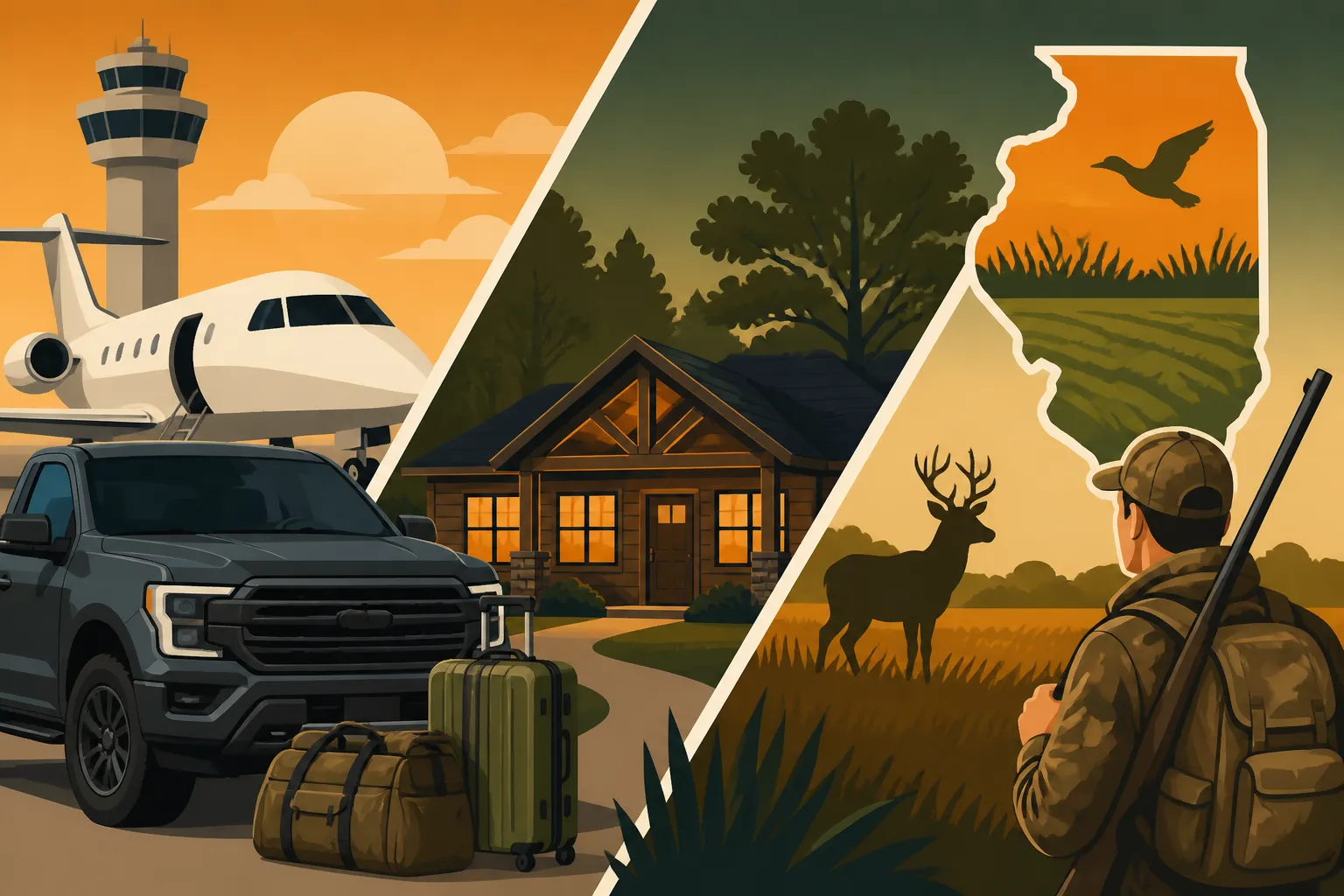
This is where the rubber meets the road, or rather, where your outfitter meets you! Transportation from the airport to the lodge can vary wildly depending on the outfitter and the package you've booked. Some high-end operations will include airport pickup and drop-off as part of their What a Guided Illinois Trophy Deer Hunt Costs package. This is incredibly convenient, as someone familiar with the area will be waiting for you, often with a trailer ready for your gear and trophy if you're lucky. They know the back roads, the best routes, and it removes all the stress of navigating an unfamiliar area after a long day of travel.
Other outfitters might expect you to arrange your own transport. In this scenario, renting a car is often the most practical solution. However, be mindful of the type of vehicle you rent. If you're heading to a remote lodge on gravel roads or through fields, a small sedan might not cut it, especially in wet or snowy conditions. An SUV or truck might be a better, though pricier, option. It also offers the flexibility to run into town for supplies, explore nearby areas, or even drive yourself to hunting spots if that's part of the outfitter's setup. Ride-sharing services like Uber or Lyft are generally not reliable, or even available, once you get outside of major metropolitan areas and into the rural landscapes where hunting lodges are typically found. Always confirm the transportation plan with your outfitter well in advance. Some hunters use platforms like BookYourHunt or GoHunt to research outfitters and their included services, making sure to specifically check the "transportation" section of their offerings.
Here’s a quick overview of common transportation scenarios:
| Option | Pros | Cons | Best For |
|---|---|---|---|
| Outfitter Pickup | Stress-free, local knowledge, often included | Limited flexibility once at lodge, dependent on outfitter's schedule | All-inclusive packages, first-time visitors |
| Rental Car | Maximum flexibility, independence | Cost, navigation in unfamiliar areas, suitable vehicle needed | Self-guided portions of trip, running errands, exploring |
| Shuttle/Taxi (Pre-booked) | Convenient, fixed cost, no navigation stress | Often expensive for long distances, limited availability in rural areas | Hunters not wanting to drive but needing specific timing |
| Ride-Sharing (Uber/Lyft) | On-demand in cities, generally affordable | Rarely available in rural hunting areas, unreliable for long distances | Only for getting to/from major city hotels before trip |
Making Yourself at Home: Illinois Outfitter Lodging Details
Once you've made it from the airport, the lodge becomes your home base for the duration of your hunt. The quality, style, and amenities of these lodges can greatly impact your overall experience. Understanding what you're walking into is crucial for comfort and preparation.
Types of Accommodations and Amenities Offered
Illinois hunting lodges run the gamut from rustic bunkhouses designed for no-frills hunting camps to luxurious, sprawling homes with all the modern conveniences. Many outfitters in prime areas like Pike County or along the Illinois River Valley offer comfortable, clean accommodations. You might find anything from shared bunk rooms where hunters swap stories well into the night, to private rooms with en-suite bathrooms for a bit more solitude.
Common amenities often include a communal living area, satellite TV, Wi-Fi (though signal strength can vary greatly in rural areas), and dedicated gear rooms. A gear room is a huge plus, offering space to dry wet clothes, store your bows or firearms, and organize your hunting pack without cluttering your sleeping quarters. Some lodges even boast dedicated processing areas, taxidermy preparation stations, or facilities for hanging game, which is invaluable after a successful hunt. If you're a nonresident, especially on a Booking an Illinois Hunt as a Nonresident, you'll want to ensure the outfitter has suitable facilities for game care, as you'll likely be traveling a long distance with your harvest. Before booking, don't hesitate to ask for photos of the accommodations and a detailed list of what's provided, down to linens and towels. Many hunters use resources like GoHunt or BookYourHunt to not only find outfitters but also to view galleries and read reviews about the lodge facilities.
Meals and Provisions: Fueling Your Hunting Days
Beyond a comfortable bed, good food is often a highlight of any guided hunting trip. What Lodge Meals Typically Include can vary significantly. Many reputable Illinois outfitters pride themselves on providing hearty, home-cooked meals that fuel you for long days in the field. You can often expect a substantial breakfast before heading out – think eggs, bacon, sausage, pancakes – followed by a packed lunch to take with you, or sometimes a hot lunch back at the lodge if you're hunting close by. Dinners are typically the main event, with generous portions of comfort food, often including wild game.
However, some outfitters might offer a more self-catered experience, where you're responsible for your own cooking, or they might provide basic ingredients for you to prepare. This could be a good fit if you have dietary restrictions or prefer to cook your own meals, but it's vital to clarify this beforehand. If meals are included, ask about the schedule: what time is breakfast? Are lunches packed or served hot? What time is dinner after the evening hunt? Don't forget to mention any dietary restrictions or allergies when you book so the outfitter can plan accordingly. Having a clear understanding of the meal plan prevents any hangry moments in the woods or unexpected grocery runs when you should be focused on hunting.
Beyond the Basics: Essential Pre-Trip Planning and Communication
Even with an outfitter, a successful hunting trip to Illinois demands proactive planning on your part. Don't assume anything. The more questions you ask and the more you communicate upfront, the fewer surprises you'll encounter on your trip.
Key Questions to Ask Your Outfitter About Logistics
Before you finalize your booking, arm yourself with a list of specific questions about airport pickup and lodging. This isn't just about being prepared; it's also about vetting the outfitter. A good outfitter will be transparent and happy to answer all your queries.
Here are some crucial questions to cover:
- Airport Pickup:
- Which airport do you recommend for my flight plans?
- Is airport pickup and drop-off included in the package? If so, what's the cost?
- What are the pickup times? What happens if my flight is delayed?
- How will I identify your driver/vehicle at the airport?
- Do you have space for my hunting gear and a cooler if I bring one?
- Lodging:
- What type of accommodation will I have (private room, shared room, cabin)?
- Are linens, towels, and basic toiletries provided?
- Is there Wi-Fi and cell service at the lodge?
- What are the check-in and check-out times?
- Are there laundry facilities available?
- Is there a dedicated area for storing and drying hunting gear?
- What are the rules regarding firearms or bows inside the lodge?
- Meals:
- Are all meals included? If not, which ones?
- What type of food can I expect?
- Can you accommodate dietary restrictions or allergies?
- What is the meal schedule?
- General Logistics:
- What's the nearest town for supplies or emergencies?
- Do you recommend bringing my own cooler for meat?
- What should I pack for the duration of the trip, beyond hunting essentials? What to Pack for a Guided Illinois Hunt offers more detail on this.
- What's your policy if a hunt needs to be canceled or rescheduled due to unforeseen circumstances on my end (e.g., family emergency) or yours (e.g., extreme weather)?
Asking these questions upfront, perhaps after researching various options on platforms like BookYourHunt or GoHunt, helps ensure that your expectations align with what the outfitter provides. Don't be shy about asking for Getting References From Past Illinois Clients who can attest to the logistical experience.
Preparing for the Unexpected: Flexibility is Your Friend
Even the best-laid plans can go awry, especially when travel and outdoor elements are involved. Flight delays, lost luggage, or unexpected weather changes can throw a wrench into your carefully planned arrival. Being flexible and having a contingency plan can save a lot of stress.
For instance, if you're flying into O'Hare for a hunt in Hunting Central Illinois Farmland Deer, a snowstorm could cause major delays. What's your backup? Could you rent a car at the airport if the outfitter pickup falls through? Do you have an overnight hotel booked in a nearby town just in case? Carry essential medications, a change of clothes, and critical hunting documents (like your Illinois Hunting Licenses and What They Cost) in your carry-on luggage, just in case your checked bags are delayed.
Maintain open lines of communication with your outfitter. If your flight is delayed, notify them immediately so they can adjust pickup schedules or offer alternatives. Remember, they want you to have a great hunting experience, but they can only help if they know what's going on. A little bit of proactive planning and a good attitude can turn potential setbacks into minor bumps in the road, ensuring that your Illinois hunting adventure gets off to the right start, from touchdown to trophy.
Disclaimer
This article is for general informational purposes only and does not constitute professional advice. Laws, prices and regulations vary by location and change over time. Consult a qualified professional for guidance on your specific situation.