Booking Early for the South Zone Turkey Opener
The Illinois South Zone turkey opener is a thrilling time for hunters, often sparking a frenzied rush to secure prime spots before they vanish. If you've ever dreamt of being in the woods when those first gobblers fire up, but felt overwhelmed by the competition or unsure how to guarantee your chance, this guide is for you. We're going to dive deep into why booking early isn't just a good idea, but essential, and walk through exactly how to ensure you're part of that coveted opening weekend experience.
Understanding the Illinois South Zone Turkey Opener
There's nothing quite like the crack of dawn on opening day, especially when a thunderous gobble rattles through the timber. For many, the Illinois South Zone turkey opener isn't just a date on the calendar; it's a deeply anticipated event, steeped in tradition and the promise of exhilarating hunts. But to truly appreciate why booking early is so crucial, we need to understand the unique dynamics of this particular season.
South Zone Season Structure and Periods
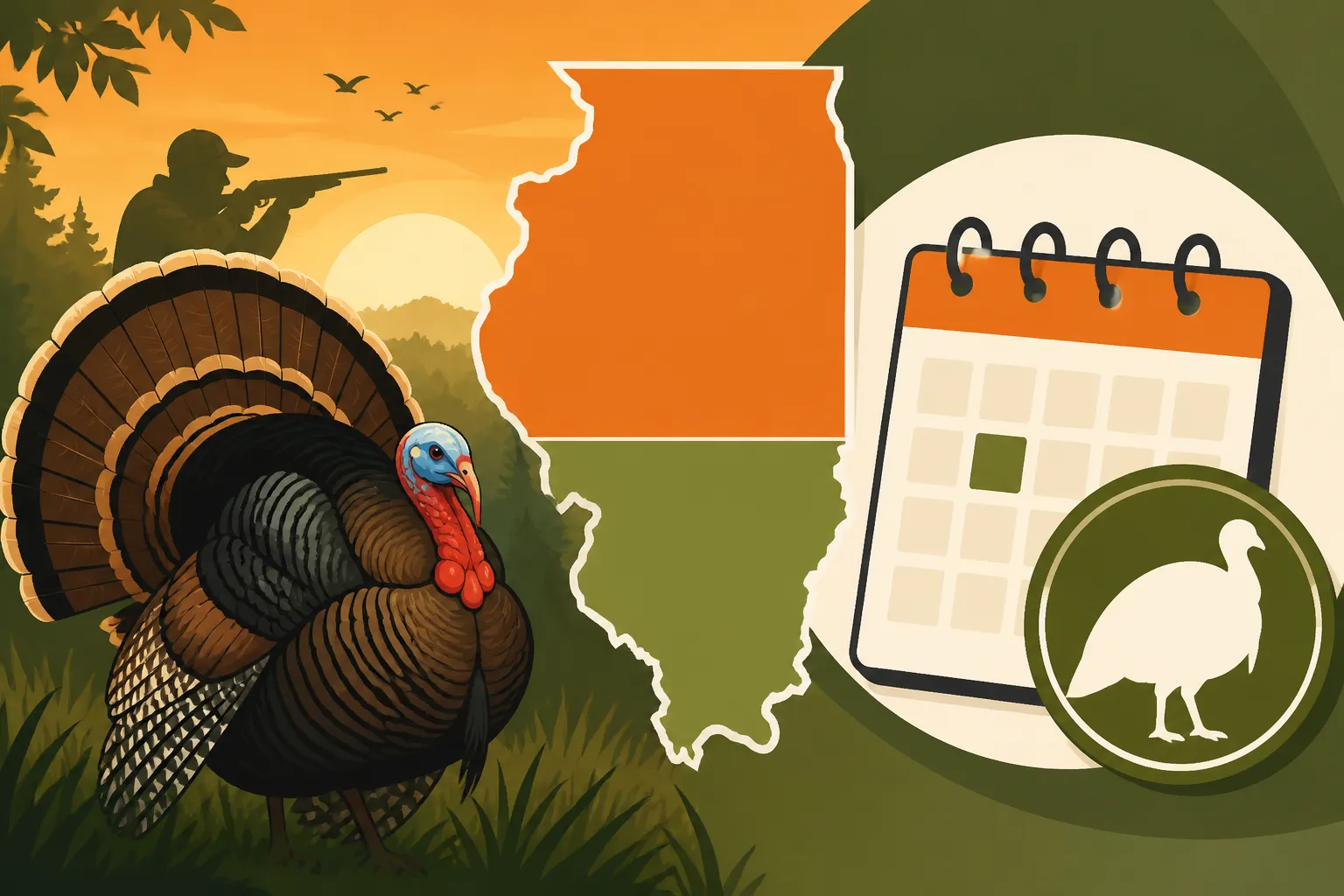
Illinois manages its spring turkey season with a zoned approach, dividing the state into North and South Zones, each with its own set of dates. The South Zone generally opens earlier than the North Zone, which means those first birds of the year often get hunted in southern Illinois. Within each zone, the season is further broken down into multiple hunting periods. Typically, the earliest periods, especially Period 1 and Period 2, are the most sought-after. These periods usually coincide with the peak of gobbling activity and breeding behavior, offering hunters the most active birds and the best chances at a mature tom. The thought of being there when the woods are exploding with gobblers is precisely what drives so much demand for these early slots. You might find it useful to check out Illinois South Zone Turkey Periods for a deeper dive into the specific timing.
The Competition for Prime Dates
If you've ever tried to get a highly coveted permit or a reservation for a popular hunting spot, you know the feeling of logging on right at midnight, fingers poised, hoping the system doesn't crash. The South Zone opener, particularly the first few periods, creates a similar rush. Public land opportunities can be incredibly crowded, making it tough to find an unpressured bird. For those looking for a more managed or exclusive experience, booking with an outfitter or guide becomes the natural choice, but those spots are finite and disappear quickly. This isn't just about convenience; it's about maximizing your chances and avoiding the disappointment of missing out entirely. Imagine planning your vacation days, getting your gear ready, only to find every desirable date is already taken – it's a truly deflating experience.
Why Booking Early is Critical
You might think, "Well, I'll just decide closer to the season." And while that might work for some less popular hunts or later periods, for the Illinois South Zone turkey opener, it's a recipe for disappointment. The demand is simply too high, the prime opportunities too limited, and the window for securing them too short.
High Demand and Limited Guide Availability
Think about it: everyone wants to hunt when the birds are most active, when the weather is just right, and when the excitement is at its peak. This naturally funnels intense demand into the first few periods of the South Zone season. Reputable turkey guides and outfitters in southern Illinois, especially those with access to prime private ground or extensive public land experience, only have so many openings. They often operate with a finite number of blinds, specific hunting areas, or a limited number of clients they can effectively manage while maintaining quality. Once their calendars fill up, they're simply booked solid, and there's no magic wand to create more spots.
These seasoned professionals often have a loyal client base who re-book year after year, sometimes even before they leave for home. This means that a significant portion of their prime spots are already spoken for, even before the general public starts looking. Trying to find a quality guide a few weeks before the opener is like trying to find a last-minute flight for a major holiday – possible, but you'll likely pay a premium and settle for less-than-ideal options.
Securing Prime Roosts and Hunting Areas
Experienced turkey guides are out scouting long before the season begins, identifying prime roosts, strutting zones, and travel corridors. They know the land intimately, understand turkey behavior in that specific area, and have often cultivated relationships with landowners for private land access. When you book early, you're not just booking a date; you're often securing access to these pre-scouted, high-potential areas.
If you wait, those coveted spots—the ridge where a consistent gobbler roosts, the field edge where birds love to strut, or the timber pocket that serves as a travel funnel—will already be allocated to early birds. The guide will place their earliest bookings in the best spots, naturally. Those who book later often get whatever's left, which might be less productive or more pressured ground. It's a fundamental truth of hunting: the best ground, and therefore the best opportunities, typically go to those who plan and commit first. You can learn more about how guides might be Roost Hunting Illinois Gobblers and the importance of those locations.
Better Planning for Travel and Logistics
Booking your hunt well in advance also gives you ample time to coordinate all the other moving parts of your trip. This includes things like requesting vacation time from work, arranging travel (flights, car rental, driving routes), and even planning for lodging if your outfitter doesn't provide it. Imagine the headache of trying to book a last-minute flight to southern Illinois during a busy travel season, or finding a hotel room near your hunting destination.
Early booking removes this stress entirely. You can lock in your hunt dates, then systematically plan your travel, potentially securing better rates on flights or accommodations by booking far ahead. This holistic approach ensures your entire trip is smooth and enjoyable, rather than a frantic scramble, leaving you fresh and focused on the hunt itself. It gives you the peace of mind that all the logistical hurdles are cleared, allowing you to simply anticipate the exciting hunt ahead.
Finding Reputable Outfitters and Guides
So, you're convinced booking early is the way to go. But how do you find a good guide for the Illinois South Zone turkey opener, especially if you're new to the area or even new to guided hunts? This isn't just about finding any guide, it's about finding a reputable one who will deliver on their promises and give you the best possible experience.
Researching Potential Guides and Outfitters
The first step is thorough research. Start by looking for outfitters specifically advertising guided turkey hunts in Illinois, focusing on the South Zone. Websites are a good starting point, but don't stop there. Look for testimonials, photo galleries of successful hunts, and details about their operation. Pay attention to how long they've been in business and their general philosophy on hunting. Do they emphasize fair chase, ethical hunting, and client success?
Online directories can be a huge help here. Platforms like BookYourHunt or GoHunt often list numerous outfitters with client reviews, detailed package descriptions, and sometimes even availability calendars. These sites can provide a fantastic overview of what's available and help you compare different operations side-by-side, giving you a wider lens than just Google searching. Look for consistency in their offerings and positive feedback over several years.
Checking References and Reviews
Once you've identified a few potential outfitters, dive deeper. Any reputable guide should be happy to provide references from past clients. Don't hesitate to call those references. Ask specific questions:
- How accurately did the outfitter describe the hunt?
- Were the guides knowledgeable and professional?
- What was the overall atmosphere like?
- Did they feel prepared for the hunt, and did they have good opportunities?
- Would they book with this outfitter again?
Also, scour independent online reviews. Look beyond just the glowing five-star reviews; pay attention to any recurring themes, positive or negative. A few mixed reviews are normal, but consistent complaints about communication, unfulfilled promises, or poor ethics are significant red flags. Remember, you're investing a substantial amount of money and time, so due diligence is paramount. For more on this, you might find Vetting an Illinois Outfitter Before You Book to be a helpful resource.
What to Look for in a Quality Turkey Guide
A great turkey guide isn't just someone who knows how to call a gobbler. They are excellent communicators, patient teachers, and genuinely passionate about sharing the hunting experience. Here are some key attributes:
- Local Knowledge: Do they know the specific terrain, roosting habits, and movement patterns of birds in the South Zone? This includes understanding Where Illinois Gobblers Roost and how to approach those areas quietly.
- Ethical Practices: Do they prioritize fair chase, follow all regulations, and respect the land?
- Safety First: Do they emphasize firearm safety, treestand safety (if applicable), and general outdoor safety?
- Good Communication: Are they responsive to your questions? Do they clearly explain what's included, what's expected of you, and any potential challenges?
- Flexibility and Adaptability: Turkey hunting can be unpredictable. A good guide can adjust tactics on the fly, whether it's changing calling sequences, moving locations, or adapting to changing bird behavior or weather.
- Client Focus: Do they seem genuinely interested in your success and enjoyment, not just adding another notch to their belt?
What to Expect from a Guided South Zone Hunt
A guided hunt, especially for a popular event like the Illinois South Zone turkey opener, is typically a structured experience designed to maximize your chances of success and provide a comfortable, enjoyable trip. Knowing what to expect helps you prepare and ensures you get the most out of your investment.
Typical Packages and Inclusions
Most turkey outfitters offer multi-day packages, often ranging from two to five days of hunting. These packages can vary wildly in what they include, so always read the fine print. Common inclusions might be:
- Guide Service: A professional guide who will scout, call, set up decoys, and direct the hunt. Some guides offer 1-on-1 experiences, while others might take 2 hunters per guide.
- Land Access: Access to private land that is often well-managed for turkeys, reducing hunting pressure compared to public grounds.
- Lodging: Many outfitters provide lodging, ranging from rustic cabins to comfortable lodges with amenities. This is a huge convenience, as finding accommodations near some prime hunting areas can be tough.
- Meals: Some all-inclusive packages will include home-cooked meals, adding to the camaraderie and overall experience.
- Transportation: From the lodge to the hunting areas, guides often provide transportation.
- Field Dressing/Recovery: Assistance with field dressing your bird and getting it back to camp.
Less common inclusions might be licenses/permits (you'll almost always buy these yourself), ammunition, or taxidermy/meat processing services. Always clarify these details before booking. You can compare this with What a Guided Illinois Turkey Hunt Costs to understand the value proposition.
The Daily Hunt Experience
Your typical day on a guided South Zone turkey hunt usually starts early. We're talking well before sunrise. The goal is often to be in position, hidden and quiet, near a known roost tree or a key travel corridor before the first gobble. Your guide will likely lead you in, carrying calls, decoys, and ensuring you're set up for success.
As the sun comes up, the real magic begins. Your guide will use various calls—yelps, clucks, purrs, and the iconic gobble—to locate and entice a tom. They'll read the bird's responses, gauge its mood, and adjust tactics. You might spend hours calling to a stubborn bird, or a hot tom might come charging in within minutes. Patience is a huge virtue in turkey hunting. If a spot doesn't produce, your guide might suggest a "run-and-gun" approach, moving to different locations to try and strike another bird. This adaptive strategy is something a good guide excels at. You can gain insights into this through Run-and-Gun Turkey Tactics on Public Land.
Ethical Considerations and Expectations
A guided hunt should always uphold the highest ethical standards. This means respecting wildlife, adhering to bag limits, and ensuring clean, humane kills. Your guide will typically reinforce these principles. You should expect them to be patient, teach you about turkey behavior, and guide you through the shot placement process.
It's important to understand that a guided hunt, while increasing your odds, doesn't guarantee a bird. Turkeys are wild animals, and success rates can vary. A good outfitter will be transparent about their historical success rates, but will also emphasize the quality of the experience and the effort put forth. Your role is to listen to your guide, remain patient and quiet, and be ready when the opportunity arises. It's a partnership geared towards a memorable and successful outcome.
Self-Guided vs. Outfitted for the Opener
Deciding between a self-guided hunt and an outfitted experience for the Illinois South Zone turkey opener is a big decision, and it really comes down to your experience level, budget, and what kind of hunting adventure you're seeking. Both have distinct advantages and disadvantages.
Advantages and Disadvantages of Self-Guided Hunts
For many seasoned hunters, the thrill of a self-guided hunt is unmatched. It's about earning your bird through your own scouting, calling, and decision-making.
Advantages:
- Cost-Effective: Generally much cheaper than an outfitted hunt, as you're only paying for licenses, permits, travel, and personal gear.
- Flexibility: You dictate your schedule, hunt where you want (within legal limits), and change tactics on a whim. There's no fixed itinerary beyond your own making.
- Sense of Accomplishment: The satisfaction of calling in a gobbler entirely on your own is immense.
- Learning Opportunity: It forces you to hone your scouting skills, improve your calling, and develop a deeper understanding of turkey behavior.
Disadvantages:
- Steep Learning Curve: Especially in an unfamiliar area, locating birds and understanding their patterns can be incredibly challenging.
- Time-Intensive: Requires significant time for pre-season scouting, and often during the hunt itself, especially if you're not having immediate luck. You might be interested in Scouting Illinois Public Land Before Season for tips on how to maximize your self-guided efforts.
- Limited Access: Often restricted to public lands, which can be heavily pressured during the South Zone opener, or require extensive effort to gain private land permission.
- Logistical Challenges: You're responsible for all travel, lodging, equipment, and bird recovery.
Advantages and Disadvantages of Outfitted Hunts
An outfitted hunt provides a more streamlined, often luxurious, experience, taking much of the guesswork and labor out of the equation.
Advantages:
- Increased Success Odds: Experienced guides with pre-scouted private land access significantly boost your chances of encountering turkeys. They know the birds and the land.
- Convenience: All logistics—lodging, meals, transportation to hunting areas, field dressing—are often handled for you. You just show up and hunt.
- Expert Guidance: You benefit from the guide's extensive knowledge of turkey behavior, calling techniques, and local terrain. It's an opportunity to learn from the best.
- Access to Prime Land: Outfitters often have leases on prime private properties that are otherwise inaccessible, reducing pressure and increasing bird numbers.
Disadvantages:
- Higher Cost: This is the most significant drawback. Outfitted hunts are a considerable financial investment.
- Less Flexibility: You're generally tied to the outfitter's schedule and hunting areas.
- Less Personal Accomplishment: While still thrilling, the "self-reliance" aspect is diminished when a guide is doing much of the work.
- Potential for Disappointment: If an outfitter doesn't deliver, or if conditions are unusually tough, the high cost can make any lack of success feel more pronounced.
| Feature | Self-Guided Hunt | Outfitted Hunt |
|---|---|---|
| Cost | Lower (licenses, travel, gear) | Higher (package fee, tips, licenses, travel) |
| Planning Effort | High (scouting, logistics, calling, setup) | Low (show up, hunt, logistics handled) |
| Land Access | Public land, permission seeking | Often prime private land, less pressure |
| Success Odds | Varies greatly with skill/luck | Generally higher due to expert knowledge/access |
| Flexibility | High (choose your own schedule and spots) | Lower (fixed schedule, guide's strategy) |
| Learning Curve | Steep, self-taught, trial-and-error | Mentorship from experienced guide |
| Gear Required | All your own gear, including calls, decoys, GPS etc. | Often includes calls, decoys, blinds, transportation |
| Overall Control | You are fully in charge | Guide leads the experience |
Ultimately, the choice depends on your personal preferences. If you're an experienced hunter with a solid understanding of Illinois turkeys and enjoy the challenge of figuring it all out yourself, a self-guided hunt can be incredibly rewarding. If you're newer to turkey hunting, want to maximize your chances, prefer convenience, or wish to hunt prime private ground, an outfitted hunt might be the better choice for your South Zone opener.
Practical Steps for Early Booking
You've decided that getting an early jump on the South Zone turkey opener is for you, and you're leaning towards a guided experience. Now, let's talk practical steps to make sure you secure that prime spot and have everything squared away for an incredible hunt. This isn't just about sending an email; it's about a strategic approach to locking down your adventure.
Establishing Your Booking Timeline
The "early" in "booking early" means really early for the Illinois South Zone turkey opener. For the most sought-after periods (Period 1 and 2), reputable outfitters in top turkey regions often book out a year or more in advance. It's not uncommon for clients to rebook their next year's hunt before they even leave the lodge from their current trip!
Here’s a rough timeline to consider:
- 12-18 Months Out: Start your initial research. Identify potential outfitters, browse their websites, and check their online reviews on sites like BookYourHunt or GoHunt. Make a shortlist of 3-5 top contenders.
- 9-12 Months Out: Begin contacting your shortlisted outfitters. Inquire about their specific South Zone turkey opener dates, availability for Period 1 or 2, pricing, and what's included in their packages. This is also the time to ask for references.
- 6-9 Months Out: Follow up with references, carefully compare quotes and package details. Be ready to commit. Once you've chosen your outfitter, confirm your dates and be prepared to send a deposit.
- 3-6 Months Out: Purchase your Illinois hunting license and turkey permit as soon as they become available. Keep in mind there are specific Illinois Spring Turkey Permit Limits you'll need to adhere to. Confirm all travel arrangements, including flights and any necessary car rentals, or solidify your driving plans.
- 1-2 Months Out: Touch base with your outfitter. Ask about gear recommendations, specific weather expectations for the period, and any last-minute questions you might have.
Key Questions to Ask Before Committing
When you're speaking with potential outfitters, don't be shy. This is your investment, and you deserve clear answers. Beyond the basics of dates and price, here are some critical questions:
- What is the client-to-guide ratio? (1:1 or 2:1 is common for turkey, ensuring personalized attention).
- What kind of terrain will we be hunting? (Ridge tops, river bottoms, timber, fields? This helps you visualize the hunt and pack appropriate gear).
- What is your typical morning and afternoon hunt strategy? (Do you hunt all day, or break for lunch?).
- What is your success rate on the South Zone opener? (Be realistic, no guarantees, but look for consistency).
- Are there any additional fees I should be aware of? (Gratuities, local taxes, processing, etc.).
- What is your cancellation and refund policy? (Crucial, especially when booking so far in advance).
- What kind of lodging and meals are provided? (If applicable, ask about dietary restrictions).
- What specific gear do you recommend I bring? (Camo patterns, boots, calls, etc.).
- How do you handle bird recovery and field dressing?
Getting these details ironed out upfront prevents misunderstandings and ensures you're fully prepared.
Securing Your Spot with a Deposit and Contract
Once you've chosen an outfitter and are ready to commit, they will typically require a non-refundable deposit to secure your dates. This deposit confirms your booking and allows them to allocate resources accordingly. Be sure to understand the payment schedule for the remaining balance.
Crucially, request a written contract or booking confirmation. This document should clearly outline:
- Your specific hunt dates.
- What is included in the package (guide service, lodging, meals, etc.).
- The total cost and payment schedule.
- The cancellation and refund policy.
- Any rules or expectations for hunters.
Read this document thoroughly before signing and submitting your deposit. Having everything in writing protects both you and the outfitter and provides clarity should any issues arise. It's a standard business practice and a sign of a professional operation. Once that contract is signed and the deposit is paid, you can start the exciting countdown to your Illinois South Zone turkey opener!
Disclaimer
This article is for general informational purposes only and does not constitute professional advice. Laws, prices and regulations vary by location and change over time. Consult a qualified professional for guidance on your specific situation.