What Lodge Meals Typically Include
One of the many things folks wonder about when booking a hunting trip to Illinois, especially if it's their first time with an outfitter or lodge, is what the food situation is really like. After long days in the woods or sitting in a blind, you want to know you'll be well-fed and comfortable, right? This guide will dive deep into what you can typically expect from the meals offered at Illinois hunting lodges, from those early morning quick bites to hearty dinners and everything in between.
The Core Philosophy Behind Lodge Meals in Illinois
When you're out hunting in Illinois, whether you're chasing whitetails through the timber of Shawnee National Forest or hunkered down in a layout blind waiting on ducks near the Illinois River, your body burns a lot of calories. It's physically demanding work, even if it feels like glorious recreation. Hunting lodge operators understand this deeply, and their meal planning usually reflects it.
Fueling Your Hunt: More Than Just Food
Think of lodge meals as essential fuel for your adventure. They're not just about satisfying hunger; they're about providing sustained energy, warmth, and the comfort that comes from a good, home-cooked meal after a long day in the elements. Many lodges pride themselves on serving up hearty, stick-to-your-ribs fare that reminds you of grandma's cooking. It's often designed to be easily digestible but packed with enough protein and carbs to keep you going. There's also a huge social component to lodge meals. Picture this: everyone gathered around a large table, swapping stories of misses, close calls, and the one that got away. These shared meals build camaraderie among hunters, often leading to lifelong friendships. It’s a vital part of the overall experience, almost as important as the hunt itself.
The Variation Factor: What to Expect
Now, it's crucial to understand that "typical" can have a pretty wide range. An Illinois hunting lodge isn't a Michelin-star restaurant, nor is it usually a fast-food joint. The style of meals can vary significantly based on the type of lodge you've booked. Some high-end, all-inclusive operations might offer a more gourmet or chef-prepared menu, complete with appetizers and multiple course options. Others, particularly the more rustic, family-run lodges, might lean heavily into traditional, comfort food classics.
When you're looking at various options, perhaps through a booking platform or directly with a lodge, make sure to ask specific questions about their meal service. Some outfitters might even have sample menus or photos of past meals they've served. The key is to manage your expectations: a remote, bare-bones cabin deep in the woods will likely offer simpler fare than a sprawling lodge with multiple amenities. Always check the details, maybe even on sites like BookYourHunt, where outfitters often list their inclusions. Don't be shy about inquiring about What's Included in an All-Inclusive Deer Package if that's what you're considering.
Breaking Down the Day: Typical Meal Offerings
Let’s walk through a typical hunting day and the meals that punctuate it, giving you a clearer picture of what you're likely to encounter.
Breakfast: Kicking Off the Day Right
The morning hunt often starts before the sun even thinks about peaking over the horizon, especially during prime times like Hunting the Rut in Early November or the opening periods of turkey season. This means breakfast is a two-part affair at many lodges.
First, there's the pre-hunt offering. This is usually something quick, quiet, and easily consumable before you head out the door. Think strong coffee, hot tea, juices, fresh fruit, pastries, bagels, muffins, or perhaps some oatmeal. It's enough to get your metabolism going without weighing you down or causing any discomfort during those crucial first hours on stand.
Then, for many lodges, there's a more substantial breakfast when hunters return from the morning's efforts, often mid-to-late morning. This is when the real feast begins. Expect classic breakfast staples like scrambled eggs, crispy bacon, sausage links or patties, golden hash browns, fluffy pancakes or waffles, and often biscuits and gravy. It's a proper meal designed to replenish energy and warm you up after several hours in the crisp Illinois air.
Lunch: Field Fare or Midday Break
Lunch can be the most variable meal of the day, depending entirely on the type of hunt and the lodge's setup.
For hunters who stay out in the field all day, perhaps to maximize time on stand during Bowhunting Illinois's Long Archery Season or when running a Deer Drives With Three or Four Hunters strategy, a packed lunch is the norm. These typically consist of sandwiches (often deli meat, sometimes peanut butter and jelly), a bag of chips, a piece of fruit (apple, orange, banana), a cookie or granola bar, and a bottled water or soda. They're practical, easy to eat in a blind or at the base of a tree, and minimize disruption to your hunt.
If the hunt plan involves returning to the lodge midday, perhaps for a different afternoon setup or a quick warm-up, then you might be treated to a hot lunch. This could be anything from a hearty soup or chili, grilled cheese sandwiches, burgers, hot dogs, or a simple casserole. It's a chance to relax, refuel, and perhaps discuss strategy with your guide or fellow hunters. Regardless of the setup, many seasoned hunters also bring their own extra snacks, like energy bars or trail mix, to keep in their packs for quick boosts throughout the day.
Dinner: The Main Event
Dinner is almost always the highlight of the culinary day at an Illinois hunting lodge. This is when everyone gathers, often after having a chance to clean up and relax a bit. It’s a celebratory meal, a time to unwind, share stories, and enjoy the bounty of the day.
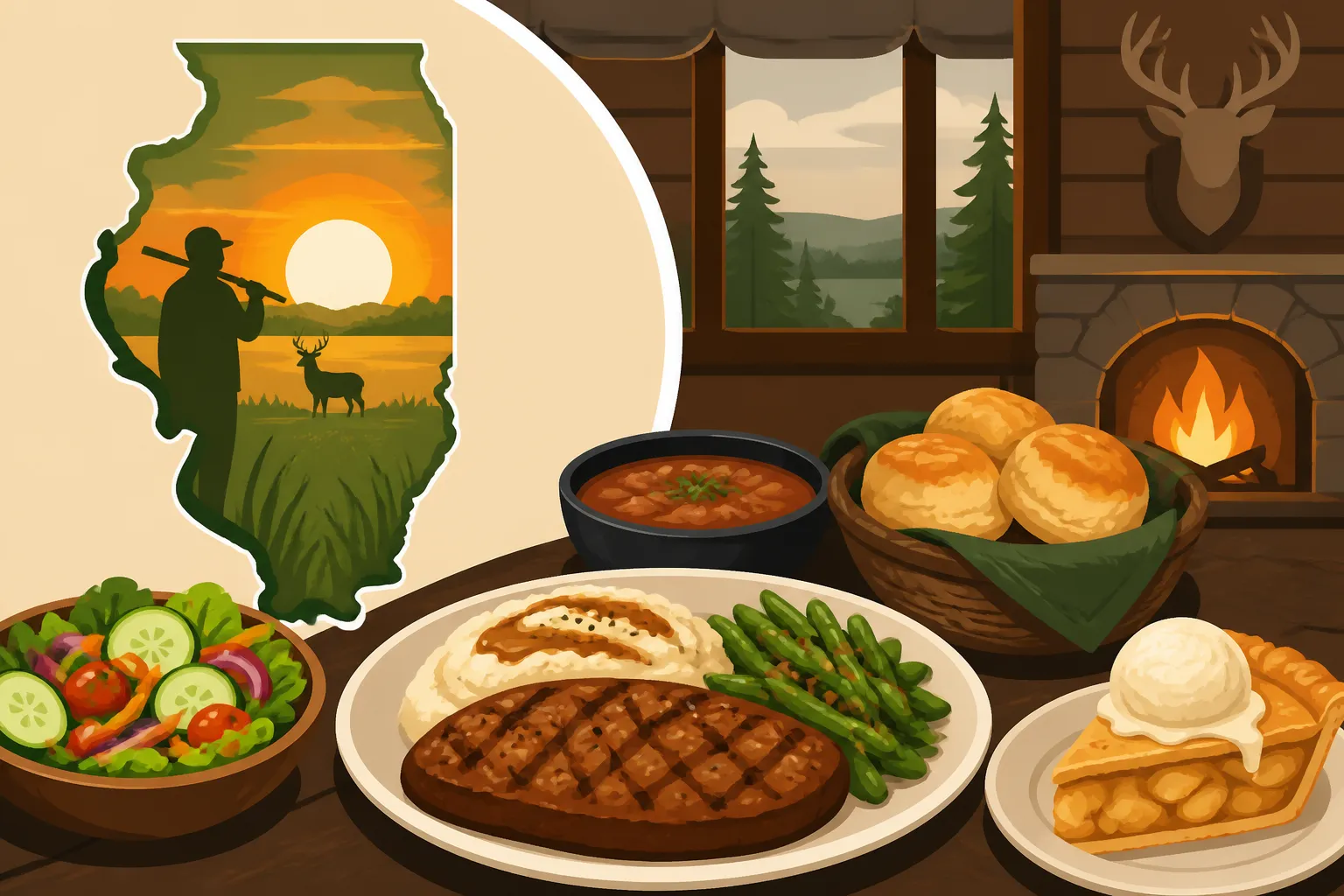
Expect substantial, home-style cooking. Common main dishes include roasted chicken, pork loin, pot roast, steaks, or even wild game if the lodge specializes in it and it's allowed. These are typically accompanied by comforting sides like mashed potatoes, baked potatoes, green beans, corn, salads, and dinner rolls. Pasta dishes, stews, or hearty casseroles are also popular choices. Many lodges will also offer a simple dessert, like pie, cake, or cookies, to round out the meal.
It's during dinner that the true sense of Illinois Deer Camp Traditions comes alive. The laughter, the tales of near misses and trophy bucks, the shared advice – it's all part of the invaluable experience that makes a guided hunt so memorable.
Beverages and Snacks: Beyond the Main Course
While the main meals are certainly the focus, a good hunting lodge understands that hunters have needs throughout the day.
Staying Hydrated and Caffeinated
Access to basic beverages is usually a given. You can almost always count on a steady supply of coffee to jumpstart those early mornings and keep you warm during chilly waits. Tea, both hot and iced, is also common. Water, bottled or from a dispenser, is generally available for hydration throughout the day. Many lodges will also provide a selection of sodas or juice boxes, especially during meals.
However, it's important to note a common distinction: alcoholic beverages. While some high-end Illinois Lodge and Package Hunts might include a limited selection of beer or wine with dinner, it's far more typical for alcohol to be either an extra charge or a BYOB (bring your own bottle/beer) situation. Always clarify this with the outfitter beforehand. No one wants an unexpected bill or to find themselves without a celebratory beverage after tagging a good buck.
The Midnight Snack and Afternoon Pick-Me-Up
Beyond the structured meals, some lodges will have communal areas where snacks are available for guests to grab as needed. This could be a cookie jar, a fruit bowl, or a basket with granola bars. It’s a thoughtful touch for those moments when you need a little something between meals or after a long day before dinner is ready.
If you have specific preferences or tend to get hungry often, it's always a good idea to pack some of your favorite snacks. While lodges provide meals, a personal stash of energy bars, jerky, or candy can be a real lifesaver when you're spending hours in a cold stand. You can use resources like GoHunt to research potential lodge amenities and see if they mention an open snack bar or similar.
Special Dietary Needs and Requests
This is a really important area for discussion, as dietary needs can significantly impact your comfort and enjoyment on a hunt.
Communicating Your Needs in Advance
If you have any food allergies (gluten, dairy, nuts), dietary restrictions (vegetarian, vegan, kosher), or health-related dietary requirements (diabetic, low-sodium), it is absolutely, 100% crucial to communicate these well in advance of your trip. Do not wait until you arrive at the lodge.
When you're booking your hunt, this should be one of your key questions, along with inquiries about What an Illinois Deer Hunt Package Includes. Most reputable lodges and outfitters are more than willing to accommodate reasonable requests, but they need time to plan, shop for special ingredients, and adjust their menu. A quick phone call or email detailing your needs can prevent a lot of stress and ensure you're fed safely and comfortably.
Expectations vs. Reality for Special Diets
While most lodges are accommodating, it's also important to set realistic expectations. If you're going to a rustic, remote lodge, don't expect a gourmet five-course meal tailored to a highly specific, niche diet. They'll do their best to provide safe and satisfying alternatives, but it might be simpler than what other guests are eating. For example, a vegetarian might get extra vegetable sides and a larger salad, or a simple pasta dish, rather than an elaborate meat substitute.
Be clear, be polite, and be prepared to be flexible. If your dietary needs are extremely complex, you might even consider bringing some of your own supplemental snacks or meal components that are easy to prepare.
Common Lodge Meal Components
To give you a clearer picture, here’s a quick overview of what you might typically find on the menu:
| Meal Course | Typical Items | Common Variations | Notes for Hunters |
|---|---|---|---|
| Breakfast | Coffee, Juice, Eggs, Bacon, Sausage, Hash Browns, Toast, Biscuits & Gravy | Pancakes, Waffles, Oatmeal, Fruit, Pastries, Cereal | Early pre-hunt snacks usually lighter. |
| Lunch | Packed Sandwiches, Chips, Fruit, Cookies, Granola Bars, Water/Soda | Hot Soup, Chili, Burgers, Deli Trays (if returning to lodge) | Often eaten in the field; bring extra snacks if desired. |
| Dinner | Roasted Meats (Chicken, Pork), Steaks, Pot Roast, Mashed Potatoes, Green Beans, Corn, Salad, Dinner Rolls, Dessert | Pasta Dishes, Hearty Casseroles, Fish, Baked Potatoes | Usually the largest, most social meal of the day. |
| Beverages | Coffee, Tea, Water, Soda | Juices, Milk | Alcoholic beverages often extra or BYOB. |
| Snacks | Fruit, Cookies, Granola Bars, Trail Mix, Jerky | Often self-serve in communal areas. | Consider bringing personal favorites for field use. |
What's Not Typically Included (or Varies Widely)
Understanding what's usually included is one thing, but knowing what often isn't can prevent unwelcome surprises.
Alcohol and Specialty Beverages
As mentioned, alcohol is rarely included in the base price of an Illinois hunting lodge stay. If you want beer, wine, or liquor, plan to either purchase it from the lodge (if they offer it and are licensed to do so) or bring your own. Many hunters choose to bring a cooler with their preferred adult beverages to enjoy responsibly after the day's hunt is done. This also applies to premium sodas, energy drinks, or other specialty beverages that aren't standard offerings. If it's not basic coffee, tea, water, or generic soda, assume it might cost extra or need to be supplied by you. This is a good item to confirm when you are asking Questions to Ask Before Booking an Illinois Hunt.
Processed Game Meat
This is a common point of confusion for first-time hunters. While the lodge provides your meals, they generally do not typically process or cook your harvested game meat for you as part of the standard meal plan. If you're lucky enough to harvest a deer or a turkey, the focus will be on properly field dressing, transporting, and often quartering your animal for transport to a processor or for your journey home. Some lodges might have facilities for basic field dressing, but very few will cook your personal harvest into dinner that night unless it's a special, pre-arranged request, and even then, it's likely an additional charge. Don't expect to have your fresh venison steaks served up for dinner automatically. You'll need to make arrangements for Field Dressing a Deer in Cold Weather or preparing your bird yourself.
In short, while you’ll be well-fed, remember that the lodge's priority is getting your game properly handled for transport and ensuring you understand Illinois Deer Reporting Requirements once it's tagged. You'll need to figure out your own game processing and cooking once you're home.
Booking a hunting trip, whether it’s for Illinois’s Two Firearm Deer Seasons or chasing gobblers in Spring Turkey Hunting in Illinois, involves a lot of planning, and understanding the meal situation is a big piece of that puzzle. A comfortable, well-fed hunter is usually a happy and successful hunter. Don't hesitate to reach out to outfitters directly or consult online resources if you have specific questions about their meal plans. It’s always better to know before you go!
Disclaimer
This article is for general informational purposes only and does not constitute professional advice. Laws, prices and regulations vary by location and change over time. Consult a qualified professional for guidance on your specific situation.