Field Versus River Duck Guide Comparisons
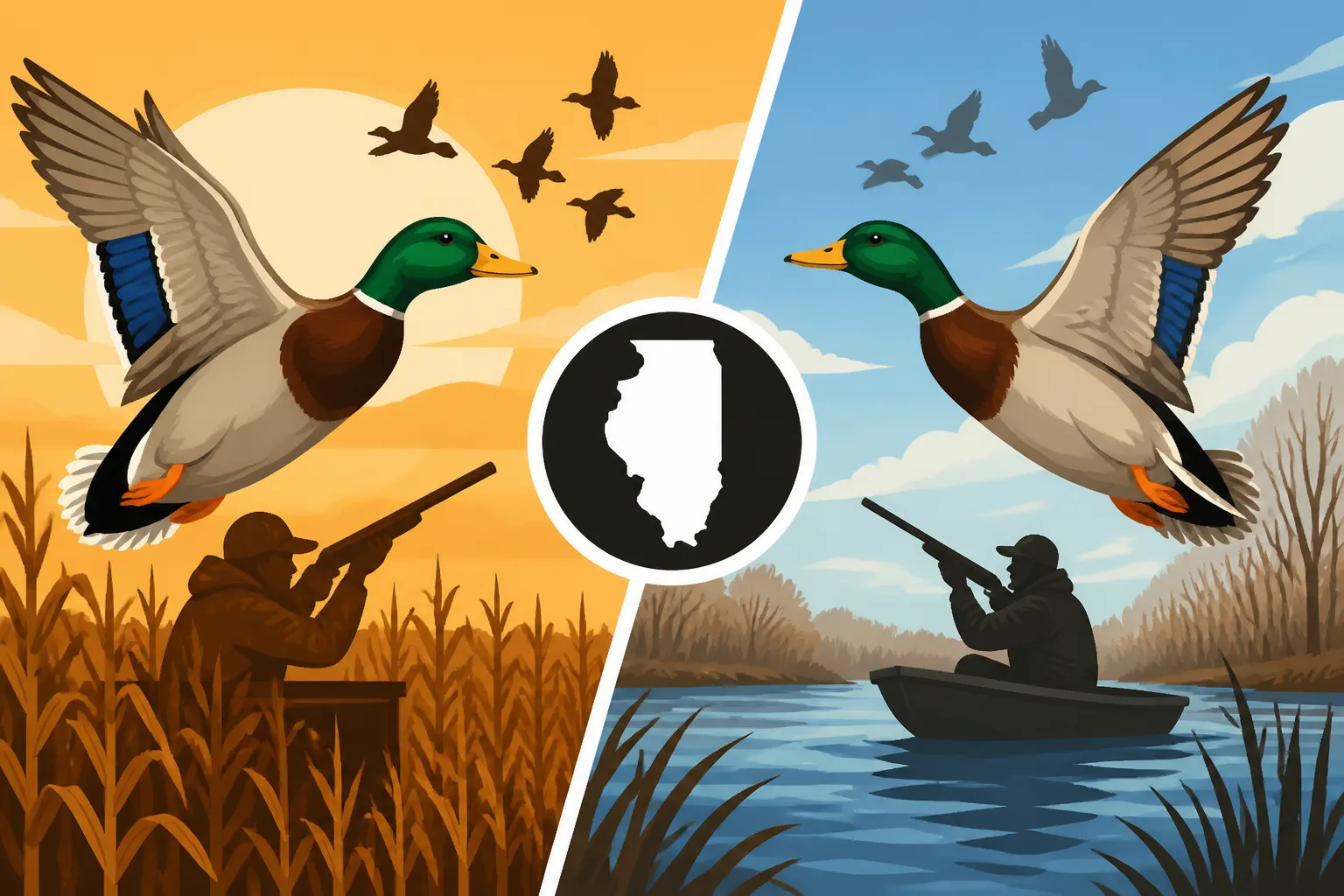
Deciding where to cast your lot for an Illinois duck hunt can feel like choosing between two delicious, but very different, meals. On one hand, you have the historical allure and raw, untamed nature of the river; on the other, the strategic, often high-volume action of a field spread. Many hunters grapple with this choice, wondering if they should chase mallards and divers on a legendary waterway or stake out a cut cornfield for passing flocks. This guide will walk you through the distinct characteristics of guided river hunts versus guided field hunts in Illinois, helping you understand the unique appeal and practical differences of each experience so you can make an informed decision for your next waterfowl adventure.
The Classic Illinois River Bottom Experience
There’s something truly iconic about hunting ducks on the mighty Illinois River, or its larger cousin, the Mississippi. For generations, waterfowlers have flocked to these storied waters, drawn by the incredible numbers of migratory birds that funnel through the Mississippi Flyway. A guided river hunt taps into this rich heritage, offering an experience deeply rooted in tradition and the ebb and flow of natural waterways.
Waterfowl Species and Habitat
When you book a river guide in Illinois, you're often targeting a wider variety of duck species, depending on the specific stretch of water and time of year. Early season might see more wood ducks and teal, while the heart of the season brings in mallards, gadwalls, wigeon, and an exciting mix of diving ducks like canvasbacks, bluebills, and redheads. The habitat on a river hunt is naturally diverse, ranging from open water expanses to flooded timber, backwater sloughs, and marshy islands. Your guide will have prime spots scouted, often with a deep understanding of how local conditions, such as water levels and cold fronts, influence bird movement. You might find yourself tucked into a permanent blind built into the bank, or perhaps a floating blind that can be moved to where the birds are currently concentrating. Understanding Diver Hunting on the Illinois River can give you a better idea of the unique challenges and rewards of this particular type of waterfowling.
The thrill of a river hunt isn't just about the numbers, but the sheer spectacle of ducks and geese working over water. The decoys often consist of a large, diverse spread, mimicking a bustling feeding or resting area. Guides usually employ a combination of puddle duck and diver decoys, sometimes adding goose floaters if the situation warrants it. The calling can be intense, a symphony of hails, feeds, and comeback calls designed to pull birds out of the sky and commit to your spread. This type of hunting relies heavily on reading the birds, understanding their flight paths along the river, and adjusting strategies on the fly as conditions change.
Blind Types and Setup Logistics
River hunting setups can vary significantly. Many established guide services operate out of permanent, heated blinds strategically placed in key locations like river bends, pinch points, or near historical feeding areas. These blinds often offer a level of comfort that's hard to beat, especially on brutal late-season days. Imagine having coffee and a warm lunch in a blind that feels more like a small cabin, all while ducks are buzzing overhead. Other guides might utilize more mobile floating blinds or boat blinds, which offer the flexibility to chase the birds as they shift their patterns or as water levels fluctuate. This adaptability is crucial when dealing with a dynamic environment like a major river system.
The sheer effort involved in maintaining these river setups is often underestimated. Guides spend countless hours before the season scouting, brushing blinds, setting out hundreds of decoys, and ensuring everything is in perfect working order. They know the river's personality, its currents, its depths, and where the birds prefer to loaf and feed. This intimate knowledge is what you're truly paying for—access to prime locations and a guide who can navigate the complexities of a riverine environment. For those who love the traditional feel of duck hunting and the unpredictable excitement of wild birds on open water, a guided river hunt offers an unforgettable experience. It's a chance to truly immerse yourself in the natural grandeur of Illinois's waterways.
The Modern Illinois Field Hunt Approach
Shift your focus from the winding rivers and flooded timber, and you’ll find another incredibly effective, and increasingly popular, way to hunt ducks in Illinois: the guided field hunt. This strategy leverages Illinois's agricultural dominance, focusing on the vast fields of corn and soybeans that provide crucial food sources for migrating waterfowl.
Targeting Ducks in Agricultural Settings
Field hunting for ducks primarily targets mallards and other puddle ducks that readily feed in agricultural fields, especially after harvest. While geese are often a primary target in these settings, many guides will focus on ducks when conditions are right. Imagine a huge flock of mallards, wings cupped, setting down into a spread of a thousand decoys in a cut cornfield – that's the dream of an Illinois field hunter. The success of these hunts hinges on careful scouting to find fields where ducks are actively feeding. Guides spend hours, often days, driving back roads, watching flights, and using optics to pinpoint exactly where the birds want to be. This meticulous scouting is what separates a good field hunt from a great one.
The habitat here is, of course, very different from a river bottom. You're looking at vast expanses of agriculture, with perhaps a timber edge or a water source nearby. The birds are drawn to waste grain left behind after harvest, which provides a high-energy food source vital for their long migrations. A good guide knows how to read the landscape, predict flight patterns into and out of fields, and exploit factors like wind direction and sun position to their advantage. For insights into effective field hunting, consider reading up on Layout Blind Hunting Illinois Farm Fields or Hunting a Standing Soybean Field to understand the nuances of these setups.
Layout Blinds and Massive Decoy Spreads
The hallmark of a guided field hunt is often the use of layout blinds. These low-profile blinds allow hunters to conceal themselves completely in the stubble of a harvested field, becoming virtually invisible to overhead birds. This is a far cry from the stationary, elevated blinds found on many river hunts. The comfort might be less, as you're lying down in a field, but the concealment is unparalleled. Guides will meticulously brush in these blinds, often adding local vegetation to break up their outline even further.
Beyond the blinds, the decoy spread is often monumental. It’s not uncommon for guides to deploy hundreds, sometimes thousands, of full-body goose and duck decoys, creating an irresistible visual for passing flocks. Imagine an entire section of a field transformed into a feeding frenzy. Motion decoys, flags, and skilled calling are all integral to bringing birds within range. The guide's ability to "work" the birds, adjusting calls and flagging as they approach, is critical to success. This style of hunting requires patience, trust in your guide's scouting, and a willingness to be part of a dynamic, often fast-paced, shooting scenario. Whether you're chasing Mallards and Geese on the Illinois River in nearby fields or working ducks over dry ground, the sheer volume of birds attracted to agricultural areas can be staggering.
Key Differences and Considerations for Your Hunt
When you're trying to decide between a river and a field duck hunt in Illinois, it's not just about the type of blind. It's about the entire experience, from the species you're likely to encounter to the physical demands and even the overall atmosphere. Each offers a distinct adventure.
Species Diversity Versus Target Focus
One of the biggest distinctions lies in the diversity of birds you'll encounter. A river hunt, especially on the main stem or larger backwaters, often presents opportunities for a broader spectrum of waterfowl. You might see diving ducks like canvasbacks and redheads working the open water, alongside puddle ducks like mallards, wigeon, and gadwall in shallower sloughs. It's a buffet of the flyway, and guides who specialize in river hunts are experts at identifying and calling in various species.
| Feature | River Duck Hunt | Field Duck Hunt |
|---|---|---|
| Primary Target | Mixed Puddle Ducks (Mallards) & Diving Ducks | Puddle Ducks (Mallards), often with Geese |
| Blind Type | Permanent, Heated, Floating, Boat Blinds | Layout Blinds, A-Frames |
| Decoy Spread | Diverse, often 100-300+ decoys, water-based | Massive, 500-1000+ full-body decoys, ground-based |
| Habitat | Rivers, Backwaters, Flooded Timber, Marshes | Cut Crop Fields (Corn, Soybeans), Pastures |
| Weather Impact | Water levels, ice, wind affects flight patterns | Wind, fog, snow can concentrate birds |
| Physical Demand | Moderate (boat travel, blind access) | High (lying in layouts, potential long walks to blinds) |
| Calling Style | Versatile (puddle & diver calls) | Aggressive (mallard & goose calls) |
| Atmosphere | Traditional, natural landscape, serene yet intense | High energy, often fast-paced shooting |
Field hunts, while they can certainly pull in a mix of puddle ducks, often have a more concentrated focus, particularly on mallards. Geese are frequently part of the equation, as their feeding habits in agricultural fields align closely with those of ducks. If your primary goal is to shoot a limit of greenheads over a massive spread, a field hunt might be your preferred choice. Guides often have years of experience reading these patterns, knowing precisely when and where the birds will commit. Understanding Illinois Duck and Goose Bag Limits will be important for either scenario, as different species have different regulations.
Comfort Levels and Physical Demands
Let's be realistic: duck hunting isn't always glamorous, but the comfort level can certainly vary. River blinds, especially permanent ones, often boast amenities like heaters, benches, and ample space for gear. You might be sitting up, enjoying a warm meal, and staying relatively dry, even on the nastiest days. The physical demand might involve navigating a boat to the blind, but once there, it's usually a more relaxed sit. This can be a huge draw for hunters who want to extend their season into colder months or simply prefer a less strenuous experience.
Field hunting, on the other hand, typically involves layout blinds. While modern layouts are designed for comfort and concealment, you'll still be lying prone or semi-reclined in a field, exposed to the elements. Getting in and out of the blind, especially if you're layering up for cold weather, can be a bit more of a workout. You might also have a walk from the vehicle to the blinds, sometimes across muddy or uneven terrain. If you have mobility issues or simply prefer to be more comfortable, this is a significant factor. However, for those who relish the challenge and the intense, eye-level interaction with incoming birds, the layout blind experience is unmatched.
Weather Sensitivity and Seasonality
Weather plays a huge role in both types of hunts, but in different ways. River hunts are heavily influenced by water levels and ice. A sudden freeze can lock up productive areas, pushing birds to open water or south. High water can flood out key feeding areas or make boat navigation difficult. Good guides stay on top of these conditions, and you might discuss What Happens If Water Levels Drop Mid-Season with them.
Field hunts also rely on weather, but often in terms of wind, fog, and snow. Strong winds can make birds fly lower and commit harder to large spreads. Fog can hold birds in an area, delaying their movement but making them more predictable once it lifts. Snow can create a natural contrast for decoys, making them stand out beautifully. Both types of hunts thrive on cold fronts, as these migratory pushes bring in fresh birds and invigorate existing populations. The best guides, whether on the river or in the field, are master meteorologists, constantly adapting their strategy to what Mother Nature throws at them. The timing of Illinois Waterfowl Migration Timing will also affect both types of hunts equally.
Choosing the Right Guide and Experience for You
Ultimately, the best choice for your Illinois duck hunt comes down to your personal preferences, what you hope to experience, and the kind of hunting memories you want to make. Both river and field guides offer incredible opportunities, but they cater to different styles and expectations.
Researching and Vetting Guide Services
Regardless of whether you lean towards a river or field hunt, thorough research is paramount. Start by looking for guides who specialize in the type of hunt you're interested in. Many will clearly state their focus on their websites or social media. Platforms like BookYourHunt can be a great starting point for finding reputable outfitters, as they often include reviews and detailed descriptions of packages. You'll want to check out testimonials, look at photos from past hunts (do they show consistent success? happy hunters?), and understand what their packages typically include. Don't be shy about calling them and asking pointed questions about their specific areas, their success rates, and what a typical day looks like.
Consider what matters most to you. Is it the volume of birds, the comfort of a heated blind, the challenge of working divers, or the thrill of mallards dropping into a massive field spread? A good guide should be transparent about what they offer and what you can realistically expect. Websites like GoHunt might also provide resources or listings that can aid in your search for the perfect guide. Look for guides who emphasize safety, ethical hunting practices, and a genuine passion for sharing the outdoors. Asking about their experience with Booking an Illinois Opening Weekend versus a late-season hunt can also reveal their expertise across different parts of the season.
Aligning Expectations with Reality
It’s crucial to have realistic expectations. No guide can guarantee limits every single day, and anyone who does should raise a red flag. Waterfowl hunting is inherently unpredictable, influenced by weather, migration patterns, and bird behavior. A great guide provides the best possible opportunity by putting you in the right place at the right time, with excellent calling and concealment, but the birds still have to cooperate. Discuss what a "successful" hunt looks like to you with your guide beforehand. Is it a mixed bag, a specific species, or simply a great day in the blind with friends?
Also, understand the commitment. Guided hunts can represent a significant investment, so be clear on what's included and what's not (licenses, ammunition, bird processing, tips for the guide, etc.). Ask about their cancellation policies, especially concerning severe weather. A reputable guide will have clear policies in place to protect both parties. Whether you choose the historical charm of the Illinois River or the dynamic action of a field hunt, the goal is always a memorable experience, good company, and perhaps a few birds for the table. By doing your homework and choosing a guide that aligns with your vision, you're setting yourself up for an incredible Illinois waterfowl adventure.
Disclaimer
This article is for general informational purposes only and does not constitute professional advice. Laws, prices and regulations vary by location and change over time. Consult a qualified professional for guidance on your specific situation.