Pheasant Preserve Guide Packages
For many hunters, the pursuit of wild pheasants across Illinois's shrinking grasslands has become an increasingly challenging endeavor, often leading to frustration and fewer birds in the bag. If you've found yourself yearning for a more consistent and accessible pheasant hunting experience, but still crave that classic upland bird thrill, then exploring pheasant preserve guide packages is an avenue worth considering. This guide will walk you through everything you need to know about these tailored hunting opportunities, helping you understand what they offer and how to choose the right one for your next adventure.
What Exactly Is a Pheasant Preserve Guide Package?
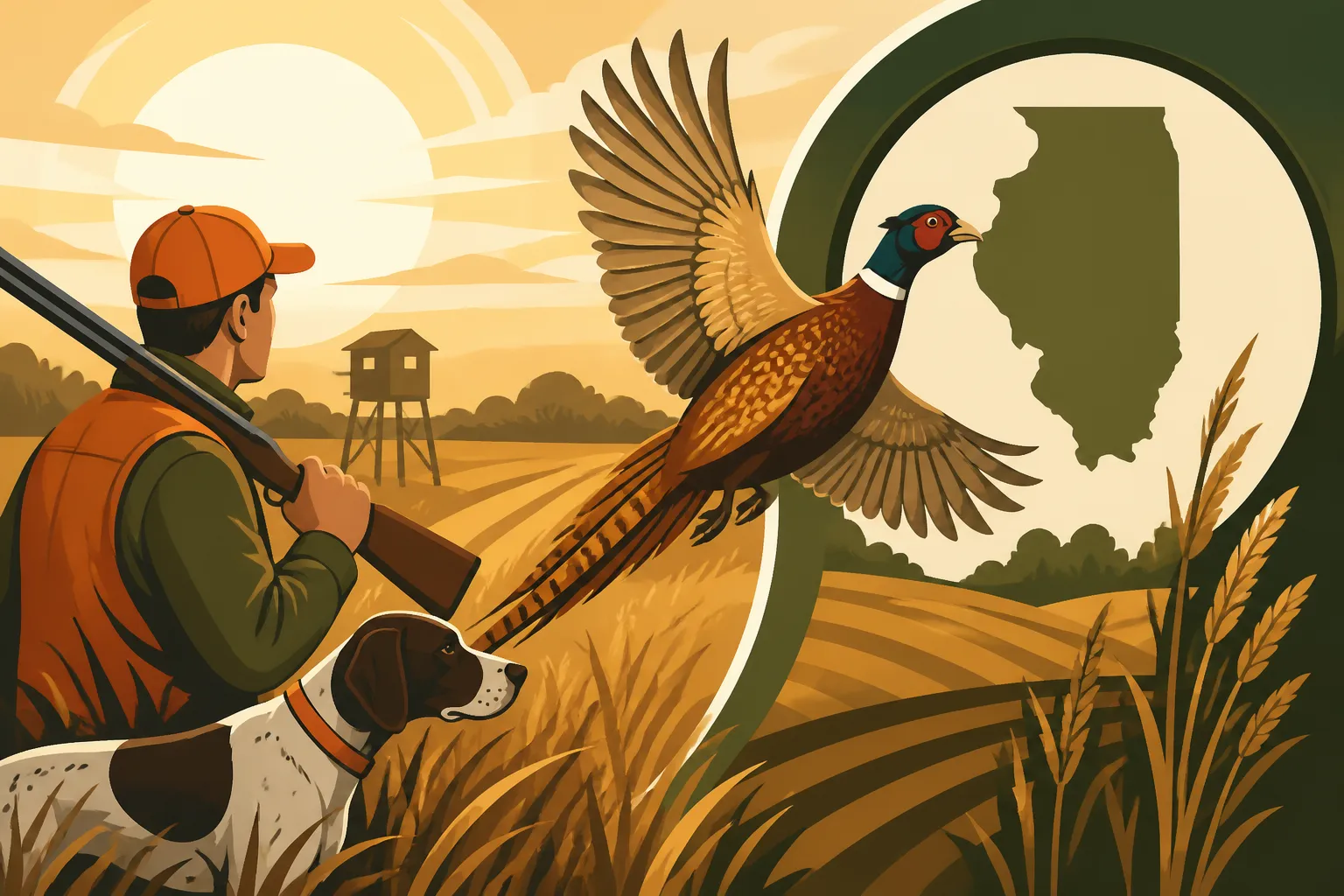
When we talk about a pheasant preserve guide package in Illinois, we're discussing a structured hunting experience offered on private lands specifically managed for upland game birds. Unlike the often unpredictable world of chasing wild pheasants on public ground, preserves offer a much more controlled environment where birds are released, ensuring a higher likelihood of success. A guide package takes this a step further, providing not just the birds and the land, but also the expertise of a professional guide and, often, well-trained pointing or flushing dogs to enhance your hunt. It's designed to remove much of the guesswork and labor, letting you focus purely on the thrill of the hunt.
The Core Components of a Preserve Hunt
At its heart, a preserve hunt is about accessibility and a quality experience. You're typically paying for a set number of birds, usually pheasants, to be released for your group. This means you won't be scouting for days on end, wondering if there are even birds in the area. The preserve has done that work for you, ensuring a consistent population. The "package" aspect bundles essential services, making it a nearly all-inclusive day in the field.
Think of it as a meticulously planned day designed to maximize your bird encounters. You arrive, get briefed, and then head out with your guide and their dogs. The guide's job is to put you on birds, manage the dogs, and ensure a safe, productive hunt. It’s a stark contrast to walking miles of Pheasant Hunting Illinois Grassland on your own, hoping to jump a bird. This structured approach makes it appealing for those with limited time, those new to upland hunting, or those simply wanting to enjoy a high-volume bird shoot.
Differentiating from Wild Pheasant Hunting
It’s crucial to understand that hunting pheasants on a preserve is a fundamentally different experience than pursuing wild birds. Wild pheasants, the kind you might find persisting in certain areas of rural Illinois, are birds that have hatched and grown in natural cover, facing natural predators and food sources. They are often much warier, more unpredictable, and require extensive scouting, specialized habitat knowledge, and a lot of walking. Success rates for wild birds can be quite low, especially without prime habitat.
Preserve birds, while they are still ringnecks, are typically raised in captivity and released shortly before or during the hunt. This means they might not be as "wild" or flighty as their natural counterparts. However, many preserves work hard to provide challenging cover and give the birds enough time to acclimate, so they still provide an exciting hunt. The primary benefit is the guarantee of bird encounters, rather than the true wilderness challenge. It fills a niche for hunters who love the tradition and action of upland hunting but might not have the time, physical ability, or access to consistently pursue truly wild populations.
Why Consider a Guided Preserve Hunt in Illinois?
Illinois might be known for its White-Tailed Deer Across Illinois and fantastic waterfowl opportunities, but its pheasant hunting scene, while present, can be a tough nut to crack for the do-it-yourself hunter seeking wild birds. This is where pheasant preserves step in, offering a reliable and often thrilling alternative. There are several compelling reasons why hunters, from seasoned veterans to newcomers, turn to guided preserve hunts within the state.
The Allure of Guaranteed Opportunity
Let's be honest, few things are as disheartening as spending hours, or even days, scouting and hunting only to come up empty-handed. Wild pheasant populations in Illinois, while recovering in some pockets, are not what they once were across much of the state. Habitat loss and changes in agricultural practices have made finding robust numbers of wild birds a significant challenge. For hunters who travel a distance or only have a limited amount of time to get afield, the gamble on wild birds can feel too risky.
Preserve guide packages mitigate this risk entirely. When you book a package, you're guaranteed birds. The preserve's business model relies on providing a quality experience with a high likelihood of flushing birds, ensuring you and your hunting party will have plenty of shooting opportunities. This immediate gratification is a huge draw, especially for newer hunters who are still building confidence or for groups looking to enjoy a social hunt without the pressure of finding game.
Learning from Experienced Guides and Dogs
One of the most valuable aspects of a guided preserve hunt, particularly for those new to upland bird hunting or even seasoned hunters looking to sharpen their skills, is the opportunity to learn. A good guide isn't just there to point you in the right direction; they are a wealth of knowledge about bird behavior, effective hunting strategies, shotgunning tips, and dog handling. You get to observe firsthand how a professional handles a pointing or flushing dog, reads the cover, and positions hunters for optimal shots.
Moreover, the dogs provided are usually highly trained and a joy to watch work. Many hunters dream of having a well-behaved bird dog, but the time, expense, and expertise required to train one are substantial. With a guided package, you get to experience the magic of Running Pointing Dogs on Illinois Pheasants without any of the long-term commitment. It's an incredible learning experience, allowing you to pick up nuances you might never discover on your own. This mentorship aspect makes preserve hunts excellent for youth hunters or those looking to dive deeper into the nuances of upland hunting.
Components of a Typical Illinois Preserve Package
When you look into pheasant preserve guide packages in Illinois, you'll find a range of options, but most will share a few core components that make up the "package" experience. Understanding what's typically included will help you compare different offerings and ensure you're getting the most value for your investment.
Birds and Hunt Duration
The most fundamental part of any pheasant preserve package is the birds themselves. Typically, packages are structured around a specific number of pheasants released per hunter or per group. This might be a set number like 4-6 birds per hunter for a half-day hunt, or a larger quantity for a full-day experience. Some preserves offer an "unlimited" bird option, where you pay a flat fee and keep hunting until you've reached a certain comfort level or your group is done. Always clarify the exact number of birds included and whether that number is per hunter or a total for the group.
The duration of the hunt is also a key component. You'll usually encounter half-day or full-day options. A half-day hunt might be a 3-4 hour morning or afternoon session, while a full-day hunt could encompass 6-8 hours in the field, often with a break for lunch. The choice often depends on your group's stamina, desired shooting volume, and budget. For those new to upland hunting or with younger hunters, a half-day option can be perfect, preventing fatigue and keeping the experience enjoyable.
Professional Guide and Dog Services
This is arguably where the "guided" part of the package truly shines. A professional guide will accompany your group throughout the hunt. Their responsibilities often include:
- Safety Briefing: Ensuring everyone understands gun safety protocols for the preserve.
- Field Management: Leading the group through optimal cover, positioning hunters for safe shots, and managing the pace of the hunt.
- Dog Handling: The guide will typically bring and work their own trained bird dogs, which are essential for finding and flushing pheasants and retrieving downed birds. These dogs are usually the stars of the show, providing thrilling action.
- Bird Cleaning: Many guides or preserves offer bird cleaning services at the end of the day, either included in the package or for an additional fee. This is a huge convenience, especially after a successful hunt.
The quality of the guide and their dogs can significantly impact your experience. Don't hesitate to ask about the guide's experience and what kind of dogs they run. For platforms like GoHunt, while primarily focused on big game, the principles of vetting an outfitter remain the same for preserves—look for experience and good reviews.
Other Inclusions: Meals, Lodging, and Amenities
Beyond the basic hunt, many premium preserve packages offer additional amenities that create a more comprehensive experience.
- Meals: Full-day packages often include lunch, which can range from a simple field lunch to a hearty hot meal back at the lodge. Some preserves also offer breakfast or dinner, especially if you're booking multi-day hunts.
- Lodging: For groups traveling from a distance, or those looking for a true hunting retreat, preserves sometimes offer What's Included in an All-Inclusive Deer Package-style lodging options, from rustic cabins to more luxurious lodges. This transforms the hunt into a true getaway, allowing for camaraderie and relaxation after a day in the field.
- Ammunition & Clay Shooting: Some packages might include a box of shotgun shells or offer clay target warm-up sessions before heading afield. These are nice perks that add to the value.
- Bird Processing: While guides often handle initial field dressing, some preserves offer full bird processing (plucking, packaging) for an additional fee or as part of a premium package.
Not every preserve offers all these amenities, and their inclusion will certainly impact the overall price. It's important to clarify what's explicitly covered in your chosen package to avoid any surprises.
Choosing the Right Preserve and Package for You
With a number of pheasant preserves scattered across Illinois, finding the perfect fit for your hunting goals can feel a bit daunting. It’s not just about the price; it’s about the overall experience, the quality of the service, and how well it aligns with what you and your hunting companions are looking for. Taking the time to ask the right questions and do a little research will pay off immensely.
Key Factors to Consider
Before you even pick up the phone, think about what's most important to your group:
- Location: How far are you willing to drive? Illinois is a big state, and some preserves are quite a trek depending on your starting point. Consider travel time and whether you'd prefer to stay overnight.
- Group Size: Are you hunting solo, with a few friends, or a large corporate group? Preserves often have minimum and maximum group sizes for their packages.
- Experience Level: Are you bringing new hunters, experienced shots, or a mix? Some preserves cater to all levels, while others might offer more challenging terrain for seasoned wingshooters.
- Desired Challenge: While preserves offer guaranteed birds, some create more challenging hunting scenarios with thicker cover or more cunning birds than others. If you want something closer to a wild bird hunt, inquire about their terrain and how long birds are given to acclimate.
- Budget: This is always a factor. Prices can vary significantly based on inclusions, bird numbers, and amenities. Have a realistic budget in mind.
Consider using platforms like BookYourHunt, which can be a valuable resource for comparing different preserve offerings, reading reviews, and understanding what various packages entail across different regions, though always verify specifics directly with the preserve.
Questions to Ask Before Booking
Once you've narrowed down a few preserves that look promising, it's time to get on the phone and ask some direct questions. Don't be shy; a reputable preserve will be happy to answer everything you throw at them.
- What is included in the package price? Be specific: birds (number, species), guide, dogs, lunch, shells, bird cleaning, lodging?
- What are the exact dates and times of the hunt? Confirm start and end times, and any breaks.
- What is the terrain like? Is it open fields, dense brush, timber edges? This impacts the type of shot opportunities and the physical exertion required.
- How are the birds released? Are they released well in advance to "wild up," or right before the hunt? This impacts their flightiness.
- What caliber of dogs and guides do you have? Can you tell me about their experience?
- Are there any additional fees I should be aware of? Think about cleaning, extra birds, shells, gratuities for guides. Transparency here is key.
- What are your cancellation and refund policies? Life happens, so understand their terms.
- What are the specific licensing requirements? You'll definitely need an Illinois Hunting Licenses and What They Cost and likely a Illinois State Habitat Stamp and Illinois Migratory Bird Certification if they include other game. While preserves release birds, standard hunting license requirements usually still apply.
- What safety measures are in place? This is paramount, especially when hunting with a group.
A table can help visualize some key considerations:
| Feature | What to Ask / Consider | Why It Matters |
|---|---|---|
| Bird Quantity | How many birds per hunter/group? Species? | Impacts shooting opportunities and overall value. |
| Hunt Duration | Half-day or full-day? Specific start/end times? | Matches your stamina and time availability. |
| Guide & Dogs | Guide's experience? Type/training of dogs? | Affects the quality of the hunt and learning experience. |
| Terrain | Open fields, dense cover, mixed? | Dictates challenge, physical demands, and shot types. |
| Inclusions | Meals, lodging, shells, cleaning? | Overall value and what you need to bring. |
| Additional Costs | Tips, extra birds, processing, rentals? | Avoids budget surprises. |
| Licensing | Specific license and stamp requirements? | Ensures legal compliance; e.g., Illinois Pheasant Permit Requirement. |
| Cancellation Policy | What if plans change? | Protects your investment. |
By carefully considering these factors and asking thorough questions, you'll be well on your way to booking an Illinois pheasant preserve package that delivers an unforgettable day in the field.
Preparing for Your Illinois Preserve Hunt
Even though a guided preserve hunt removes much of the logistical headache of a wild bird hunt, proper preparation is still crucial for a safe, comfortable, and successful experience. Thinking ahead about your gear, clothing, and physical readiness will ensure you get the most out of your day.
Essential Gear and Clothing
You might not be Scouting Illinois Public Land Before Season, but you still need to be ready for the field. The right clothing is paramount for comfort, especially in Illinois's unpredictable weather.
- Layered Clothing: Dress in layers. Early season hunts might be mild, but late fall or winter days can turn brutally cold. Moisture-wicking base layers, insulating mid-layers, and a windproof, water-resistant outer shell are ideal.
- Upland Brush Pants or Chaps: You will be walking through thorny cover, briars, and thick grass. Heavy-duty brush pants or chaps are non-negotiable to protect your legs. Denim jeans won't cut it.
- Comfortable, Supportive Boots: You'll be walking, potentially for several hours. Waterproof, ankle-supporting boots are essential. Break them in well before your hunt to avoid blisters.
- Blaze Orange: This is a critical safety item. Most preserves will require a blaze orange hat and vest or outer layer. Always check the preserve's specific requirements, as How Much Blaze Orange Illinois Requires for deer hunting might differ slightly from preserve rules for upland birds.
- Gloves and Eye Protection: Gloves protect your hands from briars and cold. Shooting glasses are vital to protect your eyes from debris, twigs, and ejected shells.
- Shotgun and Ammunition: Bring a reliable shotgun, typically a 12 or 20 gauge. For ammunition, standard upland loads (e.g., 6 or 7.5 shot) are usually appropriate for pheasants. Confirm the shot size restrictions with the preserve beforehand.
- Bird Vest or Game Bag: While your guide will likely have a game bag, having your own bird vest with plenty of pockets for shells, water, and maybe a snack is always a good idea.
Double-check your gear the day before. Nothing spoils a hunt faster than realizing you forgot something important or that your boots aren't as waterproof as you thought.
Physical Fitness and Safety Considerations
While preserve hunts generally aren't as physically demanding as chasing wild birds through vast wilderness areas, they still involve a fair amount of walking, sometimes through uneven terrain or dense cover.
- Physical Preparation: Don't underestimate the physical exertion. Even a half-day hunt can be tiring if you're not accustomed to walking for extended periods. A few brisk walks in the weeks leading up to your hunt can make a big difference.
- Hydration and Snacks: Always bring water, even on cool days. A small snack like a granola bar can also be a lifesaver if you start to flag.
- Safety First: Listen intently to your guide's safety briefing. Always be aware of your muzzle direction, know where your hunting partners are at all times, and only shoot when you have a clear view of the bird and a safe background. Preserve hunting often involves multiple shooters, so strict adherence to safety rules is paramount. Remember that Illinois Hunter Education Requirements cover essential safety principles that are just as vital on a preserve as in the wild.
- Communication: Maintain open communication with your guide and fellow hunters. Call out "bird," "dog," "hunter," and "ceasefire" as needed. Clear communication is the backbone of a safe group hunt.
By being well-equipped and mindful of safety, you'll ensure your pheasant preserve experience is not only successful but also thoroughly enjoyable for everyone involved.
Cost Considerations for Guided Pheasant Preserve Hunts
Let's talk about the elephant in the room: cost. Guided pheasant preserve packages in Illinois, like any guided hunt, represent an investment. It's a premium experience designed for convenience and a high likelihood of success. Understanding what influences the price and what might not be included will help you budget effectively and avoid sticker shock.
Factors Influencing Package Pricing
The price of a pheasant preserve package can vary significantly, often ranging from several hundred dollars for a basic half-day hunt to well over a thousand for a premium, all-inclusive multi-day experience. Here are the primary factors that drive these price differences:
- Number of Birds: This is usually the biggest factor. More birds released generally means a higher price. Packages might specify a certain number of birds per hunter, or a minimum for the group.
- Hunt Duration: A full-day hunt with lunch will naturally cost more than a half-day session.
- Inclusions: Basic packages might only cover the birds, guide, and dogs. Premium packages can add meals, lodging, ammunition, bird cleaning, clay shooting, and other amenities, all of which increase the price.
- Quality of Preserve and Guide: Established preserves with excellent reputations, pristine habitat, and highly experienced guides and dogs often command higher prices. You're paying for their expertise and the consistent quality of the experience.
- Time of Year/Demand: While preserves operate throughout their season, peak times (e.g., opening weeks, weekends) might see slightly higher demand or less flexibility in pricing.
- Group Size: Some preserves offer per-person pricing, while others might have a flat rate for a small group, with an additional cost for more hunters.
When researching options, make sure you're comparing apples to apples. A cheaper package might look appealing, but if it doesn't include the guide's services or enough birds for your group, it might not be the best value in the long run.
Typical Exclusions and Hidden Costs
Even in seemingly all-inclusive packages, there are often items that are not covered, and it's essential to factor these into your overall budget.
- Hunting Licenses and Stamps: You are always responsible for purchasing your own Illinois Resident License Options or Illinois Nonresident License Options, as well as the required state habitat stamp and potentially a federal migratory bird stamp if other species like woodcock are present. These are separate costs.
- Ammunition: Unless explicitly stated, assume you'll need to bring or purchase your own shotgun shells.
- Gratuities for Guides: Tipping your guide is standard practice in the hunting industry. It's customary to tip based on the quality of the service, typically a percentage of the hunt cost or a set amount per day. Don't forget to budget for this.
- Bird Processing: While field dressing might be included, full plucking and packaging of your birds often incurs an additional fee. If you don't plan to do it yourself, ask about these costs.
- Travel and Accommodation: Unless lodging is part of a premium package, you'll need to account for fuel, and potentially hotel stays if the preserve is far from home.
- Equipment Rentals: If you need to rent a shotgun or other gear, that will be an extra charge.
A clear understanding of what's included and what isn't will help you budget accurately and ensure there are no unwelcome surprises on the day of your hunt. Always get a detailed quote in writing, if possible, that breaks down all costs before you commit.
Disclaimer
This article is for general informational purposes only and does not constitute professional advice. Laws, prices and regulations vary by location and change over time. Consult a qualified professional for guidance on your specific situation.