Camping Rules on Illinois State Forest Land
The dream of waking up in the Illinois timber, coffee brewing over a small fire as the woods come alive around you, is a powerful one for many hunters. It’s about maximizing your time afield, truly immersing yourself in the experience. But the logistics of camping on Illinois State Forest Land, especially when you're combining it with a hunt, can often feel like navigating a dense thicket of regulations. You just want to know where you can legally pitch a tent or park a small trailer without causing trouble or getting a ticket. This guide will clear up that confusion, giving you a detailed look at the camping rules on Illinois State Forest Land so you can plan your next hunting trip with confidence.
The Unique Nature of Illinois State Forest Lands
When we talk about hunting and camping in Illinois, it's easy to lump all public lands together. But Illinois State Forests have their own distinct flavor and purpose, which directly impacts how you can recreate there, especially when it comes to overnight stays. Understanding this distinction is the first step in planning a successful and compliant hunting camp.
What Sets State Forests Apart?
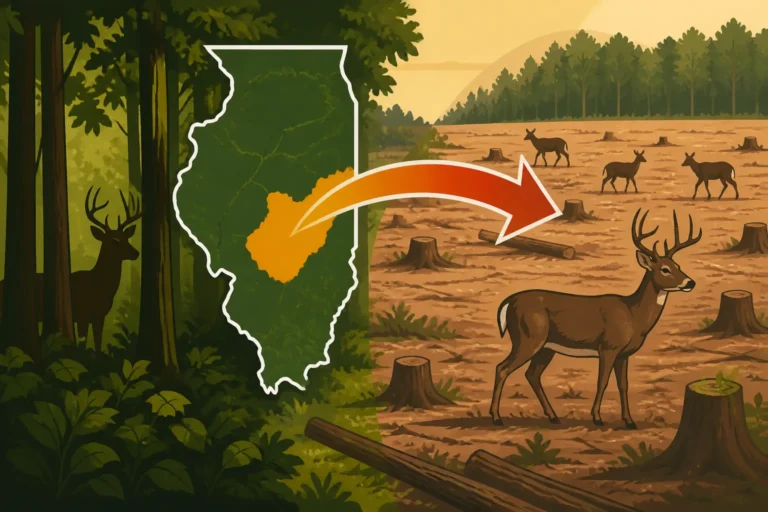
Unlike State Parks, which are often primarily managed for diverse recreational uses and amenities, or State Fish and Wildlife Areas, which are laser-focused on game species habitat and hunting access, Illinois State Forests serve a broader ecological and economic mission. Their primary purposes include timber production, watershed protection, and providing quality wildlife habitat, alongside offering various forms of public recreation. This multi-faceted approach means that while hunting and camping are absolutely permitted and encouraged, they exist within a framework that also prioritizes forest health and sustainable resource management.
Think of places like Trail of Tears State Forest in southern Illinois, or Sand Ridge State Forest in the central part of the state. These aren't just big blocks of woods; they are actively managed ecosystems where timber harvesting, prescribed burns, and wildlife surveys are common. This active management means that rules are in place to ensure both public safety and the long-term health of the forest. You might find areas temporarily closed for logging, or certain zones restricted for sensitive wildlife. These aren't arbitrary rules; they're designed to maintain the integrity of these vital state resources. So, while you're enjoying your hunting camp, remember you're part of a much larger conservation effort.
General Expectations for Forest Users
No matter where you choose to camp on Illinois State Forest Land, a fundamental principle should guide your actions: "Leave No Trace." This isn't just a suggestion; it's a philosophy that ensures these precious resources remain pristine for future generations of hunters and outdoor enthusiasts. It means packing out everything you pack in, including all your trash, food scraps, and even spent shell casings. If you can haul it in, you can haul it out.
Beyond trash, "Leave No Trace" extends to minimizing your impact on the land itself. This means staying on designated trails where they exist, avoiding unnecessary damage to vegetation, and being mindful of noise levels. It’s about respecting the natural environment and acknowledging that many different users share these spaces. Other hunters, hikers, birdwatchers, and even equestrian riders might be enjoying the same forest at the same time. A considerate camper makes the experience better for everyone. By adopting these core principles, you not only protect the forest but also uphold the reputation of responsible hunters and campers.
Decoding Camping Regulations on Illinois State Forest Land
Understanding the nuances of camping on Illinois State Forest Land can feel a bit like deciphering an old trail map in the dark. There's a lot of ground to cover, and it's easy to get turned around. The key distinction often lies between designated campgrounds, which come with amenities, and the more rugged, dispersed camping options that hunters often seek out.
Designated Campgrounds Versus Dispersed Camping Opportunities
Many of Illinois's State Forests offer designated campgrounds. These are typically areas with marked sites, often equipped with fire rings, picnic tables, and access to vault toilets or even flush restrooms and potable water. Some might even offer electrical hookups, though this is less common in the more rustic state forest settings compared to state parks. These campgrounds often operate on a first-come, first-served basis, but some might accept reservations, especially during peak seasons. The convenience here is obvious: a relatively clear space to set up, usually a bit more security, and basic comforts. The downside for hunters? They can sometimes be crowded, and you might not be as close to your prime hunting spot as you'd like. Fees are typically associated with staying in designated campgrounds.
Now, for those looking to truly get away from it all and be closer to their hunting grounds, the question of primitive or dispersed camping usually arises. This is where the rules can vary slightly by specific state forest. Generally, primitive camping, where you set up camp away from developed facilities, is often allowed in Illinois State Forests, but with important caveats. You'll typically be required to camp a certain distance from roads, trails, water bodies, and any developed areas. This distance ensures minimal impact and allows for true solitude. For example, some forests might mandate you be at least 100 or 200 feet from a road or stream. Always check the specific rules for the state forest you plan to visit, as they are not always uniform across the board. You can often find this information on the Illinois Department of Natural Resources (IDNR) website or by calling the site office directly. This kind of detailed scouting, even for camping, is something you can prepare for by reviewing resources like Scouting Illinois Public Land Before Season.
Regarding permits, while designated campgrounds almost always require some form of registration and a fee, primitive camping in state forests generally does not require a separate permit beyond your standard hunting license if you are primarily there for hunting. However, it's always wise to check with the specific site office. Think of it this way: if you're pulling into a spot with a host and numbered campsites, expect to pay and register. If you're hiking into a secluded spot with just a tent, you're usually good to go as long as you adhere to the distance rules and Leave No Trace principles.
Rules for Stays, Fires, and Waste Management
Once you've found your spot, knowing the rules around your actual stay is paramount. Nobody wants to get rousted from their tent in the middle of the night by a conservation police officer because they overstayed their welcome or had an illegal fire.
- Length of Stay: Most Illinois public lands, including State Forests, have limits on how long you can continuously occupy a campsite. This is typically around 14 days within a 30-day period. This rule prevents individuals from essentially setting up permanent residences and ensures fair access for all users. If your hunting trip is a week-long endeavor, you're usually well within these limits.
- Firewood and Fires: Ah, the campfire – the heart of any good hunting camp. Fires are generally allowed in designated fire rings in developed campgrounds. For primitive camping, fires are often permitted but must be contained and thoroughly extinguished. Crucially, never cut down live trees for firewood. Stick to gathering dead and downed timber, and only what you'll use. Transporting firewood across long distances is often restricted due to the threat of invasive species like the Emerald Ash Borer, so plan on sourcing local firewood or gathering deadfall on-site. Always have water or a shovel handy to ensure your fire is completely out before you leave it unattended, even for a few minutes.
- Waste Management: This goes hand-in-hand with Leave No Trace. "Pack it in, pack it out" applies to all garbage. This means every wrapper, every can, every plastic bottle. Don't burn trash in your campfire, as it often doesn't burn completely and leaves unsightly debris. For human waste in primitive settings, the general rule is to dig a cathole at least 6-8 inches deep and at least 200 feet (about 70 paces) from water, trails, and campsites. Bury the waste and cover the hole completely. Toilet paper should either be packed out or buried very deeply, as it breaks down slowly. Food scraps, while organic, should also be packed out or properly disposed of in designated trash receptacles to avoid attracting unwanted wildlife to your camp.
Following these guidelines isn't just about avoiding a citation; it's about being a responsible land user and ensuring that the wild places we cherish remain wild.
Practical Camping Considerations for the Illinois Hunter
Camping during hunting season brings its own set of unique needs and considerations. You’re not just there for a leisurely weekend; you’re there with a purpose, and your camp needs to support that. From where you set up your shelter to how you manage your gear, every detail can impact your hunting success and overall experience.
Specifics for Hunting Camp Setups
When planning your hunting camp, flexibility is often your best friend. In Illinois State Forests, you’ll generally be restricted to temporary shelters like tents, pop-up campers, or small travel trailers. Permanent structures, even semi-permanent ones, are strictly forbidden. The idea is to keep the footprint light and temporary. This means no digging foundations, building permanent fire pits with rocks if a designated one isn't there, or cutting significant vegetation to clear a space. The goal is to set up, operate, and then remove your camp with minimal evidence you were ever there.
For deer hunters, in particular, the location of your camp can be critical for scent control. Setting up downwind of your primary hunting areas, or in a location where prevailing winds carry your scent away from where deer are likely to travel, is a smart strategy. Consider your entry and exit routes from camp to your stand or still-hunting path, ensuring you're not blowing your scent into the woods before the hunt even begins. While Illinois doesn't have large predators like bears that necessitate specialized food storage (like bear canisters), raccoons, opossums, and other critters are certainly present and will investigate any accessible food. Secure all food and scented items in sealed containers or coolers, preferably locked in your vehicle, to avoid unwanted nocturnal visitors tearing through your camp. For more on setting up for deer, you might find valuable insights in Treestand Setups in Shawnee National Forest or even general tactics like Hunting a Funnel Between Two Woodlots.
Vehicle Access, Parking, and Camp Security
Access to your chosen camping spot within an Illinois State Forest is a crucial logistical point. Many designated campgrounds will have clear parking at each site. For primitive camping, however, you need to pay close attention to where you can legally park your vehicle. Generally, you must park in designated parking areas or along approved forest roads, ensuring you don't block traffic or damage vegetation. Driving off-road to reach a primitive campsite is almost universally prohibited on public lands. Always consult a map and any specific site rules to understand legal access points. Resources like onX Hunt can be incredibly helpful here, showing you property boundaries, access roads, and often indicating parking areas or trails. This can save you a lot of headache and keep you compliant with Vehicle Rules on Illinois Public Land.
Once your vehicle is parked and your camp is set up, securing your hunting gear becomes important. While most public land users are respectful, leaving expensive bows, firearms, optics, or other gear unattended at an unmonitored primitive campsite is risky. Consider locking valuable items in your vehicle or securing them within your tent. If you're going to be away from camp for extended periods, especially during a hunt, having a plan for gear security is wise. A little vigilance goes a long way in ensuring your equipment is safe and ready for your next sit.
Being a Good Neighbor in the Woods
Hunting camps are not always isolated islands. Especially during popular seasons like Hunting the Rut in Early November, you'll likely share the woods with other hunters, hikers, and nature enthusiasts. Being a good neighbor means respecting others' experiences and ensuring your camp doesn't detract from theirs.
- Quiet Hours: Many designated campgrounds will have posted quiet hours, often from 10 PM to 6 AM. Even in primitive settings, common courtesy dictates keeping noise levels down, especially in the early morning and late evening. Hunters are typically up well before dawn, and loud conversations, generators, or excessive light pollution can disturb both wildlife and other campers trying to enjoy the peace of the forest.
- Respecting Others' Space: While hunting, it's customary to respect another hunter's setup. If you see a vehicle parked at a trailhead or a visible camp, assume that area is being hunted and move to another spot. The same applies to camping: avoid setting up your primitive camp too close to another established camp or a popular hiking trail.
- Blaze Orange: While not typically required in camp unless you are actively hunting or walking to/from your hunting spot during firearm season, it's good practice to have blaze orange easily accessible. If you need to walk along a road or through an area where hunting is active to get to your stand, ensure you're wearing the legally required amount of blaze orange. This isn't just a rule; it's a critical safety measure. You can review Illinois Blaze Orange Requirements for specific details on when and how much is needed.
Tools and Tips for Planning Your Illinois Forest Camping Hunt
Preparing for a camping hunt on Illinois State Forest Land isn't just about packing your gear; it's about doing your homework. With the right tools and a solid plan, you can turn potential headaches into seamless adventures.
Utilizing Digital Mapping and Research Tools
In today's world, a paper map is still a great backup, but digital mapping tools have revolutionized how hunters scout and plan. Services like onX Hunt are invaluable. With onX, you can layer public and private land boundaries directly onto a satellite image, making it crystal clear where you can legally hunt and camp. You can mark potential camping spots, access roads, and even scout entry routes to your stands right from your phone or computer. Imagine identifying a secluded ridge top in Trail of Tears State Forest that's well off the beaten path, then using onX to verify it's public land and find the nearest legal parking. This kind of detailed planning can make all the difference.
Beyond third-party apps, the Illinois Department of Natural Resources (IDNR) website is your primary source for specific regulations. Their map tools and individual site pages often provide detailed information on camping policies, seasonal closures, and special rules. Taking the time to explore Using the Illinois DNR Map Tool or call the site office for the specific State Forest you intend to visit can prevent misunderstandings. While GoHunt isn't specific to Illinois camping rules, it offers broader hunting insights and data that can inform your overall hunting strategy, helping you choose productive areas within state forests. Combining these resources allows for comprehensive planning, ensuring your camping choice enhances your hunt rather than complicating it.
Essential Gear and Preparation Checklist
A well-planned camp means having the right gear. Forget something critical, and your "immersive experience" quickly turns into a miserable one. Here's a basic rundown of what you should consider for an Illinois State Forest camping hunt:
| Category | Essential Items | Notes |
|---|---|---|
| Shelter | Tent, sleeping bag, sleeping pad, pillow | Choose seasonally appropriate warmth; ground insulation is key. |
| Cooking | Camp stove & fuel, cookware, utensils, cooler, food | Plan simple, hearty meals; secure food from critters. |
| Hydration | Water bottles, water filter/purifier, large water jug | Assume no potable water unless confirmed at a designated campground. |
| Lighting | Headlamp (with red light), lantern | Hands-free lighting is essential for camp tasks and early morning hunts. |
| Navigation | GPS device/phone (with onX), compass, paper map | Redundancy is crucial, especially in dense timber. |
| Safety | First-aid kit, whistle, fire starter, emergency blanket | Be prepared for minor injuries and unexpected situations. |
| Comfort | Camp chair, small table, tarp for gear/rain, bug spray | A comfortable camp makes long hunting days more bearable. |
| Waste Mgmt. | Trash bags, small trowel (for cathole) | "Pack it in, pack it out" – leave no trace. |
| Hunting Specific | Hunting gear, blaze orange, game bags, knife, calls | Have all your hunting essentials organized and ready. |
Beyond the gear, proper preparation involves knowing the weather forecast for your entire trip. Illinois weather can be notoriously fickle, especially during fall and winter hunting seasons. Be prepared for rain, snow, and significant temperature swings. Layered clothing is your best defense against the elements. Furthermore, always have an emergency plan. Let someone know where you're going, when you expect to return, and what your backup plan is if you run into trouble. Even with great tools like onX Hunt, cell service can be spotty in remote state forest areas, so don't rely solely on your phone for emergencies. A truly prepared hunter is a safe hunter.
Remember, camping on Illinois State Forest Land offers an incredible opportunity to connect with nature and maximize your hunting efforts. By understanding and respecting the rules, utilizing available resources, and preparing thoroughly, you're set for a memorable experience in the Illinois woods.
Disclaimer
This article is for general informational purposes only and does not constitute professional advice. Laws, prices and regulations vary by location and change over time. Consult a qualified professional for guidance on your specific situation.