Sangamon County Public Land Access
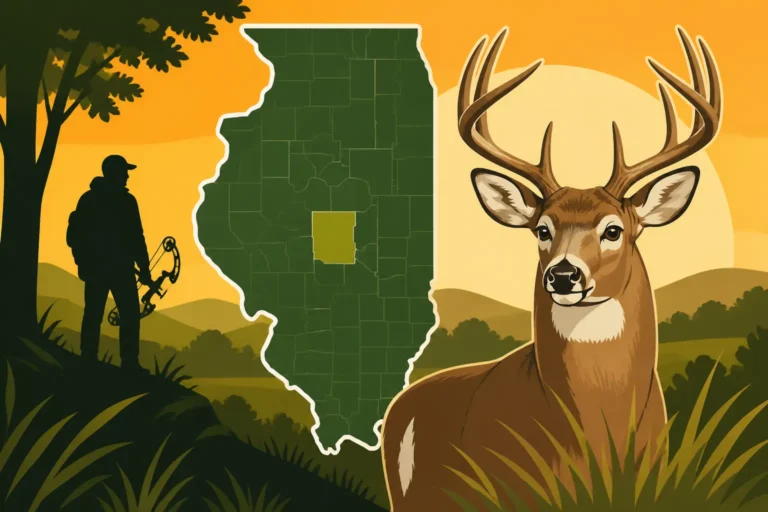
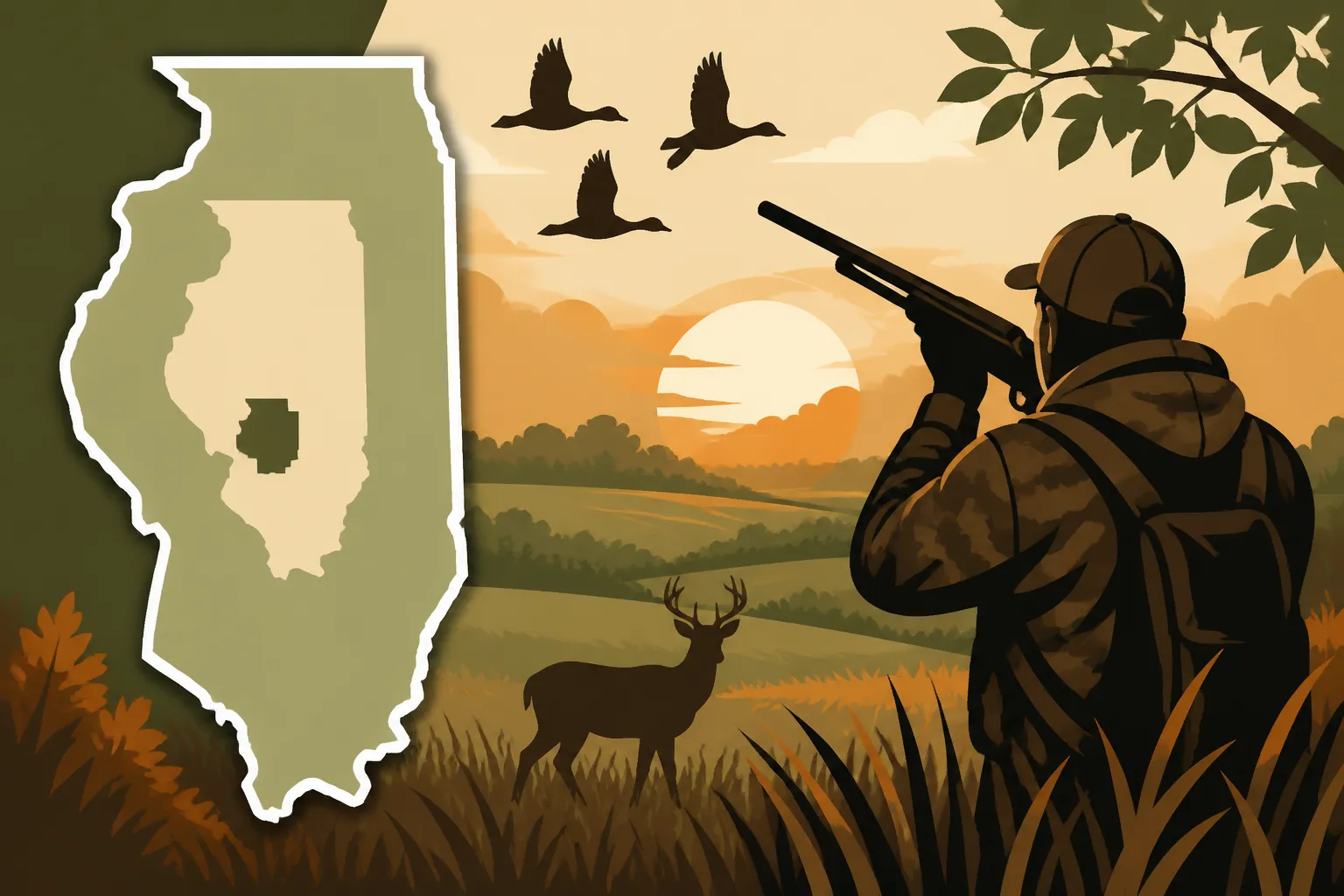
Finding good public hunting land in central Illinois, especially in a county like Sangamon, can feel like searching for a needle in a haystack for many hunters. While the vast timber tracts of Southern Illinois or the expansive river bottomlands might grab more headlines, knowing how to navigate the available—often smaller and more fragmented—public access points in agricultural regions is crucial for success. This guide will help you understand the landscape of public hunting opportunities in Sangamon County and equip you with the knowledge to make the most of what's available, no matter your preferred game.
Understanding Sangamon County's Public Land Landscape
Sangamon County, like much of central Illinois, is characterized by its rich agricultural heritage. This means fertile fields stretch for miles, punctuated by smaller woodlots, creek bottoms, and riparian corridors. For a hunter, this translates into a different kind of public land puzzle than you might find in, say, the Shawnee National Forest. The expectation shouldn't be vast, unbroken tracts of timber, but rather a strategic approach to smaller, often linear, pieces of public ground.
The Reality of Central Illinois Public Hunting
Let's be real: when you think "public hunting land" in Illinois, your mind probably jumps to the big names like Shawnee or some of the larger State Fish and Wildlife Areas. Sangamon County offers a different experience entirely. Here, the public land parcels are often smaller, less contiguous, and sometimes tucked away in unexpected places. This can be frustrating if you're used to sprawling landscapes, but it also creates unique hunting opportunities for those willing to scout diligently and adapt their tactics. You're not looking for miles of untouched wilderness, but rather key habitat features that concentrate game within these smaller footprints. It’s about quality over sheer quantity of acres.
Common Types of Public Access
While large, dedicated state parks or national forests might be scarce in Sangamon County, there are still several types of public access points that hunters can utilize. Understanding these categories is the first step to finding your next hunting spot.
- Linear Public Access: Think of creek and river corridors, abandoned railway lines, or strips of land around public waterways. These linear features, while narrow, can act as vital travel corridors for deer and other game, especially if they offer thick cover or food sources adjacent to private agricultural fields. They might not show up prominently on a general map, but a detailed aerial view on a tool like
onX Huntcan reveal these hidden gems. - Smaller State or County Sites: Some counties might have smaller state recreation areas, conservation areas, or even county-managed properties that permit hunting. These often come with specific rules and regulations that vary greatly from site to site, so checking the Illinois Department of Natural Resources (IDNR) website or local county park district resources is absolutely essential. Don't assume anything; always verify.
- Waterfowl Access Points: Given central Illinois's position on the Mississippi Flyway, waterfowl hunting can be a significant draw. Public access around larger lakes or along major river systems (though Sangamon isn't on the main stem of the Illinois or Mississippi rivers, it has smaller water bodies) can offer opportunities for ducks and geese, often requiring specific blinds or permit drawings. Always check the Illinois Waterfowl Zones and Seasons for specific dates and regulations.
Key Public Hunting Areas in Sangamon County
While Sangamon County may not boast a huge inventory of public hunting lands, there are specific areas where opportunities do exist, often requiring diligence to access and navigate. These typically fall into a few categories, and knowing where to look and what to expect is half the battle.
State Fish and Wildlife Areas
Sangamon County is home to a notable State Fish and Wildlife Area that provides significant hunting opportunities. These areas are specifically managed for wildlife and public recreation, making them prime targets for hunters.
-
Jim Edgar Panther Creek State Fish and Wildlife Area: This is perhaps the crown jewel of public hunting in Sangamon County, and one of the larger contiguous public land parcels in central Illinois. Located west of Springfield, Jim Edgar Panther Creek offers diverse habitats, including timber, open grasslands, and agricultural fields. It's well-known for deer, turkey, pheasant, and dove hunting, among other species. However, due to its size and popularity, hunter numbers can be substantial, especially during peak seasons. You'll need to check the site-specific regulations for drawing procedures, permit requirements, and huntable species. For instance, deer hunting here might be a quota hunt, meaning you'd need to apply for a site-specific permit through the IDNR lottery system. Pheasant hunting here often involves Illinois Pheasant Season and Stocking activities, where birds are released.
When hunting areas like Jim Edgar Panther Creek, understanding the terrain beyond the obvious field edges is crucial. Don't just stick to the easily accessible spots. Deer especially will seek refuge in the thicker, harder-to-reach timber blocks or dense brush lines further back from roads. Hunting Central Illinois Farmland Deer often means looking for these overlooked pockets of cover adjacent to food sources.
Other Potential Public Access Points
Beyond the primary Fish and Wildlife Areas, hunters in Sangamon County should also be aware of smaller, often less publicized, opportunities. These might require more independent scouting and verification.
- Smaller IDNR Leased or Managed Sites: Sometimes the IDNR leases smaller parcels of private land for public hunting or manages specific natural areas that have designated hunting seasons. These are typically announced on the IDNR website, often in county-specific hunting guides or fact sheets. These spots are often small and can be easily overlooked, but they can offer surprisingly good hunting if you put in the legwork. They might include old conservation reserve program (CRP) fields or small woodlots that have been opened to the public. Always check for specific signage on these properties, as rules can change.
- Floodplain and Riverine Habitats: While Sangamon County isn't on a major river like the Illinois or Mississippi, it does have smaller rivers and numerous creeks that feed into larger systems. The Sangamon River itself flows through the county. Often, the floodplains and riparian zones along these waterways are unsuitable for intense agriculture and remain wooded or brushy. Public easements or state-owned parcels along these rivers and larger creeks can provide linear hunting opportunities, particularly for deer moving between agricultural fields. Use mapping software like
onX Huntto identify public land strips along these water features, and always verify access points and boundaries. - County-Managed Conservation Areas: Occasionally, county forest preserves or conservation districts will allow hunting on certain designated tracts. These are often tightly regulated with specific application periods, species limits, and hunting methods. It’s important to visit the Sangamon County Forest Preserve District's website or contact them directly to inquire about any hunting programs they might offer. Don't assume that because it's a "forest preserve" it's automatically open to hunting; many are not, or they have very limited seasons.
It is absolutely vital to verify the most current regulations for any site before planning your hunt. The IDNR website's "Hunt Illinois" section and the site-specific fact sheets are your best friends. Pay close attention to legal weapons, harvest reporting requirements like Illinois Deer Reporting Requirements, and any specific application deadlines.
Navigating Regulations and Access Points
Hunting public land in Illinois, especially in counties with limited access like Sangamon, requires more than just knowing where the land is. You need to understand the rules, how to find those hidden entry points, and what to expect when you get there. Ignoring these details can quickly turn a hopeful hunting trip into a frustrating one.
Understanding Site-Specific Regulations
Every single public hunting area, even within the same county, can have its own unique set of rules that overlay the general statewide hunting regulations. This is where many hunters get tripped up.
- Permit Requirements: Many popular public sites, especially for deer and turkey, operate on a quota system or require site-specific permits obtained through a drawing. This means your regular Illinois Resident Deer Permit Options might not be enough; you'll need an additional permit for that specific public property. Always check the IDNR website for application periods and draw results. Missing a deadline means missing the opportunity for that season.
- Legal Weapons: Some public areas have stricter rules on legal weapons than the statewide regulations. For instance, a site might be archery-only, even during firearm season, or it might restrict certain calibers. Always confirm what's allowed. For firearm seasons, remember to refer to resources like Legal Weapons During Illinois Firearm Season.
- Hunting Hours and Methods: Public lands might have different hunting hours (e.g., sunrise to sunset only) or prohibit certain methods like deer drives or the use of ATVs beyond designated trails. It's not uncommon for some areas to have specific rules about Treestand Rules on Illinois Public Land or Ground Blind Rules on Illinois Fish and Wildlife Areas. These are critical to know before you even set foot on the property.
- Vehicle Access and Parking: Don't assume you can drive right up to your spot. Many public lands have designated parking areas, and driving off-road is strictly prohibited. Understanding the vehicle rules is key to avoiding fines and protecting the resource.
Utilizing Mapping and Information Resources
In today's hunting world, mapping technology is indispensable, especially when tackling fragmented public lands.
- Illinois DNR Website and Map Tools: The IDNR website is your official source for all regulations, site fact sheets, and season dates. They often have interactive map tools that show public lands and their boundaries. Learning Using the Illinois DNR Map Tool effectively can save you hours of guesswork. Always cross-reference what you find online with any physical signage at the actual site, as sometimes updates can be slow to propagate everywhere.
- Mapping Apps (e.g., onX Hunt): This is where tools like
onX Hunttruly shine. These apps allow you to overlay public and private land boundaries directly onto aerial imagery, topographic maps, and satellite views. This is incredibly helpful for identifying those narrow public strips, distinguishing them from adjacent private land, and scouting potential access points. You can mark waypoints, measure distances, and even see landowner names in some cases, which can be useful if you're attempting Getting Private Land Permission in Illinois for adjacent properties. For detailed scouting,onX Huntcan help you read the landscape for features like funnels, pinch points, and bedding areas. - Physical Scouting: As valuable as digital tools are, nothing replaces boots on the ground. Before the season, take time to physically scout the areas you've identified. This helps you understand the topography, confirm access points, identify game trails, and assess Hunting Pressure on Illinois Public Land. You can find hidden pockets of cover or food sources that aren't obvious from an aerial map. Pay attention to how deer might move between smaller woodlots and larger agricultural fields, focusing on edges and natural barriers.
| Aspect of Access | Challenge in Sangamon County Public Land | Solution for Hunters |
|---|---|---|
| Finding Land | Parcels are often small, fragmented, and unmarked. | Use IDNR maps and onX Hunt to locate precise boundaries. Look for linear features like creek bottoms. |
| Understanding Rules | Site-specific regulations vary greatly and can be complex. | Always check the IDNR website's site-specific fact sheets. Call the site office if questions remain. |
| Entry/Parking | Limited designated parking; no off-road driving allowed. | Identify legal parking areas on maps. Be prepared to walk further than expected to reach your hunting spot. |
| Hunter Pressure | Smaller parcels attract concentrated hunting pressure. | Scout deep, hunt midweek, or during less popular seasons. Look for Finding Ground Others Walk Past. |
| Boundary Disputes | Easy to accidentally cross onto private land. | Religiously use onX Hunt or similar GPS with property lines. Carry written permission for adjacent private land if you have it. |
Remember, respect for the land and other users is paramount. Leave no trace, follow all regulations, and be a responsible ambassador for hunting.
Making the Most of Limited Public Access
Hunting smaller, often pressured public land parcels in Sangamon County can be incredibly rewarding, but it demands a different mindset and a more refined set of tactics. It's not about covering miles; it's about dissecting every acre and understanding how game uses it.
Adapting Hunting Strategies for Smaller Tracts
When you're dealing with limited public land, especially in agricultural country, standard big-woods strategies often fall short. You need to be more surgical in your approach.
- Micro-Scouting: This goes beyond just general scouting. It involves scrutinizing every creek bend, every thicket, every mature oak, and every subtle terrain change for signs of game. Deer, especially, will often utilize the densest cover available, no matter how small, as bedding areas during daylight hours, only venturing into fields at low light. Focus on pinch points, funnels, and natural barriers that force deer movement into predictable patterns within these smaller areas. Learn to read Reading Illinois Mud for Fresh Deer Movement to understand recent activity.
- Pressure Management: Public lands, particularly those close to population centers, tend to see higher hunter numbers. To succeed, you need to either hunt when others aren't (mid-week, foul weather, late season) or hunt where others won't go. This might mean walking an extra half-mile through thick brush or crossing a muddy creek. Deer quickly learn where the pressure is, and they will adapt by bedding tighter or moving primarily at night. Your goal is to intercept them before or after they reach their secure daytime spots. Tactics like Still-Hunting Southern Illinois Ridges can be adapted to smaller central Illinois terrain features, moving slowly and observing.
- Focus on Edges and Transitions: In an agricultural landscape, game relies heavily on the transition zones between different habitats: where timber meets a cornfield, where a brushy fencerow ends at a creek, or where a standing soybean field borders a small woodlot. These edges provide food, cover, and travel routes. Setting Up on a Central Illinois Field Edge at dawn or dusk can be highly effective, as game moves to and from bedding cover.
- Calling and Decoys: On smaller tracts, aggressive calling or strategic decoy placement can be incredibly effective, especially for turkey and deer. For turkeys, a quiet morning can turn into action with a few well-placed calls. For deer, understanding Rattling Volume in Thick Cover and when to use grunt calls can bring bucks into closer range in tight quarters. In areas with higher pressure, sometimes less is more with calling.
Maximizing Success with Limited Resources
It's not just about hunting smarter; it's about being prepared and persistent. Limited access often means you need to be efficient and capitalize on every opportunity.
- Time Management: With fewer spots, you might only have a handful of truly productive setups. Knowing when to hunt which spot based on wind, weather, and time of day becomes critical. For example, a morning hunt might be best along a bedding-to-feeding travel route, while an evening hunt focuses on a food source. Understand the nuances of Hunting Deer After a Cold Front or when to adjust your strategy for a Cold-Weather Sitting Strategy in Illinois.
- Portable and Packable Gear: When access is limited and you might be walking further or navigating dense cover, lightweight and portable gear is your friend. Think compact treestands, climbing sticks, or versatile ground blinds that can be quickly deployed. Consider what you can carry in for a mobile setup versus a more permanent fixture. Ensure you have all the necessary supplies for Field Dressing a Deer in Cold Weather or dragging it out of a tough spot.
- Respect and Courtesy: On public land, you're sharing the resource. Being respectful of other hunters, landowners, and wildlife is paramount. A positive attitude and good communication can go a long way in navigating potential conflicts and ensuring a pleasant experience for everyone. Remember to report your harvest accurately and promptly, contributing to sound wildlife management.
- Continuous Learning: Every season brings new lessons. Pay attention to what worked and what didn't. Keep detailed notes, study aerial photos throughout the year to see habitat changes, and adapt your approach. The most successful public land hunters are often those who are the most adaptable and persistent, willing to learn from every outing and adjust their strategy for the next. Regularly check for updates on Illinois Deer Season Structure Explained and other regulations, as they can influence your hunt plan.
Disclaimer
This article is for general informational purposes only and does not constitute professional advice. Laws, prices and regulations vary by location and change over time. Consult a qualified professional for guidance on your specific situation.