Stark County CWD Zone Ground
Hunting in Illinois presents a unique blend of tradition and challenge, and when an area like Stark County is designated a Chronic Wasting Disease (CWD) Zone, it adds another layer of complexity to the experience. For many of us who cherish the outdoors and the pursuit of whitetails, navigating these CWD regulations can feel like a whole new ballgame, introducing concerns about herd health and responsible hunting practices. This guide is here to walk you through what hunting in Stark County, a CWD zone, truly means, offering practical advice and insight to help you hunt responsibly and effectively.
Understanding Stark County's CWD Designation
When you hear that a county like Stark is part of Illinois's CWD Zone, it’s natural to feel a mix of concern and confusion. This designation isn't just a label; it comes with real implications for the deer herd, the hunting community, and the specific regulations you need to follow. Chronic Wasting Disease is a serious neurological condition affecting deer, elk, moose, and reindeer, and its presence in a hunting area necessitates a careful and informed approach from every hunter.
What Being a CWD Zone Means for Hunters
Being in a CWD Zone fundamentally changes how you approach deer hunting. First and foremost, it means you're operating in an area where CWD has been detected in wild deer populations, and the Illinois Department of Natural Resources (IDNR) is actively working to monitor and manage its spread. This often translates into stricter regulations designed to gather data and prevent the disease from moving to new areas. For you, the hunter, this might include mandatory CWD testing of harvested deer, especially during specific firearm seasons, or enhanced reporting requirements. It’s not just about taking a deer; it’s about participating in a broader wildlife management effort.
The emotional impact can be significant, too. You might worry about the health of the deer you harvest, or what the future holds for the local herd. It’s a valid concern, and one shared by many hunters who have seen their favorite spots affected. Beyond the regulations, there's an increased ethical responsibility to understand the disease, follow guidelines rigorously, and do your part to help manage the situation. It’s about being a steward of the land and the wildlife, not just a harvester. This often means staying up-to-date with IDNR communications and being prepared for changes in season rules or testing protocols.
One of the key takeaways for any hunter in a CWD zone is that vigilance becomes paramount. This isn't just about spotting deer; it's about observing their behavior and physical condition. While CWD can be hard to detect in early stages, an animal showing signs of illness – extreme emaciation, stumbling, drooling, or listlessness – should raise a red flag. Knowing what to look for and how to report a sick animal is part of being a responsible hunter in these affected areas. The health of the herd depends on collective awareness.
A Brief Look at How CWD Spreads and Why Stark County is Included
Chronic Wasting Disease is caused by an abnormal protein called a prion, not a bacteria or virus, which makes it incredibly resilient and difficult to eradicate. Prions can spread through direct animal-to-animal contact, but also through indirect contact with contaminated environments, such as soil, plants, or feed. Deer shed prions through saliva, urine, and feces, and these prions can persist in the environment for years, making CWD a long-term challenge once it's established in an area. This environmental persistence is why containing its spread is so challenging and Why the Disease Keeps Spreading Southward is a critical concern for wildlife managers.
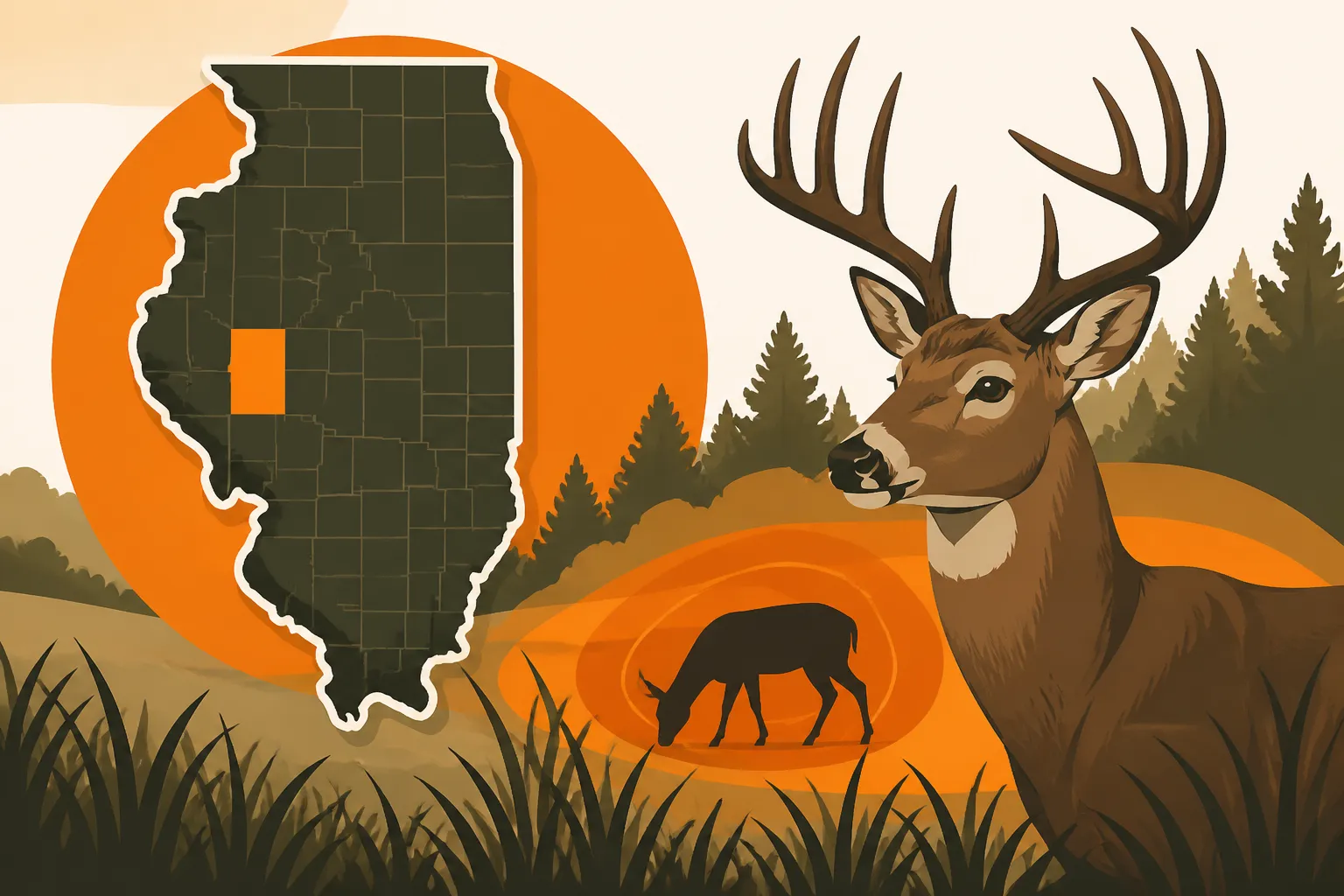
Stark County's inclusion in the CWD zone is part of a larger, ongoing effort to track and manage the disease in Illinois. The initial detection of CWD in Illinois was back in 2002 in Boone County, in the northern part of the state. Since then, it has slowly but surely expanded its footprint. Stark County, while not among the initial counties, is located within the broader geographical area where CWD has been observed to be present or expanding. Its designation reflects ongoing monitoring and testing efforts that confirm the disease's presence, requiring proactive management to protect the broader deer population.
Understanding the history of Illinois's Chronic Wasting Disease Zone helps put Stark County's situation into perspective. The IDNR’s strategy involves intensive surveillance, targeted culling (though this has been re-evaluated in some areas), and hunter cooperation to limit the spread. The goal is not necessarily to eliminate CWD entirely, which is often unfeasible once established, but to manage its prevalence and prevent its uncontrolled expansion. As a hunter in Stark County, you're on the front lines of this long-term management strategy, and your actions directly contribute to the success of these efforts.
Navigating Public and Private Hunting Opportunities in Stark County
Stark County might not be the first place that comes to mind when you think of vast tracts of public hunting land in Illinois, like the expansive Shawnee National Forest. However, hunting opportunities exist, both on smaller public parcels and, perhaps more predominantly, on private agricultural and timber lands. The challenge, especially in a CWD zone, is not just finding a place to hunt, but understanding how CWD regulations influence your choices and responsibilities on that land.
Identifying Public Hunting Land
While Stark County might not boast huge state parks or national forests, there can still be smaller parcels of public ground like State Fish and Wildlife Areas, or even sometimes local park district properties that allow hunting. These areas often have specific draw programs or strict sign-in procedures, so it’s crucial to do your homework well in advance. Don't just show up expecting open access; research the specific site rules. A fantastic tool for this is onX Hunt, which clearly delineates public and private land boundaries, making it much easier to identify legal access points and avoid trespassing.
Even on smaller public tracts, hunting pressure can be a factor, especially during opening weekends. In a CWD zone, however, some hunters might avoid these areas due to the testing requirements, which could, paradoxically, reduce pressure slightly. Always check the specific site regulations for any public land you plan to hunt in Stark County, as they can sometimes have additional rules pertaining to CWD, such as mandatory check stations or specific dates for testing. Utilizing resources like the Using the Illinois DNR Map Tool can help you pinpoint these smaller, often overlooked parcels and understand their unique hunting frameworks.
When hunting public land, remember that you are a representative of the hunting community. Adhering to all regulations, including CWD protocols, is essential. This not only keeps you legal but also helps ensure these limited public hunting opportunities remain available for everyone. Proper game handling, respecting property boundaries, and leaving no trace are even more critical in areas where wildlife management is under increased scrutiny due to CWD. Being a responsible public land hunter in Stark County helps everyone.
Securing Private Land Access and CWD Considerations
For many hunters in Stark County, private land is the primary hunting ground. The county is largely agricultural, dotted with woodlots, creek bottoms, and fencerows that hold deer. Securing private land access means knocking on doors, building relationships with landowners, and respecting their property. In a CWD zone, this conversation takes on an added dimension. Landowners may be more concerned about CWD and might have questions or specific requests regarding how you hunt their property, especially concerning carcass disposal or testing. Open communication is key to maintaining these valuable relationships.
When you're trying to gain Getting Private Land Permission in Illinois, be upfront about the CWD situation. Explain that you understand the county is affected and that you're committed to following all IDNR guidelines, including mandatory testing. This level of transparency can build trust with landowners who might be hesitant due to the disease. You might even offer to share your test results with them, or discuss how you plan to field dress the deer to minimize any potential issues on their property. Being proactive about these concerns shows respect and responsibility.
The benefit of hunting private land in a CWD zone is often reduced pressure and potentially better management opportunities. Landowners might be more open to specific harvest recommendations aimed at reducing deer density, which can be part of CWD management strategies. This means you might have the opportunity to engage in more focused hunting that directly contributes to herd health efforts. Always ensure you have clear, preferably written, permission from the landowner, and understand any additional rules they might impose beyond state regulations. This mutual understanding is vital for a positive hunting experience.
Specific CWD Regulations and Best Practices for Stark County Hunters
Hunting in a CWD zone like Stark County isn't just about knowing where to go; it's about knowing how to hunt responsibly in a landscape where wildlife health is a major concern. The IDNR has put specific measures in place to monitor and manage CWD, and as a hunter, understanding and adhering to these regulations is your most important contribution. These protocols are designed to gather critical data and help prevent further spread of the disease.
Mandatory CWD Testing and Sampling Locations
One of the most significant regulations for hunters in Stark County, and indeed all CWD zones, is the requirement for mandatory CWD testing of harvested deer, often during specific firearm seasons. This isn't just a suggestion; it's a critical part of the IDNR's surveillance program. You might be required to present your deer at a designated check station or self-sampling location within a certain timeframe after harvest. The exact requirements, including which seasons and what parts of the deer are needed, can change, so always check the current IDNR hunting guide for the most up-to-date information specific to Stark County.
The process for getting your deer tested is usually straightforward. Typically, the IDNR will ask for the deer's head, specifically the brainstem and lymph nodes, as these are the tissues where prions accumulate and are detectable. They'll also record your permit number and the location of the harvest. These data points are invaluable for biologists to track the disease's prevalence and distribution. Finding an Illinois CWD Sampling Location or specific stations within Stark County or nearby is crucial, and the IDNR website or app is usually the best place to find an updated list, often including local meat processors or drop-off sites.
Remember, compliance with Mandatory Testing Inside an Illinois CWD County isn't just a legal obligation; it's a vital part of protecting the deer herd. Each sample provides a piece of the puzzle, helping biologists understand the scope of the problem and adjust management strategies. Don't view it as an inconvenience, but rather as an essential step in responsible hunting. If your deer tests positive for CWD, the IDNR will typically notify you, and they will provide guidance on safe handling and disposal, including recommendations that CWD-positive deer meat not be consumed.
Carcass Movement Restrictions and Processing Advice
Another critical regulation in CWD zones like Stark County involves carcass movement. To prevent the accidental spread of prions to new areas, the IDNR restricts the transportation of certain parts of a harvested deer out of the CWD management zone. Generally, hunters are only allowed to transport deboned meat, antlers, hides, and cleaned skull plates or taxidermy mounts out of a CWD county. The entire carcass, especially the brain and spinal column, must remain within the CWD zone or be disposed of properly within it. This rule is a cornerstone of containing the disease.
This means you'll need to be prepared to do significant field dressing at your harvest site or have arrangements with a local processor within the CWD zone. If you typically take your deer whole to a processor outside Stark County, you'll need to adjust your plans. Learning how to properly debone a deer in the field becomes an invaluable skill. Carrying boning knives, large game bags, and possibly even a portable saw for antlers can make this process smoother. It’s a bit more work upfront, but it’s a necessary step to comply with Illinois Carcass Movement Restrictions.
When it comes to processing, try to utilize a processor located within or very close to Stark County. They will be familiar with the CWD regulations and equipped to handle the carcass and dispose of waste properly. If you process your own deer at home within the CWD zone, ensure that all leftover carcass parts, especially bones and internal organs, are disposed of in a landfill that accepts animal waste, or buried deeply on the property if permitted and practical, to prevent scavengers from spreading prions. Never dispose of carcass waste improperly in ditches, fields, or streams.
Hygiene and Safety Best Practices in a CWD Zone
Beyond regulations, practicing good hygiene and safety while hunting and handling deer in a CWD zone is paramount. While CWD has not been definitively linked to human health issues, health organizations recommend minimizing exposure to prions. Always wear latex or rubber gloves when field dressing or handling deer meat. This not only protects you from potential exposure to CWD prions but also from other pathogens that wild animals can carry. Dispose of gloves properly after use.
When processing, use dedicated knives and cutting surfaces for wild game, separate from those used for domestic food preparation. Thoroughly clean and sanitize all tools, knives, and surfaces with a bleach solution (a 50/50 mix of bleach and water is often recommended for prion decontamination, though always follow specific IDNR or health agency recommendations if available). Prions are highly resistant to conventional disinfectants and even cooking temperatures, so meticulous cleaning is vital. Proper handling limits potential contamination of your home environment.
Finally, if you harvest a deer that appears visibly sick or tests positive for CWD, do not consume the meat. The IDNR and public health agencies strongly advise against it. While research is ongoing, taking a cautious approach is always the best practice. Report any unusually acting or sick deer you observe to the IDNR promptly by calling the Reporting a Sick Animal in Illinois hotline or your local conservation police. Your vigilance and adherence to these best practices contribute significantly to safeguarding both human and wildlife health in Stark County.
Strategies for Hunting Deer in a CWD-Affected Landscape
Hunting in a CWD-affected landscape requires more than just knowing the rules; it demands a thoughtful adaptation of your hunting strategies. The presence of CWD can subtly, or sometimes dramatically, alter herd dynamics, deer behavior, and even the "feel" of the hunt. By being informed and flexible, you can continue to have successful and responsible hunting experiences in Stark County.
Adapting Your Hunting Approach
In areas with CWD, one of the primary management goals is often to reduce overall deer density. This means that hunters might be encouraged, or even incentivized through bonus permits, to harvest more deer, particularly antlerless deer. Your traditional approach of solely chasing trophy bucks might need a slight shift to include a focus on herd reduction. This contributes directly to slowing the disease's spread, as lower densities can mean less deer-to-deer contact, which is a major transmission route. Don't be surprised if you see an Illinois Special CWD County Bonus Permits program in effect.
Furthermore, pay closer attention to the overall health of the deer you encounter. While most deer with CWD appear healthy in the early stages, observing any deer that look emaciated, disoriented, or are acting unusually should factor into your decision-making. Passing on a potentially sick animal, even if it's legal, is an ethical consideration many hunters in CWD zones adopt. Understanding normal deer behavior and recognizing deviations becomes a more important skill than ever when hunting in Stark County.
Consider your hunting locations carefully. Some studies suggest that CWD prevalence might be higher in areas where deer congregate more frequently, such as around persistent bait sites or feed stations (which are illegal in Illinois for CWD management zones). While natural food sources like acorns, soybeans, and corn will still draw deer, think about how your stand placement or hunting tactics might influence deer interaction and concentration. Your role in the larger picture of herd health becomes a guiding principle in every decision you make afield.
Utilizing Technology for Smart Hunting Decisions
In today's hunting world, technology can be a huge asset, especially when navigating the complexities of CWD zones. Apps like onX Hunt and GoHunt are invaluable tools for hunters in Stark County. These platforms allow you to precisely pinpoint public land boundaries, identify private land ownership (which is crucial for seeking permission), and map out potential access points or travel corridors that might reduce your footprint or avoid high-pressure areas. The ability to overlay different map layers can help you find those overlooked pockets of cover or food sources that might hold deer.
Beyond simply showing property lines, many mapping apps offer features that can indirectly aid in CWD zone hunting. You can mark CWD sampling station locations, potential field dressing sites, or areas where you've observed sick deer. This personal geospatial data can help you plan your hunt more effectively and ensure you're compliant with regulations. Having an aerial view of the landscape, including agricultural fields, woodlots, and creek drainages, allows you to strategize entry and exit routes that are efficient and minimize disturbance, which is always a good hunting practice, CWD zone or not.
Using the Illinois DNR's own mobile app is also a smart move, as it often provides specific, up-to-the-minute information relevant to CWD. This might include notifications about new regulations, updated lists of mandatory check stations, or information regarding special CWD hunts. Think of your smartphone not just as a communication device, but as a critical scouting and compliance tool. Combining the detailed mapping of onX Hunt with official DNR information ensures you're always operating with the most accurate and current data, making your hunt in Stark County as responsible and successful as possible.
CWD Best Practices for Stark County Hunters
| Aspect | Best Practice in CWD Zones (e.g., Stark County) | Why It Matters |
|---|---|---|
| Carcass Handling | Field dress deer at the harvest site; leave brain, spinal cord, and internal organs. | Prevents spreading CWD prions to new areas, especially outside the CWD zone. |
| Carcass Movement | Only transport deboned meat, clean skull plates, antlers, and hides out of the zone. | Adheres to legal requirements to contain prions. |
| CWD Testing | Comply with all mandatory testing requirements; use designated IDNR sampling sites. | Provides crucial data for disease surveillance and management. |
| Disposal of Waste | Dispose of carcass waste at approved landfills or bury deeply on private land. | Prevents environmental contamination and spread by scavengers. |
| Hygiene | Wear gloves when handling deer; thoroughly clean tools with bleach solution. | Minimizes personal exposure to prions and cross-contamination. |
| Harvest Strategy | Consider harvesting more antlerless deer to help manage herd density. | Can reduce deer-to-deer contact, potentially slowing CWD spread. |
| Observation | Report any visibly sick or unusually acting deer to the IDNR immediately. | Helps biologists track disease activity and intervene if necessary. |
| Information Source | Consult the latest IDNR hunting guide and official website for current regulations. | Ensures you are always up-to-date with changing CWD protocols and requirements. |
Disclaimer
This article is for general informational purposes only and does not constitute professional advice. Laws, prices and regulations vary by location and change over time. Consult a qualified professional for guidance on your specific situation.