Retrieving Game From Private Land in Illinois
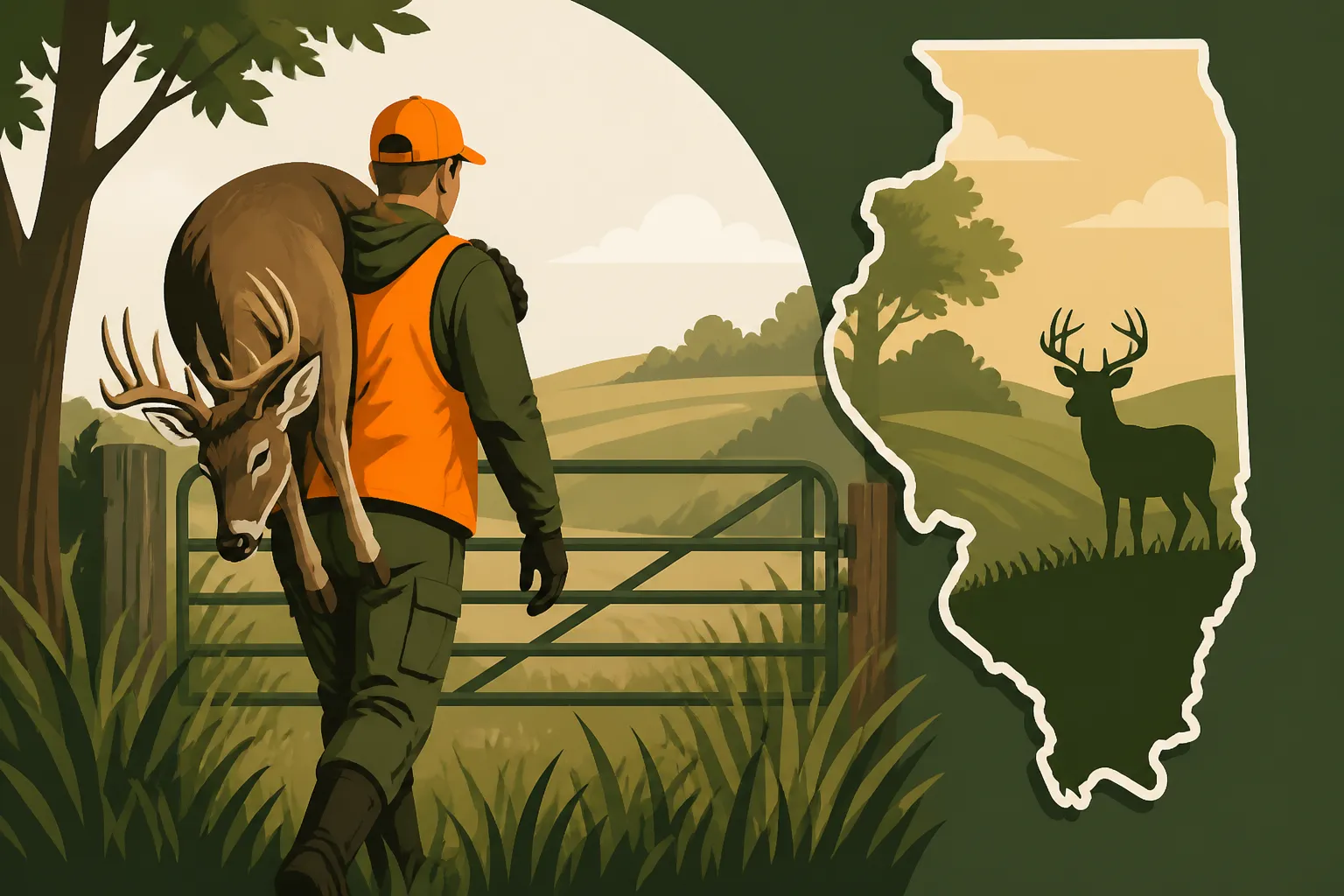
It's one of the most disheartening feelings for any hunter: you've made a perfect shot on a deer or turkey, watched it run, and then realized, with a sinking stomach, that it's just crossed a property line onto land you don't have permission to be on. The ethical hunter in you wants to recover that animal, but the law-abiding citizen knows you can't just follow it. This guide is all about navigating that tricky situation in Illinois, understanding your rights and responsibilities, and, most importantly, how to avoid turning a successful hunt into a legal nightmare.
Understanding Illinois Law on Game Retrieval and Trespass
Let's be absolutely clear from the outset: in Illinois, if your game crosses onto private property where you do not have permission, you do not have an automatic right to retrieve it. This is a common misconception, and believing it could lead to serious legal trouble. Trespassing, even to recover downed game, is still trespassing. The animal is legally yours once you've harvested it, but your right to access the land where it lies is entirely separate.
The Strictures of Illinois Trespass Law
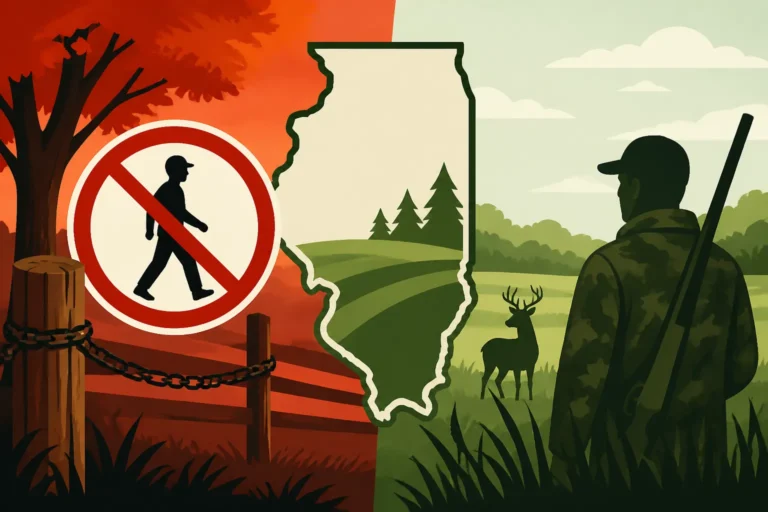
Illinois law is pretty straightforward on this: you need permission to be on someone else's property. Period. There's no special carve-out for retrieving game. Walking onto private land, even a few feet, without express permission from the landowner or their agent is considered trespass. This isn't just a minor infraction; depending on the circumstances, it can escalate. Imagine the frustration of a landowner who finds you on their property, gun in hand, without a word spoken beforehand. It erodes trust and makes it harder for everyone to gain access in the future. We've all heard stories of hunters who've pushed it, and it never ends well for them, or for the reputation of hunters as a whole. Always remember that property boundaries are not just lines on a map; they represent a landowner's privacy and rights. Illinois Trespass and Permission Law outlines the specifics, and it's essential reading for anyone venturing out.
Legal Ownership vs. Physical Access
When you legally harvest an animal, it becomes your property. This is an important distinction to make. However, owning the animal doesn't automatically grant you access to retrieve it from land where you are not authorized to be. Think of it like this: if your car breaks down on someone's private driveway, it's still your car, but you can't just barge onto their property to fix or tow it without their permission. The same principle applies to game retrieval. You have a legal claim to the animal, but you still need the landowner's explicit consent to step foot on their ground to get it. This is where communication becomes paramount, and unfortunately, it's where many hunters find themselves in a bind.
Proactive Steps: Permission is Always Best
The absolute best way to handle game crossing onto private land is to prevent the situation from becoming a crisis in the first place. That means doing your homework and building relationships before you ever pull the trigger. Prior permission is your golden ticket.
Scouting and Identifying Landowners Ahead of Time
Before hunting any area, especially near known property lines, dedicate time to scouting. This isn't just about finding deer sign or turkey roosts; it's about understanding the lay of the land, who owns what, and where those lines actually are. Tools like onX Hunt have revolutionized this by providing detailed plat maps right on your phone, showing property boundaries, landowner names, and even contact information in many cases. Don't just assume the old fence line is the boundary, or that an unmarked woodlot is public. Verify it. For instance, if you're Hunting Illinois River Bottom Funnels that border private fields, knowing who owns those fields beforehand can save you immense stress.
When you're looking at your hunting spot, pay close attention to parcels adjacent to public ground or your permitted private land. Identify the landowners of those neighboring tracts. A quick online search, county plat maps, or even a knock on a door (during reasonable hours, with your hunting intentions clearly stated) can provide crucial information. Some counties even have GIS mapping tools available online for free. Having this information on hand – names, phone numbers – is invaluable if a tracking situation arises.
Asking for Permission Before Season Opens
This is the ideal scenario. Approach landowners in the off-season, well before hunting pressure begins. Explain where you hunt and the possibility that an animal might cross onto their land. Ask if they would be willing to grant permission if that situation occurs. Many landowners are reasonable and understanding, especially if you present yourself respectfully and offer to share contact information. They might have concerns about safety, liability, or simply not wanting strangers wandering around, so be prepared to address those. Emphasize that you'll contact them immediately if it happens, walk directly to the animal, and retrieve it without causing any disturbance.
Some landowners might require you to park in a specific spot or enter from a certain direction. Always agree to their terms and follow through. Keep their contact information handy, maybe even saved as a favorite in your phone, alongside details about their property, like "Mrs. Smith – West 40 Acre Field Edge." Having this permission in writing, even a simple text or email exchange, is always a good idea. This proactive approach not only gives you peace of mind but can also open doors for future hunting opportunities. Getting Private Land Permission in Illinois is a great resource to dive deeper into this.
What to Do When Game Crosses Onto Private Land
Okay, so you've done everything right, but a deer still veers off your permitted ground onto the neighbor's. Panic doesn't help. Here's a step-by-step guide to handling this sensitive situation properly and legally.
Immediately Stop and Assess the Situation
The moment you realize your game has crossed a boundary, stop your pursuit. Do not follow the animal onto private land. Mark the last known location of the animal as accurately as possible from your side of the property line. Use a GPS, your phone's mapping app like onX Hunt, or even physical markers if safe and appropriate. Note the time and any details about the shot, the animal's reaction, and its direction of travel. Knowing exactly where it crossed can be crucial information to share with the landowner. If you're Blood Trailing After Dark in Illinois, this becomes even more critical due to visibility issues.
Resist the urge to just "take a peek" or "just go a few feet in." That's how well-intentioned hunters get into trouble. Your immediate priority is respecting property rights. Your secondary priority is recovering your animal, and that can only happen legally with permission.
Contact the Landowner for Permission
This is the most critical step. If you've done your homework and have contact information, call the landowner immediately. Explain the situation calmly and respectfully:
"Hello, my name is [Your Name], and I'm hunting the public land (or [name of property]) next to your property. I just shot a deer, and it ran onto your land near [describe location]. I'm standing at the property line now and haven't crossed. Would it be possible for me to come onto your property briefly to retrieve my deer? I'd be happy to show you where it is and respect any rules you have."
Be prepared for any answer. They might say yes, no, or ask to meet you. If they say no, you must respect that. It's their land, and they have the right to deny access. If they agree, clarify the terms: where can you enter, how long can you be there, should you call them when you're done? Some might even offer to help you track. This is a best-case scenario and a testament to good neighborly relations.
What if you don't have contact information? This is where it gets tougher. You cannot just guess and knock on doors blindly if you don't know who owns the specific parcel. This is where scouting with tools like GoHunt, which often have landowner data, can pay off immensely. If you absolutely cannot identify or contact the landowner, you are unfortunately at a standstill. You cannot legally retrieve the animal. While heartbreaking, violating the law is not an option.
Respecting the Landowner's Decision
Whether the answer is yes or no, your response must be gracious. If they grant permission, thank them profusely, follow their instructions to the letter, and leave no trace. If they decline, thank them for their time and respect their decision without argument. Pressuring or arguing with a landowner who has denied access will only confirm any negative stereotypes they might hold about hunters and make it harder for anyone else to get permission in the future.
It's a tough pill to swallow to lose an animal, especially one you worked hard for and made a good shot on. But ethical hunting extends beyond the shot to how we conduct ourselves as ambassadors for the sport. Losing an animal is a far lesser consequence than facing trespass charges or damaging hunter-landowner relations for years to come.
What if the Landowner Cannot Be Reached?
This is a common and incredibly frustrating scenario. You've got a downed animal, you know where it is, but the landowner isn't answering their phone or can't be found. Again, the rule is firm: no permission, no entry. You cannot enter their property without explicit consent.
In this situation, some hunters might consider contacting the Illinois Department of Natural Resources (IDNR) or local law enforcement for assistance. While they might be able to help mediate or provide contact information for the landowner, they generally cannot grant you permission to trespass. Their role is to enforce the law, not circumvent property rights. It's always worth a call to the IDNR if you feel it's a unique situation, as they may have local knowledge or specific protocols, but manage your expectations. They are unlikely to escort you onto private property without the landowner's explicit consent.
This is a scenario where prior planning is truly golden. If you've got multiple landowners bordering your hunting ground, making contact with all of them beforehand, even just to introduce yourself, can make a world of difference.
Building and Maintaining Good Landowner Relationships
The vast majority of hunting in Illinois takes place on private land, and the future of our hunting opportunities relies heavily on good relationships between hunters and landowners. A single instance of disrespect or trespass can sour these relationships for years, affecting not just you but every other hunter who seeks permission in that area.
Showing Gratitude and Respect
Always be thankful, whether you get permission or not. If a landowner grants you access, a small gesture of appreciation can go a long way. A thank-you note, a small gift card, or even offering to help with a chore around their property (if appropriate) can solidify a positive relationship. Consider sharing some of the venison, if they're open to it. This isn't about buying permission; it's about showing genuine appreciation for their generosity and trust.
Remember, you are a guest on their land. Drive slowly, close gates, don't litter, and only access the areas they've permitted. Leave the property exactly as you found it, or better. If you harvest an animal, make sure your Field Dressing a Deer in Cold Weather or other processing is done respectfully and cleanly.
Communication Beyond the Hunt
Good relationships aren't just about the hunt itself. If you've secured permission for game retrieval, consider checking in with the landowner occasionally, even outside of hunting season. A simple phone call to say hello, or an update on what you're seeing in the woods, can keep that connection alive. This demonstrates that you value them beyond just their land's hunting potential.
Landowners are often juggling many responsibilities, and adding "dealing with a hunter on my land" to their plate can be a hassle. By being thoughtful, respectful, and communicative, you can turn a potentially negative encounter into a positive one. You never know when that good relationship might lead to future hunting opportunities, or at the very least, ensure open lines of communication if a game retrieval situation ever arises again.
Table: Game Retrieval Protocol – Before vs. During the Hunt
Here's a quick comparison of the proactive steps you can take versus the reactive steps if an animal crosses unexpectedly:
| Action Category | Before the Hunt (Proactive) | During the Hunt (Reactive) |
|---|---|---|
| Landowner Contact | Identify all adjacent landowners and gather contact info. | Immediately stop pursuit, mark last known location. |
| Permission | Seek general permission for retrieval if needed. | Contact landowner immediately for specific retrieval permission. |
| Mapping & Boundaries | Use tools like onX Hunt to precisely know property lines. | Confirm the exact property line and animal's crossing point. |
| Relationship Building | Introduce yourself, build rapport, offer assistance. | Explain situation calmly, politely request access. |
| Contingency Planning | Discuss potential scenarios (time of day, access points). | Respect landowner's decision, whether yes or no. |
| Documentation | Keep landowner contact info and permission notes handy. | Document calls, times, and specific instructions given. |
| Follow-Up | Thank them for future consideration. | Thank them for access; follow up with a thank you later. |
Remember, the goal is always to be on the "proactive" side of this table. While you're getting ready for the season, perhaps when you're going over your Scouting Illinois Public Land Before Season plans, take an extra hour to map out those property lines and landowner contacts. This small investment of time can prevent a lot of heartache and legal trouble down the road.
Common Misconceptions and Ethical Considerations
There are a few myths and ethical dilemmas that often surface around game retrieval on private land. Let's address them head-on.
"Implied Consent" and Other Myths
Some hunters mistakenly believe that landowners have "implied consent" for game retrieval, especially if they allow hunting on other parts of their property or if it's agricultural land. This is simply not true in Illinois. Unless explicit permission has been granted for game retrieval, you do not have it. Another myth is that if you call law enforcement, they can force a landowner to grant access. As mentioned, this is not their role. Their role is to enforce trespass laws, which would likely go against the hunter if they entered without permission.
Always assume you need explicit permission. If you're hunting nearby and planning to utilize the full Illinois Archery Season Opening Day or the peak of Hunting the Rut in Early November, you owe it to yourself and the landowner to be crystal clear on access protocols.
Ethical Obligation to Recover Game vs. Property Rights
This is the core dilemma. As ethical hunters, we feel a profound obligation to recover any animal we shoot. Wounding an animal and letting it suffer or go to waste is antithetical to our values. However, this ethical obligation does not override a landowner's legal property rights. It's a painful balance.
If a landowner denies access, you've done everything you can legally and ethically under the circumstances. You tried to recover the animal, but were legally prevented. While tragic, it's a consequence of hunting near property boundaries without prior full access. This is why shot placement, tracking skills, and understanding the terrain an animal might flee into are so crucial. Every hunter hopes to avoid this situation, and taking the Illinois Hunter Education Requirements thoroughly helps instill these principles.
The Impact on Future Hunter Access
Every interaction between a hunter and a landowner shapes the perception of hunters in general. A negative experience, such as a hunter trespassing or arguing over access, can lead a landowner to post their entire property, denying access to everyone. Conversely, a positive interaction—a respectful request, a gracious acceptance of a "no," and impeccable conduct—can foster goodwill and open doors for other hunters in the future. We all share a responsibility to uphold the integrity of hunting.
Imagine if you're trying to gain access for Hunting Central Illinois Farmland Deer and a landowner tells you about a previous negative experience. Your chances plummet. It's not just about your hunt; it's about the broader hunting community. By being diligent, respectful, and prepared, you contribute positively to the future of hunting in Illinois.
Disclaimer
This article is for general informational purposes only and does not constitute professional advice. Laws, prices and regulations vary by location and change over time. Consult a qualified professional for guidance on your specific situation.