Fulton County Public Hunting Access
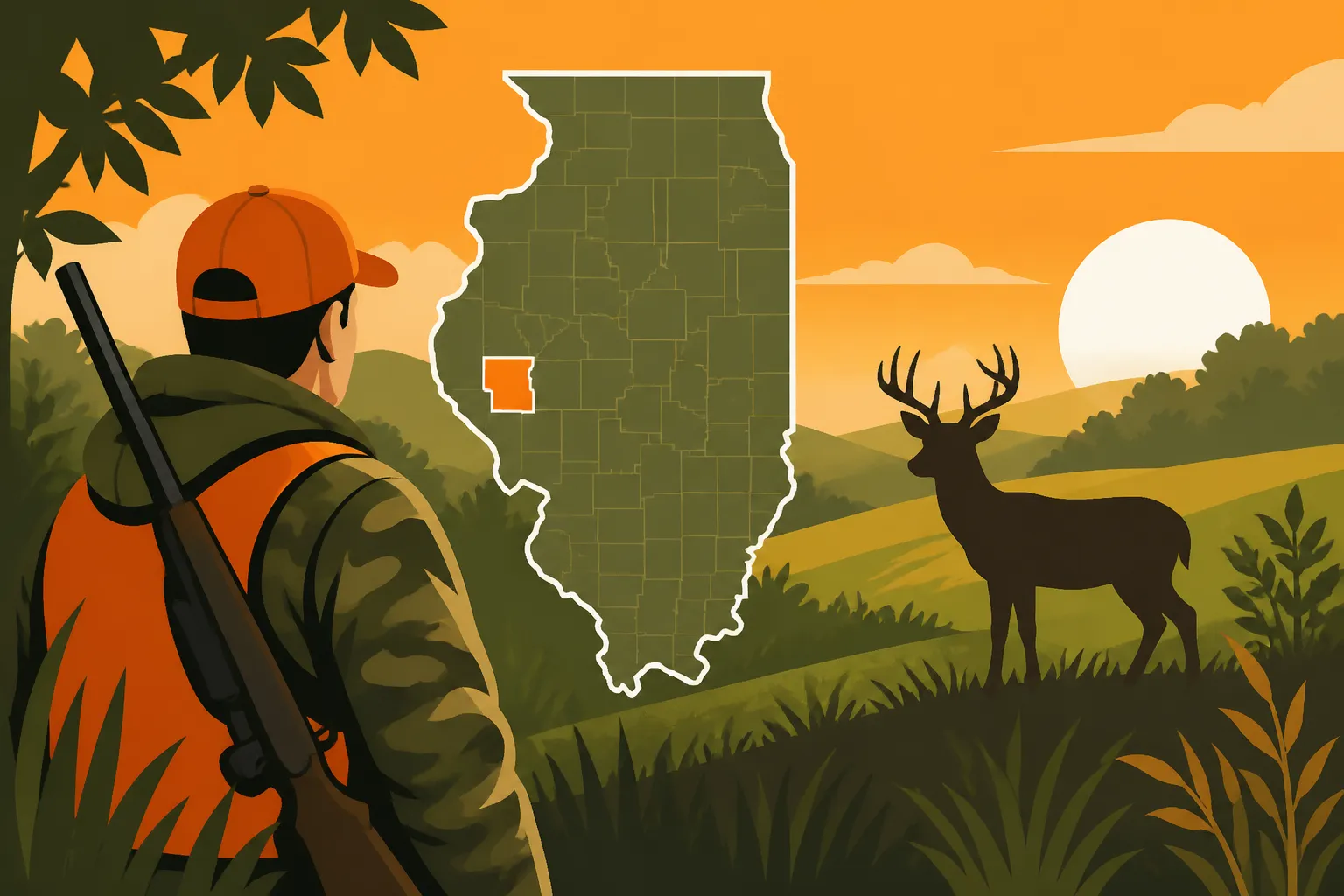
Many Illinois hunters can feel like they're constantly searching for that perfect slice of public land, especially in central Illinois counties like Fulton, where vast private farmlands often overshadow accessible hunting spots. It’s easy to get discouraged when every timber edge seems to have "No Trespassing" signs. But don't despair! Fulton County, with its diverse landscape of rolling hills, significant river systems, and a surprising amount of timber, actually offers some fantastic, albeit sometimes overlooked, public hunting opportunities if you know where to look and how to approach them. This guide is designed to help you navigate Fulton County's public access, providing insights into the terrain, key locations, essential tools, and strategies for a successful hunt.
The Unique Landscape of Fulton County for Hunters
Fulton County is a fascinating blend for hunters, often presenting challenges and rewards different from the sprawling forests of Southern Illinois or the intense agricultural operations further north. Understanding its distinct characteristics is crucial for any hunter hoping to find success here.
A Mix of Agriculture and Timber
One of the defining features of Fulton County is its incredible mosaic of productive agricultural fields—think endless acres of corn and soybeans—interspersed with significant blocks of mature timber, brushy draws, and dense thickets. This patchwork creates an abundance of prime edge habitat, which is an absolute magnet for wildlife. Deer, especially, thrive in these transition zones, constantly moving between the cover of the woods for security and the vast food sources of the fields. Turkeys will often roost in the larger timber blocks but spend their days foraging along field edges, picking through harvested crops.
This kind of landscape demands a flexible hunting approach. Unlike hunting vast, contiguous forests where you might track deer across miles of timber, here you're often focusing on smaller, more defined travel corridors between different habitat types. Pay close attention to pinch points where deer are forced to move through a narrow strip of woods between two fields, or where a deep ravine cuts through an otherwise open area. These are natural funnels that can be incredibly productive. The challenge, of course, is that these same features are often on private land. This makes identifying public access points that border or contain these prime edges even more critical. Hunting a Funnel Between Two Woodlots becomes a fundamental strategy here.
The Influence of Spoon River and Other Waterways
Beyond the agricultural-timber mix, the Spoon River, which winds its way through Fulton County, and its numerous tributaries and smaller creeks, play a vital role in game movement and habitat. These waterways aren't just sources of water; they are natural travel corridors, funnels, and often feature unique riparian zones with different vegetation structures than the uplands. The thick cover that often grows along these river and creek bottoms provides excellent bedding and sanctuary areas for deer, especially when hunting pressure picks up elsewhere.
Hunters who focus on these river bottom grounds might find less pressured deer, precisely because the terrain can be tougher to navigate, sometimes swampy, and generally requires more effort to access. During the rut, bucks will often cruise these river and creek bottoms, scent-checking for does. In the late season, these areas can hold pockets of deer seeking thermal cover or browse that remains available. Understanding how deer use these linear features can unlock new strategies. Looking for heavily used trails paralleling the river, or crossings where deer navigate the water, can provide key insights. The dense vegetation often found here also makes for great ground blind setups, allowing you to blend into the natural surroundings without needing to hang a treestand.
Prime Public Hunting Destinations in Fulton County
While Fulton County might not boast the sheer acreage of public land found in, say, the Shawnee National Forest, it does offer some excellent opportunities. Knowing the primary locations and how to scout them effectively will give you a significant advantage.
Spoon River State Forest
The crown jewel of public hunting access in Fulton County is undoubtedly Spoon River State Forest. Located just southwest of Seville, this forest offers a substantial tract of timbered ridges, deep ravines, and valuable frontage along the Spoon River. It's an area that, while not massive compared to some state and national forests, is large enough to get away from the road and find some solitude. Many hunters overlook it in favor of larger, better-known areas in other parts of the state, which can work to your advantage if you're willing to put in the effort.
Spoon River State Forest is primarily managed for timber production and wildlife, meaning it provides a fantastic mix of habitat for deer, turkeys, and various small game. You'll find mature oak-hickory stands on the ridge tops, providing crucial mast crops in the fall, alongside younger successional growth in areas that have been recently timbered. These younger areas offer dense cover and browse that deer absolutely love.
When planning a hunt here, focus on identifying natural funnels and transition zones. Look for saddles between ridges, creek drainages, and areas where dense cover meets more open timber. Scouting Illinois Public Land Before Season is absolutely paramount here. Spend time exploring the topography, looking for old logging roads that deer use as travel corridors, and identifying potential bedding and feeding areas. During archery season, targeting these natural funnels can be highly effective. For firearm seasons, consider quieter approaches and scouting deeper into the forest where pressure tends to be lighter.
Smaller, Often Overlooked Public Parcels
Beyond Spoon River State Forest, the Illinois Department of Natural Resources (IDNR) manages a variety of smaller, less prominent public hunting parcels throughout Fulton County. These are the hidden gems, the spots that often don't have large, welcoming signs or dedicated parking lots, but can hold surprisingly good numbers of game, precisely because they are often overlooked by casual hunters. These parcels might include small timber tracts adjacent to a river or creek, abandoned rail lines converted into public access, or conservation easements that allow hunting.
The biggest challenge with these smaller parcels is, of course, finding them and verifying their boundaries. This is where modern digital mapping tools become indispensable. Apps like onX Hunt or services like GoHunt provide detailed property line information, overlaying public and private land boundaries on satellite imagery and topographic maps. By utilizing the "public land" layers on these apps, you can identify these smaller, often unnamed, tracts that are legally open to hunting. You can literally scroll through the map, zoom in, and see small blocks of green (public land) nestled amongst the yellow (private land).
These smaller areas are perfect for a stealthy approach, perhaps a quick morning or evening hunt. Because they might not appear on traditional paper maps or signs, they can receive significantly less hunting pressure. Deer, turkeys, and small game will often use these pockets of cover as sanctuaries, especially if they are surrounded by agricultural fields or larger private timber. Don't be afraid to put in the legwork to scout these smaller parcels. A quick walk-through can reveal heavily used trails, fresh rubs, or turkey scratching that indicate strong game presence. The investment in a good mapping app pays dividends by uncovering these quiet, productive spots.
Essential Tools and Tactics for Fulton County Public Land
Hunting public land, particularly in a diverse landscape like Fulton County, often requires a different mindset and toolset than hunting private, managed ground. Being prepared with the right technology and adapting your strategies will significantly increase your chances of success.
Leveraging Digital Mapping for Access
In Fulton County, a reliable digital mapping application isn't just a convenience; it's practically a necessity. Imagine driving past a promising patch of timber, wondering if it's public. With an app like onX Hunt, you can instantly pull out your phone (or a pre-downloaded map if cell service is spotty) and see the exact property lines, confirming whether it's public, who owns the adjacent private land, and identifying potential access points. This capability is invaluable for:
- Identifying Public/Private Boundaries: No more guessing games. You can confidently know where you can and cannot legally hunt, avoiding accidental trespassing. This is especially important when you're exploring those smaller, less obvious public parcels.
- Locating Access Points: Digital maps can show you logging roads, old two-tracks, or even footpaths that might not be visible from a main road. This helps you plan your entry and exit routes, which is vital for hunting success and safety.
- Scouting from Home: Before you ever set foot in the woods, you can use satellite imagery and topographic maps to identify key terrain features. Look for ridgelines, saddles, creek beds, dense cover, and funnel points that are likely to concentrate game movement. Apps like GoHunt also offer powerful analytics and insights that can aid in this remote scouting. Reading Aerial Photos for Southern Illinois Deer offers principles that easily apply to central Illinois.
- Marking Waypoints: Once in the field, you can mark your stand locations, game sightings, rubs, scrapes, and bedding areas. This creates a personal map of hot spots and helps you understand game movement patterns over time.
This technology empowers you to maximize your time in the field, reduce wasted effort, and hunt more safely and ethically. It's truly a game-changer for public land hunters.
Adapting Hunting Strategies to Pressured Areas
Let's be realistic: even in areas that might seem overlooked, any public land during peak seasons, especially firearm seasons, will see some level of hunting pressure. Deer on public ground in Fulton County are often warier, more nocturnal, and quicker to respond to human intrusion. This means you need to adjust your approach.
- Go Deeper: While it sounds simple, many hunters don't venture far from primary access points. If you're willing to walk an extra half-mile or more into rougher terrain, you'll often find less pressured pockets of deer. Look for areas that are difficult to access due to steep ravines, thick briars, or swampy bottoms – these are natural sanctuaries.
- Hunt Mid-Week: If your schedule allows, hunting on weekdays, especially mid-week, can dramatically reduce encounters with other hunters and allow deer to settle into more natural patterns.
- Utilize Natural Cover: On pressured public land, deer are experts at using every bit of available cover. Instead of setting up on obvious trails, try to find hidden pockets of thick brush, standing cedars, or dense multiflora rose where deer might be bedding down. A ground blind brushed into such cover can be incredibly effective, especially if deer are avoiding treestands. Using a Ground Blind on Illinois Public Land is a great way to stay concealed.
- Patience and Stealth: Public land deer require extreme patience and a meticulous approach to scent control and quiet movement. Assume every deer is looking directly at you and smelling your every step.
- Scout for Refuge Areas: Focus your scouting not just on where deer feed, but where they go to escape pressure. These often overlooked pockets of cover, sometimes even small, isolated woodlots or dense creek bottoms, can hold mature animals during hunting season. Hunting Pressure on Illinois Public Land is a critical factor to understand.
By adopting these strategies, you can turn the challenge of public land pressure into an opportunity to outsmart wary game.
Game Species and Seasons on Fulton County Public Ground
Fulton County offers a rich array of hunting opportunities for various game species, allowing hunters to extend their time in the field beyond just deer season. Each species presents its own unique challenges and rewards in this specific Illinois landscape.
Whitetail Deer Hunting Opportunities
Fulton County boasts a very healthy whitetail deer population, benefiting immensely from the abundant food provided by the surrounding agricultural fields. This means that deer often grow to impressive sizes, with strong body weights and good antler development. Hunters have ample opportunity to pursue deer through the long archery season, which stretches from early October well into January. This extended period allows for diverse hunting strategies, from early season pattern hunting near food sources to rut activity in early November, and challenging late-season hunts when food becomes scarce. Bowhunting Illinois's Long Archery Season provides ample time to connect.
Beyond archery, Fulton County participates in Illinois's two firearm deer seasons and the muzzleloader-only season, offering hunters additional chances to fill their tags. The challenges of hunting mature bucks on public land here are real—these deer are savvy and quick to adjust to hunting pressure. Scouting is key: look for consistent travel corridors between bedding areas (often dense cover in creek bottoms or secluded timber blocks) and feeding areas (the edges of corn and soybean fields, or mast-producing oak ridges). Pay close attention to fresh rubs and scrapes along logging roads and field edges as indicators of buck activity. Understanding Illinois's Two Firearm Deer Seasons and Muzzleloader Deer Hunting in Illinois dates is crucial for planning your approach.
Spring and Fall Turkey Prospects
For turkey enthusiasts, Fulton County provides solid hunting opportunities, particularly within and around the timbered expanses of Spoon River State Forest and other forested creek bottoms. Spring turkey season is divided into multiple periods, giving hunters several chances to tag a gobbler. Listening for birds roosting along the Spoon River or in the larger timber blocks at dawn is often the best way to locate them. As the sun rises, gobblers will typically fly down and begin moving towards strutting zones, often near field edges or open timber.
Fall turkey season in Illinois is generally less pressured, and Fulton County offers over-the-counter permits, making it an accessible option. Fall turkey hunting is a completely different game; instead of calling in a gobbler, you're often looking to break up a flock and then call them back together. Scouting for fall flocks in harvested fields or timber where they are feeding on mast can be productive. The denser cover of the timbered ravines and creek bottoms provides ideal habitat for these birds. Spring Turkey Hunting in Illinois and Hunting Illinois's Fall Turkey Zones are excellent resources to dive deeper into tactics for these seasons.
Small Game and Upland Bird Potential
While deer and turkey often grab the headlines, Fulton County's diverse habitat also provides excellent, and often less competitive, opportunities for small game and upland birds. These hunts are a fantastic way to extend your time outdoors, enjoy a more relaxed pace, or introduce new hunters to the field.
- Squirrels: The abundance of oak and hickory trees within Spoon River State Forest and smaller timber tracts means a thriving squirrel population. Both fox and gray squirrels can be found, offering exciting hunting from early fall through the winter. Look for fresh mast cuttings under oak trees or listen for their chattering calls. Early season squirrel hunting, before the leaves drop, offers a unique challenge, while late season provides clear visibility. Squirrel Hunting Illinois Bottomland Hardwoods can be a very productive tactic here.
- Rabbits: Cottontail rabbits thrive in the brushy edges, fencerows, and thickets that dot the Fulton County landscape. These areas, often bordering agricultural fields, provide both food and escape cover. Hunting rabbits after a hard frost or a light snow often improves visibility and concentrates them in denser cover. Walking these fencerows or utilizing a good rabbit dog can lead to exciting action. Rabbit Hunting Illinois Fencerows is a classic approach.
- Upland Birds: While wild pheasant populations have significantly declined across Illinois, some scattered opportunities might exist, particularly in areas with good grass cover or near state-stocked sites (though Fulton County isn't typically a major stocking location, check IDNR regulations for specific sites). These are often more opportunistic encounters.
Hunting small game is a great way to stay active, sharpen your shooting skills, and enjoy the beauty of Fulton County's varied landscape without the intense pressure of deer season.
Fulton County Public Hunting Overview
Here's a quick look at the general hunting opportunities you can expect on public lands in Fulton County:
| Game Species | Primary Season(s) | Typical Habitat | Notes for Hunters |
|---|---|---|---|
| White-tailed Deer | Archery, Firearm (2), Muzzleloader | Mixed hardwoods, agricultural edges, river bottoms | Excellent food sources; deer are wary. Focus on funnels and thicker cover. Hunting the Rut in Early November is prime. |
| Wild Turkey | Spring (multiple periods), Fall (OTC) | Mature timber, oak ridges, creek drainages | Good populations in larger timber blocks. Spring calling is effective; fall involves flock busting. |
| Squirrels | Early Fall through Winter | Oak-hickory forests, timbered draws | Abundant. Look for mast crops, listen for chattering. Great for new hunters. |
| Rabbits | Fall through Winter | Brushy edges, fencerows, thickets | Found in transition zones. Best after leaf fall. |
This article is for general informational purposes only and does not constitute professional advice. Laws, prices and regulations vary by location and change over time. Consult a qualified professional for guidance on your specific situation.