Ferne Clyffe State Park Hunting Access
Hunting public land in southern Illinois can feel like searching for a needle in a haystack, especially when you're eyeing smaller, lesser-known state parks. Many hunters get frustrated trying to decipher regulations and access points for these unique gems. This comprehensive guide is here to untangle the complexities of securing and utilizing Ferne Clyffe State Park for your next Illinois hunting adventure, ensuring you arrive prepared and confident.
Understanding Ferne Clyffe's Unique Hunting Landscape
Ferne Clyffe State Park, nestled in Johnson County, isn't your sprawling national forest. It's a more compact, yet surprisingly diverse, parcel of public land that offers a distinct hunting experience. Understanding its size, terrain, and the specific habitats it offers is crucial for any hunter looking to make the most of their time here.
Size and Terrain Challenges
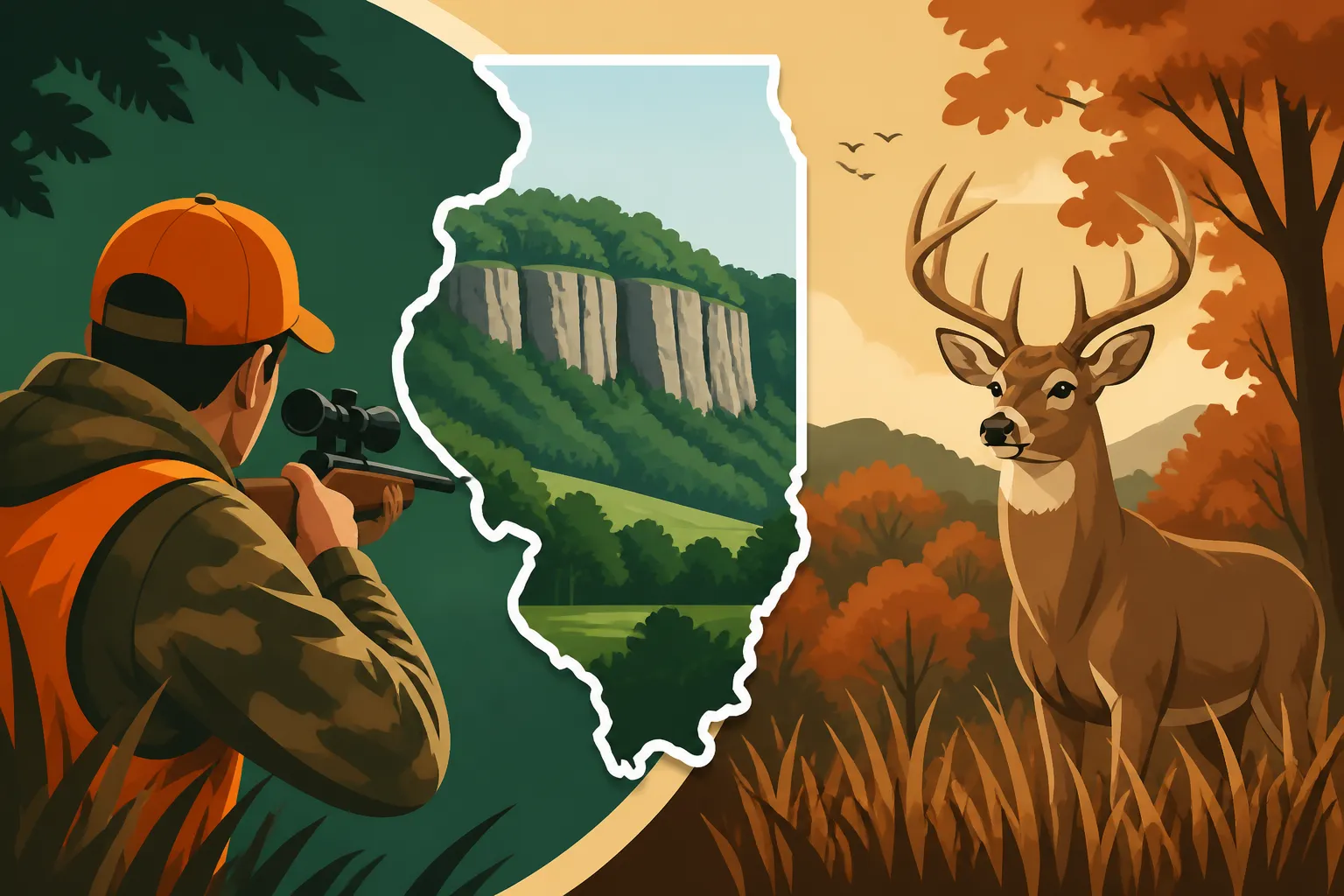
With just over 2,400 acres, Ferne Clyffe might seem small compared to the vastness of the nearby Shawnee National Forest Hunting. However, don't let its size fool you into thinking it's an easy walk in the park. The terrain within Ferne Clyffe is a classic example of the rugged Shawnee Hills region. You'll encounter steep, timbered bluffs, deep ravines carved by seasonal creeks, and rocky outcrops that make for challenging but rewarding scouting and hunting. This isn't flat farm ground hunting; it demands good boots, sturdy legs, and a solid understanding of how deer and turkeys use elevation and natural funnels. The topography alone can act as a natural filter, often pushing casual hunters towards easier access points and leaving the deeper, tougher pockets less pressured.
The park's unique geological features, including cliffs and rock shelters, create microclimates and bedding areas that can be highly attractive to wildlife. Hunters often overlook these smaller, steeper sections, opting for more accessible ridges or valley floors. However, a bit of extra effort to explore these less-trodden paths can reveal hidden pockets of activity. Think about how deer will naturally seek thermal cover on north-facing slopes during cold snaps, or how south-facing ledges might offer sun-warmed bedding areas on a brisk late-season morning. Understanding these subtle terrain nuances is key to patterning game in a place like Ferne Clyffe.
Habitat Diversity and Game Attraction
Despite its size, Ferne Clyffe boasts a surprising diversity of habitats that are highly attractive to various game species. You'll find mature hardwood forests dominated by oak and hickory, which are invaluable for acorn production, a primary food source for deer and turkeys. Interspersed within these timbered areas are thick understories, often consisting of brushy draws and cedar thickets that provide excellent bedding and security cover. There are also smaller pockets of successional growth, particularly in areas that have seen past timber management or natural disturbance, offering browse and dense cover for whitetails.
Water sources, though often seasonal, are plentiful in the form of creeks and seeps, further enhancing the park's appeal to wildlife. The presence of varied food, water, and cover ensures that Ferne Clyffe supports a healthy population of game. For instance, turkey hunters will find birds roosting in the tallest hardwoods along the ridge tops, while deer often traverse the benches and saddles between these ridges, seeking out acorns or heading to bedding areas. Hunting the Shawnee Hills Region often means adapting to these mixed timber and topography environments, and Ferne Clyffe is a perfect microcosm of that challenge and opportunity.
Permit Requirements and Application Process for Ferne Clyffe
Before you even think about setting foot in Ferne Clyffe with your hunting gear, you need to understand the specific permits and application processes required. Unlike some wide-open public lands, most Illinois State Parks, including Ferne Clyffe, operate under special site-specific regulations. Skipping this crucial step can quickly turn a hopeful hunt into a disappointing trip.
Navigating Site-Specific Permits
Ferne Clyffe State Park falls under the Illinois Department of Natural Resources (IDNR) site-specific permit system. This means that in addition to your general Illinois Hunting Licenses and What They Cost and species-specific permits (like deer or turkey tags), you will need to apply for and obtain a specific permit for Ferne Clyffe itself. These permits are typically issued through a lottery system, meaning you'll need to apply during a designated window, often well in advance of the season. It’s not a first-come, first-served situation in most cases, which means planning is paramount.
The IDNR website is your go-to resource for these application dates and specific rules. It's easy to get caught off guard if you just assume your general statewide permit is enough. Many hunters, especially non-residents or those new to hunting Illinois, overlook this detail, only to arrive at their destination and find they can't legally hunt. Always check the current year's hunting fact sheet for Ferne Clyffe State Park, which details permitted species, specific season dates (which can differ from statewide seasons), legal weapons, and how to apply for the site permit. Pay close attention to any drawing periods, as missing these deadlines will mean missing out on the opportunity altogether.
General License and Stamp Requirements
Beyond the Ferne Clyffe site permit, you'll need to ensure all your general Illinois hunting prerequisites are met. This includes your annual Illinois hunting license, which is a foundational requirement for anyone planning to hunt in the state. Additionally, don't forget the Illinois State Habitat Stamp; this stamp is mandatory for most hunting activities and contributes to vital habitat conservation efforts across the state. Migratory bird hunters will also need the Federal Duck Stamp and HIP (Harvest Information Program) certification, even if Ferne Clyffe isn't a primary waterfowl destination.
For deer and turkey, you'll need the appropriate statewide permits or specific county permits, depending on the season and your residency. For instance, if you're planning to chase whitetails, you'll need an Illinois deer permit, which for Johnson County (where Ferne Clyffe is located) would be a firearm or archery permit that allows hunting in that specific county. Illinois Deer Season Structure Explained outlines the various statewide seasons and permit types, but remember that Ferne Clyffe's site-specific rules may further refine when and how those permits can be utilized within the park boundaries. Always double-check that your general permits align with the specific opportunities available at Ferne Clyffe.
Key Species and Seasonal Opportunities at Ferne Clyffe
Ferne Clyffe State Park is a fantastic destination for hunters primarily interested in deer and turkey. While other small game might be present, the park's management and typical hunting pressure tend to focus on these two flagship species. Knowing what to expect for each, and when, will help you plan a successful outing.
Deer Hunting Specifics
Deer hunting at Ferne Clyffe can be a truly rewarding experience, offering both archery and firearm opportunities, though specific dates and weapon types are strictly regulated by the park's site permit. The rolling hills, thick timber, and natural funnels create excellent habitat for whitetails. Archery season, which often coincides with When Illinois's Archery Season Opens, provides a long window for patient hunters to scout and set up on travel corridors or food sources. Utilizing digital mapping tools like onX Hunt can be incredibly helpful here, allowing you to mark potential bedding areas on steep slopes, identify natural pinch points between ridges, and scout entry and exit routes without disturbing the deer.
During firearm seasons, the park typically implements specific quota hunts to manage pressure and harvest. This means even with a Johnson County firearm deer permit, you'll likely need to draw a Ferne Clyffe-specific permit. This controlled access can be a double-edged sword: it limits the number of hunters, which often leads to higher quality hunts, but also makes drawing a permit more competitive. When you do get a spot, focus your efforts on the transition zones – the edges where thick cover meets more open timber, or saddles that connect different ridges. Remember, deer will often seek the path of least resistance when moving between bedding and feeding, and these subtle terrain features are prime ambush spots. Don't be afraid to Hunting the Late-Season December Lull in Ferne Clyffe, as deer will be heavily focused on remaining food sources like white oak acorns or browse in sheltered areas.
Turkey Hunting Specifics
Spring turkey hunting at Ferne Clyffe offers a classic southern Illinois experience. The park's abundant mature timber provides ideal roosting habitat, and the undulating terrain creates fantastic opportunities for calling and strategic setups. Like deer hunting, turkey hunting here is subject to site-specific permits and seasons, which generally align with the Illinois South Zone Turkey Periods due to its location. Hunters will need to apply through the IDNR lottery for a Ferne Clyffe spring turkey permit.
Once you've secured your permit, scouting is paramount. Look for areas with a mix of mature timber for roosting and more open areas or benches where birds might pitch down and strut. Listening for gobblers from various points before season can help you pinpoint general roosting locations. Early mornings are key, trying to get into position before birds fly down. Be prepared for aggressive calling tactics but also know when to go quiet, especially if birds are henned up. Calling an Illinois Gobbler Off the Roost requires patience and strategic positioning, often using the terrain to your advantage to get close without being seen. Consider setting up against a large oak or similar natural blind near potential strut zones, and always be aware of your surroundings, as Ferne Clyffe's smaller size means other hunters might be in the area.
Small Game and Furbearer Potential
While deer and turkey are the main draws, Ferne Clyffe can also offer some limited opportunities for small game and furbearers, often aligning with statewide Illinois Small Game Season Rules. Squirrel hunting is a natural fit for the park's oak and hickory forests, especially in the early fall when nuts are dropping. Rabbit hunting can be productive in brushy field edges or dense thickets found along creek bottoms, though consistent populations can vary.
Furbearers like coyotes might also be present, offering additional hunting opportunities under specific regulations. Remember that small game and furbearer hunting at state parks often has different rules regarding weapons, hunting hours, and specific closed areas, so always check the Ferne Clyffe hunting fact sheet. While less common, these pursuits can be a great way to extend your time in the woods or introduce new hunters to the sport in a less pressured environment than deer or turkey seasons.
Navigating Ferne Clyffe: Maps, Tools, and On-the-Ground Strategy
Successfully hunting Ferne Clyffe State Park, especially given its varied terrain and smaller footprint, requires excellent navigation skills and a strategic approach. Modern mapping tools combined with traditional scouting methods will be your best allies.
Utilizing Digital Mapping Tools
In today's hunting world, digital mapping applications are indispensable, and onX Hunt is a prime example of a tool that can transform your Ferne Clyffe experience. Before you even leave home, you can dive deep into the park's topography, identifying property boundaries (crucial for ensuring you stay on public land), marked trails (which can indicate access points or areas of higher human traffic), and contours that reveal subtle terrain features. You can drop pins on potential ambush sites, mark suspected bedding areas on steep, secluded slopes, or identify water sources. Finding an Illinois Public Land Map is easier than ever with these apps.
The ability to download offline maps is particularly vital for areas like Ferne Clyffe, where cell service might be spotty in the deeper ravines or remote timber blocks. Imagine being deep in a creek bottom, trying to orient yourself, and having your GPS signal drop. With offline maps from onX Hunt or similar platforms, you maintain your precise location, allowing you to confidently navigate back to your vehicle or to a pre-scouted stand location. For a park like Ferne Clyffe, with its numerous small draws and ridges, understanding the nuances of terrain before you arrive can save countless hours of wandering and ensure you're hunting smarter, not just harder.
Traditional Scouting and Reading Sign
While digital maps provide an invaluable aerial view, nothing replaces boots-on-the-ground scouting. Especially in a place like Ferne Clyffe, where subtle changes in elevation, tree species, or ground cover can make all the difference, firsthand observation is critical. Before season, spend time walking the boundaries and interior, looking for fresh deer tracks, rub lines, and scrape activity. Focus on saddles, bench cuts, and creek crossings – these are often natural travel corridors. During the spring, listen for gobblers at dawn to pinpoint roosting locations, and look for scratch marks in leaves where turkeys have been feeding.
Pay attention to natural funnels, like narrow strips of timber between open areas or sharp turns in a creek bed, which can concentrate game movement. Wind and thermals are incredibly important, especially in hilly country. Wind and Thermals on a Southern Illinois Ridge can dictate how deer approach a bedding area or how turkeys might pitch off a roost. Understanding how air currents move through the ravines and over the ridges will inform your stand placement and approach routes. Even during the season, a mid-day walk can reveal fresh sign or areas that are seeing unexpected pressure, allowing you to adapt your strategy for the next hunt. Combine your digital insights with real-world observation for the most effective approach.
Rules, Regulations, and Ethical Considerations for Hunting Ferne Clyffe
Hunting on any public land comes with a stringent set of rules and ethical guidelines, and Ferne Clyffe State Park is no exception. Adhering to these regulations ensures a safe, legal, and respectful experience for all users of the park, and helps preserve hunting opportunities for future generations.
Weapon Restrictions and Blaze Orange Requirements
Ferne Clyffe, like other Illinois State Parks, has specific rules regarding the types of weapons allowed for hunting. While statewide seasons might permit certain firearms, always check the park's specific fact sheet. For deer hunting, for example, it's common for state parks to restrict weapons to shotguns with slugs, muzzleloaders, or straight-wall cartridge rifles, and archery equipment. This often aims to ensure safety in a potentially smaller, multi-use area. Be sure your chosen weapon for the season aligns with Ferne Clyffe's specific regulations. For turkey hunting, shotguns and archery equipment are typically standard.
Blaze orange requirements are also non-negotiable, particularly during firearm deer seasons. Illinois law specifies how much blaze orange must be worn, usually a minimum amount visible from all directions. Even during archery season, many prudent hunters opt for a blaze orange hat or vest when walking in and out of their stand, especially on days when other hunters might be present. This is not just about legality; it's about safety. In a state park where hikers, birdwatchers, and other recreational users might be present, making yourself highly visible is paramount. Understanding How Much Blaze Orange Illinois Requires is your first step towards a safe hunt.
Public Land Etiquette and Treestand Rules
Hunting public land is a privilege, and proper etiquette is essential to maintain that privilege. This includes respecting other hunters, leaving no trace, and being mindful of non-hunting park users. When you encounter another hunter, a friendly nod or brief greeting is usually sufficient; avoid trying to claim territory or disrupting their hunt. Pack out everything you pack in, and perhaps even a little extra trash you find. Respecting other users means understanding that the park is for everyone, not just hunters.
Ferne Clyffe will have explicit rules regarding treestands and ground blinds. Typically, on Illinois public lands, treestands must be clearly marked with your IDNR customer number or name, and often cannot be left overnight outside of specific seasons or without special permission. Treestand Rules on Illinois Public Land generally prohibit damaging trees, which means no screw-in steps or permanent stands. Portable stands are the norm, and they must be removed by a certain date after the season closes. If you plan to use a ground blind, ensure it meets the park's requirements, which might include specific colors or the need to be removed daily. Using a Ground Blind on Illinois Public Land can be a great tactic, but always know the site's rules beforehand to avoid citations and to be a responsible hunter.
Planning Your Ferne Clyffe Hunting Trip
Embarking on a hunting trip to Ferne Clyffe State Park requires careful thought and preparation. From understanding permit odds to packing the right gear and knowing how to conduct yourself, a well-planned trip maximizes your chances of success and minimizes potential headaches.
Understanding Permit Odds and Application Strategy
The reality of hunting popular public land, even a smaller state park like Ferne Clyffe, is that permits can be competitive. While not as intense as some of the state's premier destinations, the limited number of permits for Ferne Clyffe means you need a strategic approach to your application. Don't assume you'll get a permit on your first try. Check the IDNR website for past year's draw statistics if available, as this can give you a rough idea of your odds.
If Ferne Clyffe is your top choice, apply during the earliest possible application period. If you're unsuccessful, consider applying again during subsequent rounds if they are offered, or exploring other nearby public land options. For instance, you might want to look into other opportunities in the Hunting the Shawnee Hills Region if Ferne Clyffe permits are particularly hard to come by. Having a backup plan or a list of secondary sites can prevent disappointment. Some hunters even pool resources or apply with a group to increase their chances, though always ensure you understand the group application rules, as they vary.
Essential Gear and Pack List for Ferne Clyffe
Given Ferne Clyffe's rugged terrain, your gear selection needs to be on point. Forget the casual stroll; this is a place where quality footwear, appropriate layers, and essential navigation tools are critical.
Here’s a breakdown of what you’ll likely need:
| Category | Essential Items | Why It's Important |
|---|---|---|
| Clothing | Layered hunting clothing (moisture-wicking, insulating, waterproof outer) | Adapts to changing Illinois weather; crucial for comfort and safety in varying temperatures and precipitation. |
| Blaze orange vest/hat (seasonal) | Legal requirement during firearm seasons; highly recommended for safety when walking during other seasons. | |
| Durable, waterproof hiking/hunting boots | Essential for steep, rocky, and potentially wet terrain; prevents injury and ensures comfort. | |
| Navigation | GPS device or smartphone with onX Hunt / GoHunt (offline maps downloaded) |
Crucial for staying oriented, marking locations, and avoiding trespass in an area with varied terrain and boundaries. |
| Compass and paper map (backup) | Critical backup in case electronic devices fail; knowing how to use them is a must. | |
| Hunting Gear | Weapon (rifle, shotgun, muzzleloader, bow – as per permit) | The primary tool for your hunt; ensure it's legal for the site and season. |
| Ammunition/arrows | Enough for the hunt, plus a few extras for practice or unexpected situations. | |
| Treestand/ground blind (if allowed and applicable) | For elevated or concealed hunting; must meet park regulations. | |
| Safety harness (for treestands) | Non-negotiable safety item for elevated hunting. | |
| Optics (binoculars, rangefinder) | For spotting game, evaluating trophy potential, and precise shot placement. | |
| Calls (deer calls, turkey calls – as per species) | To attract game; specific calls for specific species. | |
| Essentials | Backpack (comfortable, sufficient capacity) | To carry all your gear, food, water, and harvested game if applicable. |
| Water bottle/hydration pack | Staying hydrated is crucial, especially when traversing rugged terrain. | |
| Snacks/food | Energy for long days in the field. | |
| First-aid kit | For minor injuries; essentials like bandages, antiseptic wipes, pain relievers. | |
| Knife/multi-tool | For field dressing, general utility. | |
| Headlamp/flashlight with extra batteries | For navigating in low light conditions, especially important for early morning or late evening hunts. | |
| Game bags/rope (for packing out harvested game) | For efficient and clean game retrieval, particularly helpful in rough terrain. |
Post-Harvest Procedures and Reporting
Should you be successful in harvesting a deer or turkey at Ferne Clyffe, you are still bound by state regulations regarding reporting and tagging. For deer, The Illinois Deer Reporting Deadline is typically by 10 PM on the day of harvest, and this can usually be done online or via the IDNR app. Turkeys also have specific reporting requirements. Make sure you understand how to properly tag your animal immediately after harvest, as per Illinois law, before moving it.
Given Ferne Clyffe's location in southern Illinois, you should also be mindful of potential Chronic Wasting Disease (CWD) counties, though Johnson County is not typically considered a high-prevalence CWD area. Still, it's always wise to check the latest IDNR guidance on CWD testing and carcass movement, especially if you plan to travel through or near CWD-affected counties. Being prepared for these post-harvest steps ensures you complete your hunt ethically and legally.
Disclaimer
This article is for general informational purposes only and does not constitute professional advice. Laws, prices and regulations vary by location and change over time. Consult a qualified professional for guidance on your specific situation.