Hunting Shawnee’s Two Hundred Lakes for Waterfowl
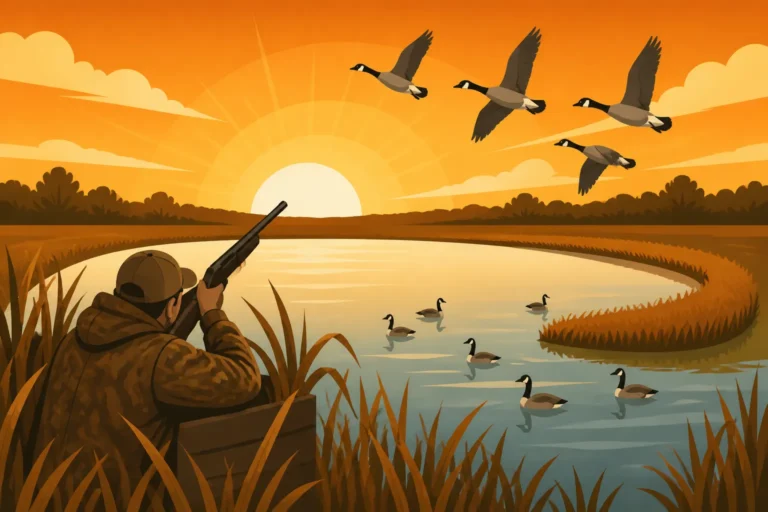
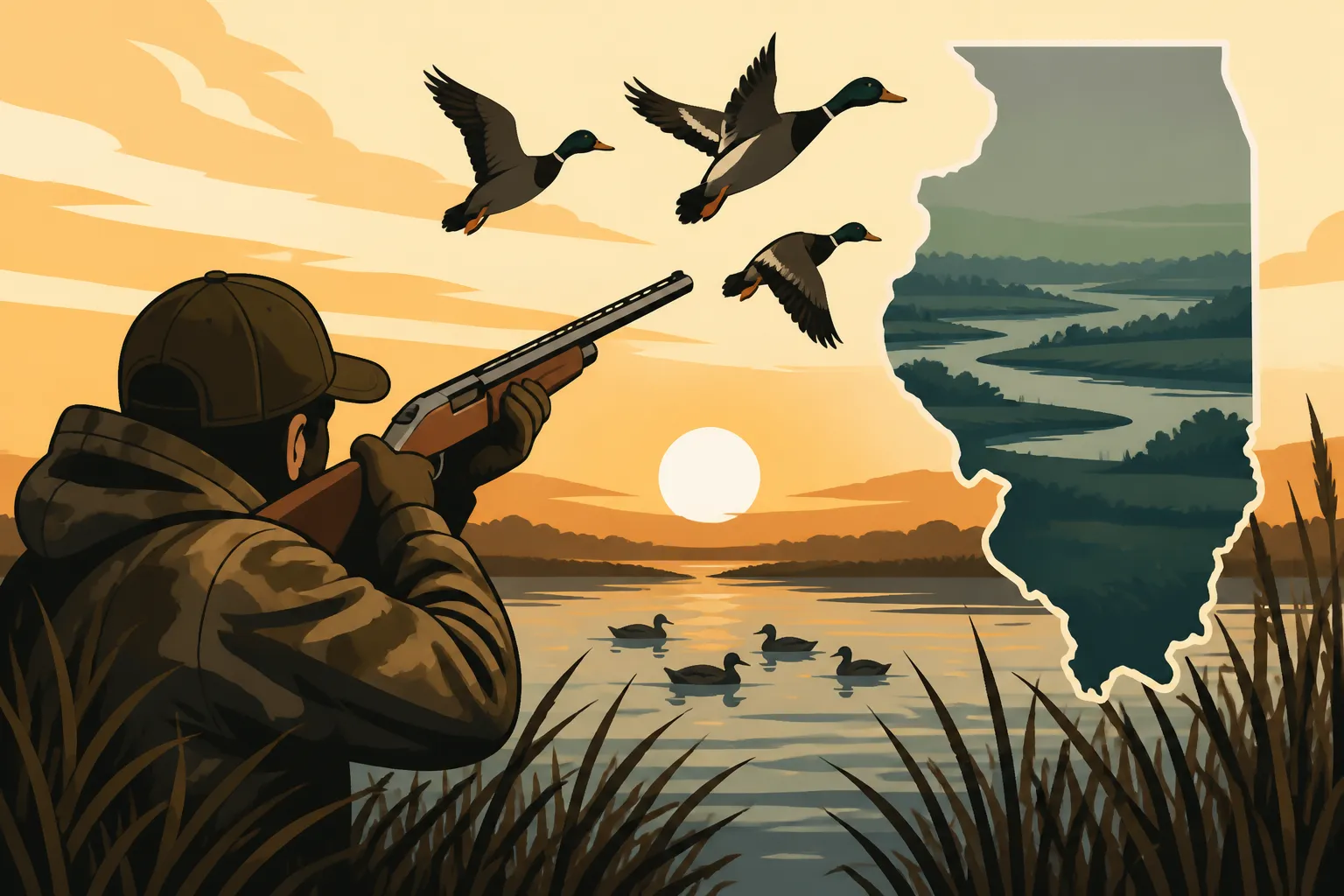
There's nothing quite like the crisp autumn air on a quiet lake, the sound of wingbeats overhead, and the promise of a successful hunt. But let's be honest, trying to figure out where to even start with waterfowl hunting on the vast, sprawling public lands of Shawnee National Forest can feel utterly overwhelming. With literally hundreds of lakes, ponds, and sloughs scattered across southern Illinois, knowing which ones hold birds and how to legally access them is the real challenge. This guide is here to demystify hunting Shawnee's incredible network of water bodies, helping you navigate the opportunities and put more ducks and geese in your strap.
Understanding Shawnee's Diverse Waterfowl Potential
Shawnee National Forest, encompassing nearly 300,000 acres, isn't just about timber and ridge tops. It's also home to a staggering number of small to medium-sized lakes, ponds, and sloughs, many of which provide crucial habitat for migratory waterfowl. These waters, often overlooked by deer hunters, can offer fantastic and less-pressured opportunities for duck and goose hunters willing to put in a little extra scouting and effort.
The Diverse Water Bodies of Shawnee
When we talk about "Shawnee's two hundred lakes," it's not just big, named reservoirs. The number actually includes a vast array of water features, each with its own character and potential. You'll find everything from larger, developed lakes with boat ramps to remote, tucked-away beaver ponds and seasonal sloughs that fill during wetter periods.
The larger lakes, like those found within developed recreation areas, often have more readily accessible boat launches and parking, but they also tend to see more hunting pressure, especially on opening days. Think about lakes like Lake Glendale, Kinkaid Lake (partially within the forest boundary), or the various smaller impoundments near campgrounds. These areas might attract a mix of divers and dabblers, depending on food sources and water depth. Then you have the hidden gems: countless small, unnamed ponds and sloughs that require a good hike or a more rugged vehicle to reach. These are often shallow, choked with emergent vegetation, and perfect for dabbling ducks like mallards, wood ducks, and teal. The trick is finding them and knowing how to get in without disturbing the entire area. Understanding that diversity is key to developing a successful strategy; a one-size-fits-all approach just won't cut it here.
Species You'll Encounter
Southern Illinois sits right in the heart of the Mississippi Flyway, a major migratory route for millions of waterfowl. This means the variety of ducks and geese passing through, and potentially stopping on Shawnee's waters, can be incredible.
You'll primarily be targeting dabbling ducks such as mallards, wood ducks, green-winged teal, blue-winged teal, pintails, and gadwalls. These birds prefer shallower waters where they can tip up to feed on submerged vegetation and invertebrates. Wood ducks are especially fond of the timbered sloughs and beaver ponds found throughout the forest, often nesting in tree cavities along the edges. As the season progresses and colder weather pushes more birds south, you might also encounter diving ducks like ring-necks, scaup, and buffleheads on the larger, deeper lakes. These divers will concentrate on open water and feast on mussels and other aquatic organisms. Canada geese are also common, particularly on the larger lakes or any water body near agricultural fields. You might even catch a glimpse of specklebellies or snow geese flying overhead, though they're less likely to commit to the smaller, forested lakes. Knowing what species you're likely to encounter will help you tailor your decoy spread and calling techniques. The sheer volume of different birds that utilize these waters is why Illinois Waterfowl Migration Timing is such a critical factor in your planning.
Navigating Access and Regulations
Hunting public land is a privilege, and doing it right means respecting the rules and understanding how to get where you need to go. Shawnee National Forest operates under specific federal and state regulations, and failure to comply can quickly ruin a hunt.
Public Access Points and Boat Ramps
One of the biggest hurdles for hunters new to Shawnee's lakes is simply finding legal access. While some of the larger lakes have established boat ramps and designated parking, many of the smaller ponds and sloughs require a bit more legwork and a good mapping app.
For the larger, named lakes, look for Forest Service signs indicating boat launches or day-use areas. These will typically have gravel or paved ramps suitable for trailer boats, but be prepared for limited parking during peak season. Always double-check regulations for specific lake access, as some areas might have restrictions on motor size or even require non-motorized access only. For the countless smaller, unnamed water bodies, you'll often be parking along forest roads or designated pulloffs and hiking in. This is where tools like onX Hunt become absolutely invaluable. You can overlay public land boundaries, identify unmarked trails, and even pinpoint potential access routes through timber or thick brush. Before you head out, make sure to consult the official Shawnee National Forest website or call their local office for any closures or specific access rules. Remember, many forest roads are not maintained year-round, so a high-clearance vehicle can be a huge asset.
Specific Regulations for Shawnee Waterfowl Hunting
Hunting within Shawnee National Forest means adhering to both Illinois Department of Natural Resources (IDNR) regulations and specific Forest Service rules. This can sometimes feel like a layered cake of permits and restrictions, but it’s crucial for responsible hunting.
First and foremost, you'll need all the standard Illinois hunting licenses and stamps: a valid hunting license, an Illinois Habitat Stamp, and a Federal Migratory Bird Hunting and Conservation Stamp (often called a "duck stamp"). You'll also need to be HIP (Harvest Information Program) registered. Ensure you are familiar with Illinois Duck and Goose Bag Limits for the current season, as these can vary by species and change annually. Beyond general state regulations, the Forest Service might have specific rules for certain areas. For instance, some lakes might have restrictions on permanent blinds, requiring all blinds to be temporary and removed daily. Others might limit boat motor size or restrict the use of lead shot, though lead shot is generally prohibited for all waterfowl hunting in the U.S. Always check the site-specific regulations for the particular lake or area you intend to hunt. Information on these specific rules can often be found on kiosks at access points, on the Shawnee National Forest website, or by contacting the local IDNR office. Understanding Illinois Waterfowl Zones and Seasons is also vital, as opening and closing dates can differ across the state, and Shawnee falls within specific zones.
Essential Gear and Tactics for Lake Hunting
Unlike river hunting, where currents and shifting sandbars dictate strategy, lake hunting often comes down to understanding wind, current (or lack thereof), and the birds' preferred feeding and resting areas. Your gear and how you deploy it will make a huge difference.
Decoy Spreads and Blind Considerations
Successful waterfowl hunting on Shawnee's lakes largely hinges on effective decoy placement and a well-concealed blind. Ducks and geese are incredibly wary, especially on public land where they see consistent pressure.
For dabblers on smaller, timber-lined ponds, a spread of 6-12 mallard and wood duck decoys, often mixed with a few teal, is usually sufficient. Focus on creating a landing zone upwind of your blind, leaving an open "hole" for birds to commit to. Motion decoys, like spinning wing decoys or jerk strings, can be incredibly effective at grabbing attention, especially on calm mornings. When hunting larger, open lakes, you might need a bigger spread, perhaps 18-36 decoys, incorporating a few diver decoys if those species are present. A key tactic is to always set your decoys so that incoming birds are landing directly into the wind, presenting a good shot opportunity. As for blinds, natural cover is always king. Utilize cattails, fallen timber, or brush along the shoreline. If natural cover is sparse, a portable layout blind or an A-frame blind brushed in with local vegetation can work wonders. Remember, the goal is to blend in completely with your surroundings. Overlooking your concealment is one of the quickest ways to spook birds.
Kayaks, Canoes, and Jon Boats
Given the varied nature of Shawnee's lakes, your choice of watercraft is crucial. While larger boats are fine for accessible reservoirs, smaller, more maneuverable options often open up more opportunities.
For reaching those hidden beaver ponds and shallow sloughs, a kayak or canoe is often your best friend. Their light weight makes portaging short distances possible, and their shallow draft allows you to navigate skinny water that larger boats can't touch. They also allow for stealthy approaches, crucial in areas where birds are easily spooked. If you plan on hauling a larger spread of decoys or a dog, a small jon boat (10-14 feet) with a small outboard or even an electric trolling motor can be ideal for the medium-sized lakes. Just be mindful of motor restrictions on certain bodies of water. Always consider how you'll launch and retrieve your boat. If there's no formal ramp, you'll be hand-launching, so lightweight construction is a huge plus. Make sure your chosen craft is stable enough to safely transport your gear and dog, and always wear a life vest, especially in colder weather. Many of the best spots for Hunting Illinois River Bottom Funnels or similar terrain will require this kind of personal, low-profile watercraft.
Scouting and Adaptability on Large Water
Hunting large bodies of water like those found in Shawnee National Forest is a different beast than hunting a small farm pond. Birds have vast areas to choose from, and their patterns can change rapidly with weather, wind, and hunting pressure. Effective scouting and the ability to adapt your plans are paramount to success.
Reading Water and Wind
Waterfowl, especially ducks, are incredibly sensitive to wind and water conditions. They use the wind to land and take off, and they'll gravitate towards areas that offer protection or easy access to food.
On larger lakes, pay close attention to which sections are receiving the most wind, and which are sheltered. Ducks will often raft up in calm pockets during high winds or feed on wind-blown shorelines where food items might be concentrated. Incoming birds will almost always land into the wind, so understanding the prevailing wind direction on the morning of your hunt is critical for decoy placement and blind orientation. Flat, calm days can be tough, as birds might not move as much, and your decoys will lack natural motion. On these days, motion decoys become even more important. Water depth is also key. Dabblers prefer shallower areas, typically less than 18 inches, where they can feed. Divers will be in deeper sections. Use your boat's depth finder, or a simple stick, to scout potential feeding flats. Watching how birds are using the water on prior days or even from a distance on the morning of your hunt can provide invaluable clues.
Pre-Season Scouting with Technology
Gone are the days when you had to tramp every acre of public land to find a good spot. Modern technology, like mapping apps, can give you a massive head start.
Before the season even opens, spend time on aerial maps looking for key features. Identify small, isolated ponds and sloughs away from main roads and popular access points—these often hold less pressured birds. Look for areas with emergent vegetation (cattails, smartweed, lily pads) that provide food and cover. Note bottlenecks, points, and coves where ducks might congregate. Tools like onX Hunt or GoHunt allow you to drop pins, measure distances, and even see public vs. private land boundaries, preventing accidental trespass. You can even check satellite imagery from different seasons to see how water levels change throughout the year. For instance, a slough that looks dry in July might be a prime spot by October. Combine this digital scouting with a few physical trips to confirm access, check water levels, and look for actual bird sign like feathers, droppings, and feeding activity. Understanding Scouting Illinois Public Land Before Season is a huge advantage, and these digital tools are a game changer. The ability to identify potential access points and plan your routes without blindly walking for miles is a major time-saver.
| Waterfowl Species | Preferred Lake Features in Shawnee | Decoy Strategy (General) | Notes |
|---|---|---|---|
| Mallard | Shallow coves, timbered sloughs, emergent vegetation, near ag fields | 6-12 decoys, open landing zone, motion | Most common, respond well to calling. |
| Wood Duck | Timbered sloughs, beaver ponds, tight cover, backwaters | 4-6 decoys, often close to shore/timber | Early season favorite, quiet approach crucial. |
| Green-winged Teal | Very shallow water, mud flats, dense vegetation | 6-12 small decoys, active movement | Fast flyers, often come in small groups. |
| Ring-necked Duck | Larger, deeper lakes, open water | 12-24 diver decoys, set in a line/clump | Fast, low flyers, often respond to general calls. |
| Canada Goose | Large open lakes, near agricultural fields, short grass banks | 6-12 full-body/shell goose decoys, family groups | Very wary, need good concealment and calling. |
| Gadwall | Shallow to medium depth water, abundant submerged vegetation | 6-12 decoys, often mixed with mallards | Tend to be less vocal, respond to movement. |
Adapting to Changing Conditions
Waterfowl hunting, especially on public land, demands flexibility. What worked yesterday might not work today, and what's published in a guide might not reflect current conditions.
Weather fronts, hunting pressure, and changes in food availability will constantly shift bird patterns. A cold front might push new birds into the area, or it might make existing birds incredibly spooky. Heavy hunting pressure on one lake can push birds to quieter, less disturbed waters. Always have a backup plan (or two, or three!) in mind. If your primary spot is crowded or the birds aren't cooperating, be ready to pack up and try another lake you've scouted. This is where having those multiple "pins" dropped on your onX Hunt app comes in handy. Don't be afraid to experiment with your decoy spreads, calling techniques, or even your timing. Sometimes, just changing your entry route or waiting an extra hour can make all the difference. Remember, the birds aren't reading the same rulebook as you, and they certainly aren't sitting still. Flexibility is the key to consistent success on Shawnee's diverse waterways. When you find yourself adapting to shifts in bird behavior, remember lessons learned from Hunting the Mississippi River Backwaters – similar principles of adaptability apply when dealing with large, dynamic water systems.
Hunting Shawnee's two hundred lakes for waterfowl is a rewarding challenge that offers incredible opportunities for those willing to put in the effort. From the smallest, hidden beaver pond to the more expansive reservoirs, understanding the terrain, the species, and the regulations will set you up for success. Utilize modern scouting tools, learn to read the water and the wind, and always be prepared to adapt your strategy. With patience and persistence, you'll discover why these forgotten waters are truly a hidden gem for Illinois waterfowl hunters.
Disclaimer
This article is for general informational purposes only and does not constitute professional advice. Laws, prices and regulations vary by location and change over time. Consult a qualified professional for guidance on your specific situation.