How Much to Tip a Duck Guide and Retriever Handler
One of the trickiest parts of any guided hunting trip, especially when you've had a phenomenal day out on the water chasing ducks, is that sometimes awkward moment of figuring out what's appropriate for a tip. You’ve just experienced an incredible hunt, maybe limited out on mallards and wood ducks thanks to your guide’s hard work and their trusty retriever, and now it’s time to show your appreciation beyond the hunt fee. This guide is here to demystify the process, helping you understand the unspoken rules and best practices for tipping your duck guide and their invaluable retriever handler here in Illinois.
Understanding the "Why" Behind the Tip
Tipping in the outdoor industry, much like in the service industry, isn't just about charity; it's a fundamental acknowledgment of hard work, expertise, and dedication. These folks aren't just showing you to a blind; they're providing a comprehensive experience.
The Value of a Skilled Guide
Think about all the elements that go into a successful Illinois duck hunt. Your guide is typically up hours before dawn, often in frigid temperatures, running boats, setting out hundreds of decoys, brushing up blinds, and monitoring weather patterns and bird movements. They’ve likely spent countless hours scouting the backwaters of the Illinois River or the flooded timber of the Mississippi River bottoms to know where the birds are working that day. They have to understand the intricacies of Illinois Waterfowl Migration Timing and adjust their tactics on the fly. Their gear is expensive, from specialized boats and motors to top-tier waders and thousands of dollars in decoys, and they maintain all of it meticulously.
Beyond the physical labor, a good guide brings a wealth of knowledge and experience. They know how to read the wind, call birds effectively, adjust spreads, and keep hunters safe in challenging conditions. They’re problem-solvers, often fixing equipment failures or navigating unexpected weather changes with a calm demeanor. This isn't just a job for many; it's a lifestyle and a passion that they pour their heart into, all to ensure you have the best possible experience. When you book an experience, whether through a direct contact or a booking platform like BookYourHunt, you're investing in this comprehensive package of skill and service.
The Retriever's Unsung Heroics
And then there's the retriever – truly the unsung hero of many a duck hunt. These dogs are highly trained athletes, bred and conditioned for one purpose: to recover your downed birds. A dedicated retriever handler, whether it’s the guide themselves or a separate individual, puts in an astonishing amount of time and effort into training, conditioning, and caring for their dogs. This isn't just a few hours a week; it's a year-round commitment to obedience, marking, and retrieving drills, often in all kinds of weather.
A well-trained retriever can be the difference between a successful, ethical hunt and a frustrating, wasteful one. They can pluck a cripple out of heavy cover, navigate strong currents to retrieve a bird, or find a downed duck that human eyes might never locate. Their ability to quickly and efficiently recover birds minimizes losses and ensures that every shot duck makes it to the bag. Recognizing this specialized skill and the immense investment in time and money the handler puts into their dog is a key reason to tip generously. It's an appreciation for the dog's hard work and the handler's dedication, which directly contributes to the quality and ethical nature of your hunt, especially when hunting Diver Hunting on the Illinois River or in other challenging environments.
General Guidelines for Tipping Your Duck Guide and Handler
So, how do you translate that appreciation into a tangible tip without feeling like you’re guessing? While there's no strict rule, some common practices can help you determine an appropriate amount.
Standard Tipping Percentages
Many hunters use a percentage of the total hunt cost as a baseline for tipping. For a guided duck hunt, this often falls within a range. This range serves as a good starting point, but remember, it’s a baseline. The quality of the experience, the guide’s effort, and the dog’s performance should always be factored in. For instance, if you paid for a Illinois River Duck Guide Day Rates or a similar package, you might calculate a percentage based on that specific fee.
It's important to differentiate this from what might be expected for other types of hunts. A deer hunt, for example, might have slightly different expectations, which is why general guides about What an Illinois Deer Hunt Package Includes may not directly apply to waterfowl. If you're using an online booking service, sometimes they offer guidance, but platforms like GoHunt generally leave tipping to the hunter's discretion, encouraging you to evaluate your experience.
Considering Dollar Amounts Per Hunter
Sometimes, especially on hunts where the cost is bundled or less clear, it can feel more straightforward to think in terms of a per-person, per-day dollar amount. This method simplifies the math and can feel more appropriate when you're part of a larger group or when the hunt includes various elements. This approach can also be useful if you're on a budget or if the base cost of the hunt was particularly high.
For a dedicated retriever handler who isn't the primary guide, a separate, slightly smaller amount might be appropriate, or you might give the main guide an overall tip and instruct them to share it fairly with their dog handler. The key is clear communication if you're splitting it yourself, or trust in your guide to handle it if you're giving a single amount. Regardless of the method, having an idea of this dollar amount in mind can prevent any awkward fumbling at the end of a long day of Hunting Illinois River Valley Diving Ducks.
Factors Influencing Your Tip Amount
While percentages or per-person amounts give you a starting point, the actual tip should be a reflection of the overall experience. Several factors can, and should, influence whether you lean towards the higher or lower end of the tipping scale.
Guide Effort and Professionalism
Did your guide exceed expectations? Were they not only skilled in their craft but also personable, communicative, and genuinely invested in your success and enjoyment? Did they proactively move blinds when birds weren’t flying, adjust strategies when the weather changed, or perhaps go the extra mile to recover a bird in difficult terrain? Even on days when the birds weren't cooperating, a guide who maintains a positive attitude, works tirelessly, prioritizes safety, and offers valuable insights into Mallards and Geese on the Illinois River deserves a solid tip.
Conversely, if a guide was disengaged, seemed unprepared, or disregarded safety protocols, that would certainly impact your decision. Remember, a tip is a reward for service, not just for showing up. Consider if they adapted well, for instance, by offering options for Layout Blind Hunting Illinois Farm Fields if the river blinds were slow. Their professionalism, from their communication before the hunt to their demeanor during and after, significantly shapes your experience.
Retriever Performance and Care
The dog's performance is a huge component of a successful duck hunt, and it directly reflects on the handler's skill and dedication. A well-trained, disciplined retriever that makes quick, clean retrieves, handles difficult marks, and is calm in the blind adds immense value. If the dog was a joy to watch, effectively recovered all downed birds, and clearly had a strong bond with its handler, a generous portion of your tip, or a specific tip for the handler, is certainly warranted.
Think about the conditions – was the water cold, current strong, or cover thick? A dog performing flawlessly under pressure is a testament to extraordinary training. If the dog was unruly, missed retrieves, or created distractions, it might suggest less attention to detail from the handler, which could affect your tip. This isn't just about bagging birds; it's about the ethical recovery of game and the seamless flow of the hunt.
Amenities and Overall Experience
Sometimes, the outfitter or guide provides amenities that elevate the experience beyond just the hunting itself. Was the blind warm and comfortable? Were the decoys of high quality and well-maintained? Was the boat safe and reliable? Did they offer hot coffee, snacks, or even a hearty breakfast at the lodge? These "extras" contribute to the overall enjoyment and comfort of the trip. While these might be built into the What a Day of Guided Illinois Ducks Costs, exceptional hospitality and a high-quality setup can certainly sway your tip towards the higher end.
Consider how well all aspects of the trip were managed. Was the booking process smooth? Were expectations clearly set? If you found your guide through a service like GoHunt, perhaps the listing detailed specific amenities that were then perfectly delivered. The entire package, from the booking experience to the final handshake, contributes to your satisfaction and, ultimately, your decision on how much to tip.
Success vs. Effort
This is a critical distinction in the hunting world. It's easy to tie a tip directly to the number of birds you shot or the size of the deer you harvested, but this can be unfair to your guide. Hunting, by its very nature, is unpredictable. Weather patterns, migratory movements, and hunting pressure (especially on public ground in Illinois, as discussed in Opening Weekend Crowds on Illinois Public Land) are largely beyond a guide's control.
Instead of focusing solely on the "kill count," evaluate the guide's effort. Did they work hard to put you in the best possible position, even if the ducks weren't flying that day? Did they adapt, stay positive, and educate you on the local wildlife, like Illinois Duck Harvest Numbers? A guide who tries everything in their power to make the hunt successful and enjoyable, regardless of the final bag, deserves to be recognized for their dedication. A truly great guide ensures you have a memorable experience even when the hunting is slow, fostering a deeper appreciation for the outdoors.
The Practicalities of Tipping: When, How, and Who
Once you’ve decided on an amount, the next step is the actual exchange. Knowing the etiquette here can make the process smooth and respectful for everyone involved.
When to Hand Over the Tip
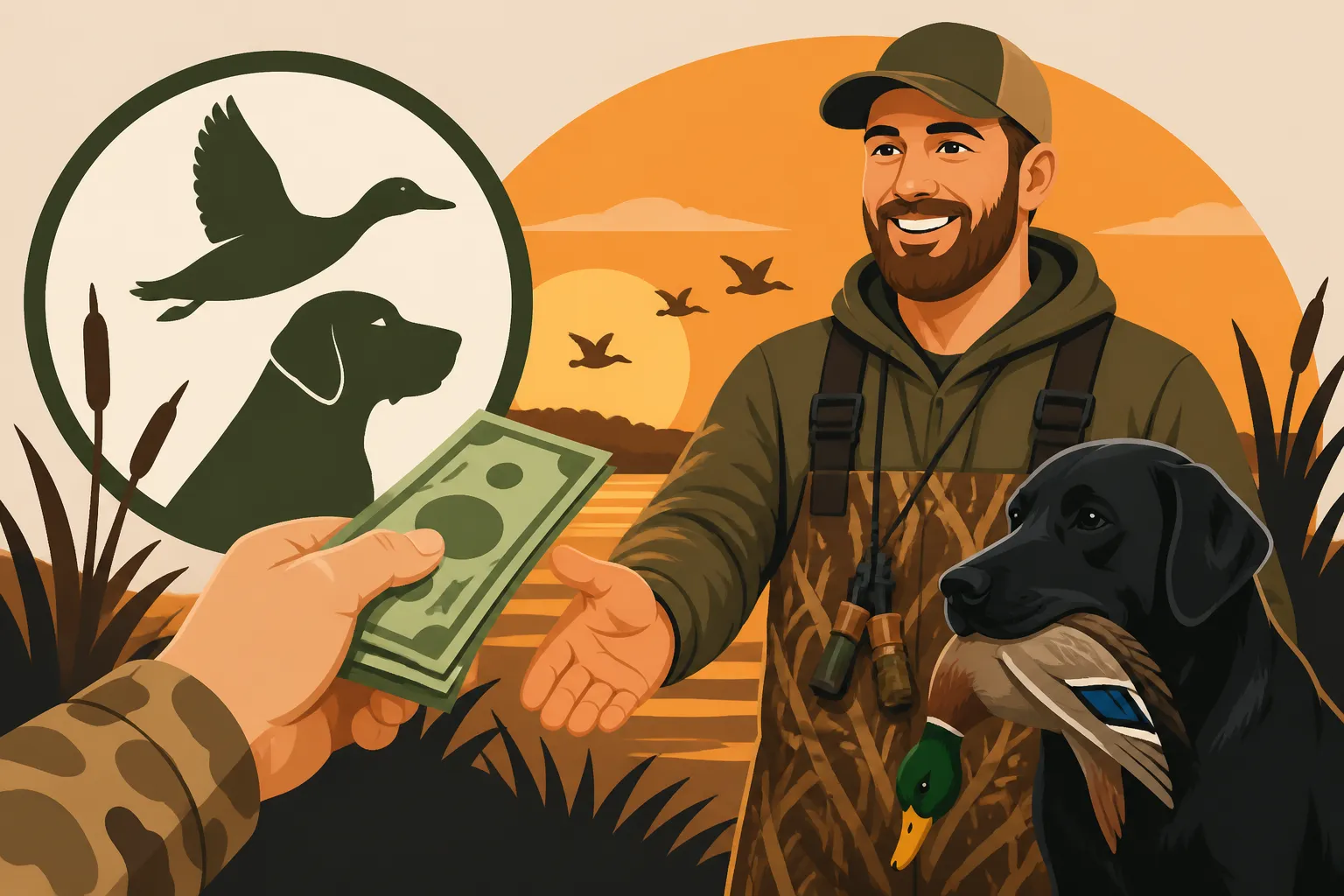
The most common and generally accepted time to give your guide and handler their tip is at the very end of the hunt. This usually occurs after all the gear is packed, the boat is loaded, and you're saying your final goodbyes. It's the natural conclusion to the service provided. If you're on a multi-day trip, it's customary to tip at the conclusion of the entire trip, rather than daily.
Try to make the exchange private, if possible. A quiet moment away from other hunters can feel more personal and less performative. A simple "Thank you for an incredible day/trip, I really appreciate all your hard work" accompanied by the handshake and the envelope or folded cash is usually all it takes.
Cash is King, But Other Options Exist
When it comes to tipping, cash is almost universally preferred. It’s immediate, doesn't involve any processing fees or delays, and ensures the guide and handler receive the full amount directly. Always plan ahead and bring enough cash with you, especially if you're hunting in more rural areas of Illinois where ATMs might be few and far between.
Some guides or outfitters might offer options for digital payments (like Venmo or PayPal), but it's always best to ask before the hunt if this is an acceptable method. Don't assume. If you're arranging your trip through a larger outfitter or a platform like BookYourHunt, they may have specific policies or suggestions regarding non-cash tips, so it's worth checking with them. However, always have a cash backup plan just in case.
Splitting the Tip for Guide and Handler
If your hunt involved a dedicated guide and a separate retriever handler, you have a couple of options for splitting the tip. You could present one lump sum to the head guide and ask them to share it with their assistant or dog handler. This is a common practice and often simplifies things.
Alternatively, if the retriever handler's performance was particularly outstanding or if you feel their contribution warrants a separate acknowledgment, you might prepare two separate tips: one for the guide and one for the handler. If you choose this route, ensure the amounts reflect your appreciation for each individual's role. Don't forget that their efforts combined are what make for a memorable hunt, whether you're bagging Illinois Duck and Goose Bag Limits or simply enjoying the experience.
Here’s a quick overview of how different factors might influence your tipping decision:
| Factor | Below Standard Tip (Not Recommended) | Standard Tip (Good Service) | Generous Tip (Exceptional Service) |
|---|---|---|---|
| Guide Effort & Skill | Minimal effort, poor communication, disengaged | Solid work, good communication, safe hunt | Went above and beyond, proactive, personalized |
| Retriever Performance | Unruly, missed retrieves, disruptive | Consistent retrieves, well-behaved, effective | Flawless, found tough birds, calm, enhanced hunt |
| Hospitality/Amenities | Basic, lack of comfort, unorganized | Adequate setup, comfortable enough, organized | Top-notch setup, thoughtful extras, welcoming |
| Safety & Professionalism | Ignored safety, unprofessional demeanor | Prioritized safety, professional and courteous | Meticulous safety, outstanding professionalism |
| Overall Experience | Frustrating, negative memories | Enjoyable, met expectations, good memories | Unforgettable, exceeded all expectations |
Remember, a tip is a token of appreciation for a job well done. By considering these factors and using the guidelines above, you can confidently and respectfully acknowledge the hard work that goes into providing a quality guided duck hunt here in Illinois.
Disclaimer
This article is for general informational purposes only and does not constitute professional advice. Laws, prices and regulations vary by location and change over time. Consult a qualified professional for guidance on your specific situation.