What License Fees a Guided Hunt Does Not Cover
It's incredibly exciting to plan a guided hunting trip in Illinois, especially when you're dreaming of big bucks or gobbling turkeys. However, many hunters, both seasoned and new, often overlook a crucial detail that can lead to unexpected costs: the distinction between what an outfitter's package covers and what you're personally responsible for. This guide will clarify exactly what license fees and permits you'll need to secure on your own, ensuring your Illinois hunting adventure is smooth sailing and free of budget surprises.
The Sticker Shock: Why Licenses Are Almost Always Separate
You've scrimped, you've saved, and you've finally booked that dream hunt with a reputable Illinois outfitter. You might assume that the significant chunk of change you just dropped covers everything you need to legally participate in the hunt. It's a common, understandable assumption, but unfortunately, it's almost always incorrect. The simple truth is that hunting licenses, tags, and stamps are legal requirements mandated by the state of Illinois, not a service provided by your outfitter. They are personal to you, the hunter, and are a fundamental part of responsible hunting that ensures you are legally permitted to pursue game.
State Regulations and Personal Responsibility
Think of it this way: your outfitter provides the land access, the scouting, the blinds, often the meals and lodging, and invaluable expertise. They set you up for success. But the state of Illinois requires you to hold the proper credentials to hunt within its borders. This system ensures that every hunter contributes to conservation efforts through license sales, which fund wildlife management, habitat restoration, and enforcement of hunting laws. It's a direct connection between your participation and the health of Illinois's wildlife populations. The outfitter can't buy your license for you any more than they can take your hunter education course for you. It's a personal legal obligation.
This responsibility extends to understanding the rules as well. Even with an experienced guide, it's always on you to know the regulations for the species you're hunting, the season dates, and the legal equipment. Your outfitter will certainly guide you, but the ultimate legal burden rests with the individual holding the weapon. It's a good practice to review the Illinois Department of Natural Resources (IDNR) regulations yourself, even if you're relying on a guide.
Different License Types You'll Need
When it comes to hunting in Illinois, it’s not just one blanket license; there are typically a few different components you’ll need, depending on what and how you plan to hunt. At the absolute minimum, nearly every hunter in Illinois will need a valid hunting license. Beyond that, the requirements quickly become species-specific. For instance, if you're chasing white-tailed deer, you'll need a deer permit. If you're going after turkeys, you'll need a turkey permit. It’s critical to identify all the species you intend to hunt with your outfitter so you can secure the correct permits in advance.
These permits often come with specific rules regarding zones, weapon types, and even application periods. Some permits, especially for highly sought-after deer hunting opportunities in certain counties, might even be part of a lottery system for non-residents, requiring applications months in advance. This is why clear communication with your outfitter about their specific hunt package and the species involved is paramount. They can advise you on what permits are necessary, but remember, the application and purchase are still your job. For a deep dive into the overall structure, check out Illinois Deer Season Structure Explained.
Beyond the Base License: Hidden Costs and Required Stamps
While the base hunting license and species-specific permits are the big-ticket items you’ll be responsible for, there are several other, often smaller, stamps and certifications that accumulate. Ignoring these can lead to fines, so it’s crucial to understand them all. These aren't typically "hidden" in the sense of being secret, but rather easily overlooked details when you're focused on the larger picture of your guided hunt.
Habitat Stamps and Federal Requirements
Every hunter in Illinois, regardless of residency or species hunted, will need to purchase an Illinois State Habitat Stamp. This stamp is an additional fee that goes directly towards vital habitat restoration and preservation projects across the state, benefiting countless wildlife species. It's an indispensable part of Illinois's conservation funding and is required by law. Many hunters simply add this to their cart when purchasing their base hunting license, but it’s a separate line item you'll see. Understanding why these stamps are required can provide a good perspective on conservation; learn more at The Illinois State Habitat Stamp.
If your guided hunt involves migratory birds, such as ducks or geese, the requirements multiply further. Not only will you need an Illinois Migratory Waterfowl Stamp, but you'll also be federally mandated to purchase a Federal Duck Stamp. This federal stamp is required of all waterfowl hunters aged 16 or older across the United States. Additionally, you'll need to register with the Harvest Information Program (HIP) for migratory birds. This is usually a free, quick registration process when you buy your state license, but it's another step you can't skip. Don't forget to get your Illinois Federal Duck Stamp Requirement sorted, along with Illinois HIP Certification for Bird Hunters.
Specific Species Permits and Lottery Tags
Depending on the game you're after, you'll encounter specific permits. For deer, you'll need a deer permit, often specifying antlered or antlerless and a particular county or hunting zone. For non-residents especially, these can be limited and are frequently distributed through a lottery system for the firearm seasons. You might apply for multiple options like an Archery Deer Permit and a Firearm Deer Permit.
Turkey hunting also requires specific permits. Illinois splits its spring turkey season into multiple periods and zones, and you'll need a permit for the specific period and zone you plan to hunt. Unlike deer, fall turkey permits often don't involve a lottery system for residents, but it's still a separate purchase. Understanding these nuances is crucial for both residents and non-residents. Make sure you've clarified these details with your outfitter well in advance of your trip. The permit structure can be complex, so don't hesitate to ask questions.
Here’s a simplified breakdown of typical inclusions and exclusions for guided hunts in Illinois:
| Category | Often Included by Outfitter | Almost Always Not Included by Outfitter |
|---|---|---|
| Hunting Access | Private land lease fees, public land permits (if applicable) | State Hunting License, Habitat Stamp |
| Species Tags | Deer Permits (Antlered/Antlerless) | |
| Turkey Permits (Spring/Fall) | ||
| Waterfowl Stamps (State & Federal) | ||
| Migratory Bird Certifications (HIP) | ||
| Accommodation | Lodge stays, meals (often for multi-day) | Personal travel to lodge/meeting point |
| Equipment | Blinds, stands, decoys, calls | Your personal firearm/bow, ammunition |
| Services | Guides, field dressing, game recovery | Meat processing, taxidermy |
| Gratuities (tips for guides/staff) | ||
| Coolers, ice for game transport |
Practical Tips for Budgeting Your Guided Illinois Hunt
Budgeting for a guided hunt goes far beyond just the outfitter's fee. It's about being prepared for every expense so you can fully enjoy the experience without financial stress. Taking the time to plan carefully ensures no unpleasant surprises crop up during your highly anticipated trip.
Researching Costs Before You Book
Before you even make that initial deposit, make it a priority to research the current license and permit costs on the official Illinois Department of Natural Resources (IDNR) website. This is your definitive source for accurate pricing. Pay close attention to whether you're looking at resident or non-resident fees, as there can be a substantial difference. Non-resident fees are typically significantly higher, reflecting the state's management of hunting pressure and resources. For example, Illinois Nonresident Deer Permit Costs will be different from Illinois Resident Deer Permit Options.
When you're comparing outfitters, look for those that are very clear about what their package does not include. Some will explicitly state "Licenses and permits not included" right on their booking page. Websites and platforms like BookYourHunt are excellent resources for comparing different outfitter packages side-by-side, often detailing what's covered. When reviewing listings on these sites, really dig into the specifics of each offering. Don't just skim past the "exclusions" section; it's where the real budget details lie.
Outfitter Transparency and Your Role
A good outfitter will be upfront about the costs of licenses and permits. They might even provide direct links to the IDNR website or offer advice on the best way to purchase what you need. When you speak with them, don't be shy about asking direct questions like, "What exactly do I need to purchase on my own for this hunt?" and "Can you confirm the specific permits required for [species] in [county/zone]?" This helps clarify any ambiguities and ensures you're both on the same page.
While outfitters are a wealth of knowledge, remember that ultimately, it's your responsibility to purchase and carry the correct legal documentation. Consider using hunting planning tools or apps that help organize your permits, like some features you might find through a GoHunt membership, which can assist in keeping track of application deadlines and license requirements. It also helps to carry digital copies on your phone and physical printouts, just in case you lose service in the field.
Other Out-of-Pocket Expenses
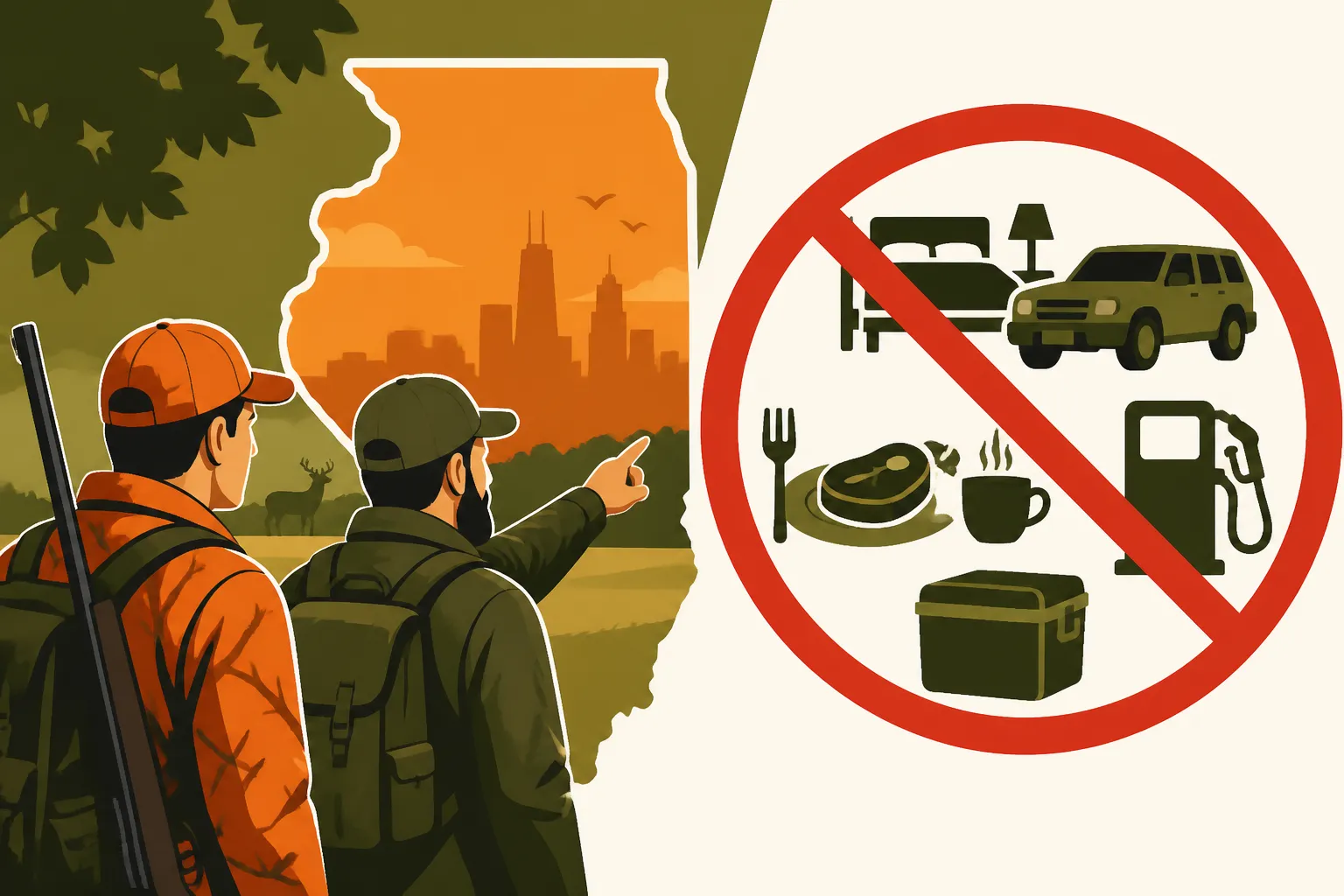
Beyond licenses and permits, there are other out-of-pocket costs that commonly arise on a guided hunt. Travel expenses are a big one – gas, flights, car rental, and potentially overnight stays before or after your guided portion if you're traveling a long distance. Don't forget about tipping your guides and any lodge staff; this is customary and expected in the service industry, and it's a significant part of their income. A general guideline is to budget a certain percentage of your hunt cost for tips, but this can vary.
Then there's your personal gear: ammunition, hunting apparel, calls, scent control products, and any specific items your outfitter might recommend. If you harvest an animal, consider the costs of meat processing and potentially taxidermy. While some outfitters offer basic field dressing, the full processing into steaks and roasts, or a taxidermy mount, will be an additional cost. Having coolers and ice on hand for transporting your game meat home is also important. Think through every stage of the hunt, from leaving your driveway to putting wild game in your freezer, and assign a potential cost to each step.
Disclaimer
This article is for general informational purposes only and does not constitute professional advice. Laws, prices and regulations vary by location and change over time. Consult a qualified professional for guidance on your specific situation.