Youth-Friendly Guided Hunts in Illinois
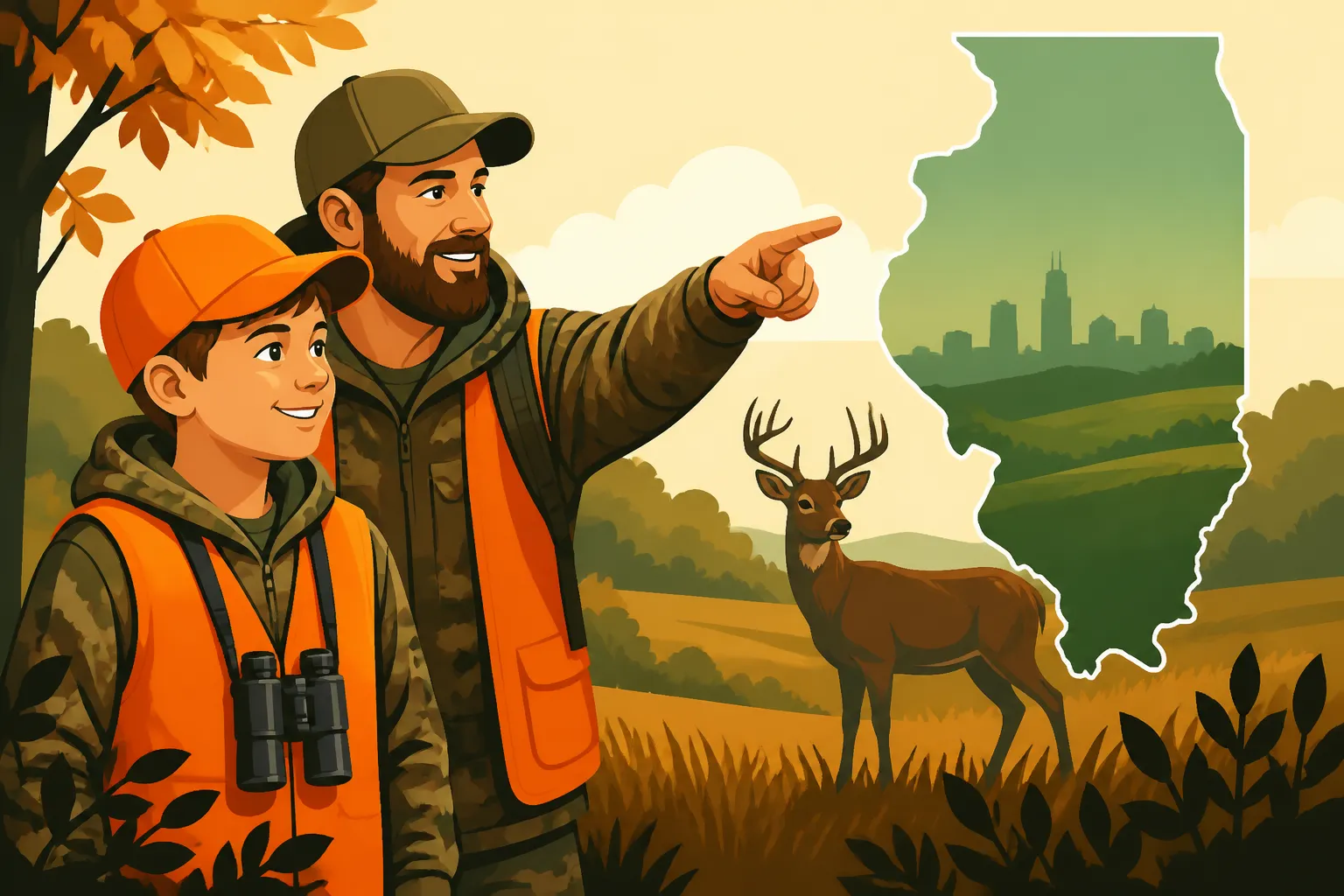
Introducing a young person to hunting is one of the most rewarding experiences a parent or mentor can have, but let's be honest, it can also be incredibly challenging. Kids have shorter attention spans, sometimes struggle with patience, and the learning curve can feel steep, especially on public land. That's where a youth-friendly guided hunt in Illinois can be a true game-changer, offering a structured, safe, and exciting way to instill a love for the outdoors and conservation in the next generation.
Why a Guided Hunt is a Game Changer for Young Hunters
Taking a child out hunting for the first time on your own can feel like a monumental task. You're balancing safety, education, the need to keep them engaged, and your own desire to actually hunt. It's a lot! A guided hunt takes much of that pressure off, allowing you to focus on sharing the experience with your young hunter, rather than managing every single detail. Professional guides are often natural teachers, equipped to handle the unique dynamics of hunting with kids, turning potential frustrations into priceless memories.
Safety First, Always
When you're dealing with firearms, bows, and the unpredictable nature of the wild, safety is paramount, especially with children. Reputable outfitters prioritize safety above all else, ensuring that young hunters learn proper gun handling, range estimation, and shot placement from the very start. They'll also instruct on critical field safety, like how to safely cross a fence with a loaded gun, or the correct way to climb into a treestand. Imagine your child, perhaps an eager ten-year-old on their very first deer hunt, being patiently walked through the steps of loading and unloading a shotgun, or the specific angles for a safe shot from a ground blind. This hands-on, expert instruction builds foundational skills that last a lifetime, fostering respect for the weapon and the environment, rather than just chasing a trophy. It's more than just rules; it's embedding a culture of safety.
Beyond weapon handling, guides also teach situational awareness, how to read weather changes, and even basic first aid specific to outdoor environments. They're constantly evaluating the conditions and the child's comfort level, making adjustments to ensure a positive and secure experience. For example, if a sudden storm rolls in, a good guide will know when it's time to pack up and head for shelter, explaining the decision to the young hunter in a way that educates rather than alarms. This comprehensive approach to safety not only protects your child but also gives you, the parent, immense peace of mind.
Learning from a Pro
One of the greatest benefits of a guided hunt is the immersive learning experience. Guides aren't just there to help you find game; they're seasoned outdoorsmen and women with a wealth of knowledge to share. For a young hunter, this means access to expert insights into animal behavior, tracking, habitat identification, and the nuances of calling, all in real-time. Picture your teenager, perhaps skeptical about the value of quiet observation, watching a guide flawlessly execute a series of soft grunts, only to see a mature buck appear at the edge of the timber. That kind of real-world demonstration is far more impactful than any video or textbook.
A good guide can answer those endless "why" questions that kids are famous for, explaining why deer prefer certain bedding areas, how to tell fresh tracks from old ones, or what different bird calls mean. They might teach your child how to use a grunt tube or a turkey call, demonstrating the rhythm and volume needed to entice game. This kind of mentorship goes beyond just hunting; it cultivates a deeper understanding of ecology and conservation. Many guides will also involve the young hunter in post-harvest activities, explaining the process of field dressing, proper game care, and even the basics of breaking down an animal, connecting the dots between the hunt and the table. This complete experience solidifies the appreciation for the animal and the privilege of the harvest.
Higher Success Rates and Confidence
Let's face it, hunting can be tough, and nothing deflates a young hunter's enthusiasm faster than endless hours of sitting without seeing any game. Guided hunts, particularly for species like deer or turkey, often boast higher success rates due to the guide's extensive knowledge of the area, game patterns, and access to prime private land. This increased chance of success is incredibly important for building a young hunter's confidence and maintaining their interest in the sport. Imagine the look on your child's face when they successfully call in their first gobbler or make a clean shot on a whitetail, guided by the patient instruction of a professional.
These initial successes aren't just about bagging an animal; they're about the sense of accomplishment, the validation of effort, and the creation of a positive association with hunting. A guided hunt often utilizes well-scouted blinds or stands in high-traffic areas, reducing the amount of idle sitting and increasing the likelihood of encountering game. While a harvest is never guaranteed, putting a young hunter in a position to be successful is a critical factor in fostering a lifelong passion. The shared celebration of a successful hunt, the storytelling, and the feeling of contributing to the family's freezer are powerful motivators that resonate deeply with kids.
Types of Youth-Friendly Guided Hunts in Illinois
Illinois offers a fantastic variety of hunting opportunities, and many outfitters have recognized the growing demand for youth-specific or family-focused trips. From the thrill of deer hunting to the adrenaline of a turkey encounter, or the fast-paced action of a waterfowl hunt, there's likely a guided experience that will perfectly suit your young adventurer. These outfits understand that a successful youth hunt isn't always about the biggest trophy, but about the quality of the experience and the lessons learned.
Deer Hunts Tailored for Youngsters
For many young hunters, deer hunting is the ultimate quest. Guided deer hunts in Illinois can be an excellent way to introduce them to this popular pursuit. Outfitters specializing in youth hunts often use comfortable, enclosed ground blinds that can accommodate a parent and child, offering shelter from the elements and allowing for a bit more movement than a treestand. This is especially crucial during the cooler months of the archery or firearm seasons. These setups minimize discomfort and distraction, enabling the young hunter to focus on the experience. During Illinois's Two Firearm Deer Seasons, outfitters often have prime spots where deer movement is predictable, increasing the chances of an ethical shot opportunity.
Guides will often prioritize morning or late-afternoon sits, understanding that a child's attention span wanes after a few hours. They might incorporate breaks, teach basic tracking skills in between movements, or simply engage the child in quiet observation of other wildlife. It's not uncommon for these guides to have specific parcels of land managed with youth in mind, featuring food plots near established blinds or areas with high deer density to ensure action. They also emphasize shot placement and patience, teaching the importance of waiting for the right moment, rather than rushing. This patient, supportive environment can make all the difference in a young hunter's first deer season.
Turkey Adventures for the Next Generation
The spring woods of Illinois, echoing with the sound of a gobbling tom, offer an unforgettable experience for a young hunter. Guided turkey hunts are incredibly dynamic and engaging, perfect for teaching calling, camouflage, and the art of patience. Outfitters often have pre-scouted areas where turkeys are known to roost and travel, increasing the likelihood of an encounter. Guides excel at Calling an Illinois Gobbler Off the Roost, which can be absolutely mesmerizing for a child, watching a master hunter communicate with a wild bird.
These hunts often involve shorter, more active segments of "run-and-gun" tactics, mixed with patient waits in pop-up blinds. The guide will handle the setup, the calling, and the strategic movements, allowing the young hunter to focus on remaining still, listening, and being ready for a shot opportunity. The sudden appearance of a strutting tom, often just yards away, is an adrenaline rush that few other hunting experiences can match for a youngster. Whether it's during Spring Turkey Hunting in Illinois or Hunting Illinois's Fall Turkey Zones, the interaction with these intelligent birds, under the guidance of a seasoned caller, can spark a lifelong passion for turkey hunting.
Waterfowl and Small Game: High Action, Big Fun
For kids who thrive on more continuous action, guided waterfowl or small game hunts can be an ideal introduction. Waterfowl hunting, especially on the legendary Waterfowl Hunting the Illinois River Valley, can be fast-paced and exciting. Imagine your child tucked into a warm blind, watching a flock of mallards cup their wings and commit to the decoys, all while a skilled guide orchestrates the calls and ensures safety. These hunts involve constant observation, quick decisions, and the thrill of birds working the spread, which can keep even the most energetic child engaged.
Small game hunts, such as for squirrels or rabbits, also offer excellent opportunities for young hunters. A guided squirrel hunt through Squirrel Hunting Illinois Bottomland Hardwoods with a guide who knows the timber can teach keen observation skills and stalking techniques. These hunts are less about long periods of stillness and more about active pursuit, walking through the woods, and identifying game. For rabbit hunting, walking fencerows and brush piles with a guide and perhaps even a well-trained dog, provides constant engagement and often multiple shooting opportunities, which can be fantastic for building confidence in handling a shotgun or .22 rifle. The inherent activity and interaction with hunting dogs often make these hunts highly memorable and enjoyable for younger participants.
What to Look for in a Youth-Friendly Outfitter
Choosing the right outfitter for your child's first hunting experience is crucial. It's not just about finding someone who knows how to hunt, but someone who knows how to teach, inspire, and create a positive environment for a young person. Just like you'd vet a school or a sports coach, taking the time to research and ask specific questions about an outfitter's approach to youth hunts can make all the difference between a good trip and a truly great one. Many reputable outfitters list their services on platforms like BookYourHunt or GoHunt, where you can often find reviews and detailed descriptions.
Experience with Youth and Mentorship Philosophy
The most important factor is finding an outfitter or guide with specific experience and a genuine passion for mentoring young hunters. Ask them directly about their philosophy when guiding children. Do they have specific programs or guides dedicated to youth hunts? What kind of patience and encouragement can you expect? A guide who understands that a child's hunt isn't about the kill count, but about fostering a love for the outdoors, is invaluable. They should be able to adapt their teaching style to different ages and personalities, knowing when to push a bit and when to slow down.
Look for outfitters who emphasize teaching responsibility, ethics, and conservation alongside hunting skills. They should be able to articulate how they ensure the child feels involved in the entire process, from pre-hunt prep to post-harvest care. Perhaps they involve the child in setting up decoys, tracking a game trail, or even helping with the field dressing (if the child is comfortable). Reading testimonials or asking for references from other parents who have taken their children on guided hunts with the outfitter can provide excellent insight. A true youth-friendly guide won't just take your kid hunting; they'll take your kid under their wing.
Accommodations and Amenities for Families
When planning a youth hunt, consider the entire family experience. Some outfitters offer dedicated lodges or cabins that are comfortable and family-friendly, providing a warm, safe place to relax after a day in the field. Ask about sleeping arrangements, meal options, and any non-hunting activities available. For instance, some lodges might have common areas with games, or opportunities for fishing, hiking, or simply enjoying nature during downtime. This can be especially important if other family members are coming along who aren't hunting.
Platforms like BookYourHunt or GoHunt often provide detailed descriptions of lodging and amenities, including photos. Look for places that understand the needs of children—perhaps rooms that can accommodate multiple beds, or menu options that cater to less adventurous palates. Good food and comfortable sleeping arrangements can significantly impact a young hunter's overall enjoyment and ability to stay focused during the hunt. A thoughtful outfitter might even offer special touches, like a small welcome gift for the child or a certificate recognizing their first hunt, making the trip even more special.
Understanding Costs and Inclusions
Before booking, get a clear understanding of what's included in the guided hunt package and what additional costs you might incur. What an Illinois Deer Hunt Package Includes can vary widely. Typically, a youth-friendly guided hunt will include the services of the guide, access to private hunting land, and possibly meals and lodging. Some might even provide basic equipment like ground blinds, calls, or decoys. However, licenses, permits, transportation to and from the lodge, game processing, and taxidermy are almost always separate costs.
| Hunt Type | Engagement Level | Typical Duration | Key Skills Learned | Common Inclusions |
|---|---|---|---|---|
| Deer (Firearm) | Moderate | 1-3 days | Safety, Patience, Shot Placement, Tracking | Guide, Land Access, Blind |
| Deer (Archery) | High Patience | 3-5 days | Stealth, Shot Placement, Wind Reading, Patience | Guide, Land Access, Stand/Blind |
| Turkey (Spring) | High | 1-2 days | Calling, Camouflage, Stillness, Sound ID | Guide, Land Access, Calling |
| Waterfowl | Very High | 1 day (multiple hunts) | Decoy Spacing, Calling, Bird ID, Dog Handling | Guide, Blind, Decoys, Dog |
| Small Game | High | 1 day | Stalking, Tracking, Fast Target Acquisition, Dog Work | Guide, Land Access, Dog |
Always ask for a detailed breakdown of costs and a written agreement. Don't be shy about asking questions like, "What happens if we don't harvest an animal?" or "Are there any hidden fees?" Clarifying these details upfront prevents any unwelcome surprises later on. Reputable outfitters will be transparent with their pricing and happy to walk you through everything. Remember to factor in potential gratuities for your guide, which is a common practice in the industry and a great way to show appreciation for their hard work and mentorship.
Preparing for Your Child's Guided Hunt
A guided hunt offers a fantastic opportunity, but it's not a magic bullet. The more prepared your child is, and the more realistic your expectations are, the more rewarding the experience will be. Preparation starts long before you ever step foot in the woods with the guide. It involves both practical skills and a mental approach that sets the stage for a positive adventure, regardless of the outcome.
Pre-Hunt Preparation and Gear
Before heading out, ensure your child has completed all necessary Illinois Hunter Education Requirements and obtained the correct licenses and permits. Practice is paramount. Take them to the range to get comfortable with their firearm or bow. Focus on safety, proper shooting form, and ethical shot placement on targets. The more confident they are with their equipment, the less anxiety they'll feel in the field. Simulating hunting scenarios at the range can also be beneficial, practicing quick, quiet movements and aiming from different positions.
Beyond shooting, proper gear is essential. Layered clothing suitable for Illinois weather, comfortable waterproof boots, a good hat, and gloves are critical for comfort. Pack snacks, water, and any personal items that will make them feel at ease. Talk to the outfitter beforehand about what gear they recommend or provide. For instance, some outfitters might have specific blaze orange requirements that differ from general state regulations, especially during Illinois First Firearm Weekend Dates when hunting pressure is highest. Making sure your child is physically comfortable will allow them to focus on the hunt itself, rather than shivering or being hungry.
Setting Realistic Expectations
Perhaps the most important preparation is setting realistic expectations. While guided hunts can increase the chances of success, hunting is never a guarantee. Emphasize that the primary goal is to enjoy the experience, learn, and spend quality time outdoors, rather than solely focusing on harvesting an animal. Talk about the broader aspects of hunting: observing wildlife, appreciating nature, and the ethics of fair chase. Explain that sometimes, despite everyone's best efforts, the animals simply don't cooperate, and that's okay.
A great guide will reinforce this message, highlighting the non-harvest successes, like a beautiful sunrise, seeing other animals, or mastering a new skill. Discussing potential scenarios beforehand, like what to do if a shot opportunity doesn't feel right, empowers your child to make ethical decisions in the moment. The goal is to cultivate a love for hunting as a holistic experience, where the journey and the lessons learned are just as valuable, if not more so, than the final outcome. This mindset prevents disappointment and fosters a deeper appreciation for the outdoors.
Maximizing the Learning and Fun
To get the most out of a guided hunt, encourage your child to be an active participant. Encourage them to ask questions of the guide—about the animals, the habitat, the guide's experiences, or anything else that sparks their curiosity. Learning is a two-way street, and a good guide will appreciate an engaged young mind. Maybe even bring a small notebook and pencil so they can jot down observations or new facts.
Celebrate every small victory, whether it's identifying a bird call, spotting a deer in thick cover, or simply sitting still for an extended period. These positive reinforcements build confidence and make the experience memorable. If a harvest occurs, involve them in the entire process, from tracking and recovery to field care and even transporting the game. This completes the cycle and connects them deeply to the ethical responsibilities of hunting. Ultimately, a youth-friendly guided hunt is an investment in your child's outdoor future, providing a safe, educational, and fun foundation for a lifelong passion.
Disclaimer
This article is for general informational purposes only and does not constitute professional advice. Laws, prices and regulations vary by location and change over time. Consult a qualified professional for guidance on your specific situation.