What a Preserve Pheasant Package Includes
It's always exciting to consider a pheasant hunt, but if you're like many hunters, you might be wondering what exactly a "preserve pheasant package" entails. The experience can differ quite a bit from traditional wild bird hunting, and it's easy to feel a little lost if you've never booked one before. This guide will walk you through the typical components of a pheasant preserve package here in Illinois, helping you understand what to expect, what's often included, and what you might need to plan for on your own, ensuring your trip is as smooth and enjoyable as possible.
Understanding the Core Offering of a Pheasant Preserve
A pheasant preserve in Illinois is designed to provide a high-quality hunting experience, often with a much greater guarantee of bird encounters than you'd find in the wild. This isn't just about turning out a few birds; it's about curating the entire environment and service to maximize your success and enjoyment.
The Birds Themselves: Stocking and Release
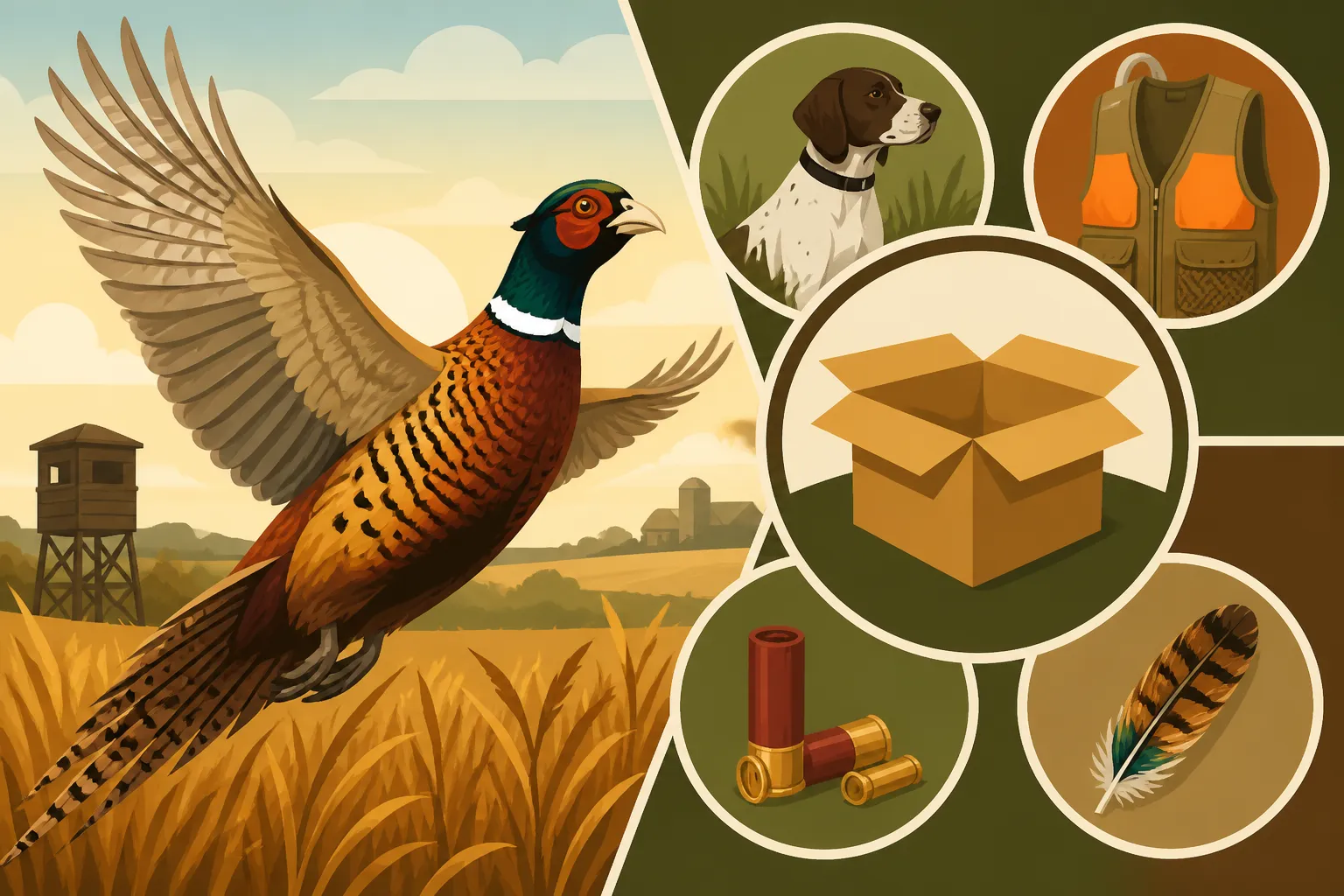
One of the fundamental differences when hunting a preserve compared to chasing wild birds in the native cover is the active management of the bird population. Preserves meticulously stock ringneck pheasants, often raising them specifically for hunting, or sourcing them from reputable game farms. These birds are then released into the hunting areas on a regular schedule, sometimes even right before your hunt.
The beauty of this system is the assurance of having birds available. You won't spend all day walking miles of cover only to find empty fields, a common frustration in wild bird hunting, especially when populations are down or pressure is high. While these birds might not always fly with the same wild unpredictability, preserves often use mature, strong-flying pheasants to mimic a wild hunt as closely as possible. This approach provides excellent opportunities for dog work and wingshooting, making it ideal for new hunters, youth hunters, or those who simply want a higher volume of shooting. Most packages will specify a certain number of birds per hunter or per group, and this forms the baseline of your experience.
Access to Prime Habitat and Hunting Grounds
You know how crucial good habitat is for any successful hunt. On an Illinois pheasant preserve, you're not just getting access to birds; you're gaining entry to carefully managed land specifically designed to hold and present game. These aren't just empty fields; they are often sculpted landscapes of dense cover. Think sprawling fields of switchgrass and native prairie grasses that mimic natural nesting and escape cover, strategically planted food plots of sorghum or corn that draw birds in, and thick fencerows or timber edges where pheasants love to hide.
The management extends beyond just planting; it involves maintaining these areas through controlled burns, mowing, and other habitat work to ensure optimal conditions year after year. This means less time worrying about finding productive ground and more time focused on the hunt itself. Compared to the increasing difficulty of Getting Private Land Permission in Illinois or navigating crowded Public Hunting Land in Illinois, a preserve offers a dedicated, high-quality hunting experience without the constant scouting or competition. The terrain is often chosen to be relatively easy to walk, making it accessible for hunters of all ages and fitness levels, and it’s typically well-maintained to prevent unexpected hazards.
Essential Services Often Included in Packages
Beyond the birds and the land, many Illinois pheasant preserve packages are built around convenience, offering a suite of services designed to enhance your day and take care of the logistics. This is where the true value of a package often shines, especially for those looking for a stress-free experience.
Guided Experience and Dog Services
For many, the thought of a pheasant hunt immediately conjures images of a good bird dog working the cover. If you don't own a trained pointing dog or a flushing retriever, or if you're new to upland hunting and want to learn the ropes, a guided hunt with a professional dog is invaluable. Most preserve packages include the services of an experienced guide and their well-trained bird dogs. These dogs are experts at finding and flushing pheasants, and retrieving downed birds, saving you countless steps and ensuring fewer lost birds.
A good guide doesn't just run the dogs; they understand bird behavior, know the best cover on the property, and can offer valuable tips on shooting technique and how to work as a team. This is particularly beneficial for youth hunters or those looking to refine their skills. You might be interested in bringing your own dog, which is often an option, but expect to pay a separate fee for that. Using the preserve's dogs ensures you're hunting with proven performers, allowing you to simply focus on the joy of the hunt. It's a far cry from trying to train your own bird dog from scratch, or simply hoping for the best. For more on canine companions, check out Running Pointing Dogs on Illinois Pheasants.
Bird Cleaning and Packaging
After a successful day of hunting, the last thing many people want to do is spend hours plucking and cleaning birds. Thankfully, a common and much-appreciated inclusion in many preserve packages is bird cleaning and packaging services. Once your hunt concludes, you'll simply drop off your birds at a designated cleaning station, and the preserve staff will take care of the rest.
They'll typically field dress, pluck, and often vacuum-seal or bag your pheasants, preparing them for transport home. This is a huge convenience, saving you time and effort, and ensuring your hard-earned birds are ready for the freezer or the dinner table with minimal fuss. It means you can focus on recounting the day's highlights rather than worrying about the messy details. Always confirm if this service is included, as some preserves might offer it as an add-on for a nominal fee.
Amenities and Hospitality
A pheasant preserve hunt isn't just about pulling the trigger; it's often an immersive experience that extends beyond the field. Many packages include access to a lodge or clubhouse, providing a comfortable space to relax before and after the hunt. This might involve a warm fire on a cold morning, a place to shed your gear, and clean restrooms. For day hunts, it’s a welcomed spot to gather and prepare.
For multi-day or more upscale packages, hospitality might extend to full meals, ranging from a hearty breakfast to fuel your morning hunt to a delicious lunch or dinner prepared by lodge staff. These can be incredible opportunities to socialize with your hunting companions, share stories, and soak in the camaraderie of the hunt. Some preserves even offer overnight lodging, which can be part of an all-inclusive package, turning your hunt into a true mini-vacation. Checking sites like BookYourHunt can give you a good idea of what various lodges offer in terms of their full package experiences.
Variables and Potential Add-ons to Consider
While packages aim to be comprehensive, there are always elements that can vary or come with an extra cost. Understanding these nuances helps you budget and prepare appropriately for your Illinois pheasant preserve adventure.
Varying Bird Limits and Additional Birds
Every preserve package will clearly define the number of pheasants included in your base price. This could be a "limit" of two or three birds per hunter, or a specific total number for a group. It's crucial to understand what this means for your hunt. If you're hoping for a high-volume shooting day, ensure the base package aligns with your expectations.
However, a fantastic feature of most preserves is the option to purchase additional birds. If you've met your package limit and the dogs are still fired up, or your shooting is just on that day, you can often buy extra pheasants to be released. These are typically priced per bird, and it's a great way to extend your hunt and maximize your time afield without feeling constrained. Just be mindful of these extra costs as they can quickly add up if you get trigger-happy! Always ask about the price per additional bird when booking.
Licenses, Stamps, and Blaze Orange
Even on a private preserve, you're still hunting in Illinois, and that means adhering to state regulations regarding licenses. Most preserves will require you to possess a valid Illinois Hunting Licenses and What They Cost and a Illinois State Habitat Stamp. Depending on if the preserve has any wild birds on its property, you might also need federal and state migratory bird stamps (HIP certification), but for strictly preserve-raised pheasants, this is typically not required. Always double-check with the preserve directly about specific license requirements for their operation. It's an easy oversight that can derail a planned hunt.
Beyond licenses, safety is paramount. Illinois law mandates specific Illinois Blaze Orange Requirements for upland bird hunting. This usually means wearing an outer garment of solid blaze orange (or blaze pink) that is visible from all sides. Some preserves might offer blaze orange vests or hats for rent or purchase, but it's always best to bring your own. Confirm these details with the preserve to ensure you're compliant and safe.
Shotgun Shells, Eye Protection, and Other Gear
While many packages handle the birds and the dogs, the core hunting gear typically falls to you. You'll need your trusty shotgun, and plenty of shotgun shells. Most preserves recommend lighter loads, like 6 or 7.5 shot, suitable for pheasants. They might also have specific shot size restrictions for safety. Some preserves will have shells available for purchase, which can be convenient if you forget or run out, but expect to pay a premium.
Eye protection is non-negotiable for safety. Shooting glasses are a must, both to protect against stray shot and errant branches. Hearing protection is also highly recommended, especially when hunting with multiple shooters or in dense cover where shots can be loud. Beyond that, sturdy boots for walking through varied terrain, appropriate layered clothing for the weather, and a game vest or pouch to carry your birds (if bird cleaning isn't immediate) are all essential. Don't forget water and snacks to keep your energy up!
Meals and Lodging for Multi-Day Hunts
The level of culinary and overnight comfort really depends on the package you select. For a simple day hunt, meals and lodging are rarely included, though many preserves will have a small shop where you can grab a snack or a soda. However, if you're booking a multi-day experience, especially at a larger, more established lodge, meals and lodging are often a key part of the "all-inclusive" appeal.
These packages can transform a hunting trip into a full-service retreat, complete with comfortable rooms, delicious home-cooked meals, and a relaxed atmosphere. It's perfect for groups or families wanting to maximize their time together. If lodging isn't included, the preserve should be able to recommend nearby hotels or accommodations. Always clarify the specifics when booking – exactly which meals are included, for how many nights, and if there are any restrictions. This is where researching on platforms like GoHunt can help you compare different lodge offerings.
How to Choose and Book Your Illinois Pheasant Preserve Package
Selecting the right pheasant preserve package for your needs can make all the difference between a good hunt and a truly memorable one. With a little research and clear communication, you can ensure your expectations are met, and you have a fantastic time.
Researching Reputable Preserves
The first step is finding a preserve that fits your style and budget. Start by looking for preserves with a solid reputation. Online reviews, testimonials, and word-of-mouth recommendations from other hunters are excellent resources. What are people saying about the bird quality, the dog handling, and the overall experience? Do they speak highly of the guides? A good preserve takes pride in its birds, its dogs, and its staff.
When you contact potential preserves, don't be shy about asking detailed questions. Inquire about their bird stocking practices, the experience level of their guides, their policies for lost birds, and how they handle different group sizes. Ask about the type of cover you'll be hunting in – is it dense CRP like Pheasant Hunting Illinois Grassland, or more mixed cover with field edges like Pheasant Hunting a Fencerow Edge? Websites like BookYourHunt or GoHunt often list numerous preserves and allow you to filter by location, services, and reviews, which can be a huge time-saver in your search.
Understanding Pricing Structures
Preserve packages can vary widely in price, depending on the number of birds, guide services, meals, lodging, and other amenities. You'll typically find two main pricing structures:
- Day Rates: These are usually for a single day of hunting and often include a specific number of birds and sometimes a guide. Meals and lodging are typically extra.
- All-Inclusive Packages: These are more comprehensive, often spanning multiple days, and can include a higher bird count, guide and dog services, all meals, and comfortable lodging.
Look closely at what each package explicitly includes and excludes. Don't assume anything. Factor in potential add-ons like extra birds, dog fees (if bringing your own), and any applicable taxes or gratuities. Always check the preserve's official website for the most current pricing and package details, as these can change season to season. Also, be aware of their deposit and cancellation policies. Life happens, and you want to understand your options if plans change.
Booking Tips for a Smooth Experience
Once you've settled on a preserve and a package, it's time to book. Here are a few tips to ensure a smooth process:
- Book in Advance: Especially for prime dates (weekends, holidays, or specific times during the Illinois Pheasant Season and Stocking), preserves can fill up quickly. Booking several weeks or even months ahead will ensure you get your preferred date and package.
- Clarify Everything in Writing: After your conversations, ask for a written confirmation or an email detailing all inclusions, exclusions, pricing, and policies. This helps prevent misunderstandings later on.
- Inform Your Group: If you're booking for a group, make sure everyone understands what the package covers and what they need to bring or pay for separately.
- Confirm License Requirements: Reconfirm the specific Illinois Pheasant Permit Requirement, state hunting license, and habitat stamp rules for their preserve. Some preserves might offer a special "shooting preserve license" if you don't have a full state license, but this varies. Even if they do, remember that Illinois Hunter Education Requirements generally still apply.
- Ask About Current Conditions: A few days before your hunt, call the preserve to ask about recent weather, field conditions, and how the birds are flying. This can help you pack appropriate clothing and adjust your expectations.
By doing your homework and asking the right questions, you'll be well-prepared for a fantastic pheasant hunting experience at an Illinois preserve.
| Feature | Basic Preserve Package (Typical) | All-Inclusive Preserve Package (Typical) |
|---|---|---|
| Birds | Set number of pheasants (e.g., 2-3 per hunter) | Higher set number of pheasants, or flexible limits |
| Guide & Dog | Often included | Always included, dedicated guide |
| Hunting Grounds Access | Designated hunting fields | Extensive, exclusive access to prime habitat |
| Bird Cleaning | Often an add-on or self-service | Usually included and professionally done |
| Meals | Not included (may have snack shop) | Breakfast, lunch, dinner included |
| Lodging | Not included (external recommendations) | On-site lodge accommodations included |
| Shotgun Shells | Not included (available for purchase) | Not included (may be available for purchase) |
| License/Stamps | Required, purchased separately | Required, purchased separately (guide may advise) |
| Eye/Ear Protection | Required, bring your own | Required, bring your own |
| Additional Birds | Available for purchase, extra cost | Available for purchase, extra cost |
Disclaimer
This article is for general informational purposes only and does not constitute professional advice. Laws, prices and regulations vary by location and change over time. Consult a qualified professional for guidance on your specific situation.