Physical Demands of an Illinois Duck Hunt
Ask any seasoned waterfowler in Illinois, and they'll tell you duck hunting isn't just about sitting comfortably in a blind, waiting for birds to fly in. Far from it! The truth is, chasing ducks and geese across Illinois's diverse landscapes often involves a surprising amount of physical exertion, pushing your body and mind in ways you might not expect. If you're new to the game or planning your first trip, understanding the physical demands is key to a successful and enjoyable experience, not just showing up unprepared and getting worn out before legal shooting light. This guide will walk you through the real physical challenges of an Illinois duck hunt and how you can prepare for them.
The Unexpected Workout: Why Duck Hunting Isn't Just Sitting
When folks picture duck hunting, they often envision a cozy, warm blind with decoys bobbing peacefully. While that can happen occasionally, especially on a bluebird day with birds working, the reality for many Illinois waterfowlers is a far more rugged and demanding endeavor. You're not just a passive observer; you're an active participant in a physically taxing dance with nature, often long before the sun even hints at rising.
Pre-Dawn Departures and Gear Hauls
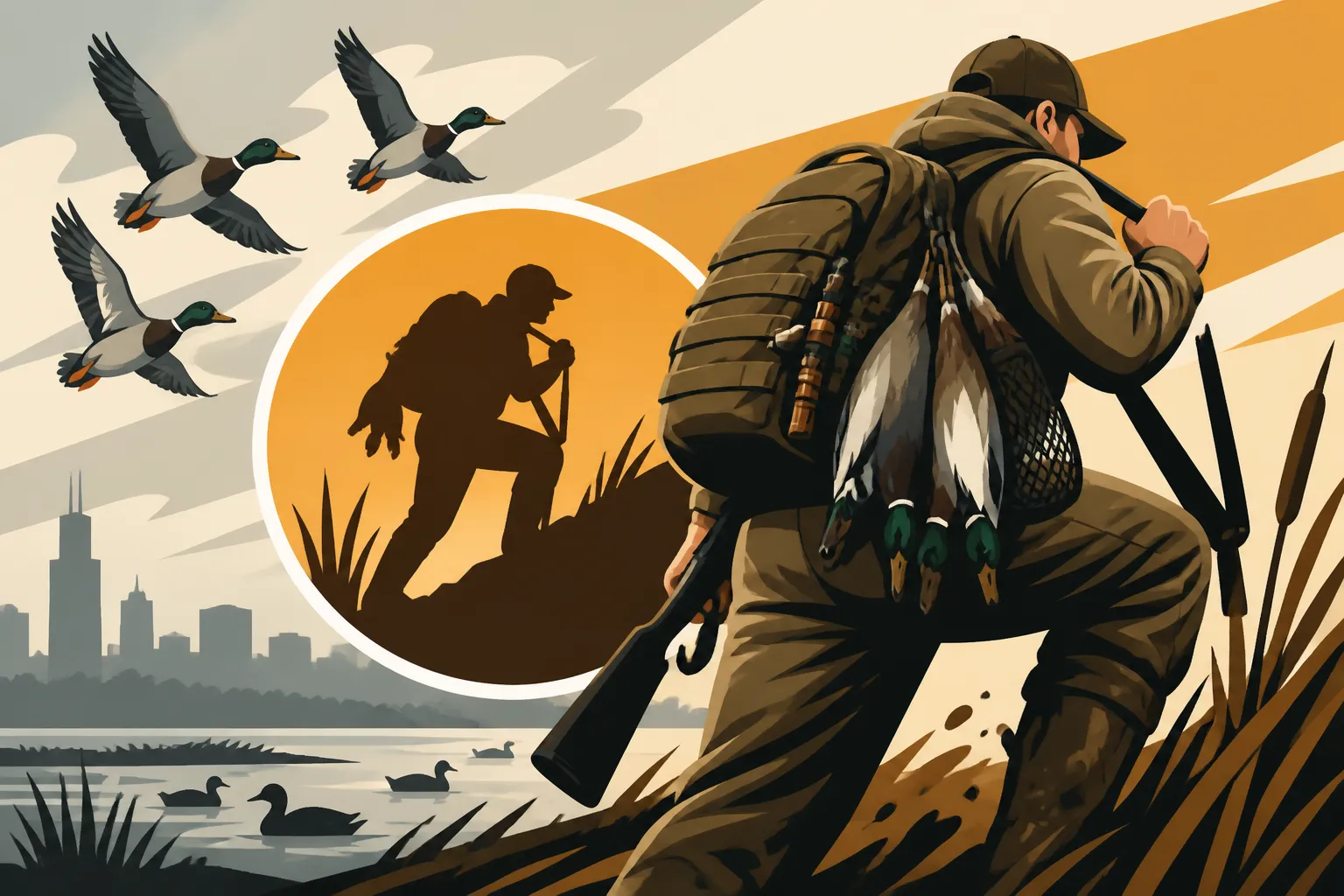
Imagine this: it's 3:30 AM, the alarm screams, and it's 20 degrees outside, maybe even colder. You're trying to quietly get dressed, gather your gear, and load up your truck, all while your family is still asleep. This pre-dawn ritual sets the tone. Once you arrive at your access point, the real work often begins. You're not just carrying a shotgun; you've got a heavy blind bag stuffed with shells, calls, and essentials, maybe a cooler with lunch and drinks, and then there are the decoys. Depending on your spread, that could be dozens of magnum decoys, each adding weight and bulk.
Think about hauling those decoy bags, often weighing 30-50 pounds each, plus your gun and blind bag, through knee-deep mud in a harvested cornfield or across uneven ground bordering a slough. You're doing this in the dark, often with a headlamp that struggles to cut through the fog or falling snow, navigating by memory or GPS. It's a full-body workout before the first duck even thinks about flying. This initial gear haul, especially to remote spots on public land, can be the most physically demanding part of the entire day, testing your stamina and balance. It's a true test of grit and determination to get everything where it needs to be before shoot time.
Navigating Diverse Illinois Waterfowl Habitats
Illinois is a waterfowl hunter's paradise, but that diversity comes with a varied set of physical challenges. The terrain you'll encounter changes dramatically whether you're chasing birds on the mighty Illinois River, tucked away in the backwaters of the Mississippi, or set up in a flooded field.
- River Bottoms and Flooded Timber: If you're hunting the river bottoms, especially popular spots along the Illinois River Valley or Hunting the Mississippi River Backwaters, expect to navigate through standing water, often filled with submerged logs, stumps, and thick brush. The bottom can be soft, sucking mud that tries to steal your waders with every step. Moving through flooded timber might require pushing a small boat or wading through murky water, all while avoiding tripping hazards you can't see. The currents can also be deceptively strong, adding another layer of resistance.
- Marshes and Wetlands: True marsh hunting involves slogging through mucky, often chest-deep water, pushing through dense cattails, smartweed, or phragmites. These areas are notorious for their soft bottoms, and every step can feel like you're fighting against the earth itself. It's a slow, arduous process, and the sheer resistance of the water and vegetation can quickly sap your energy.
- Open Fields: While seemingly easier, Layout Blind Hunting Illinois Farm Fields still demands physical effort. You might be carrying heavy layout blinds across freshly tilled, soft soil, or through knee-high stubble. If the field is flooded, you're back to wading through water, often with no solid bottom beneath your feet. Even walking a mile across a flat, muddy field with a load can feel like a marathon.
- Frozen Conditions: When the temperatures really drop, adding ice to the equation amplifies everything. Breaking a path through skim ice or chopping out holes for decoys is incredibly strenuous, requiring repetitive, forceful movements. The cold itself makes muscles stiff and burns more calories, increasing the physical toll. You'll definitely want to know about What Happens If Water Levels Drop Mid-Season as low water and freezing temperatures can make access and breaking ice even harder.
Each of these environments requires a different kind of physical readiness, but all demand strong legs, a solid core, and significant endurance.
Common Physical Challenges and What They Demand
Duck hunting often throws a mix of physical challenges at you, making it a true test of endurance and strength. It's not just about getting to the blind; it's about the consistent effort throughout the hunt, sometimes for hours on end, exposed to the elements.
The Struggle with Mud and Water
Anyone who has spent a few mornings Hunting the Mississippi River Backwaters or slogging through an Illinois bottomland knows the unique exhaustion that comes from fighting mud and water. It's an energy drainer unlike anything else. Every step through thick, sticky mud requires extra force to lift your foot, often pulling your waders down or threatening to pull them off entirely. This isn't just a calf workout; it engages your entire leg, glutes, and lower back.
When the water is deep—say, knee to waist-deep—you're not just walking; you're displacing water with every stride. This constant resistance means your muscles are working overtime, similar to walking against a strong current. The buoyancy of your waders can also make balance tricky, demanding a strong core to keep you upright, especially when carrying gear. You might find yourself high-stepping through submerged vegetation, fighting to maintain your footing on an unseen, uneven bottom. This kind of exertion is a major calorie burner and can leave you surprisingly winded, even if you consider yourself in good shape.
Decoy Spreads and Blind Setup
Setting up a realistic decoy spread is an art form, but it's also a significant physical undertaking. Imagine deploying 3-4 dozen decoys, one by one, often in freezing water, before the sun comes up. This involves:
- Repetitive Bending and Lifting: Each decoy needs to be picked up, carried, and placed carefully. This means a lot of bending at the waist, squatting, and lifting, often with cold, numb hands.
- Cold Water Immersion: Your hands and arms will be in and out of icy water constantly. Even with good gloves, the cold penetrates, making fine motor skills difficult and draining body heat.
- Tangles and Anchors: Decoy lines get tangled, anchors snag on roots or debris, and untangling them while shivering in the dark adds to the frustration and physical effort.
- Blind Construction: If you're building a makeshift blind or brushing in a layout blind, you're gathering natural vegetation, cutting branches, and weaving them into a concealment structure. This involves stooping, reaching, and often working in awkward positions. For larger permanent blinds or pit blinds, getting everything set up for the season is even more intense, akin to a construction project in often challenging conditions. If you're in a permanent setup, understanding Treestand Setups in Shawnee National Forest might not apply directly, but the principles of positioning for concealment and efficiency carry over.
This part of the hunt is not only physically demanding but also tests your patience and dexterity under pressure, all before you even get a chance to settle in and call birds.
Weather Extremes and Endurance
Illinois weather during waterfowl season can be notoriously fickle, swinging from mild to brutal in a matter of hours. These extremes significantly increase the physical demands of the hunt.
- Extreme Cold: When temperatures plummet, your body works harder just to stay warm. Shivering, even subtly, burns calories at an accelerated rate. Muscles become stiffer, and your movements become more labored. Dressing in layers, crucial for warmth, also adds bulk and weight, making movement more cumbersome. What to Pack for a Guided Illinois Hunt often includes specialized cold-weather gear for good reason.
- Wind: A biting wind can penetrate layers, making the cold feel even more intense. It also creates wind chill, forcing your body to expend more energy to maintain core temperature. Gusts can also make carrying gear or navigating a small boat more difficult, requiring more strength to maintain control.
- Rain, Sleet, and Snow: Getting wet in cold weather is a dangerous game. Your body rapidly loses heat, leading to hypothermia if not properly managed. Heavy rain or snow can soak gear, adding weight and making every movement a struggle. Trying to stay dry and maintain comfort in these conditions demands constant vigilance and can be exhausting in itself.
- Endurance: Regardless of the specific conditions, duck hunting days are often long. From that pre-dawn wake-up to the final retrieve and pack-out after sunset, you could be out in the elements for 10-12 hours or more. This sustained exposure, coupled with the intermittent bursts of physical activity, requires significant mental and physical endurance. Your body is constantly working to regulate temperature, move heavy loads, and fight the environment.
These weather challenges aren't just uncomfortable; they actively increase the physical cost of every action, making an already demanding hunt even more so. It’s why proper preparation, both physical and with your gear, is absolutely paramount for Illinois Waterfowl Zones and Seasons.
Recovering Birds: More Than Just a Shot
You've made a good shot, a greenhead tumbles from the sky, and your heart races. But the excitement of a successful shot quickly gives way to another set of physical demands: retrieving your downed bird. This isn't always a simple walk to the spot; ducks often fall in the thickest, most inaccessible places, especially when you're Diver Hunting on the Illinois River.
Wading, Paddling, and Retrieving
Retrieving a bird can be a workout in itself. If you don't have a reliable retriever dog, or even if you do and the bird falls in especially heavy cover or across open water, it's on you.
- Long Wades: Ducks, especially those with some fight left, can travel surprisingly far after being shot. This means long wades through the same deep mud, thick water, and vegetation you just struggled through to get to your blind. Sometimes, it means pushing through even worse cover, like flooded willows or downed trees, to get to a bird that might be hidden.
- Paddling Small Boats: Many waterfowlers use canoes, kayaks, or sneak boats to access hunting spots and retrieve birds. Paddling these craft, especially against a current or wind, requires significant upper body and core strength. Maneuvering through flooded timber or shallow, mucky areas can be a strenuous task, often requiring you to stand, push with a pole, or even drag the boat over obstacles.
- Overcoming Obstacles: A downed bird might be tangled in a submerged brush pile, stuck in an ice hole, or floating far out in an open body of water. Reaching it requires determination, and often, more physical effort than you anticipated. You might need to push through a barrier of thick cattails, climb over a levee, or carefully navigate slippery banks. This can be particularly challenging when you're focused on the bird and not necessarily on safe footing.
This phase of the hunt demands an extra reserve of energy, as it often comes after hours of sitting in the cold, and usually with a surge of adrenaline.
Breaking Ice and Navigating Obstacles
As the season progresses and temperatures drop, ice becomes an inescapable factor for Illinois waterfowl hunters. Dealing with it adds another layer of physical demand that can catch the unprepared off guard.
- Breaking a Path: If skim ice has formed overnight, you might need to break a path to your decoys or to a downed bird. This is often done by stomping or kicking, which is incredibly taxing on your legs and hips. If the ice is thicker, you might need an ice spud or a paddle to chop it out, requiring repetitive, forceful swings.
- Clearing Decoy Holes: Ducks won't land on solid ice. You need to create open water for your spread. This means spending time and energy breaking large sections of ice, often by hand or with tools, to create inviting pockets of water. It's cold, wet, and exhausting work, often done with a rising sun and birds already flying.
- Submerged Hazards: Beneath the surface of the water, especially in river systems, lie countless obstacles: old stumps, fallen trees, discarded debris. When wading or paddling, these unseen hazards can snag your waders, tip your boat, or trip you up. Navigating around them, or carefully dislodging yourself, demands balance, agility, and often, brute strength.
- Heavy Vegetation: Some of the best duck hunting spots are in areas with dense emergent vegetation. Pushing through thick stands of cattails, bulrushes, or smartweed can be like walking through quicksand, requiring immense effort to clear a path. The resistance against your waders and legs is constant and draining.
These ice and obstacle challenges often hit hardest in the late season, when you're already fatigued from earlier hunts and the cold is at its most punishing. They truly separate the casual hunter from the dedicated waterfowler.
Preparing Your Body for the Illinois Waterfowl Season
Understanding the physical demands is the first step; the next is proactively preparing your body so you can enjoy the hunt, rather than just survive it. You don't need to be a marathon runner, but a reasonable level of fitness will make a world of difference.
Essential Physical Training
Think about the specific movements you'll be making during a duck hunt and tailor your workouts to mimic them.
- Leg Strength and Endurance: This is paramount. Incorporate exercises like squats, lunges, and calf raises into your routine. Long walks, especially with a weighted backpack, are excellent for building the endurance needed for those pre-dawn hikes. Consider walking uneven terrain or local trails to simulate slogging through mud.
- Core Strength: A strong core is vital for balance when wading, lifting decoys, and paddling. Planks, Russian twists, and medicine ball exercises can help. This will also protect your back from the strain of carrying heavy gear.
- Upper Body Strength: While not as central as leg and core, you'll use your arms and shoulders for carrying gear, paddling, and breaking ice. Rows, push-ups, and overhead presses can be beneficial.
- Flexibility and Mobility: Good flexibility can help prevent strains and injuries, especially when reaching for decoys or navigating awkward spots. Dynamic stretches before heading out can warm up muscles, and static stretches afterward can aid recovery.
- Cardiovascular Fitness: Aim for regular cardio to improve your stamina. Running, cycling, or swimming for 30-45 minutes several times a week will make those long hauls and retrieves much less draining. Remember, the cold and exertion will raise your heart rate.
Start your training several months before the season opens. Even small, consistent efforts will pay dividends when you're out in the marsh.
Gear That Makes a Difference
Having the right gear won't replace physical conditioning, but it can certainly ease the burden and enhance your comfort, making the physical demands more manageable.
- High-Quality Waders: Invest in well-fitting, durable waders. Neoprene waders offer excellent insulation in cold water, while breathable waders can be good for early season or if you're doing a lot of hiking. Make sure they have comfortable boots with good traction. Look for features like reinforced knees and plenty of pockets.
- Layered Clothing System: This is crucial for adapting to changing weather and exertion levels. Start with a moisture-wicking base layer, add insulating mid-layers (fleece or synthetic down), and top with a waterproof, windproof outer shell. Being able to shed or add layers prevents overheating during exertion and keeps you warm during periods of inactivity.
- Comfortable Boots/Footwear: Beyond your waders, ensure you have comfortable, waterproof boots for the journey to and from your hunting spot. Wet, cold feet are miserable and can quickly lead to fatigue.
- Decoy Bag/Sled: A quality decoy bag with comfortable shoulder straps or a sturdy sled can significantly reduce the strain of carrying decoys. Some hunters even build custom carts for easier transport over longer distances.
- Headlamp: A powerful, reliable headlamp with a red-light option is essential for navigating in the dark and reducing eye strain, which indirectly helps with overall fatigue.
- Thermos and Hydration: Staying hydrated and fueled is critical. A good thermos with hot coffee, tea, or soup can provide much-needed warmth and energy. Bring plenty of water too, as dehydration can occur even in cold weather.
When researching gear, resources like BookYourHunt or GoHunt can offer reviews and insights into the latest waterfowl hunting equipment, helping you make informed decisions about what will best serve your needs in the Illinois wetlands. Remember, lighter gear often means less physical strain, so consider weight when making purchases for items like your shotgun or blind bag.
Mental Toughness and Realistic Expectations
Beyond the physical, duck hunting often tests your mental fortitude. The conditions can be brutal, the birds uncooperative, and the work relentless.
- Embrace Discomfort: Understand that cold, wet, and muddy conditions are often part of the deal. Being mentally prepared for discomfort and knowing how to push through it without letting it ruin your hunt is a huge advantage.
- Patience is a Virtue: Waterfowling often involves long periods of waiting, followed by bursts of intense action. Developing patience is key, as frustration can quickly drain energy and enjoyment.
- Safety First: When fatigued, judgment can be impaired. Always prioritize safety, especially when handling firearms, navigating treacherous terrain, or dealing with cold water. Don't push yourself beyond your limits, and always hunt with a buddy, especially in demanding conditions.
- Celebrate the Small Victories: Not every hunt will result in a limit of ducks. Celebrate the sunrises, the camaraderie, the incredible flights you witness, and the simple fact of being out in nature. These moments contribute to the overall enjoyment and make the physical effort worthwhile.
By combining physical preparation with smart gear choices and a resilient mindset, you'll be much better equipped to handle the unique Physical Demands of an Illinois Duck Hunt and truly enjoy the challenging, yet rewarding, pursuit of waterfowl in Illinois. Getting ready for the season involves more than just scouting and patterning your shotgun; it's about preparing your entire self for the adventure.
| Physical Challenge | Common Scenario | Impact on Body | Preparation Tip |
|---|---|---|---|
| Gear Haul | Carrying heavy decoy bags, blind bags, shotguns in dark | Strained back, shoulders, leg fatigue, balance issues | Weighted pack walks, squats, lunges, core exercises |
| Mud/Water Wading | Slogging through knee-deep mud, submerged vegetation | Extreme leg and core fatigue, balance demands, increased calorie burn | Hill climbing, high-knee marches, extended walking with resistance |
| Decoy/Blind Setup | Bending, lifting, reaching in cold water for hours | Stiff joints, numb hands, back strain, core engagement | Repetitive bending/lifting, hand exercises, full-body stretches |
| Cold/Wind Exposure | Prolonged inactivity in freezing temperatures, wind chill | Increased calorie burn, shivering, stiffness, mental fatigue | Layered clothing system, cardiovascular fitness, mental conditioning |
| Bird Retrieval | Wading/paddling long distances, breaking ice | Leg/core/upper body fatigue, risk of falls, cold water immersion | Swimming, rowing, power walking in shallow water, ice breaking practice |
| Navigating Obstacles | Slippery banks, submerged logs, thick brush | Balance challenges, twists/sprains, increased effort | Agility drills, core stability, careful footing practice (off-season) |
Disclaimer
This article is for general informational purposes only and does not constitute professional advice. Laws, prices and regulations vary by location and change over time. Consult a qualified professional for guidance on your specific situation.