Illinois Outfitters Along the Illinois River
Finding a reliable outfitter along the winding, dynamic stretch of the Illinois River can feel like trying to find a needle in a haystack, especially when you're looking for someone who truly understands this unique hunting landscape. It's a daunting task to sift through options, wondering if you'll end up with a memorable experience or just an expensive disappointment. This guide is here to walk you through everything you need to know about Illinois River outfitters, helping you identify the right partner for your next hunting adventure.
Why the Illinois River Valley is a Premier Hunting Destination
The Illinois River Valley is more than just a waterway; it's a vibrant ecosystem that draws hunters from across the country for a reason. This area, with its unique blend of expansive agricultural fields, dense timbered bluffs, and the massive river system itself, creates a habitat that supports an incredible diversity and abundance of game. It’s a place steeped in hunting tradition, where generations have chased waterfowl and whitetails.
Waterfowl Haven on the Mississippi Flyway
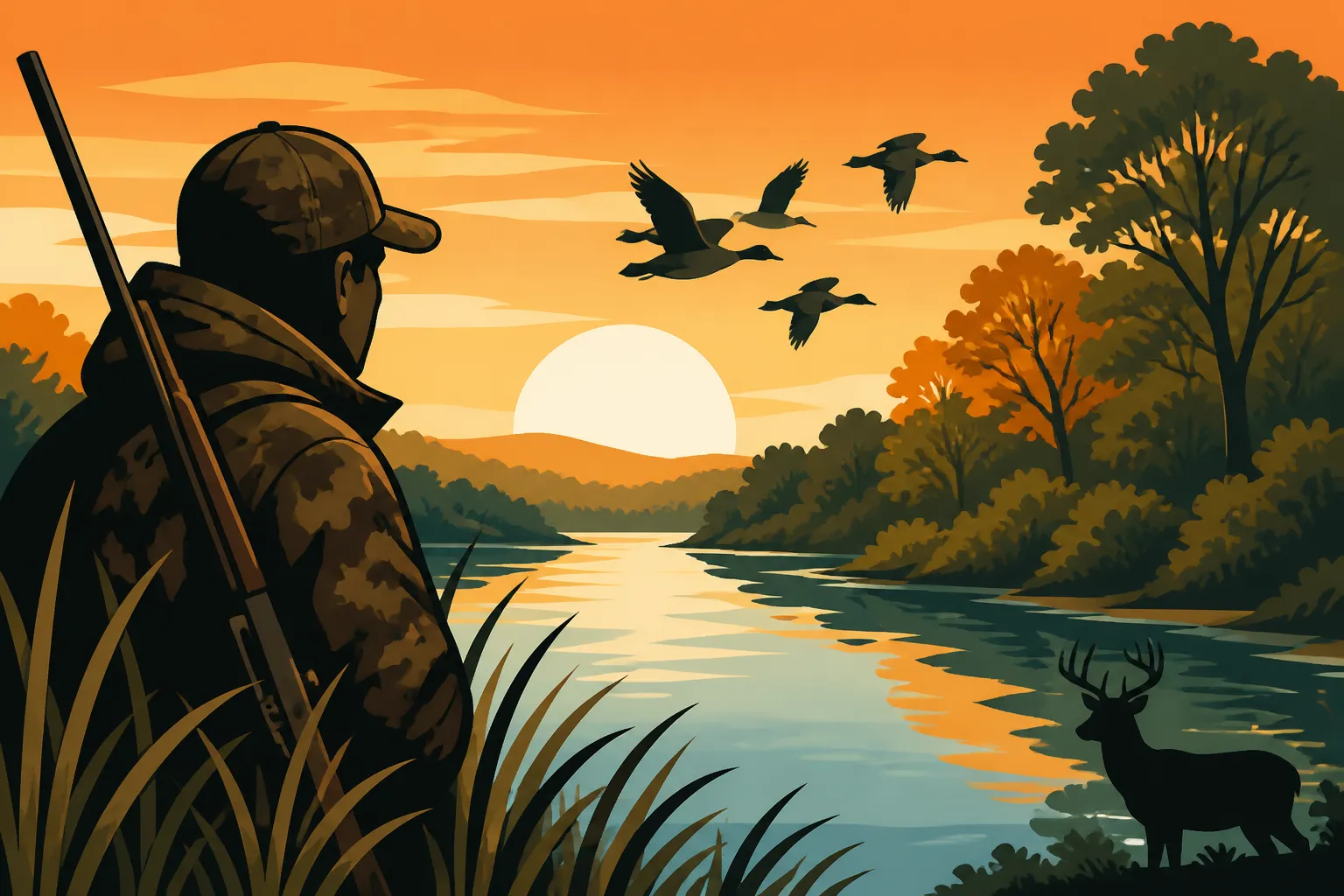
If you've ever dreamt of greenheads pouring into decoys or the distant murmur of thousands of geese, the Illinois River Valley needs to be on your radar. This region sits squarely in the heart of the Mississippi Flyway, a critical migratory route for millions of waterfowl each year. As the fall chill sets in up north, ducks and geese instinctively follow this natural corridor, seeking refuge and food sources along the river's extensive backwaters, flooded timber, and adjacent agricultural fields. It's truly a spectacular display of nature, and hunters often speak of the sheer volume of birds that pass through.
What makes this area so special for waterfowl is the combination of factors: the sheer size and meandering nature of the river provide vast areas of open water for resting, while the rich agricultural landscape offers abundant food in the form of waste grain after the harvest. This creates a perfect stopover point, sometimes holding birds for weeks, offering incredible hunting opportunities. Outfitters here specialize in understanding the nuances of duck and goose behavior, from calling in a wary mallard flock to decoying migrating specklebellies. They know the subtle changes in weather, water levels, and feed availability that dictate where the birds will be and how to best set up for them, navigating the challenges that are often discussed in Illinois Waterfowl on the Mississippi Flyway.
Deer Hunting Opportunities in the River Bluffs
While the Illinois River is undeniably famous for its waterfowl, many hunters overlook the fantastic deer hunting opportunities that exist along its bluffs and timbered corridors. The terrain here is often rugged, with steep ravines, mature hardwoods, and thick underbrush providing ideal cover and bedding areas for mature whitetails. These deer thrive in a mosaic of habitat types, from river bottom thickets to upland agricultural fields. The river itself acts as a natural funnel, often concentrating deer movement along specific travel corridors as they move between bedding and feeding areas.
Hunting these river bluffs requires a different approach than hunting flat agricultural lands. Deer frequently use the bluffs for thermal cover, especially during colder months, and the elevation changes create complex wind currents that can make traditional stand placement tricky. An experienced outfitter who intimately knows these hills and valleys can guide you to productive areas that might be overlooked by less seasoned hunters. They often have access to private land parcels along the bluffs that are managed specifically for deer, utilizing strategically placed food plots or recognizing natural browse patterns that keep the deer in the area. The challenges and rewards of hunting such terrain are significant, and it’s a thrill to connect with a mature buck in these overlooked pockets of timber, a unique experience compared to other parts of the state as touched upon in Hunting Illinois River Bluff Country.
What to Look for in an Illinois River Outfitter
Choosing the right outfitter is paramount to a successful and enjoyable hunting trip, especially in a diverse and challenging environment like the Illinois River Valley. It's not just about finding someone with a license; it's about finding a partner who aligns with your hunting goals and understands the specific intricacies of the local game and landscape.
Specialization and Experience
When you're evaluating Illinois River outfitters, their specialization is a crucial factor. Are they primarily a waterfowl outfitter, or do they also guide for deer, or perhaps turkeys? While some outfitters may offer multiple species, often their expertise will lean heavily towards one. A dedicated waterfowl guide will have an intimate understanding of duck and goose movements, migration patterns, and the ever-changing river conditions. They'll know the best places to set up based on current water levels and feed availability, crucial knowledge when trying to intercept birds that follow the Hunting Illinois River Valley Diving Ducks migration. They'll have a vast spread of decoys, specialized calls, and appropriate blinds for river hunting, whether it's layout blinds in a cut cornfield or permanent pits along the river.
Conversely, a deer outfitter in the Illinois River Valley should have extensive knowledge of the local whitetail population, including their preferred bedding areas, travel corridors, and feeding habits in the bluffs and bottoms. They'll understand how topography influences deer movement and scent control, and they'll likely have pre-scouted stand locations. Experience in the specific section of the Illinois River you plan to hunt is also invaluable. The river is long, and conditions can vary significantly from one county to the next. An outfitter who has operated in the region for many years will have a wealth of historical knowledge about game behavior, weather patterns, and successful strategies that simply can't be gained overnight. They've seen it all, from high water to droughts, and know how to adapt.
Access to Prime Ground and Equipment
One of the biggest advantages of booking with an outfitter, particularly in a region like the Illinois River Valley, is gaining access to prime hunting ground that would otherwise be unavailable to the public. Much of the best hunting along the river is on private land, often owned by farmers who lease their ground to outfitters. These leases provide exclusive access, meaning you'll be hunting areas that aren't subjected to heavy public land pressure. An outfitter with extensive, well-managed leases is a strong indicator of a quality operation. For waterfowl, this might mean access to flooded fields specifically managed for ducks and geese, or private riverfront access with established pit blinds. When hunting is good, these locations become very competitive, and private access is key.
For deer hunting, access to large contiguous tracts of timber and farmland adjacent to the river is invaluable. This allows for diverse stand setups, from those overlooking a secluded food plot to stands positioned on pinch points and funnels that deer use to navigate the terrain. This is where an outfitter provides a crucial service, as finding these specific areas on your own can be nearly impossible. Beyond land, consider the equipment. A reputable waterfowl outfitter will have a fleet of safe, reliable boats, hundreds of high-quality decoys, and comfortable blinds. For deer, they should offer a variety of stand options, whether it's well-maintained ladder stands, comfortable enclosed box blinds, or strategic ground blinds, especially for those who prefer to hunt on the ground, a tactic also useful for Using a Ground Blind on Illinois Public Land. They should also provide transportation to and from the hunting areas, which can often be remote and require specialized vehicles. Always inquire about the quality and maintenance of their equipment, as it directly impacts your safety and comfort in the field.
Vetting and Booking Your Illinois River Hunt
Once you've narrowed down your choices, the next critical step is thorough vetting and understanding the booking process. This is where you separate the truly professional operations from those that might leave you disappointed. Don't be afraid to ask tough questions; a good outfitter will appreciate your diligence.
Researching Outfitters and Their Reputation
In today's digital age, researching an outfitter's reputation is easier than ever, but it also requires a discerning eye. Start by looking for their presence online: a professional website, active social media channels, and listings on hunting platforms. Many hunters begin their search on platforms like BookYourHunt, which aggregates listings from various outfitters, often including photos and descriptions of their operations. This can be a great starting point for discovery and initial comparison. However, don't stop there. Seek out independent reviews and testimonials, not just those published on the outfitter's own site. Online hunting forums, social media groups, and independent review sites can offer unbiased perspectives from past clients.
Crucially, ask for references. A reputable outfitter will gladly provide contact information for several recent clients. When you speak to these references, ask specific questions:
- Did the outfitter accurately represent what was included in the hunt?
- Were the guides knowledgeable and professional?
- What was the actual hunting experience like, including opportunities and success rates? While Reading Outfitter Success Claims can be tricky, talking to past clients gives you real-world perspective.
- How were the accommodations, meals, and overall hospitality?
- Would they book with this outfitter again?
Pay attention to any recurring themes, positive or negative. Also, consider the outfitter's communication style. Are they prompt and thorough in their responses to your inquiries? This often reflects the level of professionalism you can expect during your actual hunt.
Understanding Package Inclusions and Costs
Before you commit, it's absolutely vital to have a crystal-clear understanding of what your hunting package includes and, perhaps more importantly, what it doesn't. Illinois River outfitters typically offer a range of packages, from day hunts to multi-day, all-inclusive experiences. The cost structure can vary widely depending on the species hunted, the duration of the trip, the level of service, and whether lodging and meals are provided. For example, a guided waterfowl hunt on the Illinois River might include the guide, decoys, blinds, and bird retrieval, but you'd be responsible for your own gun, ammunition, waders, and federal and state duck stamps, in addition to your Illinois Hunting Licenses and What They Cost.
When it comes to deer hunting, a "trophy hunt" package might include more extensive scouting, specialized stand setups, and potentially more personalized guide attention than a standard hunt. The nuances of What a Guided Illinois Trophy Deer Hunt Costs are important to understand. Many outfitters will provide lodging, and some even include home-cooked meals, adding significant value and convenience, especially for out-of-state hunters. Always ask for a detailed, written breakdown of all inclusions:
- Guide Services: How many guides per hunter? What specific services do they provide?
- Lodging: Is it private, shared, or a lodge setting? What amenities are available?
- Meals: Are they provided? If so, how many meals per day and what style?
- Equipment: Are decoys, blinds, or stands provided? What about transportation to hunting spots?
- Game Care: Does the outfitter assist with field dressing, caping, or transporting your animal to a local processor?
- Licenses & Tags: Clarify that these are never included in the package price and are your responsibility to acquire, well in advance.
- Gratuities: Understand their customary tipping policy for guides and lodge staff.
Platforms like GoHunt can be useful not just for finding outfitters, but for comparing the different package types and features offered by various guides in the Illinois River Valley. This allows you to weigh the value against the cost and choose the option that best fits your budget and expectations. Don't hesitate to ask about any hidden fees or potential additional expenses, such as processing costs or taxidermy arrangements. A transparent outfitter will appreciate your desire for clarity.
Preparing for Your Illinois River Hunt
Once your hunt is booked, preparation is key to ensuring you make the most of your time on the Illinois River. This isn't just about packing a bag; it's about understanding the demands of the hunt and being ready for whatever Mother Nature, or the game, throws your way. The physical demands can be significant, especially during waterfowl season where you might be wading through mud, carrying gear, or sitting for long periods in a layout blind in potentially harsh weather. For deer hunting, traversing the steep bluffs and river bottoms can be physically taxing. Being in reasonable shape will undoubtedly enhance your experience. Consider what you need for What to Pack for a Guided Illinois Hunt, keeping in mind the potential for cold, wet conditions. Layering is always your best friend on the Illinois River, as temperatures can fluctuate wildly, especially during the shoulder seasons. Waterproof and windproof outer layers are non-negotiable for waterfowl hunting.
Beyond physical fitness and gear, it’s crucial to understand and adhere to all Illinois hunting regulations, especially those pertaining to the Illinois River zones, and ensure you have all necessary permits and stamps. This includes your basic hunting license, habitat stamp, and any species-specific permits like deer tags or federal and state duck stamps. Always verify the current regulations with the Illinois Department of Natural Resources (IDNR) website and discuss any specific local rules with your outfitter. Many of the internal links provided, such as Illinois Duck and Goose Bag Limits and Illinois Migratory Bird Certification, offer critical information for waterfowl hunters. Your outfitter can usually advise you on where to purchase these or if any specific draw periods apply. Don't wait until the last minute to get your paperwork in order. Being fully prepared allows you to focus on the thrill of the hunt, rather than worrying about logistics or legalities.
| Feature | Illinois River Waterfowl Outfitter | Illinois River Deer Outfitter |
|---|---|---|
| Primary Focus | Ducks, Geese (Mallards, Pintails, Specks, Canadas) | White-tailed Deer (Bluff and River Bottom Bucks) |
| Key Knowledge | Water levels, migration patterns, decoy spreads, calling | Deer movement, bedding areas, food sources, wind thermals |
| Typical Equipment | Boats, hundreds of decoys, pit blinds, layout blinds | Tree stands, ground blinds, food plots, scouting cameras |
| Terrain Focus | Flooded timber, backwaters, cut agricultural fields | Steep bluffs, timbered ridges, river bottom thickets |
| Physical Demand | Wading, carrying decoys, sitting in cold/wet conditions | Hiking steep terrain, long sits in stands, dragging deer |
| Licenses Needed | State hunting license, Habitat Stamp, Federal Duck Stamp, State Duck Stamp, HIP | State hunting license, Habitat Stamp, Deer Permit |
| Best Time to Book | Often a year or more in advance for prime dates | 6-12 months out, especially for rut dates |
Disclaimer
This article is for general informational purposes only and does not constitute professional advice. Laws, prices and regulations vary by location and change over time. Consult a qualified professional for guidance on your specific situation.