Food Plot Consulting From an Illinois Outfitter
Let's be honest, figuring out what to plant in your food plots can feel like a never-ending science experiment with a huge time commitment and even bigger frustrations when things don't go as planned. Many Illinois hunters wrestle with unpredictable weather, soil challenges, and the sheer guesswork of what will truly attract and hold deer. This guide is here to shed some light on how engaging with an experienced Illinois outfitter for food plot consulting can take the headache out of the process and put you on the path to creating more productive hunting grounds.
Why Food Plot Consulting Makes Sense for Illinois Hunters
The dream of lush food plots drawing in big bucks is a powerful one, but the reality often involves mud, weeds, and a lot of head-scratching. Illinois, with its diverse landscapes from the flat farmlands of Central Illinois to the rugged hills of the Shawnee National Forest, presents unique challenges that a generic approach simply won't solve. That's where expert consulting becomes invaluable.
Overcoming Common Food Plot Challenges
You've probably been there: you spend good money on seed, rent a tractor, put in the sweat equity, and then Mother Nature or some unforeseen issue decides to laugh in your face. It's truly disheartening. Common frustrations include soil that's too acidic or alkaline, poor drainage after heavy rains, drought conditions scorching young plants, or browse pressure from deer (or even rabbits and raccoons) before your plot ever gets a chance. Trying to guess the right fertilizer, liming schedule, or even which specific cultivar of clover will thrive in your particular patch of dirt can feel like a shot in the dark. Moreover, many hunters simply don't have access to heavy equipment or the time to do all the necessary soil prep and planting themselves, leading to compromised efforts that rarely yield the desired results. Understanding these localized hurdles is key, and it's something a general online guide just can't provide.
Leveraging Local Expertise
This is where a seasoned Illinois outfitter really shines. They aren't just selling hunts; many have years, if not decades, of experience managing land specifically for deer and other game within your local ecosystem. They know the subtle nuances of Hunting Central Illinois Farmland Deer versus Hunting Shawnee Hills Ridgelines. They understand the typical soil compositions in different counties, the prevailing winds, and how deer move through various types of cover in your area. This isn't just theoretical knowledge; it's hard-won wisdom gained from countless hours in the field, watching what works and what utterly fails. An outfitter who consults on food plots has likely planted dozens, if not hundreds, of plots on various properties across the state, giving them an unparalleled perspective on what seeds perform best under specific Illinois conditions and how to maximize attraction for White-Tailed Deer Across Illinois. Their recommendations are often based on actual success stories, not just what's popular in a catalog.
What an Illinois Food Plot Consultation Entails
A proper food plot consultation is far more than just someone telling you what to plant. It's a strategic partnership designed to optimize your property for wildlife, ensuring your investment of time and money yields tangible results.
Initial Assessment and Site Visit
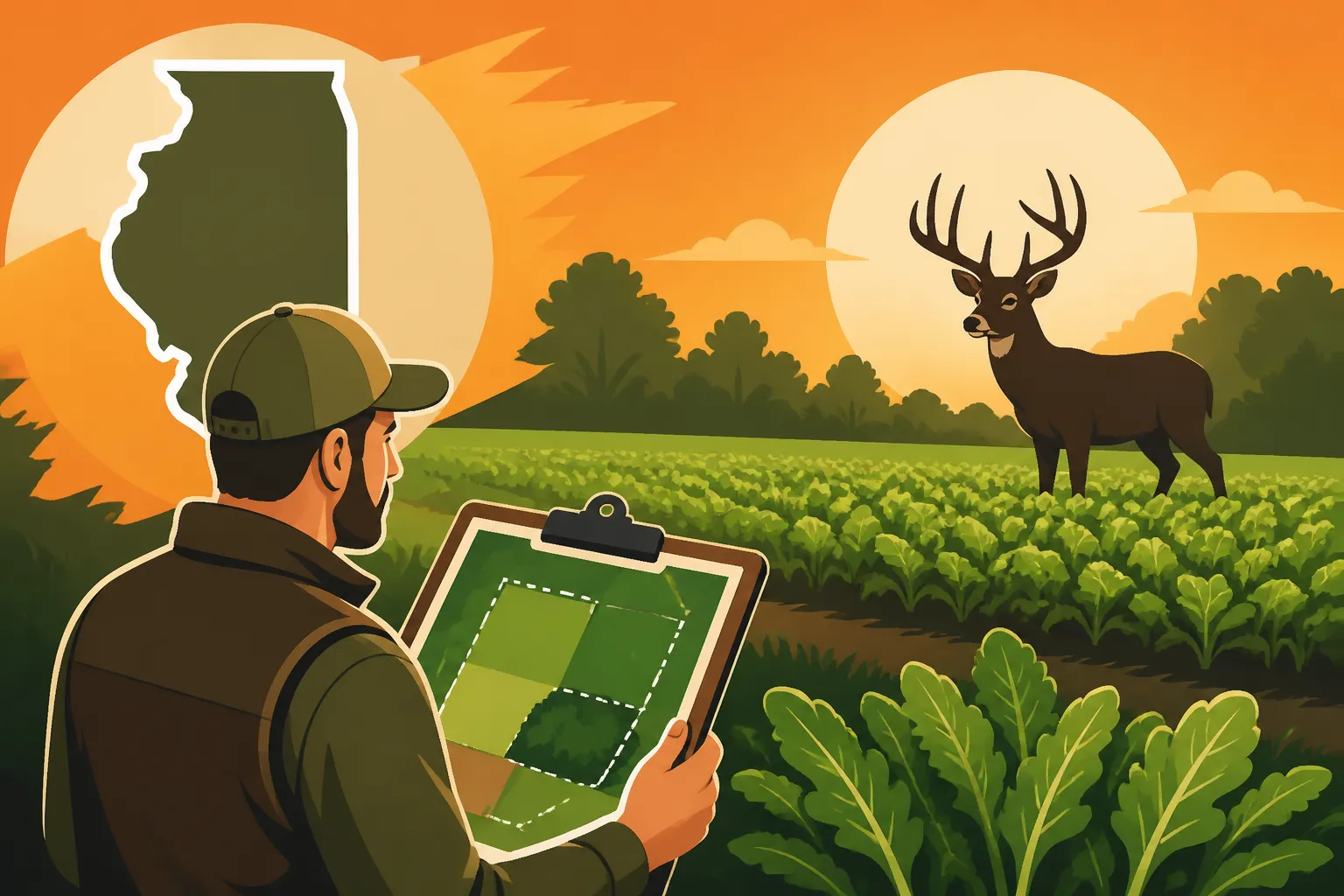
The first and most critical step in any effective food plot consultation is an on-site visit. There's simply no substitute for walking the land with an experienced eye. The outfitter will spend time observing the existing habitat, topography, and the specific locations you're considering for plots. They'll look for crucial elements like available sunlight throughout the day, which can vary dramatically based on tree cover and ridge lines. Water drainage is another huge factor; you don't want your carefully planted plot to turn into a swamp after a spring deluge. Access to the plot for equipment and, more importantly, for silent hunting entry and exit routes, will be evaluated. They'll assess existing deer sign – trails, rubs, scrapes – to understand current travel patterns and potential bedding areas. This comprehensive survey informs every subsequent recommendation, ensuring that the proposed plots are not just viable but strategically positioned to enhance your hunting opportunities. This kind of detailed scouting is similar to the intensive effort hunters put into Reading Aerial Photos for Southern Illinois Deer but with the added benefit of a professional's interpretation on the ground.
Tailored Recommendations and Planning
Following the assessment, the outfitter will develop a customized plan for your property. This isn't a one-size-fits-all solution; it's a blueprint designed specifically for your soil, your goals, and your deer herd. The recommendations will cover:
- Soil Analysis & Amendments: They'll often suggest taking soil samples and interpreting the lab results, advising on specific lime and fertilizer requirements to achieve optimal pH and nutrient levels. This is fundamental for successful plant growth and often the most overlooked aspect by DIY plotters.
- Species Selection: Based on your soil, sunlight, and desired outcome (e.g., early season draw, late season nutrition, year-round appeal), they'll recommend specific seed mixes. This might include various clovers, brassicas, chicory, oats, rye, or even annuals like corn and soybeans. They'll consider factors like drought resistance, browse tolerance, and palatability for deer.
- Planting Schedule: Knowing when to plant in Illinois is just as crucial as what to plant. They'll provide a seasonal calendar for planting, accounting for local frost dates, rainfall patterns, and optimal germination temperatures.
- Plot Size and Location Strategy: Instead of just one big plot, they might suggest multiple smaller plots strategically placed to draw deer past specific stand locations or to provide staging areas before fields. This could involve creating longer, narrower plots along travel corridors or small "kill plots" tucked into cover. They'll also consider how these plots integrate with your stand setups, helping you avoid spooking deer as you approach or leave.
Beyond the Seeds: Holistic Habitat Management
Food plots, while powerful, are just one piece of the puzzle when it comes to creating truly exceptional wildlife habitat. An excellent food plot consultant will broaden the scope to include how your plots interact with and enhance the entire ecosystem of your property.
Integrating Plots with Broader Habitat Goals
A successful outfitter knows that deer need more than just food; they need cover, water, and secure travel routes. Your food plots should not exist in isolation but be strategically placed to complement other habitat features. This might involve advice on creating or improving bedding cover, such as hinge-cutting trees to provide dense browse and security, or clearing areas for thick native grasses. They might suggest enhancing existing water sources or even adding small water holes in key areas. Furthermore, they can help identify natural pinch points, funnels, and existing timber edges to connect your food plots with bedding and water, effectively creating a deer highway that leads right past your stand. Thinking holistically ensures that your efforts aren't just attracting deer, but holding them on your property. This integrated approach can transform an average property into a deer haven, a concept explored in discussions about Food Plots on Illinois Private Land.
Long-Term Management and Monitoring
Creating a food plot isn't a "plant it and forget it" endeavor, and a good consultant will guide you through the long-term commitment. This includes regular soil testing to monitor nutrient levels and pH, allowing you to make timely adjustments with lime and fertilizer. They might advise on rotation strategies, perhaps rotating annuals with perennials to improve soil health and prevent disease build-up. Monitoring deer usage is also critical; understanding which plots are getting hit hardest and at what times can inform future planting decisions or even stand placements. Trail cameras become invaluable tools here, allowing you to track deer movement and plot preference. GoHunt or similar mapping and scouting tools can be instrumental in digitally tracking these observations over time, helping you analyze patterns and make informed adjustments to your plan year after year. The goal is to evolve your habitat with the deer herd and environmental changes, ensuring sustained success.
Choosing the Right Consultant for Your Illinois Property
Deciding to bring in a consultant is a significant step, and finding the right fit for your property and your hunting philosophy is crucial. There are many talented outfitters and land managers in Illinois, but their specialties and approaches can vary.
Key Questions to Ask Potential Outfitters
When you're interviewing potential consultants, don't be shy about asking direct questions. You're investing in their expertise, so you need to be confident in their abilities and their approach. Here's a table of important questions to consider:
| Category | Key Questions to Ask | Why It Matters |
|---|---|---|
| Experience | How long have you been consulting on food plots in Illinois? | Demonstrates proven track record and local knowledge. |
| Can you provide references from past clients? | Allows you to verify their success and client satisfaction. | |
| What's your personal hunting background and philosophy? | Ensures their approach aligns with your goals (e.g., trophy vs. general harvest). | |
| Local Knowledge | Are you familiar with soil types and climate patterns in my specific region (e.g., Southern, Central, Northern Illinois)? | Critical for tailored, effective recommendations. |
| What are the most common challenges you see in my area? | Shows they understand specific local hurdles you might face. | |
| Services | What exactly does your food plot consulting package include? | Clarifies deliverables, whether it's just a plan or ongoing support. |
| Do you offer hands-on assistance or just advice? | Determines if they help with implementation or solely planning. | |
| How do you integrate food plots with other habitat improvements? | Reveals their holistic approach to land management. | |
| Logistics | What is your typical turnaround time for a plan after a site visit? | Helps manage expectations for project timelines. |
| How do you handle follow-up questions or adjustments to the plan? | Important for ongoing support and adapting to unforeseen circumstances. |
Remember, you want someone who understands the intricacies of Finding Sign in Big Shawnee Forest Timber if you're in the south, or who has experience with Entry Routes Through Standing Corn in the flatlands. Don't be afraid to utilize resources like BookYourHunt or even broader hunting community forums to research reputable outfitters who offer consulting services in Illinois.
Considering Cost and Value
Yes, hiring a consultant is an investment, but it's often an investment that pays dividends. Think about how much you might spend annually on failed seeds, fertilizers, or equipment rentals that don't quite hit the mark. The cost of a professional consultation can often be offset by avoiding these costly mistakes. Moreover, the value isn't just in saving money; it's in saving time, reducing frustration, and ultimately, improving your hunting success. The expertise an outfitter brings can accelerate your property's potential, creating better habitat and attracting healthier deer. This can lead to increased harvest opportunities, a more robust deer herd, and a more enjoyable hunting experience overall. While specific pricing structures vary greatly among consultants, many offer tiered packages that can range from a one-time site visit and plan to ongoing management guidance. Compare this to the potential yield of your Illinois Deer Herd Size if you're actively creating ideal forage.
Ultimately, food plot consulting from an experienced Illinois outfitter can be the game-changer you've been looking for. It streamlines the complex process of habitat improvement, ensuring your efforts are guided by local knowledge and proven strategies, moving you past trial-and-error to real, measurable success on your hunting property.
Disclaimer
This article is for general informational purposes only and does not constitute professional advice. Laws, prices and regulations vary by location and change over time. Consult a qualified professional for guidance on your specific situation.