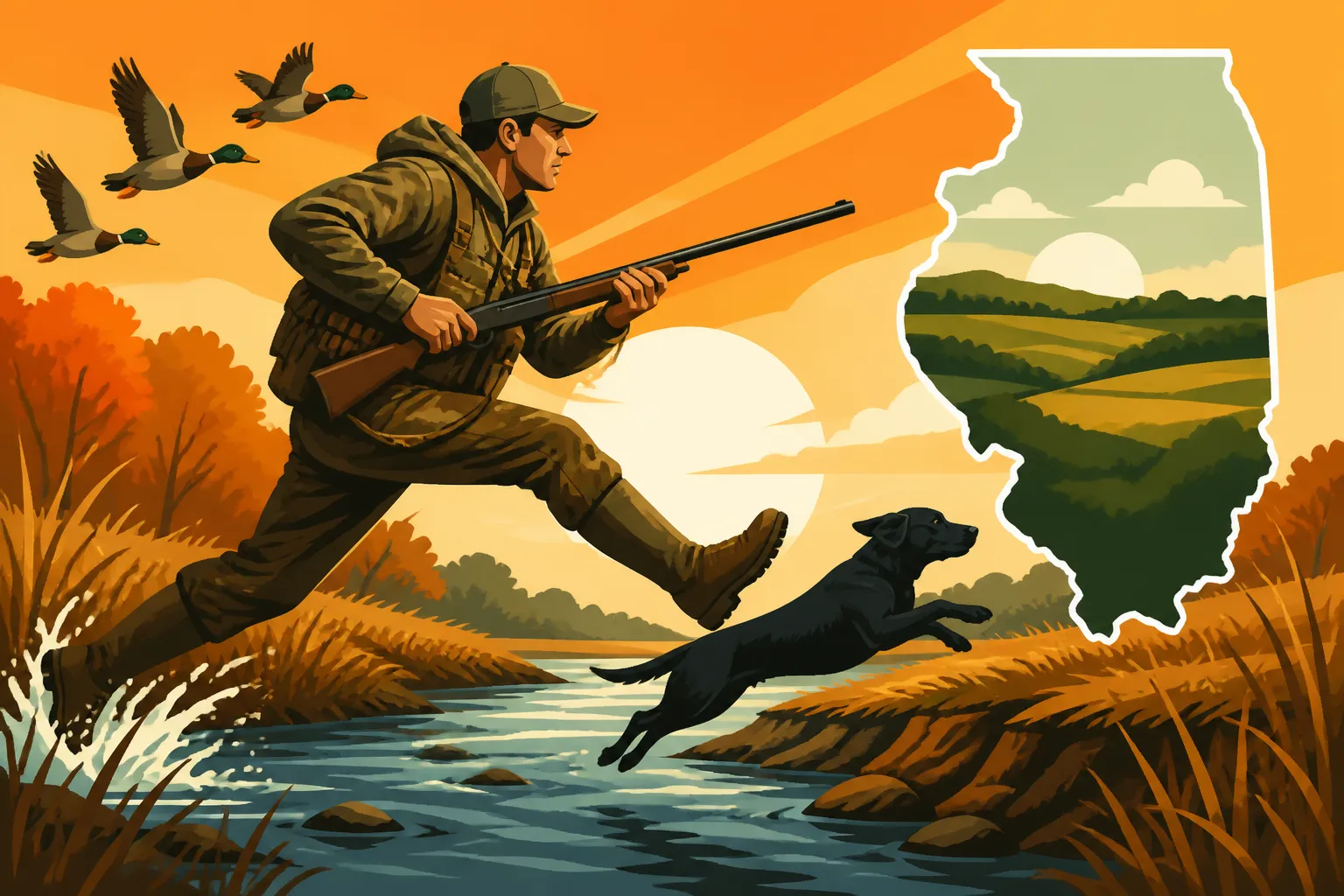
Jump-Shooting an Illinois Creek
It's easy to get caught up thinking that waterfowl hunting in Illinois means massive decoy spreads, expensive blinds in flooded timber, or exclusive access to private impoundments. For many of us, that's just not a realistic picture. The frustration of wanting to get out there and chase ducks but feeling priced out or locked out of prime spots is real. But what if I told you there’s an incredibly accessible, highly effective, and deeply satisfying way to hunt ducks right here in Illinois, often on public land or smaller parcels you can get permission for, and it doesn't require a fortune in gear? We're talking about jump-shooting creeks, and this guide is going to walk you through everything you need to know to make it your new favorite way to hunt.
Understanding the Basics of Illinois Creek Jump-Shooting
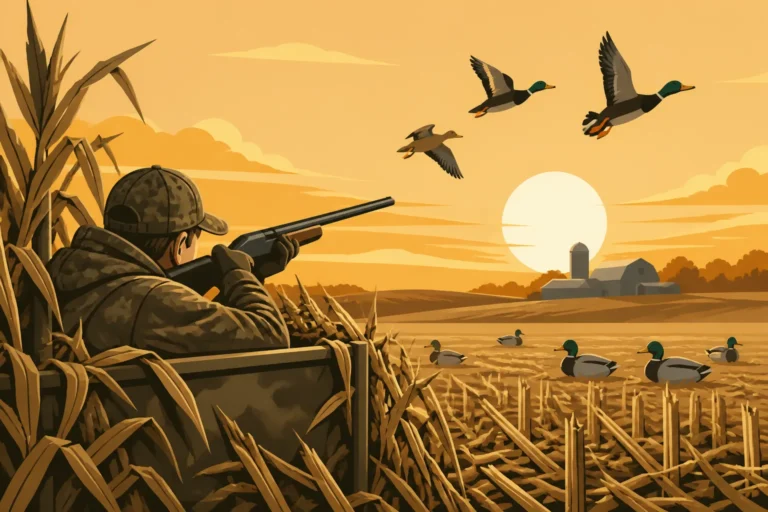
Jump-shooting is a classic, active style of waterfowl hunting that relies on stealth, surprise, and quick reflexes. Instead of waiting patiently in a blind for birds to come to you, you're going out there and finding them where they're roosting, feeding, or just hanging out, often along smaller waterways. It's a fantastic alternative for hunters who love to cover ground and engage directly with the environment.
What is Jump-Shooting and Why it Works on Creeks?
At its heart, jump-shooting involves walking along a waterway, carefully approaching bends, log jams, or thick cover, and flushing ducks at close range. When the birds burst into the air, you react quickly and take your shot. This method is particularly effective on smaller creeks and streams because these waterways often offer natural cover that ducks feel safe in, but also concentrate them in predictable areas. Unlike wide-open rivers or large lakes, creeks provide a more confined space where birds can't see you coming from a mile away and are less likely to simply fly out of range unnoticed.
Think about it: ducks, especially wood ducks and mallards, love to hide in the quieter backwaters and secluded pockets that creeks provide. They're looking for refuge from hunting pressure on bigger water and a safe place to rest and feed. Creeks offer just that – twisty turns, overhanging branches, and fallen timber create perfect ambush points for both the hunter and the hunted. You'll primarily encounter wood ducks and mallards, though occasionally you might jump a few green-winged teal or even a bonus hooded merganser. The intimacy of working a creek, alone or with a partner, makes every flush an exciting, heart-pounding moment.
Essential Gear for Creek Hunters
One of the beautiful things about jump-shooting is that you don't need a boatload of specialized gear. Your primary focus should be on staying dry, comfortable, and being able to move stealthily.
First and foremost, a good pair of waders is non-negotiable. Chest waders are generally preferred over hip waders because you never know when you'll step into a deeper hole or need to cross a wider section. Depending on the season, you'll want either insulated waders for the colder late fall and winter months or uninsulated ones for the milder early season. There's nothing worse than being cold and wet a mile from your truck. Next, your shotgun should be reliable and comfortable to carry. Many hunters prefer a shorter barrel (24-26 inches) for navigating brush and tight spaces along the creek banks. As for ammunition, remember that federal law requires non-toxic shot for all waterfowl hunting, so steel shot is your go-to. Shot sizes like #3 or #4 steel are versatile for ducks, offering a good balance of pattern density and knockdown power.
Beyond those basics, a small, comfortable game vest or backpack is invaluable for carrying extra shells, a water bottle, snacks, and, of course, your harvested birds. If you have a retrieving dog, they are a huge asset for finding birds in thick cover or retrieving from swift currents; just make sure they're wearing a bright, visible collar for safety. Lastly, modern mapping tools are essential for scouting and navigating property lines. Apps like GoHunt, for instance, can be incredibly helpful for identifying potential creek systems, public access points, and avoiding accidental trespass. Having your license, federal duck stamp, and HIP certification handy (either physically or digitally on your phone) is also a must.
Scouting and Strategy for Illinois Creek Success
Success in jump-shooting isn't just about walking and flushing; it's about smart scouting and understanding duck behavior on these smaller waterways. Putting in the legwork before the season, or even the day of, can make all the difference between a memorable hunt and a frustrating hike.
Identifying Productive Illinois Creeks and Waterways
The first step is knowing where to look. Productive jump-shooting creeks are typically smaller tributaries that feed into major river systems like the Illinois River or the Mississippi River. These creeks act as natural funnels and sanctuaries for ducks moving between larger bodies of water. When bigger rivers are high, icy, or heavily pressured, ducks will often push into these quieter feeder creeks.
When you're looking at maps, either physical topo maps or digital ones like those found on GoHunt, focus on creeks that have a good mix of timber, especially mature hardwoods that drop acorns, and areas with slow bends, log jams, and varying water depths. Ducks love slack water behind fallen trees or in deep pools formed by tight bends. Overhanging branches and thick brush along the banks provide vital concealment. While many prime locations are on private land, Illinois has numerous public access points, including some State Fish and Wildlife Areas or Conservation Areas that might have suitable creek stretches. Exploring these areas beforehand can give you an edge. Even a small creek draining a central Illinois farmland region can hold a surprising number of birds if it has good cover and provides a food source. For hunters in southern Illinois, many smaller streams in the Shawnee Hills region can offer fantastic opportunities. Remember, Scouting Illinois Public Land Before Season is crucial for finding these hidden gems.
The Art of the Approach and Flush
Once you've identified a promising creek, the real hunt begins. The approach is everything in jump-shooting. You want to move quietly, deliberately, and always be prepared for a sudden flush. A good rule of thumb is to generally try to walk into the wind. This masks your scent, makes it harder for birds to hear your approach, and often means that when flushed, the ducks will take off into the wind, slowing their ascent and giving you a better shot opportunity.
Use the available bank cover to your advantage. Walk low, hugging the bankside brush, and peek around bends cautiously. Many times, ducks will be sitting right on the other side of a bend, completely unaware until you round the corner. The element of surprise is your biggest weapon. Don't rush. Take your time, scanning the water ahead, especially in areas with good cover like log jams or dense cattails. If you're hunting with a partner, communicate silently. One person can walk the bank while the other wades the middle, or you can leapfrog positions, pushing birds to one another. Being aware of your surroundings, including potential escape routes for the birds, helps you anticipate their flight path.
Reading Water and Bird Behavior
Ducks aren't just randomly distributed along a creek; they prefer specific types of water. Learning to "read" the water and recognize prime duck habitat will significantly increase your success. Look for calm eddies, areas where the current slows down, or slack water behind obstacles like large rocks or fallen trees. These are ideal resting spots where ducks can conserve energy and find food. Shallow riffles might indicate feeding areas, while deeper pools offer security.
Beyond the water itself, keep an eye out for fresh sign. Duck droppings on logs or along the bank, shed feathers, or distinct tracks in the mud are all indicators that birds have been using that particular stretch recently. Understanding the habits of different species also helps. Wood ducks, for example, are notorious for holding tight in thick cover, often bursting out directly beneath your feet, whereas mallards might flush a little further out. Pay attention to how they react to your presence. If you flush birds and they simply fly a short distance and land again further downstream, it might be a good idea to continue your cautious approach. Knowing Wood Ducks in Illinois River Bottoms and their behavior is a huge asset. The best times to jump-shoot are typically early mornings and late afternoons when birds are most active, but on a cold, dreary day, they might be using those sheltered creek areas all day long.
Safety, Regulations, and Ethical Considerations
While jump-shooting is a fantastic way to experience waterfowl hunting, it's vital to stay safe, know the rules, and always act ethically. This ensures both your safety and the longevity of this rewarding pursuit in Illinois.
Navigating Public and Private Land Along Creeks
One of the biggest hurdles for any Illinois hunter is understanding land ownership, especially along waterways. When jump-shooting creeks, it's absolutely crucial to know if you're on public or private land. Generally, smaller, non-navigable creeks in Illinois are considered private property, even if the water flows through. This means you need explicit permission from the landowner to hunt along the banks or wade in the creek bed.
However, things get a bit more complex with larger, truly "navigable" waterways. While Illinois law regarding public access on navigable streams can be ambiguous for smaller creeks, it's always best to err on the side of caution. For larger river systems, like access points along the Mississippi River Public Hunting Access, the rules might be different. Your best bet is to check with the Illinois Department of Natural Resources (IDNR) for specific regulations regarding any public hunting areas you plan to visit. Using mapping apps like GoHunt is invaluable here, as they often have property line overlays that can prevent accidental trespass. Always, always obtain permission before stepping foot on private land. A quick knock on the farmer's door or a phone call can open up great opportunities and build positive relationships between hunters and landowners.
Waterfowl Hunting Regulations Specific to Illinois
Illinois has clear regulations for waterfowl hunting that every jump-shooter must adhere to. The most critical is the federal requirement for steel shot (or other approved non-toxic shot types) when hunting waterfowl. Forget your lead shot for ducks and geese; it's illegal. You'll also need to be aware of the daily bag limits and possession limits for various species. For example, the Illinois Duck Daily Bag Limit varies by species, with specific limits for mallards (hen vs. drakes), wood ducks, pintails, and more. Always consult the current Illinois Digest of Hunting and Trapping Regulations before heading out.
Additionally, every waterfowl hunter 16 years or older needs a valid state hunting license, a State Habitat Stamp, a Federal Duck Stamp, and must be HIP (Harvest Information Program) certified. You can usually get your Illinois Hunting Licenses and What They Cost and all necessary stamps and certifications online through the IDNR website. While blaze orange isn't required for waterfowl hunting, it's often a good idea to wear it (or carry it) when walking to and from your hunting spot, especially if you're crossing fields or areas where other upland hunters might be present. Just remember to take it off or cover it when you're actively hunting the creek. Be mindful of Illinois Migratory Bird Stamp Cost requirements as well.
Safety First on the Water
Jump-shooting often puts you in situations that demand extra attention to safety. Wading in cold, moving water can be inherently risky. Always consider hunting with a buddy; having an extra set of hands and eyes is invaluable for retrieving birds, navigating tricky terrain, or in case of an accidental fall. Be acutely aware of slippery banks, hidden deep holes, and strong currents, especially after heavy rains. A wading staff can provide extra stability.
Shotgun safety is paramount, particularly with the quick, reactive shots that characterize jump-shooting. Always know where your hunting partner is, keep your muzzle pointed in a safe direction, and be certain of your target and what's beyond it. When you flush birds, it's easy to get excited, but never swing on a bird if it means pointing your barrel at your partner. In colder weather, hypothermia is a serious concern. Dress in layers, wear good waders, and bring a change of clothes in the truck. If you do get wet, get out of the cold immediately. Finally, retrieving downed birds safely is part of the ethical hunt. Make sure you can safely reach a bird before taking a shot that might put it in an inaccessible or dangerous spot.
Maximizing Your Creek Jump-Shooting Experience
Jump-shooting is more than just bagging birds; it's about the adventure, the challenge, and connecting with the wilder side of Illinois. By refining your tactics and embracing the unique aspects of this hunting style, you can truly maximize your experience.
Strategies for Success on Pressure Days
Let's be realistic: Illinois hunting can get crowded, especially on opening weekends or during the peak of the migration. When the popular spots are packed, and the big rivers are hammered, that's often when smaller creeks shine. One key strategy is to focus on creeks that other hunters overlook. These might be smaller, harder to access, or simply less known. While everyone else is fighting for a spot in a large flooded field, you could have a mile of secluded creek all to yourself.
Another excellent strategy for pressure days, or anytime hunting gets tough, is to hit the creeks immediately after a significant cold front. New birds often push into the state, and these fresh arrivals haven't learned the local pressure points yet. They're also often looking for sheltered, calmer waters away from the harsh winds and cold of larger bodies. If you find one stretch of creek empty, don't give up! Try another section, or even a different creek altogether. Being flexible and willing to walk a bit further than the average hunter often leads to finding those untouched pockets of ducks. Sometimes, just a slight change in a creek's character, like a wider, slower section or a particularly dense patch of cover, can make all the difference.
Beyond the Flush: Retrieving and Processing Your Birds
The excitement of the flush and the shot is only half the battle; successfully retrieving your downed bird is just as critical. When a duck falls, keep your eyes on it until it hits the water or bank, noting any landmarks around its landing spot. This "marking" is essential, as ducks can be surprisingly hard to find in thick creek-side vegetation or swift current. If you're fortunate enough to hunt with a well-trained retriever, they'll make this task much easier. A good dog can sniff out birds hidden in cattails or retrieve them from water you might not want to wade into.
Once retrieved, ethical hunters quickly and cleanly dispatch any bird that is not instantly killed. Field dressing your birds promptly helps cool the meat and improve its quality. This usually involves removing the entrails as soon as possible. If you're going to be out for an extended period, carrying a game bag that allows for airflow or even a small cooler with ice can help keep your birds fresh. Back at home, preparing your harvest is another rewarding part of the experience. Whether you breast out your ducks or pluck them whole, the rich, wild flavor of a creek-jumped duck is a culinary reward. You might even find yourself drawing parallels to preparing other game, like Cooking a Wild Turkey Breast, adapting techniques for delicious waterfowl meals.
Enjoying the Solitude and Challenge
There's something uniquely satisfying about jump-shooting a creek. It's a hunting style that strips away much of the elaborate gear and preparation often associated with waterfowl, bringing you back to a more primal, active pursuit. The solitude of walking a quiet creek bottom, the sudden explosion of wings, and the challenge of a quick, clean shot combine to create an intensely personal and engaging hunting experience.
It’s physically demanding, requiring you to navigate uneven terrain, wade through water, and stay alert for hours. This physical exertion, however, only deepens your connection to the landscape and the hunt itself. You'll learn to read the water, understand the subtle cues of duck behavior, and appreciate the hidden beauty of Illinois's smaller waterways. With less gear to haul around, your focus remains entirely on the hunt and the environment. So next time you're thinking about waterfowl, consider grabbing your waders and shotgun and exploring a local creek. It just might become your favorite way to chase ducks in Illinois.
| Aspect | Large Waterfowl Hunt (Typical) | Creek Jump-Shooting (Typical) |
|---|---|---|
| Location | Flooded fields, large rivers, lakes | Small creeks, streams, tributaries |
| Gear Needed | Decoys, blind, boat, calls | Waders, shotgun, ammo, vest |
| Hunting Style | Stationary, waiting for birds | Active, walking, flushing birds |
| Primary Birds | Mallards, geese, divers | Wood ducks, mallards, teal |
| Access | Often private land, expensive leases | Public land, small private parcels |
| Cost | Potentially high upfront investment | Relatively low startup cost |
| Experience | Social, methodical, blind-based | Solitary, active, spontaneous |
Disclaimer
Hunting is an inherently dangerous activity. Always prioritize safety, understand and follow all local, state, and federal regulations, and obtain appropriate licenses and permits. The information provided in this guide is for informational purposes only and should not be considered legal advice. Consult the latest Illinois Department of Natural Resources (IDNR) regulations before engaging in any hunting activities.