Layout Blind Hunting a Cut Cornfield
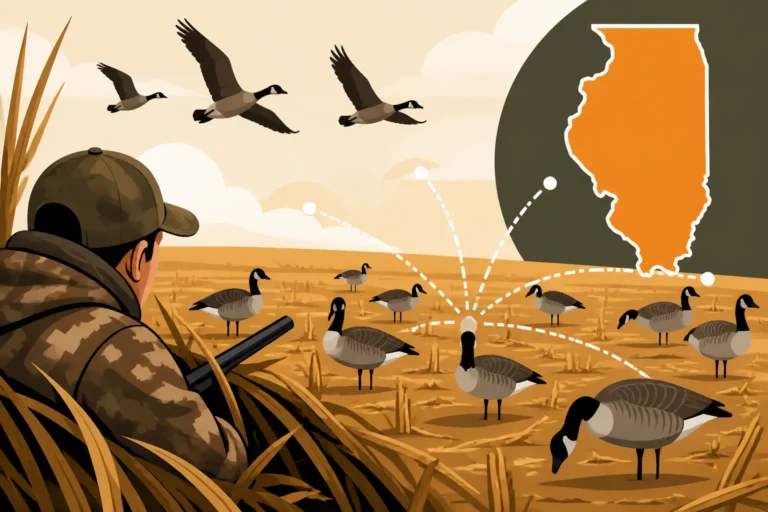
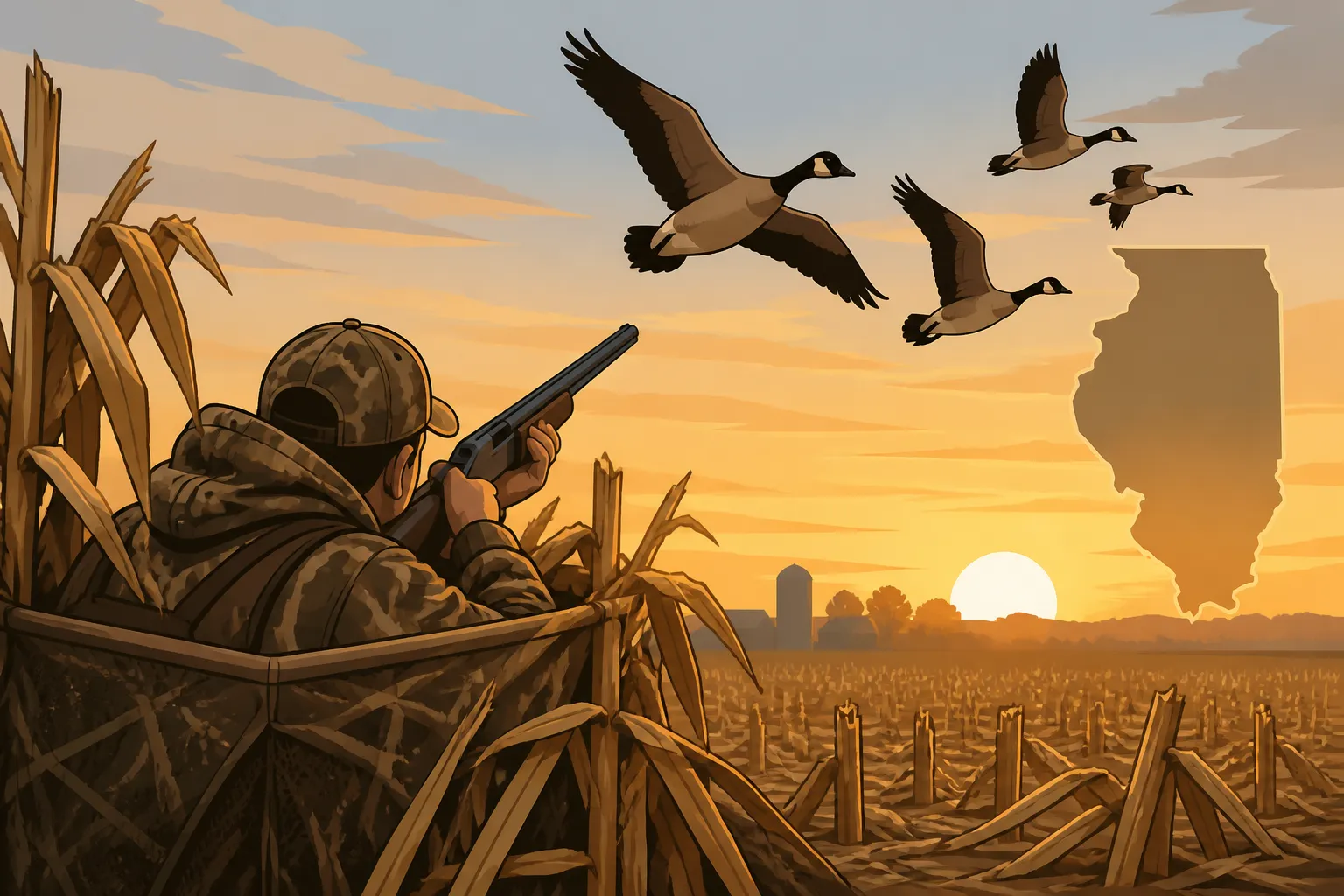
There's nothing quite as frustrating as seeing flocks of ducks and geese flying overhead, seemingly oblivious to your well-intentioned efforts from a pit blind or an open-field hide, especially when they're piling into a freshly cut cornfield just out of range. That's a common scenario for many Illinois waterfowl hunters, but thankfully, mastering the art of layout blind hunting in these wide-open spaces can dramatically change your success. This guide will walk you through everything you need to know to transform those cut cornfields into your personal waterfowl honey holes, from understanding bird behavior to perfecting your setup.
Why Cut Cornfields are Irresistible to Waterfowl
Imagine you're a duck or a goose, fresh off a long migration, looking for energy-rich food and a safe place to rest. Those vast, flat expanses of recently harvested cornfields across Illinois are like a five-star buffet. They represent a significant draw for waterfowl throughout the migration seasons, offering a vital food source that's hard to beat.
The Abundance of Leftover Grain
Once the combines roll through, they leave behind a surprising amount of waste grain. For ducks, especially dabblers like mallards, and all species of geese, these fallen kernels are an easily accessible, high-energy food source. They're quick to spot these golden opportunities from the air, and once a few birds commit, others quickly follow suit. It's a classic case of "safety in numbers" combined with a reliable meal. During peak migration, especially when the weather turns cold, these fields become crucial refueling stations. Understanding Illinois Waterfowl Migration Timing can help you predict when these fields will be most active.
Loafing and Security in Open Spaces
Beyond the food, cut cornfields offer another critical element: security. Waterfowl, particularly geese, feel much safer in wide-open areas where they can see predators approaching from a distance. A field with low stubble allows them a clear view of their surroundings. After a long morning of feeding, they'll often "loaf" in these same fields, preening, resting, and digesting before flying off to water for the night or continuing their journey. This behavior makes these fields not just feeding grounds, but all-day magnets, increasing your chances of multiple flights throughout the day. You'll often see large groups of Canada Geese on Illinois Farmland utilizing these exact spots.
Choosing and Rigging Your Layout Blind
The success of hunting cut cornfields hinges almost entirely on your ability to disappear into the landscape. This is where the layout blind comes in. It's designed to be low-profile, keeping you hidden while offering a comfortable vantage point. But not all blinds are created equal, and proper rigging is paramount.
Selecting the Right Blind for Illinois Fields
When choosing a layout blind, think about the specific conditions you'll face in Illinois. Our fields can be muddy, frozen, or dusty, and the corn stubble varies.
- Low Profile: The flatter the better. Brands like Avery, Final Approach, and Rogers Sporting Goods offer excellent low-profile options. You want something that hugs the ground, minimizing your silhouette.
- Comfort and Durability: You'll be spending hours in this thing. Look for good padding, back support, and a sturdy frame. Illinois weather can be harsh, so durable, waterproof materials are a must. A blind with a good headrest can make a long morning much more bearable.
- Camouflage Pattern: Match the local stubble. Most blinds come in various camo patterns like "Stubble," "Cornfield," or "Prairie." Select one that closely resembles the color and texture of the harvested cornstalks in your area. Some hunters even add real dirt to their blinds to dull the fabric and further blend it in.
- Ease of Entry/Exit: In a fast-paced hunt, quick entry and exit are vital. Test the blind's doors and mechanisms to ensure they operate smoothly, even with gloves on.
The Art of Brushing In Your Blind
This is arguably the most critical step to fooling wary birds. A perfectly placed decoy spread is useless if your blind sticks out like a sore thumb.
- Use Local Materials: Never bring foreign vegetation. Use cornstalks, dried weeds, or leftover soybean stubble from the exact field you're hunting.
- Break Up Hard Lines: The goal is to eliminate any unnatural straight edges or dark blocks of fabric. Stuff vegetation into the stubble straps and over the edges of the blind. Make it look like a natural clump of field debris.
- Cover the Top: Don't forget the top and sides. Wary birds will circle, looking down. Ensure there are no visible dark holes or shadows. If the blind has a mesh face screen, make sure it’s pulled taut and doesn’t create a dark void.
- Field Testing: Before the hunt, have a friend walk out 50-100 yards and look back at your brushed-in blind. Ask them what stands out. You might be surprised by what's visible from a bird's eye view. Sometimes even a slight reflection from a phone screen or shiny boot can give you away. Consider using a mapping tool like GoHunt to mark your blind locations and review the terrain from different angles virtually, helping you visualize potential issues from a bird's perspective.
To truly enhance your field hunting, especially in cut corn, consider these essential elements:
| Element | Importance | Key Considerations |
|---|---|---|
| Field Selection | Locating active feeding/loafing areas | Recent bird activity, prevailing winds, access points, obtaining permission |
| Blind Placement | Ultimate concealment and effective shooting lanes | Against natural contours, out of direct sun, clear shot zones, wind direction, traffic patterns |
| Brushing In | Blending with surroundings for invisibility | Use local vegetation (corn stalks, weeds, dirt), eliminate hard lines, cover openings, check from afar |
| Decoy Spread | Mimicking natural bird behavior | Species being hunted, wind direction, confidence decoys, realistic landing zone, motion |
| Calling | Attracting attention and closing the deal | Volume control, realistic cadence, reading bird reactions, varied calls, confidence notes |
| Wind & Sun | Crucial for visibility, decoy movement, and bird approach | Sun at your back for concealment and target visibility, wind into faces of decoys, birds typically land into the wind |
Decoy Spreads and Calling Strategies
Once your blinds are perfectly hidden, the next step is to convince passing birds that your setup is the safest, most appealing spot in the whole field. This is achieved through thoughtful decoy placement and expert calling.
Crafting a Convincing Decoy Spread
The goal isn't just to put decoys out; it's to create a scene that looks completely natural and inviting to wary waterfowl.
- Quantity Over Quality (Sometimes): While high-quality full-body decoys are fantastic, especially for geese, sometimes sheer numbers make a difference. Birds are drawn to large flocks. However, a small, realistic spread of high-quality decoys can often outperform a massive, poorly set one.
- Species Specificity: If you're targeting geese, use goose decoys. If ducks are your primary quarry, use duck decoys. Often, a mixed spread works well in Illinois, reflecting the reality of birds feeding together. For example, a core of goose decoys with a smaller cluster of mallard and pintail decoys nearby looks very natural.
- The Landing Zone: This is the most crucial part of your spread. Leave an open area directly in front of your blinds (typically 20-30 yards) where birds can comfortably land into the wind. This "hole" acts as an irresistible invitation.
- Wind Direction is Key: Birds almost always land into the wind. Position your decoys so that the landing zone is directly in front of your blinds, allowing birds to approach and set their wings right where you want them. The decoys should face into the wind.
- Motion Decoys: Spinners (like Mojo decoys) for ducks, or flapping wing decoys for geese, can be absolute game-changers, especially on calm days. The flash and movement catch a bird's eye from a long distance. Use them sparingly for geese as they can sometimes flare very wary birds, but for ducks, they're often irresistible. Consider a few full-body feeder decoys too, to simulate birds actively feeding.
Mastering the Call
Your call is your voice in the field, drawing birds in and finishing them.
- Gauge the Distance: Adjust your calling volume based on how far away the birds are. For birds on the horizon, a loud, drawn-out greeting call is appropriate. As they get closer, soften your calls.
- Natural Cadence: Listen to real birds. They don't call constantly or in a perfectly uniform rhythm. Incorporate varied feed calls, clucks, and murmurs for ducks, and deep honks and clucks for geese.
- Read the Birds: Pay close attention to their reaction. If they turn towards you, you're doing something right. If they shy away, ease off the call or try a different one. Sometimes, going quiet after a greeting call can make them curious enough to commit.
- Confidence Calls: Once birds are committed and circling, a soft, reassuring cluck or purr can often seal the deal, especially for ducks. For geese, softer clucks and murmurs mixed with occasional honks can work wonders when they're close. You'll find specific advice on Early Goose Season Tactics in Illinois that directly applies to calling in cut cornfields.
Scouting and Field Selection for Optimal Success
You can have the best blinds, decoys, and calling skills, but if you're not in the right field, it's all for naught. Successful layout blind hunting begins long before you set foot in the field, with meticulous scouting.
The Power of Pre-Season and In-Season Scouting
Waterfowl are creatures of habit, but their habits can change quickly based on weather, food availability, and hunting pressure.
- Aerial Reconnaissance: Start your scouting from home. Utilize mapping apps like GoHunt or OnX Hunt to identify potential cut cornfields. Look for fields adjacent to known water sources like the Illinois River or smaller ponds. These apps can help you pinpoint areas where birds might stage or fly through. You can often learn a lot about terrain and potential travel corridors by Reading Aerial Photos for Southern Illinois Deer, and these same principles apply to scouting waterfowl fields.
- Road Cruising and Glassing: Once you've identified potential fields, drive around the area, preferably at dawn and dusk. Use good binoculars or a spotting scope to observe bird activity from a distance. Look for where birds are entering, feeding, and exiting the field. Pay attention to how many birds are using the field and what species they are.
- Permission is Paramount: Most prime cut cornfields in Illinois are on private land. This means you must secure permission from the landowner. Approach them respectfully, explain your intentions, and offer to share some of your harvest. Many farmers are dealing with crop damage from large flocks of geese and might be more amenable than you think. Understanding Getting Private Land Permission in Illinois is critical before you ever consider stepping onto a private field.
- Understanding Bird Behavior: Different species have different preferences. Mallards might prefer slightly wetter fields or areas closer to standing water, while geese are more comfortable in vast open spaces. Observe if birds are feeding, loafing, or just passing through. This will inform your blind placement and decoy spread.
- Monitoring Conditions: Keep an eye on weather forecasts. Cold fronts often bring in new waves of birds and can make existing birds hungrier. Wind direction is also crucial for setup.
Public Land Considerations
While private land offers the most consistent opportunities, Illinois does have public access to some fantastic waterfowl hunting.
- Illinois Fish and Wildlife Areas: Many of these sites, like those in the Illinois River Valley, have specific fields managed for waterfowl. However, these areas often come with more regulations, permit requirements, and significantly higher hunting pressure. You'll need to do your homework on specific site rules and potentially apply for specific Illinois Managed Hunt Sign-Up Deadlines.
- National Wildlife Refuges: Places like Crab Orchard National Wildlife Refuge or Cypress Creek National Wildlife Refuge offer exceptional hunting, but they also have strict rules, draw systems, and designated hunting zones.
- Finding Unpressured Spots: Whether public or private, the real challenge is finding fields that haven't been over-pressured. Birds quickly learn to avoid fields where they've been shot at. This is where relentless scouting and being willing to move your setup come into play. For public land, this often means walking further or accessing less obvious spots. While typically focused on big game, the principles outlined in Scouting Illinois Public Land Before Season can be adapted to find less pressured waterfowl areas.
No matter where you hunt, always remember to check the current Illinois Duck Daily Bag Limit and ensure you have all necessary licenses, including your Illinois Federal Duck Stamp Requirement and Illinois HIP Certification for Bird Hunters. These are non-negotiable for a legal and successful hunt.
Final Thoughts on Field Hunting Success
Layout blind hunting in cut cornfields in Illinois is a challenging yet incredibly rewarding endeavor. It requires meticulous planning, a keen understanding of waterfowl behavior, and a commitment to concealment. When you get it right, there's nothing quite like the sight of ducks and geese committing to your spread, wings set, feet down, descending right into your landing zone. It’s a rush that few other forms of hunting can match. Remember to stay safe, be respectful of the land and other hunters, and always prioritize ethical hunting practices. Good luck out there, and may your flights be low and your limits be full!
Disclaimer
Hunting is an activity with inherent risks. Always prioritize safety, understand and follow all local, state, and federal hunting regulations, and be mindful of ethical hunting practices. This guide is for informational purposes only and does not supersede official hunting laws or safety guidelines. It is the responsibility of each hunter to ensure they are properly licensed and educated before engaging in any hunting activity.