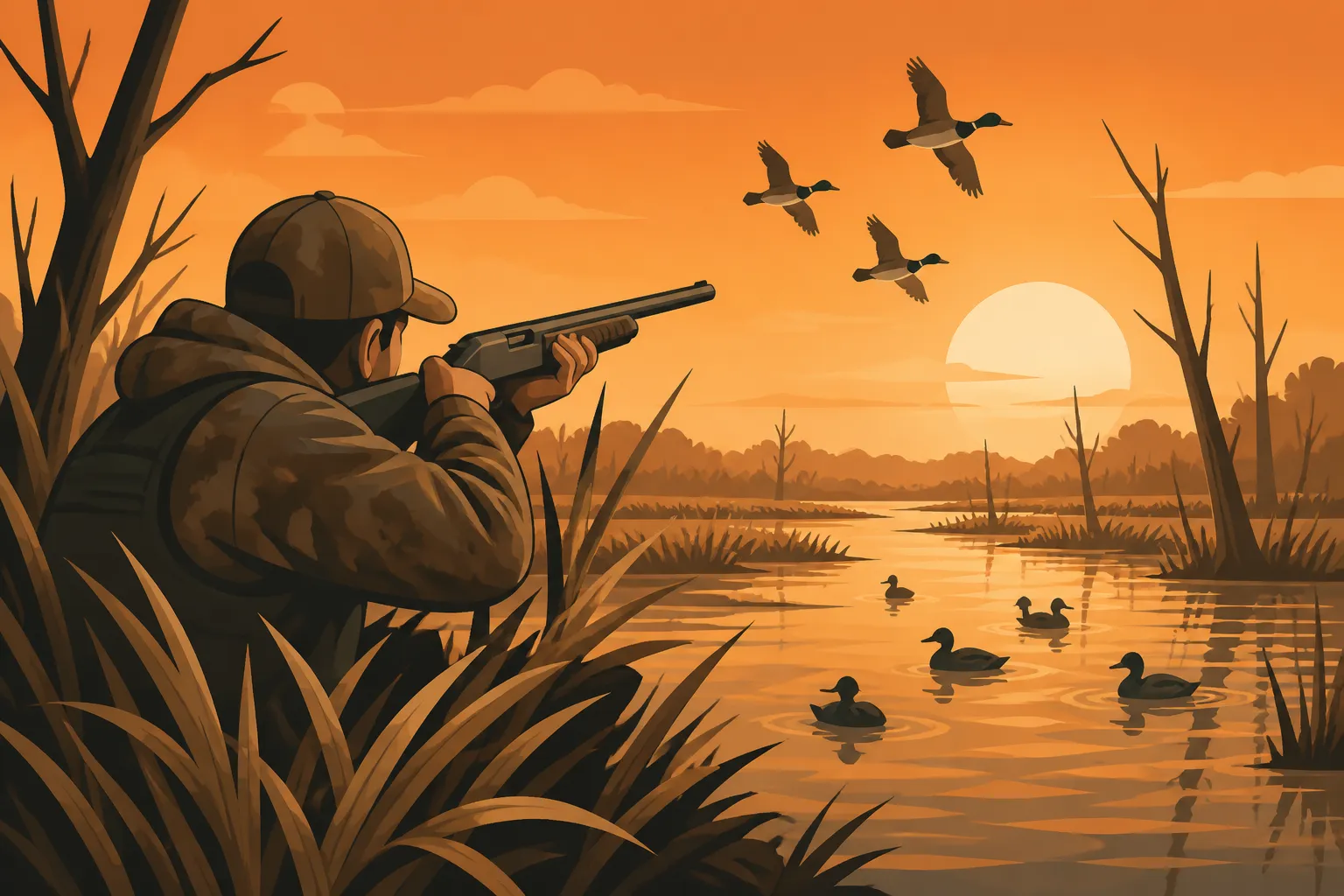
Hunting Mississippi River Backwater Sloughs
The vastness of the Mississippi River can feel overwhelming for any duck hunter, with its miles of main channel, countless islands, and intricate web of backwaters. It's easy to get lost, feel intimidated, or simply struggle to find where the birds want to be, especially when facing hunting pressure. But don't despair! This comprehensive guide will pull back the curtain on hunting Mississippi River backwater sloughs, equipping you with the knowledge and tactics to find success in these often-overlooked waterfowl havens.
Understanding the Allure of Mississippi Backwater Sloughs
The Mississippi River isn't just a giant highway for barges; it's a dynamic ecosystem, and its backwater sloughs are the hidden jewels for waterfowlers. These areas offer distinct advantages and challenges that set them apart from the main channel.
Why Backwaters Are Different
Think of backwater sloughs as the cozy, sheltered neighborhoods of the waterfowl world. Unlike the roaring, often turbid main channel, these sloughs are typically shallower, with slower currents or even stagnant water, allowing for lush growth of aquatic vegetation like smartweed, pondweed, and various sedges. This rich food source, coupled with abundant natural cover from standing timber and thick brush, makes them incredibly attractive to ducks looking for both sustenance and safety.
The protected nature of backwaters means they often act as vital sanctuaries. While the main river might be a busy corridor of boat traffic, wind, and open water, the sloughs offer calm repose. This is especially true on windy days when ducks prefer to get out of the chop and into sheltered spots. Different species also have different preferences; while diving ducks might favor the deeper, more open stretches of the main river or large lakes, dabblers like mallards and especially wood ducks absolutely thrive in the timbered, food-rich confines of a backwater.
It's a stark contrast to hunting the wide-open expanse of the river or even larger Illinois River Valley waterfowl hunting areas. Here, you're looking for intimate pockets, flooded timber, and narrow channels that funnel birds right into your lap. Understanding these micro-environments is key, as the birds are specifically seeking out these features for survival and comfort, often actively avoiding the more exposed, pressured areas.
Reading the Water Levels
If there's one thing that dictates success in Mississippi backwater hunting, it's river stage. The water level can change everything from where the ducks feed and roost to whether you can even get your boat into a particular slough. High water opens up a whole new world of hunting possibilities, flooding timber and fields that are normally dry, spreading the birds out but also creating new, less pressured feeding grounds. Conversely, low water concentrates birds into smaller, deeper pockets, but it also makes many areas completely inaccessible or leaves vast mud flats in their wake.
Imagine a slough that's usually a duck magnet at normal river levels. A sudden drop might turn it into a mere puddle, pushing all the ducks elsewhere. On the flip side, a significant rise could mean your favorite timber hole is now a wide-open lake, making decoy placement and concealment much trickier. Hunters must become pseudo-hydrologists, constantly checking river gauges from sources like NOAA and the US Army Corps of Engineers (USACE) to understand current and projected water levels. This foresight allows you to plan your access routes, anticipate bird movement, and select the right hunting spots.
Beyond just access, water levels directly influence food availability. High water can flood acorn flats, making a prime food source suddenly available to ducks. Low water might expose mudflats rich with invertebrates and seeds, drawing in different species. The successful backwater hunter isn't just looking at where the water is but where it's going and how that will impact the ducks' dining and resting habits. Keeping an eye on the Illinois Waterfowl Migration Timing also helps correlate water levels with bird arrivals.
Scouting and Accessing These Hidden Gems
Finding these elusive backwater sloughs and then actually getting to them is half the battle. This isn't always a roadside pulloff scenario; it often requires dedication, persistence, and the right tools.
Pre-Season Scouting Strategies
Effective scouting for backwater sloughs starts long before opening day, often right from your computer screen. Digital mapping tools like Google Earth or the specialized layers available through platforms like GoHunt are invaluable. You can zoom in and identify potential pockets of standing timber, areas with a mix of open water and vegetation, and narrow channels that might indicate an entry point. Look for areas that have natural breaks in the timber, creating small landing zones for ducks, or features that would funnel birds along a flight path.
Once you've identified some promising spots digitally, it's time for boots-on-the-ground (or kayak-in-the-water) reconnaissance. During the off-season or low water periods, these sloughs often reveal their secrets. You can walk or paddle into areas that would be impassable once the water rises. Look for old duck blinds, tell-tale signs of previous hunting pressure, and, most importantly, evidence of duck activity like droppings, feeding signs, and primary food sources. It's crucial to understand Using the Illinois DNR Map Tool to verify public land boundaries and avoid trespassing on private property, which can sometimes be intertwined with public access along the river.
Remember that river bottom terrain can be incredibly deceptive. What looks like an easy paddle on a map might be a choked mess of logjams or a shallow mudflat in reality. An in-person visit allows you to gauge water depth, identify submerged hazards, and find the best routes for quiet entry and exit. GoHunt's detailed satellite imagery can show you how to read the topography and identify potential bedding and feeding areas. Pay attention to how current flows, even in backwaters, as this can affect where ducks position themselves and how you set up your decoys. Also, be mindful of specific regulations for areas like Crab Orchard National Wildlife Refuge Hunting or other public lands that might have unique rules.
Navigating the Backwaters
Getting into these backwater havens can be a challenge, and the type of boat you use is crucial. Many hunters opt for smaller, shallow-draft vessels like jon boats, canoes, or even specialized duck boats. A mud motor or surface-drive outboard is often preferred over a traditional propeller outboard, as it can navigate through thick vegetation and over shallow mudflats where a prop would bog down or get damaged. Even with these specialized setups, slow speeds and extreme caution are paramount.
The Mississippi backwaters are notorious for hidden hazards. Submerged stumps, logs, and fluctuating sandbars can turn a pleasant ride into a nightmare in an instant. Always proceed slowly, especially if you're exploring a new area or if water levels have recently changed. Keeping a keen eye on your depth finder (if you have one) and continually looking ahead for potential obstacles is non-negotiable. Knowing the specific Mississippi River Backwater Access Points is a good start, but conditions can vary wildly from one access to the next.
Depending on the depth and cover, you might choose to hunt directly from your boat, utilizing it as a blind, or you might prefer to wade into shallower areas with chest waders. Wading allows for quieter movement and often better concealment in dense timber, but it limits the gear you can bring. A boat offers more comfort and capacity for decoys, but it can be harder to hide effectively in open water. Carefully consider the conditions of your chosen slough and the species you're targeting when deciding on your approach.
Effective Tactics for Backwater Waterfowl
Once you've found your spot and successfully navigated the challenging terrain, it's time to focus on what brings the ducks in. Backwater hunting often demands a more nuanced approach than open-water gunning.
Decoy Spreads and Calling
In the intimate confines of a backwater slough, "less is more" often applies to your decoy spread. A massive spread of dozens of decoys can look unnatural and intimidating in a small pocket of flooded timber. Instead, focus on a smaller, more realistic spread of a dozen to two dozen decoys. Mix in species-specific decoys—mallards are a given, but don't forget those crucial wood duck decoys, especially in the early season. If you're hunting deeper pockets that might attract divers, adding a few diver decoys can also be effective.
Motion decoys, like spinning wing or splashing decoys, can be incredibly effective in the often-calm waters of a backwater, adding a lifelike ripple that draws attention. Place your decoys to create a landing zone where ducks can easily pitch in, typically upwind of your blind. In tight timber, you might only need a small opening, setting your decoys around its perimeter. Think about how real ducks would naturally cluster and feed in such a spot.
Calling in backwaters also benefits from realism and restraint. Avoid aggressive, loud calling that might work on an open field. Instead, focus on soft, pleading quacks, contented feed chuckles, and the distinctive squeal of a wood duck whistle. These calls mimic the natural sounds of ducks already comfortably feeding in the slough, making incoming birds feel safe. The goal isn't to draw birds from miles away but to entice those already in the vicinity to commit to your spread.
Blinds and Concealment
Being truly hidden is paramount in backwater hunting, where close-range shots are common. Natural cover is your best friend. Look for clusters of standing timber, thick brush, or fallen logs that you can effectively blend into. The key is to break up your outline and disappear into the environment. Don't be afraid to cut some natural vegetation (where legal and ethical) to brush in your blind or boat completely. The more you look like just another part of the natural landscape, the better your chances.
Portable blinds can also be effective if adapted for the environment. Boat blinds need to be well-camouflaged and brushed in heavily to avoid sticking out. A Layout Blind Hunting Illinois Farm Fields setup, while typically used in open fields, can sometimes be modified for larger, more open backwater mudflats, provided you have enough natural material to truly conceal it. The ground, or rather, the water level, often dictates the best approach.
Always consider the angle of the sun and the shadows it casts throughout the morning. Setting up so the sun is at your back, shining into the eyes of incoming birds, can provide a significant advantage. Also, think about your entry and exit routes—can you get in and out without flaring birds already in the slough? Minimal movement and maintaining a low profile are critical from the moment you arrive until the hunt is over.
Understanding Duck Behavior in Sloughs
Ducks utilize backwater sloughs for various reasons throughout the day. Wood ducks, known for their early morning flights, will often zip into timbered sloughs right at first light to feed on acorns or other submerged vegetation. Mallards might come in later, especially if they've been feeding in nearby agricultural fields, using the sloughs as a safe place to rest and digest. Divers, though less common in the shallowest backwaters, might seek out slightly deeper pockets to feed on aquatic invertebrates. Understanding these species-specific patterns and the general Duck Migration Timing Through Illinois can help you time your hunts effectively.
Hunting pressure plays a significant role in how ducks use these areas. Heavily hunted sloughs will see birds become warier and more nocturnal, or they might abandon them altogether for less disturbed areas. Finding those hidden, unpressured pockets is a true reward. Ducks also use these areas to escape strong winds or severe cold fronts, seeking shelter from the elements. A cold snap often pushes birds from the main river into the protected backwaters.
Ethical hunting also means recognizing when ducks are simply trying to rest. While hunting these areas is fair game, respecting the birds' need for sanctuary can help maintain populations. Avoid overhunting a single slough, and consider rotating your spots to reduce pressure. Always adhere to Illinois Duck Daily Bag Limit regulations and leave areas better than you found them. Consider reading about Reading a River Bottom Slough for a Morning Flight to fine-tune your approach for those critical early hours.
Season Timing and Species Specifics
Optimizing your backwater hunting success involves understanding when different species are likely to be present and how to tailor your tactics to them.
Peak Times for Backwater Hunting
The Mississippi River backwaters offer hunting opportunities throughout the entire waterfowl season, but peak times can vary. Early in the season, particularly during the first few weeks of the split, wood ducks are often the primary target. These birds are local, or early migrants, and haven't seen much pressure. Timbered sloughs with good acorn crops or smartweed patches can be incredible.
As the season progresses into late October and November, mallards become the dominant force. This is when larger numbers of migrating mallards begin to move down the Mississippi Flyway. A good cold front pushing south can pack the backwaters with mallards looking for shelter and food. This mid-season period is often considered prime time for many backwater hunters. Finally, in the late season, as temperatures plummet and the main river begins to freeze, even divers and some geese may be pushed into the remaining open water pockets of backwaters. This can be a challenging but rewarding time to hunt, as birds are often desperate for food and open water.
Always keep an eye on weather patterns. Major cold fronts, strong winds, or significant precipitation can trigger large movements of birds into or out of backwater areas. Ducks often abandon large, exposed bodies of water in favor of sheltered sloughs when the weather turns nasty. This is when patience and readiness pay off. You might also find relevant information by studying Illinois Waterfowl Zones and Seasons to align your hunting with peak migration periods for different regions.
Targeting Specific Species
While you'll often encounter a mixed bag, fine-tuning your approach for particular species can increase your success. For wood ducks, focus on heavily timbered sloughs with plenty of overhead cover. Use wood duck calls, especially the squeal, and set out a few realistic wood duck decoys in small, tight clusters. Wood ducks often fly fast and pitch in quickly, so be ready for action right at legal shooting light.
For mallards, look for backwaters with abundant submerged vegetation, flooded timber (especially acorn-bearing oaks), or proximity to agricultural fields. Mallards respond well to mallard hen calls, feed chuckles, and even drake growls. A slightly larger spread might be appropriate for mallards if the slough offers enough open water. Consider how ducks might approach from specific Hunting Illinois River Bottom Funnels leading into the slough.
While primarily known for ducks, geese, particularly Canada geese and sometimes even specklebellies, will occasionally use the larger, more open backwater sections for resting or feeding if adequate food sources are nearby. If you notice goose activity, you might need to adapt your spread to include a few goose decoys and use goose calls. This is less common than in open fields, but it's worth being aware of, especially if they are pushed off nearby fields where you might otherwise be considering Canada Geese on Illinois Farmland hunting. Remember that sometimes the most effective tactic for geese in these areas might be a stealthy jump-shoot rather than a full decoy spread. For early season geese, there are distinct Early Goose Season Tactics in Illinois to consider.
Water Level Hunting Tactics Comparison
Understanding how water levels impact your hunting strategy is paramount. Here's a quick comparison:
| Feature | High Water Tactics | Low Water Tactics |
|---|---|---|
| Accessibility | Opens new flooded timber, may require smaller boat/kayak. | Concentrates birds but can block boat access, require wading. |
| Bird Behavior | Birds spread out, new feeding areas. Can be less wary. | Birds concentrated in deeper pockets, often warier. |
| Decoy Spreads | Can expand slightly in newly flooded, open timber. | Smaller, tighter spreads in remaining water pockets. |
| Concealment | More natural timber available for brushing in. | Utilize existing brush lines, banks, or remaining trees. |
| Food Sources | Flooded acorns, smartweed. | Exposed mudflats, concentrated seeds. |
| Challenges | Finding birds in vast flooded areas, hidden debris. | Limited access, very wary birds, muddy conditions. |
Disclaimer
Hunting is an inherently dangerous activity. Always prioritize safety, follow all local, state, and federal regulations, and obtain proper licenses and permits. Ensure you have landowner permission before accessing private property. The information provided here is for educational purposes only and should not replace professional guidance or personal due diligence.