Illinois Feral Hog Regulations
Dealing with feral hogs in Illinois can be a real headache for landowners, farmers, and even other wildlife. These invasive animals cause immense habitat destruction, agricultural damage, and pose a significant threat to native species and ecosystems, leaving many wondering how best to tackle the problem. This comprehensive guide will walk you through everything you need to know about Illinois's feral hog regulations, management efforts, and effective hunting strategies to help you understand and combat this persistent issue.
Understanding the Feral Hog Threat in Illinois
Feral hogs, often referred to as wild pigs or wild boars, are an incredibly destructive invasive species. They aren't native to Illinois, and their presence causes a cascade of ecological and economic problems. They're intelligent, adaptable, and prolific breeders, which makes controlling their populations a monumental challenge for wildlife managers and landowners alike. Understanding the full scope of their impact is the first step in appreciating why Illinois takes their management so seriously.
The Ecological Impact of Feral Swine
When feral hogs move into an area, they quickly become an ecological wrecking ball. Their rooting behavior, where they use their powerful snouts to dig up soil in search of food like roots, tubers, and invertebrates, can utterly devastate agricultural fields and natural habitats. This rooting destroys native vegetation, damages tree roots, and creates extensive soil erosion, especially near waterways. Imagine a freshly tilled garden after a herd of pigs has gone through it – that's what happens to delicate ecosystems. Beyond the physical destruction, their rooting can also disturb sensitive archaeological sites, an often-overlooked consequence of their presence.
Furthermore, feral hogs compete directly with native wildlife, like white-tailed deer, wild turkeys, and small game, for critical food resources. They'll eat just about anything: acorns, corn, soybeans, insects, eggs of ground-nesting birds, and even small mammals. This broad diet means they reduce the food available for species that rely on specific forage. Their predatory nature also directly impacts the nesting success of turkeys and quail, as well as the fawns of deer, adding yet another layer of stress to already vulnerable populations. The sheer volume of their feeding activity can quickly deplete local food sources, forcing native animals to either adapt or relocate, further disrupting the delicate balance of the ecosystem.
Economic Damage to Agriculture and Property
For Illinois farmers, feral hogs are more than just a nuisance; they're a significant economic drain. The crop damage hogs cause in Illinois can be extensive, with fields of corn and soybeans being particularly susceptible to their rooting and trampling. A sounder (a group of feral hogs) can decimate acres of crops overnight, leading to substantial financial losses for agricultural producers. Beyond direct crop destruction, their presence can contaminate water sources through wallowing and defecation, potentially spreading diseases to livestock. This isn't just a localized problem either; the widespread nature of their damage contributes to millions of dollars in losses annually across affected states.
The financial burden extends beyond crop damage. Fences are torn down, pastures are rooted up, and irrigation systems can be damaged. Landowners often face the costly and time-consuming task of repairing infrastructure and rehabilitating damaged land. In some cases, the damage is so severe that it impacts property values. The constant threat of damage requires farmers and landowners to invest in preventative measures like fencing or increased monitoring, which adds to their operational costs without guaranteeing full protection. It’s a relentless battle against an incredibly persistent adversary that doesn't respect property lines or profit margins.
Legal Status and Regulations for Hunting Feral Hogs
Illinois has a very clear stance on feral hogs: they are an unprotected species. This classification is a critical component of the state's management strategy, reflecting the severe threat they pose. Unlike deer or turkey, there are no closed seasons, bag limits, or specific permit requirements for hunting feral hogs, making their pursuit fundamentally different from other game species. The primary goal is eradication, not population management through regulated harvests.
Illinois's Year-Round Hog Rule on Private Land
The most significant regulation concerning feral hogs is the statewide, year-round open season. On private land, if you have landowner permission, you can hunt feral hogs 365 days a year, day or night. This unrestricted approach emphasizes the urgency of their removal. There are no weapon restrictions either, meaning hunters can use firearms, archery equipment, or even capture methods like trapping, as long as they comply with local ordinances and general hunting safety rules. This flexibility is crucial for landowners who are desperate to remove hogs from their property before they can cause further damage. The lack of specific licensing for hogs means that anyone with a valid Illinois hunting license, or in many cases, simply the landowner or their authorized agent, can participate in their control efforts. This rule provides maximum opportunity to target these destructive animals whenever they are present, acknowledging that a quick response is often necessary. If you're looking to learn more about the broader rules, check out Illinois's Year-Round Hog Rule on Private Land.
This doesn't mean a free-for-all, however. While the state encourages their removal, hunters must still adhere to common sense safety practices and respect private property boundaries. Always ensure you have explicit permission from the landowner before stepping onto private land, even if you’re just tracking a hog. Communication is key to maintaining good relationships and preventing misunderstandings. It's also vital to be aware of any local firearm discharge ordinances, especially if hunting near populated areas. Even though the state doesn't regulate how many you can harvest, ethical considerations still apply, such as ensuring a quick, clean kill and making efforts to recover any animal shot. The liberal regulations are designed to facilitate eradication, but always with personal responsibility and safety in mind.
Public Land Feral Hog Hunting Restrictions
Hunting feral hogs on public land in Illinois is a bit more nuanced than on private property. While the state aims for eradication, public land often has specific rules for hunter access, weapon types, and permitted activities to ensure safety for all users and to manage multiple hunting seasons simultaneously. Generally, hunters can pursue feral hogs on public land only during established deer or other game seasons and only with the legal weapons allowed for those specific seasons. For instance, if you're hunting deer during the archery season, you can take a feral hog with your bow if you encounter one. Similarly, during the firearm deer seasons, shotguns or straight-wall cartridges would be legal for hogs.
This means you cannot go specifically targeting feral hogs with a rifle on public land outside of a specific game season that permits rifle use, even if it's open season for hogs. The intent is to prevent unregulated hunting pressure and potential conflicts with other recreational users or ongoing wildlife surveys. Always check the specific site regulations for any public hunting area (like State Fish and Wildlife Areas or portions of the Shawnee National Forest) before heading out. These regulations can vary significantly from one site to another, outlining permissible hunting times, access points, and sometimes even specific hog management zones. It's crucial to consult the Illinois Department of Natural Resources (IDNR) website or contact the site superintendent directly for the most current and accurate information. Disregarding public land rules, even with good intentions to remove hogs, can result in citations and loss of hunting privileges.
Prohibited Activities and Penalties
Illinois law specifically prohibits the purposeful release of feral hogs into the wild, as well as the translocation of hogs from one area to another. This is considered a serious offense due to the devastating impact these animals have on native ecosystems and agriculture. The intent is to prevent the introduction of new populations or the re-establishment of populations that have been eradicated. Penalties for such actions can be severe, including substantial fines and potential criminal charges, underscoring the state's commitment to preventing the spread of this invasive species.
Additionally, certain methods of hunting or trapping, while legal on private land, might still be subject to broader animal welfare laws or local ordinances. For example, methods that cause undue suffering or pose risks to non-target species could be questioned. Hunters are expected to dispatch any trapped hogs humanely and promptly. The IDNR and local law enforcement are vigilant in enforcing these rules, understanding that effective feral hog management relies on both active removal and strict prevention of their spread. Being informed about all relevant laws ensures that your efforts to control feral hogs are both effective and compliant.
Illinois's Approach to Feral Hog Management
Illinois has taken an aggressive, multi-pronged approach to feral hog management, recognizing that passive measures are insufficient against such a formidable invasive species. The overarching goal is not merely to control populations but to completely eradicate feral hogs from the state. This strategy is driven by the understanding that even small residual populations can quickly rebound due to their high reproductive rates. The IDNR works closely with federal agencies, landowners, and private organizations to implement these strategies.
Eradication vs. Control Philosophy
Unlike native game species where management often focuses on sustainable harvest and population control, Illinois views feral hogs through an eradication lens. This is a critical distinction. For deer or turkey, wildlife biologists aim to maintain healthy, huntable populations. For feral hogs, the objective is zero. This "eradication-first" philosophy stems from the scientific consensus that feral hogs cause irreparable harm to natural resources and agriculture, and their complete removal is the only viable long-term solution. This means that every hog removed is a win, and every effort is made to prevent their spread and re-establishment.
This approach influences everything from funding allocation to the types of techniques employed. Instead of setting bag limits or specific seasons to "manage" the population, the focus is on maximizing opportunities for removal year-round, particularly on private lands where most of the population exists. The emphasis is on eliminating entire sounders rather than just individual animals, as fragmented groups can quickly regroup and reproduce. The IDNR invests in public education campaigns, data collection, and rapid response efforts to address new sightings, all geared towards the ultimate goal of removing feral hogs from the Illinois landscape entirely. The state's long-term success hinges on the unwavering commitment to this eradication strategy, supported by cooperative efforts across all stakeholders.
Cooperative Management Programs
The fight against feral hogs is not something individual landowners have to wage alone. Illinois participates in cooperative management programs, primarily through partnerships with the U.S. Department of Agriculture (USDA) Wildlife Services. These programs offer critical resources, expertise, and support to landowners struggling with feral hog infestations. USDA Wildlife Services personnel are often involved in monitoring, trapping, and direct removal efforts on properties where hogs are problematic. They bring specialized equipment and techniques, like large-scale trapping operations and thermal imagery for night hunting, that might be beyond the capabilities of individual landowners.
These partnerships also facilitate the sharing of information and resources, enabling a more coordinated response across the state. Landowners can report sightings and damage, and in return, they might receive assistance with trapping plans, advice on removal techniques, or direct intervention from government agencies. The goal is to provide a unified front against feral hogs, combining private efforts with public resources to achieve the eradication objective. This collaborative approach recognizes the transboundary nature of the problem, where hogs don't respect property lines, and a coordinated effort is essential for success.
Public Reporting and Monitoring Efforts
An essential part of Illinois's management strategy relies heavily on public participation, specifically through reporting feral hog sightings. The IDNR and USDA Wildlife Services maintain systems for citizens to report feral hog activity, including sightings, tracks, rooting damage, or even successful harvests. These reports are invaluable for monitoring population trends, identifying new areas of infestation, and directing eradication efforts to where they are most needed. If you spot a feral hog or signs of their activity, it's crucial to report it promptly. This information helps biologists track the spread of Feral Hogs Across Illinois and allocate resources efficiently.
The data gathered from these reports helps create an accurate picture of the feral hog distribution across the state, guiding future management decisions. This information is often integrated into mapping tools, like those found on the GoHunt platform, which allows agencies to visualize hotspots and deployment strategies. Early detection of new populations is paramount for successful eradication, as small, isolated groups are much easier to eliminate before they can establish themselves and proliferate. Therefore, every report, no matter how small it seems, contributes directly to the state's broader eradication goal and helps protect Illinois's valuable natural resources.
Where Feral Hogs are Found in Illinois
While feral hogs are considered an invasive species throughout Illinois, their distribution isn't uniform. Historically, populations have been concentrated in specific regions, primarily driven by factors like habitat suitability, proximity to surrounding states with established hog populations, and previous release incidents. Knowing these hotspots can significantly increase your chances of encountering them and understanding the localized efforts being made for their removal.
Historical and Current Distribution Hotspots
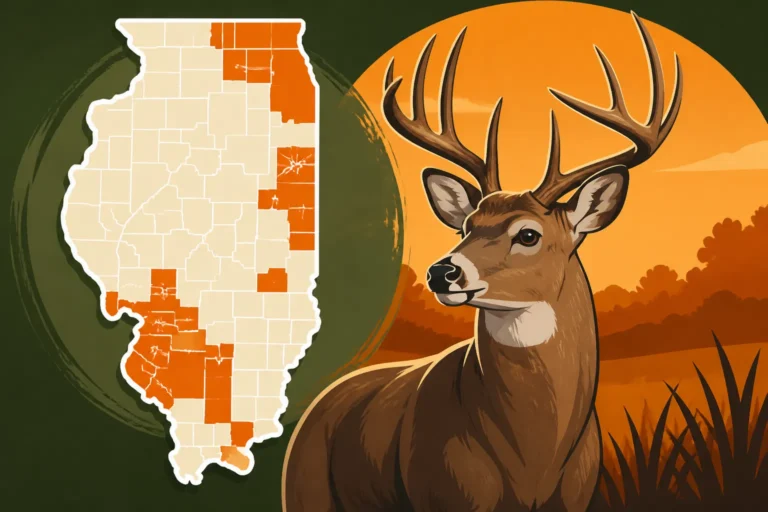
For many years, the primary stronghold for feral hogs in Illinois has been the southernmost counties, particularly within the heavily timbered, rugged terrain of the Shawnee National Forest and its surrounding private lands. Counties like Pope, Hardin, Gallatin, and Saline have consistently reported higher numbers of sightings and evidence of hog activity. The dense cover, abundant water sources, and diverse food offerings in this region provide an ideal environment for feral swine to thrive and reproduce. Feral Swine Sightings in Southern Illinois are unfortunately a common occurrence, making this region a key focus for eradication efforts. The topography, with its river bottoms and thick brush, also makes detection and removal more challenging compared to open agricultural landscapes.
Beyond the deep south, sporadic populations have popped up in other parts of the state, often linked to accidental escapes from private exotic game facilities or intentional illegal releases. Over time, proactive eradication efforts by the IDNR and USDA Wildlife Services have successfully eliminated or significantly reduced many of these isolated populations. However, vigilance is always required, as hogs can travel considerable distances and re-establish themselves quickly. Monitoring programs continue to track movement and new infestations, aiming to prevent any widespread re-establishment outside the known southern strongholds.
Habitat Preferences of Feral Hogs
Feral hogs are incredibly adaptable, but they do show a strong preference for certain types of habitats that provide them with food, water, and cover. Their ideal environment in Illinois typically includes dense forests, particularly bottomland hardwoods along rivers and creeks, where they can find acorns, roots, and plenty of places to hide. These areas also offer abundant water for drinking and wallowing, which is crucial for temperature regulation and parasite control. Think about creek bottoms, river oxbows, and areas with thick undergrowth – these are prime hog territories.
Adjacent agricultural fields are also highly attractive to hogs, as they provide an easy and abundant food source, especially during crop maturity. A sounder might bed down in a thick woodlot or dense CRP field during the day and then move out into corn or soybean fields at night to feed. The combination of dense cover and nearby food sources creates perfect conditions for them to thrive. Understanding these habitat preferences is key to successful scouting and hunting. If you're looking at a map, identify areas with a mosaic of dense timber, water features, and agricultural fields; these are likely places to find feral hog activity. Using mapping tools like those offered by GoHunt, you can easily identify these habitat types and potential travel corridors.
Methods and Tactics for Hunting Feral Hogs in Illinois
Hunting feral hogs in Illinois is less about traditional sport hunting and more about effective, efficient removal. Given their destructive nature and the state's eradication goal, hunters are encouraged to use methods that maximize their chances of success. This often means employing tactics that can remove entire sounders, rather than just individual animals, and taking advantage of the liberal year-round regulations.
Spot and Stalk Hunting
Spot and stalk hunting for feral hogs can be incredibly challenging but also immensely rewarding. Hogs have an excellent sense of smell and hearing, though their eyesight is relatively poor. This means approaching them quietly and downwind is paramount. This method is often most effective in areas with good visibility, such as during winter when deciduous trees have dropped their leaves, or in fields where hogs are feeding. Hunters will often glass open areas at dawn and dusk, looking for signs of movement or rooting activity. Once a sounder is located, a slow, deliberate approach, using available cover, is necessary to get within shooting range.
Success with spot and stalk often hinges on patience and keen observation. Look for movement, listen for their distinctive grunts and squeals, and pay close attention to the wind direction. If you spook one hog, the entire sounder will typically bolt, making a follow-up shot difficult. This method requires a hunter to be physically fit and capable of moving silently through varying terrain. While it may not yield the highest numbers of hogs, it offers a truly engaging hunting experience and can be very effective in surprising hogs in their feeding areas. For larger, more open areas, like the edge of a standing soybean field, this can be an excellent tactic.
Stand Hunting Over Food Sources or Travel Corridors
Setting up a stand, whether a treestand or a ground blind, over a known food source or travel corridor is one of the most consistent ways to intercept feral hogs. Hogs are creatures of habit, often using the same trails to move between bedding areas and feeding grounds. Identifying these pathways, along with areas of active rooting, can lead to productive stand locations. Food sources like acorn flats in the fall, green winter wheat fields, or even agricultural fields with waste grain are natural magnets for hogs.
When setting up a stand, consider the prevailing wind direction and your entry and exit routes to minimize disturbance. Hogs are sensitive to human scent and unnatural noises. A well-placed treestand offers an elevated vantage point, helping to disperse your scent and provide a wider field of view. Ground blinds, especially when brushed in naturally, can also be very effective, offering concealment and the ability to move slightly. Many hunters employ trail cameras to monitor these spots, gathering valuable intelligence on hog patterns and timings before committing to a sit. For those interested in more general deer hunting strategies, many principles for choosing stand locations, like finding a funnel between two woodlots, apply to hogs as well.
Trapping Illinois Feral Hogs
Trapping is arguably the most effective method for eradicating entire sounders of feral hogs. Unlike hunting, which often removes only a few individuals at a time, trapping, when done correctly, can capture multiple hogs simultaneously. This is crucial for eradication efforts because hogs reproduce so rapidly that removing a few here and there barely makes a dent in their population growth. The most common type of trap is a large, sturdy corral trap, often circular or rectangular, with a trip mechanism that allows the hogs to enter but prevents their escape. Pre-baiting with corn for several days or even weeks is essential to get the entire sounder comfortable entering the trap before setting it.
Successful trapping requires patience, persistence, and proper equipment. Initial baiting without setting the trap allows the hogs to develop a routine, bringing even the most wary individuals into the trap's enclosure. Once hogs are consistently feeding inside, the trap is set. After capture, all trapped hogs should be humanely dispatched. The IDNR and USDA Wildlife Services often provide assistance and loan traps to landowners facing severe hog problems, recognizing trapping as a cornerstone of their eradication strategy. Learning about Trapping Illinois Feral Hogs can significantly boost your success.
Night Hunting With Thermal and Lights
Given that feral hogs are largely nocturnal, especially in areas with hunting pressure, night hunting with the aid of thermal optics or artificial lights has become a highly effective strategy, particularly on private land. This method allows hunters to target hogs when they are most active and visible in open fields. Illinois's liberal regulations allow for night hunting on private land with landowner permission, which provides a significant advantage. Thermal scopes can detect heat signatures from a distance, allowing hunters to locate sounders unseen by the naked eye. Once located, legal artificial lights can be used to positively identify targets and aid in shot placement. For details on these specialized techniques, consult Night Hunting Hogs With Lights on Private Land.
This method requires specialized equipment, including thermal or night vision optics and powerful spotlights or headlamps. Safety is paramount when hunting at night; positive identification of your target and a safe backdrop are absolutely crucial. Hunters must also be aware of any local ordinances regarding noise or light pollution, especially if hunting near residential areas. While the initial investment in gear can be substantial, the ability to effectively target hogs during their peak activity hours makes night hunting an indispensable tool in serious eradication efforts. For those unfamiliar with these tools, proper training and practice are highly recommended before heading out after dark.
Important Safety and Ethical Considerations
Hunting feral hogs, like any other hunting activity, comes with inherent responsibilities, both for safety and ethical conduct. While the goal is eradication, this doesn't diminish the need for respectful and humane practices. Hunters play a vital role in the overall management strategy, and conducting themselves professionally reflects positively on the entire hunting community.
Firearm Safety and Responsible Shooting
As with any hunting endeavor involving firearms, safety must be the absolute top priority when pursuing feral hogs. Always treat every firearm as if it's loaded, keep the muzzle pointed in a safe direction, keep your finger off the trigger until ready to shoot, and be sure of your target and what's beyond it. These fundamental rules are even more critical when hunting large, potentially dangerous animals that may be moving in groups. Hogs can be tough, and a poorly placed shot can lead to a wounded animal that poses a risk or disappears to suffer. Ensure you are using an appropriate caliber and bullet construction for a humane kill. While Illinois has minimal bullet diameter for Illinois rifles requirements for deer, it's wise to use a cartridge suitable for hogs.
When hunting in a sounder, identify a single target and focus on a clean kill shot. Avoid "spray and pray" tactics that can wound multiple animals or lead to unintended consequences. If hunting at night, ensure your lights and optics provide sufficient clarity for positive identification and precise shot placement. Remember that hogs, especially boars, can be aggressive when cornered or wounded. Always approach a downed animal with caution, making sure it is truly expired before handling it. Responsible shooting extends beyond just the moment of the shot; it encompasses preparation, equipment choice, and safe post-shot procedures.
Ethical Treatment of Animals
Despite their invasive status, feral hogs are living creatures, and ethical treatment demands a humane and quick dispatch. Whether hunting with firearms or trapping, the goal should always be to achieve a swift, clean kill. This means taking responsible shots, understanding hog anatomy, and using appropriate weaponry. It also applies to dispatching trapped animals; they should be dealt with efficiently and respectfully, minimizing any stress or suffering. The "unprotected" status of feral hogs in Illinois does not give hunters license to be cruel or irresponsible.
Furthermore, proper handling of harvested animals is part of ethical conduct. Field dressing and carcass disposal should be done in a sanitary manner, especially considering the potential for disease. If you intend to consume the meat, ensure proper butchering and storage. If you do not plan to consume the meat, consider donating it where possible, or disposing of the carcass in a way that prevents the spread of disease or attracts unwanted scavengers. The ultimate goal of eradication is served best when hunters maintain high ethical standards throughout the entire process, upholding the integrity of hunting as a conservation tool.
Reporting and Carcass Disposal Guidelines
Effective feral hog management goes beyond just removing animals; it also involves vigilant reporting and responsible carcass disposal. These steps are crucial for monitoring the population, preventing disease spread, and ensuring that eradication efforts are accurately tracked. Neglecting these steps can undermine the broader state and federal efforts to eliminate this invasive species.
Mandatory Reporting of Sightings and Harvests
While there isn't a mandatory "check-in" system like there is for deer or turkey, reporting feral hog sightings and harvests is strongly encouraged by the IDNR and USDA Wildlife Services. This information is vital intelligence for wildlife managers. Every piece of data contributes to a clearer picture of where hogs are active, how their populations are shifting, and where resources need to be deployed. Reporting helps to:
- Track Distribution: Pinpoint current hotspots and identify new areas of infestation.
- Monitor Effectiveness: Assess whether eradication efforts are succeeding in reducing populations in specific areas.
- Prevent Spread: Enable rapid response to new sightings, especially in areas where hogs haven't been previously established.
- Disease Surveillance: Help monitor for potential diseases carried by hogs, such as brucellosis or pseudorabies, which can impact livestock and potentially humans.
Landowners and hunters are typically encouraged to contact their local IDNR office or USDA Wildlife Services directly with reports. Provide as much detail as possible, including date, time, location (GPS coordinates are best), number of hogs observed, and any signs of activity like rooting or tracks. Platforms like GoHunt might offer features for mapping wildlife observations, which can be useful for personal tracking, but direct reporting to the authorities is key for official management efforts. The more comprehensive and timely the reports, the better equipped agencies are to combat the problem.
Safe Carcass Disposal Methods
Proper carcass disposal is a critical, often overlooked, aspect of feral hog management, primarily due to the potential for disease transmission. Feral hogs can carry a range of diseases that can affect livestock, wildlife, and in some cases, even humans. Therefore, simply leaving a carcass where it falls, especially near water sources or livestock operations, is irresponsible and potentially harmful.
The most recommended methods for carcass disposal include:
- Deep Burial: Burying the carcass at least 3-4 feet deep, preferably away from water sources and livestock, helps prevent scavengers from digging it up and reduces the risk of disease spread. This is generally the most common and safest method.
- Incineration: Burning the carcass until nothing but ash remains is also highly effective at eliminating pathogens. This method requires specific equipment and permits in many areas, and must be done safely and in compliance with local burning regulations.
- Rendering/Composting (Commercial Facilities): In some agricultural areas, specialized rendering or composting facilities may accept animal carcasses. This is less common for individual hunters but an option for large-scale removals.
Always wear gloves and practice good hygiene when handling feral hog carcasses. Avoid contact with blood and internal organs, especially if you have cuts or open wounds. After handling, thoroughly clean and disinfect any equipment, clothing, and vehicles that came into contact with the carcass. If you are in an area known for Chronic Wasting Disease in Illinois Deer, similar precautions for carcass movement may be advised, though CWD primarily affects cervids, not hogs. When in doubt about the best disposal method, particularly after a large harvest or if disease is suspected, contact your local IDNR or USDA Wildlife Services office for specific guidance. Their expertise can ensure you dispose of carcasses in a manner that protects public and animal health.
The Future of Feral Hog Management in Illinois
The fight against feral hogs in Illinois is an ongoing battle, one that requires sustained effort, adaptability, and public cooperation. While significant strides have been made in reducing their populations in many areas, the inherent challenges posed by this adaptable species mean that vigilance and continued management will be necessary for the foreseeable future. The state remains committed to its eradication goal, understanding that anything less will allow these destructive animals to rebound.
Long-Term Eradication Strategies
Illinois's long-term strategy for feral hogs remains firmly rooted in eradication. This means that efforts will continue to focus on completely eliminating isolated populations and preventing new infestations. The IDNR, in partnership with USDA Wildlife Services, plans to continue employing integrated management techniques, combining trapping, direct removal (hunting), and monitoring. This multi-faceted approach acknowledges that no single method is sufficient on its own to achieve full eradication. As hogs become more wary due to hunting pressure, trapping, especially large-scale corral trapping, becomes increasingly important for removing entire sounders.
Furthermore, education and public awareness campaigns will remain a cornerstone of the strategy. Informing landowners and the general public about the threats posed by feral hogs and encouraging timely reporting of sightings is crucial for early detection and rapid response. Preventing the illegal release or movement of hogs will also be a high priority, as new introductions can quickly undo years of eradication efforts. The ultimate success will depend on continued funding, inter-agency cooperation, and the sustained commitment of hunters and landowners who act as the first line of defense against these destructive invaders.
Potential Challenges and Adaptive Management
Despite the best efforts, several challenges persist in the fight against feral hogs. Their high reproductive rate, rapid dispersal capabilities, and intelligence mean they can quickly recolonize areas or spread to new ones. Fragmented land ownership and varying levels of landowner participation can also complicate widespread eradication efforts, as hogs can find refuge on properties where management is not being actively pursued. The rugged terrain in parts of southern Illinois, for example, makes aerial surveillance and ground-based trapping more difficult and costly.
Adaptive management will be key. This means continuously evaluating the effectiveness of current strategies and being prepared to adjust tactics based on new scientific research, technological advancements, and changing hog behavior. For instance, if hogs become trap-shy in a particular area, managers might need to switch to different trap designs or baiting strategies. Similarly, if new populations emerge in unexpected locations, rapid response teams may be deployed to contain and eliminate them before they can establish a foothold. The IDNR and its partners will need to remain flexible and innovative, leveraging tools like advanced mapping from platforms such as GoHunt to track their progress and refine their strategies. The dynamic nature of feral hog populations demands a dynamic and responsive management approach to secure Illinois's natural heritage from this persistent threat.
| Feral Hog Hunting Regulation Summary (Private Land) |
|---|
| Season |
| Hunting Hours |
| Weapon Types |
| Bag Limits |
| Permits |
| Baiting |
| Lights/Thermal |
| Reporting |
Disclaimer
This guide is intended for informational purposes only and does not constitute legal advice. Hunting regulations can change, and it is the hunter's responsibility to verify all current laws, rules, and regulations with the Illinois Department of Natural Resources (IDNR) before engaging in any hunting activities. Always ensure you have all required licenses and permits, and adhere to all local, state, and federal laws.