Illinois Duck and Goose Bag Limits
Getting out on the water or tucked into a blind in Illinois, hoping for a busy morning of whistling wings and honking geese, is what many of us live for. But let's be honest, trying to keep track of all the different duck and goose bag limits can feel like you need a law degree and a calculus professor just to make sure you're staying legal. It's a real headache when you've got species-specific limits, different zones, and constantly changing regulations. This guide is here to untangle that knot for you, breaking down Illinois's duck and goose bag limits so you can hunt with confidence and focus on the flight.
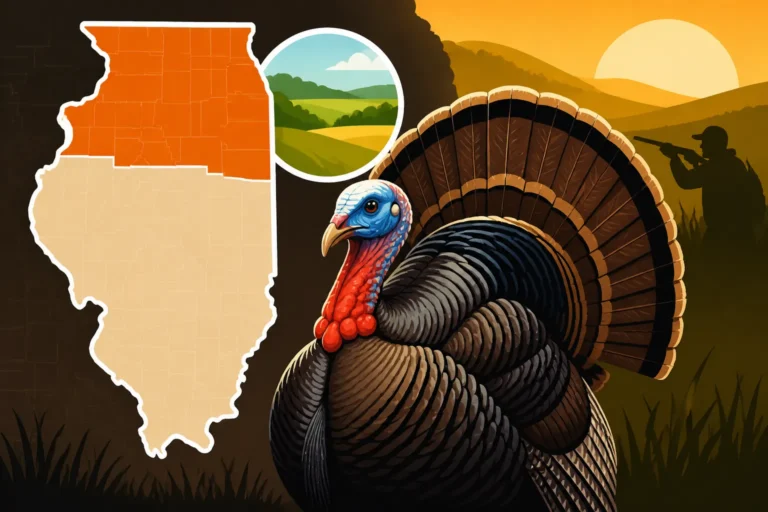
Understanding Illinois Waterfowl Zones
Before we even dive into how many birds you can harvest, it's absolutely critical to understand the waterfowl zones in Illinois. This isn't just a suggestion; it's the fundamental starting point for knowing your season dates and, more importantly, your bag limits. Illinois is a long state, stretching from the Mississippi Flyway's northern reaches down into areas that experience milder winters and later migrations. This geographical diversity necessitates different management zones to account for varied migration timings and local bird populations.
The Importance of Zone Designations
Think of these zones as regional calendars for waterfowl hunters. The Illinois Department of Natural Resources (IDNR), in coordination with federal guidelines and the Mississippi Flyway Council, establishes these zones to optimize hunting opportunities while ensuring sustainable harvest. Ducks and geese arrive and depart at different times across the state, and a single set of season dates and limits simply wouldn't make sense. For example, the season in the Northern Zone often opens and closes earlier, aligning with the first pushes of migrating birds that come down from Canada, whereas the Southern Zone might see its peak migration much later in the fall and into winter. It's all about matching hunting pressure with the availability and health of the resource. Knowing your zone is the absolute first step in understanding the Illinois Waterfowl Zones and Seasons and what you can legally bag.
Key Differences Between Zones
Illinois officially has four primary waterfowl zones: the Northern Zone, Central Zone, South Zone, and the Mississippi River Zone. However, for practical purposes, especially concerning ducks, the Central and South Zones are often referred to as "duck zones" for clarity regarding specific regulations. While the overall federal frameworks for migratory bird hunting are set nationally by the U.S. Fish and Wildlife Service, individual states like Illinois tailor their season dates and species-specific limits within those frameworks to best suit their local conditions. This means that a wood duck limit, for instance, might technically be the same across all zones, but the days you are allowed to hunt those wood ducks will differ significantly based on which zone you're in. This variation can be particularly frustrating when planning a hunt that spans different parts of the state or if you live near a zone boundary. Always consult the official IDNR hunting digest or their website for the most up-to-date information specific to your intended hunting zone, as these lines and regulations are reviewed annually.
Illinois Duck Bag Limits Explained
The daily duck bag limit in Illinois is set with conservation and population health in mind. It's not just a blanket number; it's a carefully calculated sum that takes into account breeding success, flyway populations, and projected harvest numbers. For many hunters, especially newcomers, the structure of these limits can be a source of constant head-scratching. It's not simply "six ducks." It's "six ducks, but no more than X of this species, and no more than Y of that one."
General Daily Bag Limits and Possession Limits
Currently, the general daily bag limit for ducks in Illinois is six ducks per day. This means that, regardless of species, you cannot legally harvest more than six ducks within a single calendar day. However, this is where it gets tricky, as this total of six must adhere to specific sub-limits for certain species, which we'll delve into next. It's an aggregate limit, meaning it's the total number of ducks you can shoot, with specific restrictions on which types of ducks make up that total.
Beyond the daily bag limit, there's also the possession limit. The possession limit for ducks in Illinois is typically three times the daily bag limit. So, if the daily bag limit is six ducks, your possession limit is 18 ducks. This limit applies to ducks you have already harvested and transported, whether they're in your freezer at home, in your cooler at camp, or in your vehicle on the way back from a successful hunt. The possession limit is designed to prevent hunters from accumulating an excessive number of birds over multiple hunting days without proper documentation or intent for personal consumption. Remember, the species-specific sub-limits apply to your possession limit as well; you can't have more than three times the daily sub-limit for any particular species in your possession.
Species-Specific Duck Limits
This is where the real complexity, and often the confusion, lies for many waterfowl hunters. Within that general six-duck daily bag, there are specific restrictions on how many of certain species you can take. These limits are dynamic, reflecting the population status of each species. For the 2023-2024 season, these sub-limits generally include:
- Mallards: You can take no more than 4 mallards per day, and within those 4, no more than 2 can be hens. Distinguishing drakes from hens, especially in low light or at long distances, is a skill every duck hunter needs to master.
- Wood Ducks: A beautiful bird and a favorite for many, but limited to 2 per day. You often find these in the Wood Ducks in Illinois River Bottoms and other timbered areas.
- Redheads: Also limited to 2 per day.
- Canvasbacks: These big, fast ducks are limited to 2 per day.
- Pintails: Often one of the most restrictive limits, pintails are typically limited to 1 per day due to ongoing population concerns.
- Black Ducks: Limited to 1 per day, similar to pintails, reflecting their more vulnerable population status.
- Mottled Ducks: If you're lucky enough to encounter one in Illinois, the limit is 1 per day.
- Scaup (Bluebills): This limit can be particularly variable and is often split during the season. For example, it might be 1 scaup for the first 15 days of the season, then increasing to 2 scaup for the remainder of the season. Always check the current year's regulations for these specific dates, as they change annually.
- Northern Shovelers, Gadwall, American Wigeon, Green-winged Teal, Blue-winged Teal, Cinnamon Teal: These species typically fall under the general 6-duck limit without further sub-restrictions, meaning you can take any combination of these up to your daily six, as long as you're not exceeding the limits for the more restricted species mentioned above.
These species-specific limits are vital for conservation. They ensure that hunters don't put too much pressure on species that are struggling or that have lower reproductive rates. It requires hunters to be proficient in waterfowl identification, not just for legal compliance but for ethical hunting.
Illinois Goose Bag Limits Explained
Geese are a whole different ball game from ducks when it comes to bag limits. Their populations, migration patterns, and management strategies vary widely by species, and this is reflected in the regulations. Canada geese, specklebellies, and snow geese each have their own set of rules, often with much higher limits for the more abundant species.
Canada Goose Limits by Zone
Canada goose limits are perhaps the most zone-dependent of all waterfowl in Illinois. The state works hard to manage its resident Canada goose population, as well as the migrating birds that pass through the flyway. For the main hunting seasons (excluding special early September seasons which have different limits), the standard daily bag limit for Canada geese is typically 3 per day across all zones: the North Zone, Central Zone, South Zone, and the Mississippi River Zone. The possession limit, consistent with ducks, is three times the daily bag, meaning 9 Canada geese.
However, it's absolutely crucial to note that season dates for Canada geese vary significantly by zone. For instance, the Early Goose Season Tactics in Illinois will be entirely different from late-season strategies, and the season length in the North Zone might be shorter than in the South Zone, reflecting when the bulk of the geese are present and accessible. This zoning ensures that hunting pressure is distributed appropriately and aligns with both resident and migratory goose populations throughout the state. Always ensure you are familiar with the specific season dates for Canada geese in your chosen zone to avoid legal issues.
Other Goose Species Limits
While Canada geese get a lot of attention, Illinois also hosts a variety of other goose species, each with its own management plan and bag limit:
- White-fronted Geese (Specklebellies): These popular geese, known for their distinct call and excellent table fare, usually have a daily bag limit of 2 per day. Their possession limit is 6. While not as abundant as Canada geese, their populations are generally healthy enough to support a moderate harvest.
- Snow Geese (Greater and Lesser) and Ross's Geese: These light geese often have a much more generous bag limit, typically 20 per day, with no possession limit during the regular seasons. This seemingly high number reflects their incredibly large and, in some areas, overabundant populations. The U.S. Fish and Wildlife Service, along with state agencies, often encourages hunters to harvest these geese to help manage their numbers, as they can cause significant agricultural damage and habitat degradation on their breeding grounds. Special conservation order seasons are sometimes implemented outside of regular hunting dates, offering even more liberal limits to reduce populations.
- Brant: While not a common harvest in Illinois, if encountered, Brant are usually limited to 1 per day, with a possession limit of 3. These sea geese are typically found closer to coastal areas, but occasional wanderers can show up inland.
The vastly different limits for these species underscore the targeted approach to waterfowl management. It's not about how many feathers you can collect, but about managing each population sustainably. Always carry your Illinois Federal Duck Stamp Requirement and HIP certification when hunting any migratory birds.
| Species Group | Daily Bag Limit (Typical) | Possession Limit (Typical) | Notes |
|---|---|---|---|
| Ducks (Aggregate) | 6 total (with species restrictions) | 18 total | See species-specific limits below. |
| Mallards | 4 (no more than 2 hens) | 12 (no more than 6 hens) | |
| Wood Ducks | 2 | 6 | |
| Redheads | 2 | 6 | |
| Canvasbacks | 2 | 6 | |
| Pintails | 1 | 3 | Often one of the most restrictive. |
| Black Ducks | 1 | 3 | |
| Mottled Ducks | 1 | 3 | |
| Scaup (Bluebills) | 1 for first 15 days, then 2 for remainder of season (check annual dates) | 3 or 6 (based on daily limit) | This limit often changes mid-season; always verify current regulations. |
| Geese (Canada) | 3 (all zones) | 9 | Season dates vary by zone. |
| White-fronted Geese | 2 | 6 | |
| Snow/Ross's Geese | 20 | No possession limit | Often have very liberal limits due to high populations; special conservation orders may apply. |
| Brant | 1 | 3 | Rarely harvested in Illinois. |
Disclaimer: This table summarizes typical bag limits for common species in Illinois. These limits are subject to change annually and may vary by specific zone and season dates. Always consult the current official Illinois Department of Natural Resources (IDNR) Hunting and Trapping Digest before hunting.
How Waterfowl Regulations Are Determined
It might seem like these bag limits and season structures are pulled out of a hat, or perhaps decided by a select few in a backroom. The reality is far more complex and involves multiple layers of scientific data, public input, and inter-state cooperation. The goal is always to balance hunting opportunities with the long-term health and sustainability of migratory bird populations. This intricate process ensures that waterfowl populations remain robust for generations of hunters and wildlife enthusiasts.
The Federal Framework and Flyway Councils
At the highest level, migratory bird hunting regulations in the United States are governed by treaties with Canada and Mexico and managed by the U.S. Fish and Wildlife Service (USFWS). They set the broad federal frameworks – the earliest and latest possible season dates, and the maximum number of days and bag limits for each species. This framework is based on extensive annual population surveys, habitat assessments, and harvest data collected across North America.
Below the federal level, the country is divided into four major flyways: Pacific, Central, Mississippi, and Atlantic. Illinois falls squarely within the Mississippi Flyway Council. This council is made up of wildlife managers from each state and Canadian province within the flyway. They meet annually to review scientific data, discuss population trends, and make specific recommendations for season lengths and bag limits to the USFWS, within the federal framework. These recommendations are tailored to the unique conditions and Illinois Waterfowl Migration Timing within the Mississippi Flyway. For example, if breeding ground surveys show a dip in pintail numbers, the council might recommend a more restrictive limit for pintails for all states in the flyway.
Illinois DNR's Role in Setting State Regulations
Once the federal frameworks and flyway council recommendations are finalized, it's up to the Illinois Department of Natural Resources (IDNR) to set the specific hunting season dates and bag limits for our state. The IDNR works within the federal guidelines but has the flexibility to adjust specific dates and limits to reflect local conditions, hunter preferences, and the unique challenges and opportunities within Illinois.
The IDNR considers several state-specific factors:
- Local Habitat Conditions: Are our local wetlands healthy? Is there ample food and water?
- Hunter Pressure: How many hunters are pursuing waterfowl, and where are they concentrating?
- Public Input: The IDNR holds public meetings and gathers feedback from hunters and conservation groups. This ensures that the regulations, while scientifically sound, also consider the interests of those who are most affected by them.
This process ensures that Illinois's waterfowl hunting regulations are not only biologically sustainable but also responsive to the unique dynamics of hunting in our state. Each year, it's crucial to check the IDNR's official publications for the updated regulations, as small but significant changes can occur. Many hunters use resources like GoHunt or other mapping apps to keep track of their location relative to zone lines.
Navigating Regulations and Staying Legal
It's one thing to read about the regulations, but it's another entirely to apply them in the field when the birds are cupped and committed, and the adrenaline is pumping. Staying legal means being prepared, knowledgeable, and diligent. No one wants to end a great hunt with a citation, especially when it's easily avoidable.
Essential Tools and Resources for Hunters
The most important tool in your arsenal, besides your shotgun and decoys, is current and accurate information. Forget what you think you remember from last year; regulations can and do change.
- Official IDNR Digest of Hunting and Trapping Regulations: This is your bible. It's published annually and contains all the legal season dates, bag limits, shooting hours, legal methods, and public land rules. You can find it online on the IDNR website or pick up a hard copy at most sporting goods stores or IDNR offices. Make it a habit to read through it every year before the season starts.
- IDNR Website and Mobile App: The IDNR website is constantly updated and often has in-season advisories or emergency closures. Some states even offer mobile apps that allow you to report harvests and access regulations on the go.
- Mapping Applications (e.g., GoHunt): While GoHunt is primarily known for western big game, it's an example of the kind of technology that's making its way into all forms of hunting. Tools that show land ownership, public land boundaries, and even specific site regulations are invaluable. While Illinois specific apps might be better for hunting in our state, the principle of using a reliable digital map is sound. For Illinois hunters, the onX Hunt app or the Illinois DNR's own mapping tools are excellent resources for understanding Illinois Public Land Hunting Hours and navigating complex boundaries.
- Conservation Organizations: Groups like Ducks Unlimited and Delta Waterfowl often provide summaries of regulations and updates relevant to specific flyways. They are also fantastic resources for understanding Illinois Waterfowl Banding Programs and other conservation efforts.
Make it a part of your pre-season ritual to verify all dates and limits for the specific zone and species you intend to hunt.
Common Violations and How to Avoid Them
Even experienced hunters can make mistakes. Many violations stem from simple errors in judgment or a lack of attention to detail.
- Exceeding Daily Bag Limits: This is perhaps the most common violation. Whether it's taking one too many mallards or mistakenly grabbing an extra pintail, going over the limit is a clear violation. Count your birds carefully throughout the hunt. If you're hunting in a group, ensure everyone understands their individual limit.
- Incorrect Species Identification: Misidentifying a hen mallard as a drake, or mistaking a protected species for a legal one, happens. Practice your waterfowl identification skills, especially in low light. If you're unsure, don't shoot. Take a course on waterfowl identification or spend time observing birds through binoculars.
- Exceeding Possession Limits: This can happen if you hunt multiple days in a row without consuming or processing your birds. Keep track of what you have at home and what you're harvesting.
- Hunting Outside Legal Shooting Hours: Waterfowl hunters must strictly adhere to legal shooting hours, which are typically one-half hour before sunrise to sunset. Always carry a reliable watch or use a hunting app that provides accurate sunrise/sunset times for your specific location.
- Lack of Proper Licenses or Stamps: Ensure you have your current Illinois hunting license, state habitat stamp, federal duck stamp, and HIP certification. These are not optional; they are required for all migratory bird hunters. Failing to have any of these is an easily avoidable violation.
- Unplugged Shotgun or Illegal Shot: Your shotgun must be plugged to hold no more than three shells (one in the chamber, two in the magazine). Also, federal law requires the use of non-toxic shot (steel, bismuth, tungsten-alloy, etc.) for all waterfowl hunting. Lead shot is strictly prohibited.
To avoid these pitfalls, slow down, be methodical, and double-check everything. Educate yourself and any hunting partners on the rules. Don't be afraid to ask questions if you're uncertain. Resources like Illinois Hunter Education Requirements are there to help ensure everyone understands the rules of the field.
Impact of Bag Limits on Waterfowl Management
It's easy to view bag limits as just another rule to follow, but they are a fundamental cornerstone of modern waterfowl management. These numbers aren't arbitrary; they are the result of decades of scientific study and play a critical role in ensuring that future generations have the same, or even better, hunting opportunities we enjoy today. Without them, waterfowl populations could quickly dwindle under unchecked hunting pressure.
Conservation and Sustainable Harvest
Bag limits are a primary tool for achieving sustainable harvest. This concept means taking only a portion of the wildlife population each year that can be naturally replenished through reproduction. It's about finding that sweet spot where hunters can enjoy the resource without negatively impacting the long-term health or genetic viability of the species. When populations are robust, limits can be more generous. When populations are in decline, limits are tightened, or seasons are shortened, to give the birds a chance to recover.
For example, species like the pintail or black duck often have very restrictive bag limits because their populations are more vulnerable or have slower recovery rates. In contrast, the high limits for snow and Ross's geese reflect their incredible abundance, where management goals actually involve reducing their numbers to prevent habitat destruction on their breeding grounds. This strategic use of bag limits, combined with habitat preservation efforts through organizations like Ducks Unlimited, is what makes waterfowl hunting in Illinois, and across the continent, possible. It's a testament to how hunting can directly support conservation, often funding it through license and stamp purchases like the Illinois Migratory Bird Stamp Cost.
Hunter Ethics and Responsibility
Beyond legal compliance, understanding the why behind bag limits fosters a deeper sense of hunter ethics and responsibility. We, as hunters, are the primary stewards of the wild places and the wildlife within them. Adhering to bag limits isn't just about avoiding a fine; it's about respecting the resource and playing an active role in its conservation. It speaks to our commitment to ethical hunting practices, ensuring we don't take more than our fair share or waste any part of the animal.
This responsibility extends to proper species identification, careful shot selection to minimize wounding, and retrieving every bird we harvest. When we observe these limits and practices, we contribute to the scientific management that sustains waterfowl populations. We uphold the tradition of hunting as a conservation tool and demonstrate to the broader public that hunters are responsible, ethical participants in wildlife management. Whether you're hunting the rich bottomlands for Mallards and Geese on the Illinois River or sitting in a field blind for Canada geese, every decision you make in the field has an impact.
Disclaimer
The information provided in this article is for general guidance only and is based on typical Illinois hunting regulations. Waterfowl hunting regulations, including season dates, zones, and bag limits, are set annually by the Illinois Department of Natural Resources (IDNR) in conjunction with federal guidelines and are subject to change. It is the hunter's sole responsibility to consult the most current official IDNR Hunting and Trapping Digest before participating in any hunting activity. Failure to do so may result in legal penalties.