Illinois Deer Damage Permits for Farmers
When you've poured your heart and soul, not to mention countless hours and dollars, into cultivating your land, only to see it ravaged by hungry deer, it's more than just a financial hit—it's incredibly frustrating. Farmers across Illinois face this dilemma constantly, watching hard-earned crops disappear or young trees get browsed to nubs. This comprehensive guide will walk you through the Illinois Department of Natural Resources (IDNR) Deer Damage Permit program, explaining exactly how it works and what steps you can take to protect your livelihood.
Understanding Deer Damage Permits in Illinois
It's a common misconception that all deer permits are created equal. The reality for farmers dealing with significant crop damage is quite different from what a hunter looking for a general season tag experiences. The Illinois Deer Damage Permit program is a specialized tool designed to offer relief to landowners whose agricultural or horticultural endeavors are severely impacted by deer populations.
What Exactly Is a Deer Damage Permit?
Simply put, a deer damage permit is a special authorization issued by the IDNR that allows a landowner or their designated hunters to remove a specific number of deer outside of regular hunting seasons, or by methods not typically allowed, solely for the purpose of mitigating documented agricultural damage. This isn't your everyday hunting license; it's a targeted management tool. Imagine you've got a small, isolated woodlot surrounded by freshly planted soybeans. If a local deer herd decides your field is an all-you-can-eat buffet, and traditional hunting seasons haven't alleviated the pressure, this permit provides a pathway for intervention. The goal isn't recreational harvest, but rather an emergency measure to protect valuable crops and prevent further economic loss. It’s a direct response to a very real problem, acknowledging that unchecked deer populations can pose a serious threat to farming operations. This distinction is crucial, as it influences everything from the application process to the on-the-ground rules of engagement.
Who is Eligible for a Deer Damage Permit?
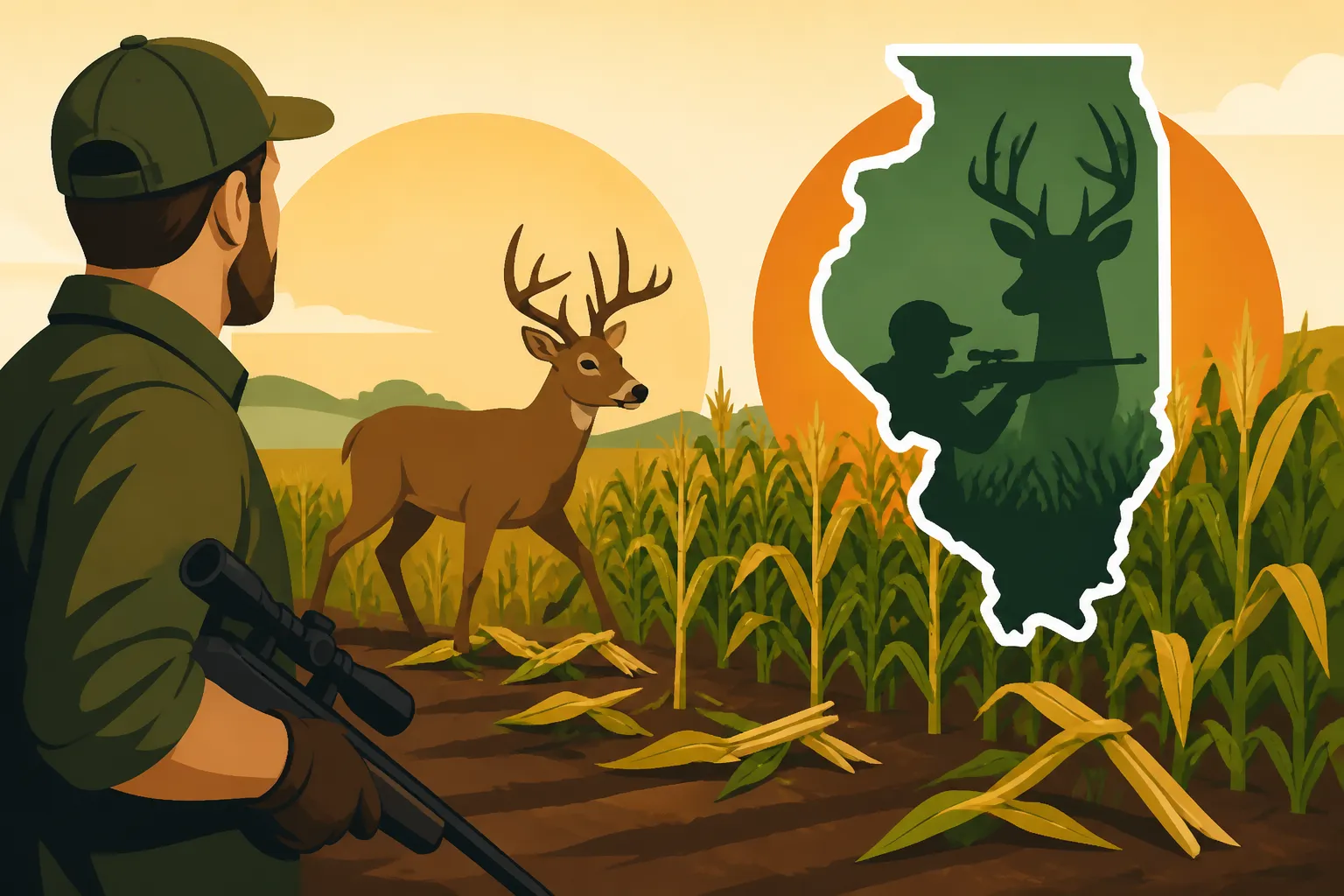
Eligibility for an Illinois Deer Damage Permit hinges on one primary factor: documented, significant damage to agricultural crops or horticultural products. This isn't just about seeing a few deer in your field; it's about measurable economic impact. The IDNR assesses the severity of the damage, often considering factors like the monetary value of lost crops, the extent of the destruction, and if you’ve already tried other non-lethal deterrents. For instance, if a farmer has a new orchard, and young fruit trees are being constantly rubbed or browsed by deer, causing significant setback or death to the trees, they might be eligible. Similarly, a corn farmer seeing whole rows leveled or soybean fields heavily browsed during critical growth stages would certainly have a case. The definition of "agricultural damage" is quite broad, encompassing field crops, vegetable gardens, fruit orchards, nurseries, and even ornamental plants that are part of a commercial operation. The IDNR isn't going to issue these permits lightly, so demonstrating a clear and present threat to your livelihood is paramount. It’s about substantiating that the deer population on your land is causing an unacceptable level of harm, impacting your ability to farm productively.
The Application Process for Illinois Deer Damage Permits
Navigating government programs can sometimes feel like walking through a maze, but securing a deer damage permit is a fairly straightforward process if you know the steps and are prepared with the right information. The key is documentation and early communication with the right folks at the IDNR.
Initial Steps and IDNR Contact
The very first thing you need to do when you suspect you have a deer damage problem that warrants a permit is to thoroughly document the issue. This means taking clear photographs of the damage—close-ups of munched plants, rubbed trees, trampled fields—and, if possible, estimating the financial loss. Keep a log of when you observe deer in your fields and how often. This evidence will be vital when you make your case. Once you have a good handle on the scope of the damage, your next step is to reach out directly to your local IDNR District Wildlife Biologist. These are the experts on the ground who understand local deer populations and agricultural concerns. You can usually find their contact information through the Illinois Department of Natural Resources website or by calling the main IDNR office. Explain your situation calmly and present your documented evidence. This initial conversation is crucial for setting the stage and understanding if your situation meets the criteria for a damage permit assessment. They might ask about your farming practices, your property size, and any other deer management efforts you've already undertaken. Be prepared to discuss the specific crops affected and the economic consequences you're facing.
The Damage Assessment and Permit Issuance
After your initial contact, an IDNR biologist will typically schedule a site visit to your property. This is where they put boots on the ground to verify your claims. They'll walk your fields, examine the damaged crops or trees, and look for signs of deer activity—tracks, droppings, browse lines, and rub signs. They'll also consider factors like the surrounding habitat, local deer density (you might be interested in reading about Illinois Deer Population Estimate to get a broader context), and traditional deer movement patterns. If the biologist confirms significant and ongoing damage attributed to deer, they will then recommend the issuance of a Deer Damage Permit.
The permit itself will come with very specific conditions. It will dictate the number of deer that can be harvested (often antlerless deer, as they contribute most to population growth), the timeframe during which the permit is valid, and the specific weapons that can be used. For instance, it might authorize shotguns or straight-wall rifles during a period outside of general firearm seasons, or even archery equipment during an extended window. Critically, it will also specify who is authorized to carry out the harvest, usually the landowner and/or a limited number of designated individuals. You'll need to understand these rules implicitly, as deviating from them could lead to serious consequences, including fines or loss of future permit eligibility. Remember, this isn't a free-for-all; it's a carefully regulated program designed for very specific circumstances.
Utilizing and Reporting Under Your Deer Damage Permit
Once you have that permit in hand, the responsibility shifts to you and your designated hunters to execute the harvest safely, ethically, and in strict accordance with the rules. This isn't just about reducing deer numbers; it's about responsible wildlife management and accurate record-keeping.
Designated Hunters and Specific Rules
The deer damage permit isn't transferable to just anyone. It will explicitly name the individuals authorized to hunt under its authority. Often, this includes the landowner and perhaps one or two trusted family members or friends who are experienced hunters and understand the gravity of the task. Before anyone heads out, it’s absolutely critical that every designated hunter reviews and understands every single condition of the permit. This means knowing the exact dates the permit is valid, the specific number of deer, by sex if specified, that can be harvested, and the legal weapons permitted. For instance, if the permit specifies "antlerless deer only" using a shotgun, you can't harvest a buck, nor can you use a crossbow if it's not explicitly allowed. These permits often allow hunting methods or times that fall outside of the regular Illinois Deer Season Structure Explained, so adherence is paramount. Communication with the IDNR is also key; if you have questions or encounter unforeseen circumstances, always reach out to your district biologist for clarification. The objective is to mitigate damage, not to engage in recreational hunting, and all actions should reflect this focused intent. Hunters should also ensure they are properly licensed with a valid Illinois hunting license, even for these special permits, and have completed their Illinois Hunter Education Requirements if necessary.
Mandatory Reporting Requirements
This is where the rubber meets the road. Every single deer harvested under a damage permit must be reported to the IDNR. This isn't optional; it's a mandatory condition of the permit. The reporting requirements typically include the date of harvest, the sex of the deer, the specific location (often by county and even specific property), and the method used. You might even be asked for age estimates or other biological data. This information is vital for the IDNR to track the effectiveness of the damage permit program, monitor local deer populations, and ensure that landowners are complying with the terms of their permits. Think of it as your part in the scientific management of wildlife. If you don’t report, the IDNR has no way of knowing if the permit was used effectively, or even legally. Failure to report harvested deer can lead to serious repercussions, including fines or the inability to obtain future permits. It’s also crucial to remember that harvested deer, even under a damage permit, are still game animals. You still need to handle the venison properly, considering things like Field Dressing a Deer in Cold Weather and how you plan to process it. Furthermore, the IDNR has specific rules for Registering an Illinois Deer Online that must be followed for any deer harvested.
Beyond the Permit: Long-Term Damage Control
While a deer damage permit offers immediate relief, it's often a temporary solution to an ongoing problem. For sustained success in protecting your land, it's wise to consider long-term strategies. These can include physical deterrents like electric fencing around high-value crops or new plantings, which, while an investment, can be incredibly effective. Repellents, both commercial and homemade, can also be used, though their efficacy often varies and requires frequent reapplication. Habitat modification is another powerful tool; sometimes, simply clearing brush or dense cover near vulnerable areas can make deer feel less secure and encourage them to feed elsewhere. Scare tactics, such as motion-activated lights or noisemakers, can work for a short period but deer are intelligent and often become accustomed to them. The permit should be seen as one component of a broader, integrated pest management approach. By combining lethal removal with preventative measures, you can create a more sustainable solution to deer damage on your farm. Many farmers also consider planting sacrificial plots of less valuable crops to draw deer away from their main cash crops, especially during critical growth phases. For those looking to optimize their land management and understand deer movement patterns better, resources like GoHunt's mapping tools can be invaluable in identifying key areas for deer activity and planning your long-term damage control strategy.
Common Challenges and Considerations for Farmers
Dealing with deer damage is never just about getting a permit; it involves navigating administrative hurdles and sometimes even community perceptions. Understanding these challenges upfront can help you approach the situation with realistic expectations.
Navigating the Bureaucracy and Timeline
Let's be real: government processes aren't always lightning-fast. While the IDNR strives to address damage permit requests promptly, especially during critical planting or growing seasons, there's still a review process involved. From your initial call to the site visit, and then to the actual permit issuance, it takes time. You might be asked for additional documentation, or the biologist's schedule might be packed during peak periods. This is where patience becomes a virtue. Don't wait until your crops are completely destroyed before making that first call. The earlier you initiate contact and provide thorough documentation, the smoother the process is likely to be. Understand that the IDNR needs to verify the claim of damage to justify issuing a permit that allows for actions outside regular hunting seasons. This due diligence ensures the program's integrity and prevents misuse. Having everything in order—your photos, your loss estimates, and a clear explanation of the situation—can certainly help expedite the process. Keep in mind that securing a permit might not happen overnight, so factor that into your damage control planning. Using detailed digital mapping applications like GoHunt can help you pinpoint the exact locations of damage, which can be shared with the biologist to streamline their assessment.
Ethical Considerations and Community Relations
Removing deer outside of traditional hunting seasons or methods can sometimes raise eyebrows, particularly in areas with non-hunting neighbors or small communities. It's an unfortunate reality that not everyone understands the economic pressures faced by farmers due to wildlife damage. Therefore, discretion and clear communication, where appropriate, are essential. If you have neighbors in close proximity, a brief, respectful explanation of why you're taking these steps—that it's about protecting your livelihood and crops, not just sport—can go a long way in maintaining good community relations.
Furthermore, there's an ethical responsibility regarding the harvested deer. Waste is never acceptable. Many farmers work with local food banks or programs like Farmers and Hunters Feeding the Hungry to donate the venison. This not only puts healthy, organic meat to good use but also demonstrates a responsible approach to wildlife management. It shows that the purpose of the permit isn't frivolous, but a necessary management action. Discussing options for Donating Venison in Illinois with your IDNR biologist or local charitable organizations can be a proactive step. While the permit is for damage control, the animals still deserve respect, and their meat should not go to waste. This approach aligns with the core values of hunting and land stewardship.
Comparing Permit Types: Damage vs. Regular Hunting
Understanding the distinct differences between an Illinois Deer Damage Permit and a standard hunting permit is vital for any landowner. They serve entirely different purposes and come with their own sets of rules and expectations.
| Feature | Illinois Deer Damage Permit | Standard Illinois Hunting Permit (e.g., Archery, Firearm) |
|---|---|---|
| Primary Purpose | Mitigate substantial agricultural/horticultural damage | Regulated recreational harvest, population management, sport hunting |
| Eligibility | Landowner with documented, significant crop/property damage | Any eligible hunter meeting license/education requirements |
| Issuing Authority | IDNR District Wildlife Biologist after assessment | IDNR via lottery, over-the-counter sales, or online portal |
| Seasonality | Issued as needed, often outside regular hunting seasons | Strict, predefined season dates and periods |
| Weapon Restrictions | Specific to permit conditions, may include non-traditional means | Defined by season (archery, shotgun, straight-wall rifle, muzzleloader) |
| Deer Quota | Specific number of deer, often antlerless, determined by damage | Defined by permit type (e.g., one antlered, one antlerless) |
| Hunter Designation | Landowner + named designated individuals | Permit holder only |
| Reporting | Mandatory, direct reporting to IDNR biologist | Mandatory check-in via phone or online portal within 48 hours |
| Cost | No fee for the permit itself (though licenses are required) | Varies by permit type and residency (e.g., Illinois Resident Deer Permit Options) |
| Focus | Damage mitigation, immediate relief | Sustainable harvest, sport, population balance |
This table clearly illustrates that while both involve deer, their intent, application, and execution are fundamentally different. A damage permit is a targeted, often last-resort measure to protect a livelihood, whereas regular hunting permits are part of a broader, annual recreational and management framework. Understanding this distinction is key to utilizing the correct tool for your situation and ensuring you remain compliant with all Illinois hunting regulations. For more general information on how to legally acquire permits, you can also explore Illinois Hunting Licenses and What They Cost.
Disclaimer
The information provided in this guide is for general informational purposes only and does not constitute legal advice. Hunting regulations and permit requirements in Illinois can change. Always consult the most current official regulations published by the Illinois Department of Natural Resources (IDNR) or contact a local IDNR office for the most accurate and up-to-date information before taking any action.