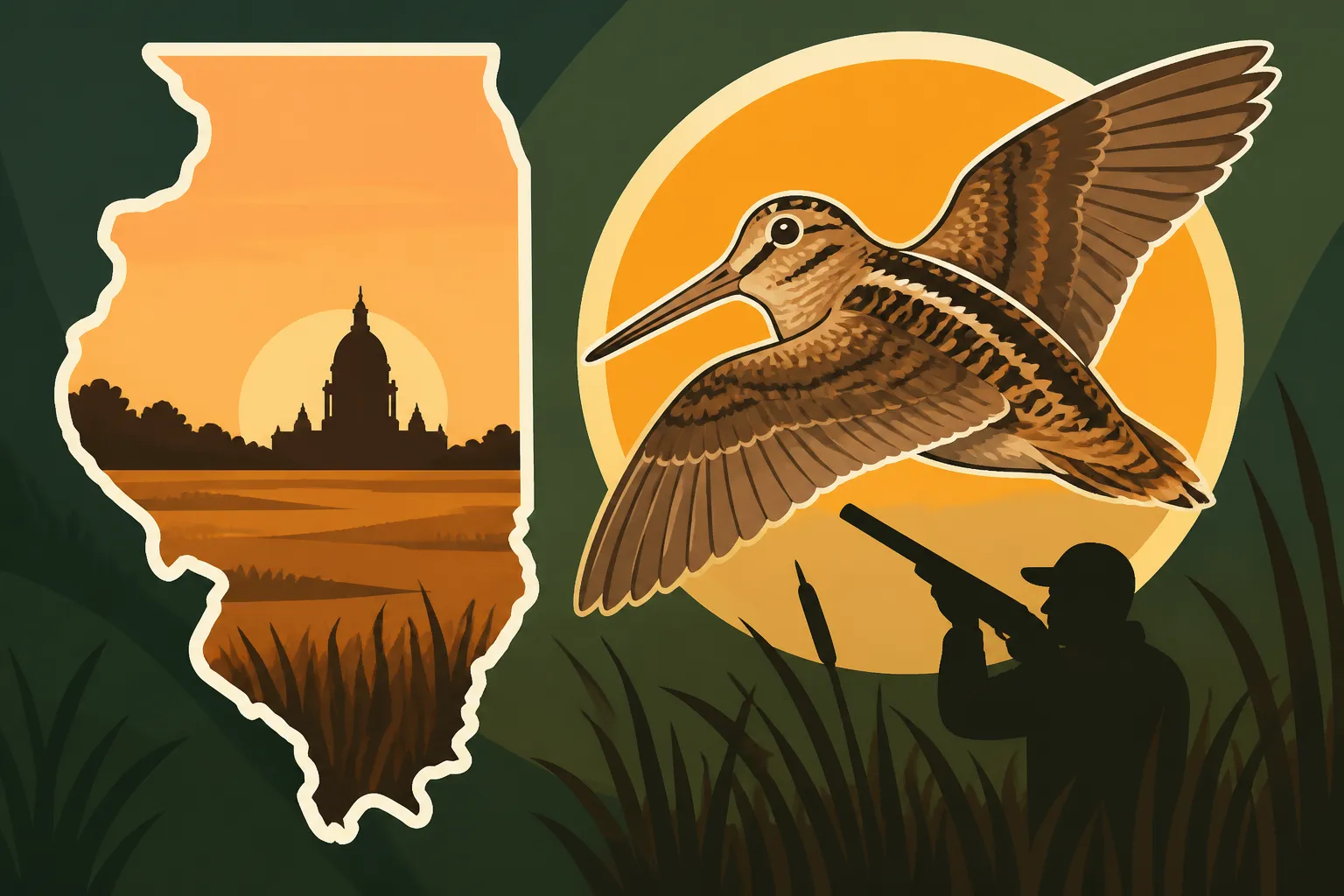
Illinois Woodcock Season Dates
Hunting woodcock in Illinois can feel a bit like searching for a hidden gem in a well-traawn deer woods. Unlike our more prominent whitetail and turkey seasons, the humble timberdoodle often gets overlooked, and finding concrete, up-to-date information on their season dates and specific rules can be a real head-scratcher. Many hunters assume woodcock are just a byproduct of early pheasant or grouse hunts, but they're a unique, challenging game bird in their own right. This guide is dedicated to demystifying Illinois woodcock season dates and providing you with all the essential details to successfully pursue these fascinating migratory birds.
Understanding Illinois Woodcock Season Dates
The American Woodcock, affectionately known as the timberdoodle, is a peculiar and delightful bird that offers a unique hunting experience. But because they're migratory, their season dates aren't set with the same long-term consistency as resident game. This can lead to frustration when trying to plan your fall hunts.
The Migratory Bird Framework
Unlike our resident pheasants or rabbits, woodcock are migratory game birds, meaning their seasons are established under federal guidelines by the U.S. Fish and Wildlife Service, then implemented by the Illinois Department of Natural Resources (IDNR). This federal oversight ensures that migratory species are managed across their entire range, not just within state borders. It's why you'll often see woodcock seasons aligning with other migratory bird seasons, such as certain duck or dove periods. The challenge here is that these federal frameworks can sometimes shift slightly year to year, and the specific opening and closing dates are often announced closer to the fall.
Typically, Illinois woodcock season falls during the autumn migration, usually opening in mid-October and running through early to mid-December. This timing coincides with the cooler weather that prompts these birds to move southward, often ahead of significant cold fronts that push through the state. They're often most active and concentrated when these migratory pushes occur, offering hunters the best chances. Understanding this migratory pattern is key to predicting when and where you might encounter them, as well as why the season dates are set when they are.
Official IDNR Season Dates
For the current season, the Illinois woodcock hunting season typically opens in mid-October and extends into early to mid-December. For example, recent seasons have seen an opening around October 15th and a closing around November 28th to December 1st, offering a window of about 45-50 days. It's crucial to always verify the exact dates each year through the official IDNR hunting digest or their website, as minor adjustments can occur. These dates are designed to overlap with a significant portion of the woodcock's southward migration through Illinois, aiming to provide ample opportunity while also protecting the species' overall population health.
Before you even think about stepping into the woods, remember that you'll need more than just your base hunting license. As a migratory bird hunter, you'll also need to obtain an Illinois Migratory Bird Certification in addition to your state hunting license and habitat stamp. Don't forget the federal migratory bird hunting and conservation stamp, often called the "duck stamp," which is also required for all migratory bird hunters aged 16 and older. These stamps directly contribute to wetland conservation and habitat acquisition, benefiting countless species, including woodcock.
Statewide Season and No Specific Zones
One less confusing aspect of woodcock hunting in Illinois is that there are no specific zones or different periods across the state. Unlike deer or turkey seasons which might have North and South Zones or various periods, the woodcock season dates are uniform statewide. This simplifies planning considerably, as you don't need to worry about being in the correct geographical zone for a particular opener or closer.
This statewide approach reflects the relatively broad distribution of woodcock habitat across Illinois, particularly in areas with suitable moist, young forest growth. While woodcock might be more concentrated in certain areas during migration, the season itself is consistent. This means whether you're hunting the thickets of Southern Illinois or the regenerating timber in the central part of the state, your season dates remain the same. This allows hunters the flexibility to pursue them wherever suitable habitat can be found, without needing to cross zone boundaries or juggle complex schedules.
Licenses, Permits, and Regulations for Woodcock
Before you grab your shotgun and head afield, it’s critical to understand the specific licenses, permits, and regulations governing woodcock hunting in Illinois. Missing just one piece of paperwork or misunderstanding a rule can quickly turn an exciting day into a frustrating one.
Essential Licensing and Stamps
To legally hunt woodcock in Illinois, you'll need several key items in your possession. First and foremost, a valid Illinois Hunting Licenses and What They Cost is non-negotiable for all residents and non-residents. On top of that, everyone must purchase an Illinois State Habitat Stamp. This stamp is a fundamental requirement for anyone hunting or trapping in Illinois, and its funds directly support habitat management and restoration efforts across the state.
Beyond these general requirements, hunting migratory game birds like woodcock adds a few more layers. As mentioned earlier, you must possess an Illinois Migratory Bird Certification. This free certification essentially registers you with the federal Harvest Information Program (HIP), allowing state and federal wildlife agencies to collect data on migratory bird hunters for population management purposes. Finally, for hunters aged 16 and older, a current Federal Migratory Bird Hunting and Conservation Stamp (often called the "duck stamp") is mandatory. You can purchase these stamps from most post offices, sporting goods stores, or online through the IDNR website. Always double-check that all your licenses and stamps are current before heading out.
Bag and Possession Limits
The IDNR sets specific daily and possession limits for woodcock to ensure sustainable hunting practices. These limits are subject to change, so always consult the most current Illinois hunting regulations. Historically, the daily bag limit for woodcock in Illinois is 3 birds. This means you can harvest no more than three woodcock per day. The possession limit, which refers to the maximum number of birds you can have in your possession at any given time (including those from previous hunting trips), is typically three times the daily bag limit, making it 9 birds.
It's vital to keep these numbers in mind, especially if you're hunting for multiple days or if you're part of a group. Over-harvesting not only violates regulations but can also negatively impact local woodcock populations. Remember that these limits are in place to help conserve the species for future generations of hunters. If you're also hunting other migratory birds, be mindful that each species has its own distinct limits; you cannot combine your woodcock bag with, say, your dove bag, even if hunted on the same day.
Legal Hunting Hours and Methods
Illinois regulations dictate specific legal hunting hours for woodcock, typically extending from one-half hour before sunrise until sunset. This timeframe ensures fair chase and promotes ethical hunting practices. While woodcock are known to be active during low light conditions, hunting outside of these legal hours is strictly prohibited. It's a good practice to always carry a reliable light source, like a headlamp, for safe travel to and from your hunting spot in the dark hours.
As for methods, woodcock can only be taken with a shotgun, no larger than 10-gauge. Like most small game hunting, shotguns must be plugged to limit shell capacity to three rounds (one in the chamber, two in the magazine). This is a standard federal regulation for migratory birds. Baiting is strictly prohibited, meaning you cannot hunt over any area where bait (such as grains, salt, or other food) has been placed to attract birds. Hunting with dogs is not only permitted but highly recommended for woodcock, as their camouflage and tendency to hold tight make them incredibly difficult to find without a good pointing or flushing dog. Dogs also greatly aid in retrieving birds in thick cover, minimizing lost game.
Strategies and Scouting for Illinois Woodcock
Successfully hunting woodcock in Illinois isn't just about knowing the season dates; it's about understanding their habits, preferred habitats, and knowing how to find them. These cryptic birds demand a different approach than typical field-edge deer or gobbling turkeys.
Prime Habitat and Migration Patterns
Woodcock are creatures of moist, young, regenerating woodlands. Think thick cover – dogwood, alder, willow, and young saplings, often near brushy creek bottoms, old field edges, or recently timbered areas. They thrive in wet, worm-rich soil, as earthworms are their primary food source. When scouting, look for areas with dense overhead cover that provides protection from predators, combined with soft, moist soil that allows them to easily probe for worms with their long bills. They are not typically found in mature, open timber or dry uplands.
Their migration through Illinois is a fascinating phenomenon. Woodcock breed in the northern states and Canada, then migrate south to wintering grounds in the southeastern U.S. Illinois sits squarely in their migration corridor. The first birds begin moving through in late September, with peak migration typically occurring from mid-October through November. Colder temperatures and hard frosts in the northern states push waves of birds south. A key indicator to watch for is a sustained cold front that brings freezing temperatures to their northern breeding grounds; this often means a fresh influx of birds will soon be moving through Illinois. Understanding When Woodcock Migrate Through Illinois is crucial for timing your hunts.
Scouting Techniques and Timing
Scouting for woodcock often happens a bit differently than for other game. Since they're migratory, consistent year-round scouting in one spot isn't always effective. Instead, focus on identifying suitable habitat that will attract migrating birds. Look for those thick, damp, early-successional woodlands, especially near water sources or along timbered river bottoms. You can use mapping applications like GoHunt to pinpoint these types of habitat features from your couch. Look for areas showing varying timber age classes, especially those with recent timber stand improvements or clear-cuts that are now regenerating.
Once you've identified potential habitat, early season scouting can involve "jump-shooting" areas to see if any birds are present, or simply walking through prime cover to look for their tell-tale "borings" – small, round holes in the mud or soft soil where they've probed for worms. You might also spot their unique, chalky "splash" (droppings) on leaves or logs, which looks like splashes of white paint. The best time to scout is often right after a cold front has passed, as this is when new birds are likely to have arrived. A thorough scout might involve several walks through likely cover, paying close attention to these subtle signs.
Tactical Hunting Approaches
Hunting woodcock is a highly interactive experience, often described as a true "walking man's hunt." The most effective method by far involves using a well-trained pointing dog. A good setter or pointer will locate the birds, go on point, and hold them until you walk in and flush the bird. This allows for controlled flushes and safer shooting opportunities in thick cover. Without a dog, it becomes a "flush hunt," where you walk slowly and deliberately through cover, hoping to surprise a bird into flight. They hold incredibly tight, often flushing at your feet with a distinctive whistling wingbeat, providing a quick, challenging shot.
When working cover, move slowly and deliberately, pausing frequently. Woodcock are masters of camouflage, and often a sudden stop or a change in pace is what makes them flush. Pay attention to wind direction, trying to work into the wind if possible, as this helps your scent (and your dog's) carry to the birds. Shots are almost always close-range and quick, so an open-choke shotgun (like improved cylinder or skeet) loaded with light upland loads (7.5 or 8 shot) is ideal. Remember that in thick cover, visibility is limited, so always be absolutely certain of your target and what's beyond it before taking a shot.
Additional Considerations for Illinois Woodcock Hunters
Beyond the dates and regulations, there are several other elements that contribute to a successful and enjoyable woodcock hunting experience in Illinois. From finding good spots to understanding the nuances of their behavior, these details can make a real difference.
Public Land Opportunities
Finding good woodcock habitat on Public Hunting Land in Illinois is definitely possible, though it requires a bit of research and legwork. Many of Illinois's State Fish and Wildlife Areas, State Forests, and even some federal lands (like parts of the Shawnee National Forest) contain the mixed, regenerating timber and moist bottomlands that woodcock prefer. You'll want to look for areas with recent logging activity, often marked by clear-cuts or selective timber harvesting, as these areas quickly regrow into the dense cover woodcock adore.
The key is often to Finding Ground Others Walk Past. Most hunters on public land are focused on deer or turkey, meaning the thick, brushy areas that woodcock love might be overlooked. Don't be afraid to dive into the tangles that seem unappealing for other game. Utilize online mapping tools, including the IDNR's interactive map and premium apps like GoHunt, to identify potential habitat features like creek drainages, young timber stands, and areas that might have recently been managed. These maps can show you public boundaries and access points, helping you plan your approach to overlooked pockets of habitat.
Weather Impact on Woodcock
Weather plays a huge role in woodcock migration and behavior. While a warm, sunny day might be pleasant for hunters, it often means slower hunting for woodcock. These birds are sensitive to cold and food availability. Hard frosts and freezing temperatures in their northern breeding grounds are the primary drivers of migration. Once they hit Illinois, sustained cold fronts, especially those that freeze the ground, will continue to push them south.
If you encounter prolonged freezing conditions, woodcock may quickly depart an area in search of softer, unfrozen ground where they can still probe for worms. Conversely, a mild spell during the season might slow down migration, leaving birds scattered. The ideal conditions for finding concentrated birds often involve moderate temperatures with recent cool snaps, keeping the ground soft but encouraging southward movement. Pay attention to regional weather forecasts, not just for your hunting spot, but for areas to the north of Illinois, as this will give you clues about potential inbound flights of birds.
Respecting the Resource and Ethical Hunting
Hunting woodcock, like any other game, comes with a responsibility to respect the resource and practice ethical hunting. Always be mindful of your shooting backdrop, especially in thick cover. Due to their small size and quick, erratic flight, woodcock can be challenging targets, leading to opportunities for unsafe shots if you're not careful. Prioritize safety above all else, ensuring you clearly identify your target and know what lies beyond.
Report your harvest accurately, especially if it's required for HIP certification. This data is vital for wildlife biologists to monitor populations and make informed management decisions, ensuring that Illinois Small Game Season Rules and bag limits are appropriate for a sustainable harvest. Consider sharing your passion by mentoring a new hunter, perhaps introducing them to the unique thrill of hunting timberdoodles. The future of hunting depends on ethical practices and fostering a deep appreciation for the wildlife we pursue.
| Category | Detail |
|---|---|
| Typical Season | Mid-October to Early December |
| Season Zones | Statewide (No zones) |
| Daily Bag Limit | 3 birds |
| Possession Limit | 9 birds |
| Hunting Hours | One-half hour before sunrise to sunset |
| Required Licenses | Illinois Hunting License, State Habitat Stamp, Migratory Bird Certification, Federal Duck Stamp (16+ yrs old) |
| Legal Methods | Shotgun (10-gauge max, plugged to 3-shell capacity), Dogs permitted |
| Primary Food | Earthworms |
| Preferred Habitat | Moist, young, regenerating woodlands, thick brush, near water |
Disclaimer
Please remember that hunting regulations and season dates can change. Always consult the most current Illinois Department of Natural Resources (IDNR) hunting regulations and digests before planning any hunting trip. This guide is intended for informational purposes only and should not be considered a substitute for official state publications.